bluename
 How to Store Homemade Aloe Vera Gel Longer: Your Complete Guide to Freshness
You’ve just harvested a beautiful, plump aloe vera leaf, carefully extracted the soothing gel, and now have a fresh batch of homemade goodness. But a worrying thought creeps in: “How long will this last before it turns brown and loses its potency?” If you’ve ever opened your fridge to find your precious homemade aloe vera gel discolored, separated, or smelling off, you know the frustration. Unlike store-bought versions packed with preservatives, natural aloe vera gel has a frustratingly short shelf life. But what if you could extend its freshness from mere days to several months? Proper storage isn’t just a suggestion; it’s the key to unlocking the long-term benefits of your homemade remedy. This guide will walk you through every step, from initial preparation to advanced preservation techniques, ensuring your gel stays fresh, potent, and ready to use.
Why Does Homemade Aloe Vera Gel Spoil So Quickly?
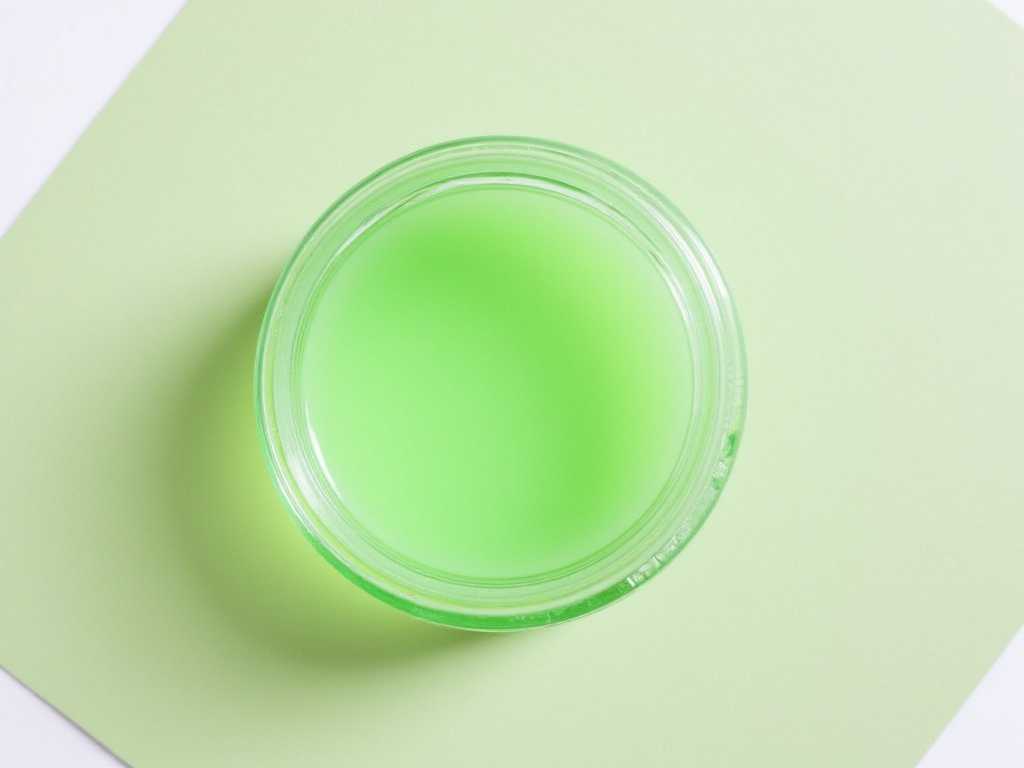
Understanding the enemy is the first step to defeating it. Fresh aloe vera gel is over 99% water and rich in vitamins, enzymes, and polysaccharides. This very nutrient density makes it a perfect breeding ground for bacteria, mold, and yeast. Oxidation is another culprit. When the gel is exposed to air, it undergoes a chemical reaction that turns it from clear to a yellowish-brown color, significantly diminishing its active compounds. The goal of all storage methods is to combat these two factors: microbial growth and oxidation.
The Foundational Step: Impeccable Preparation
The longevity of your gel begins long before it hits the refrigerator. A sterile process is non-negotiable.
Choosing and Cleaning the Leaf Select a mature, thick leaf from the outer section of the plant. Using a sharp, clean knife, cut it close to the base. Wash the leaf under running water to remove any dirt or latex (the yellow sap that can cause skin irritation). Pat it dry. As noted by herbalists, the quality of the starting material directly impacts the final product’s stability.
The Extraction Process Place the leaf upright in a glass or bowl for 10-15 minutes. This allows the yellowish-brown latex (aloine) to drain out. Aloine is a natural laxative and can irritate the skin. Next, lay the leaf flat on a cutting board. Carefully slice off the serrated edges and the top and bottom flat surfaces, leaving you with the clear fillet. Scoop out the pristine, translucent gel with a spoon. Avoid any green rind, as it contains contaminants that accelerate spoilage.
The Crucial Puree and Strain Place the gel chunks into a impeccably clean blender or food processor. Blend until smooth. For an even finer, longer-lasting gel, strain this puree through a cheesecloth or fine-mesh sieve. This removes any remaining fibrous bits or rind particles that can harbor bacteria.
Your First Line of Defense: Refrigeration
For short-term use, refrigeration is your best friend. When done correctly, it can preserve your gel for 1-2 weeks.
The Right Container Matters Always store your gel in an airtight container. Dark glass jars (like amber or cobalt blue) are superior to plastic or clear glass. They block out light, which can degrade the gel’s nutrients. Ensure the container is sterilized by washing it in hot, soapy water and rinsing thoroughly.
Minimizing Air Exposure Before sealing the jar, press a piece of plastic wrap directly onto the surface of the gel. This creates a barrier that drastically reduces the air contact that causes oxidation. Then, screw the lid on tightly.
Optimal Fridge Placement Store the jar in the coldest part of your refrigerator, typically the back of a shelf, not in the door. Maintain a consistent temperature. Every time you open the jar, use a clean, dry spoon to scoop out what you need. Never introduce fingers or contaminated utensils.
Level Up: Preservation Techniques for Long-Term Storage
To truly learn how to store homemade aloe vera gel for months, you need to incorporate natural preservatives or alter its state.
Natural Preservative Power Adding natural antimicrobial agents is a safe and effective method. Here are the most popular options:
- Vitamin C Powder (Ascorbic Acid): A powerful antioxidant that fights oxidation. Add 1/8 teaspoon per cup of aloe gel and mix thoroughly.
- Vitamin E Oil: Another excellent antioxidant. Add 1-2 capsules (punctured) or a few drops of pure vitamin E oil per cup of gel.
- Grapefruit Seed Extract (GSE): A broad-spectrum natural preservative. Use 5-10 drops per cup of gel.
- Neem Oil or Tea Tree Oil: Effective antifungal and antibacterial agents. Use only 2-3 drops per cup, as their scent is strong. A 2021 review in the Journal of Alternative Medicine highlighted the efficacy of certain natural extracts, like GSE, in extending the shelf life of natural cosmetic formulations.
The Freezer Method: For Maximum Shelf Life Freezing is the single most effective way to store homemade aloe vera gel for 6-8 months.
- Pour your prepared gel (with or without added preservatives) into ice cube trays.
- Cover the trays with plastic wrap and freeze until solid.
- Pop out the aloe cubes and transfer them to a labeled, freezer-safe bag or container. This method locks in freshness and allows you to thaw only the small amount you need, preventing waste.
Creating Aloe Vera Ice Cubes for Direct Use Frozen aloe cubes are incredibly versatile. You can pop a cube directly into a smoothie or rub a gently thawed cube on sunburned skin for instant relief. This method perfectly preserves the gel’s enzymatic activity.
Advanced Tips and Best Practices
Maintaining Sterility is a Habit Treat your aloe gel like a food product. Always work with clean hands, tools, and surfaces. Consider keeping a dedicated spoon in the jar.
The Sniff and Sight Test Your senses are reliable tools. Fresh aloe gel has a very mild, almost clean scent. Discard it immediately if it develops a sour, foul odor, significant discoloration (dark brown), or visible mold.
Label Everything Always label your container with the preparation date. This practice takes the guesswork out of its freshness and helps you track what works best.
Common Questions Answered
Can I use lemon juice to preserve aloe vera gel? While lemon juice is acidic and has some preservative qualities, it is not the most effective option for aloe vera. Its high water content can dilute the gel, and its strong scent and potential for skin sensitivity make it less ideal than dedicated antioxidants like vitamins C and E.
Why did my gel become watery in the fridge? Separation is natural. The solid mucilage and the liquid part of the gel can settle. Simply give the jar a good stir or shake before use. If it’s excessively watery, it may be a sign of initial improper straining or the beginning of spoilage.
Is it safe to use aloe vera gel that has turned slightly pink? A slight pinkish hue can occur due to minor oxidation and is generally safe for topical use if the gel smells normal. However, a deep brown or yellow color, especially accompanied by a change in texture or smell, indicates advanced spoilage, and the gel should be discarded. When in doubt, throw it out.
Mastering the art of preservation transforms your relationship with this versatile plant. By starting with a meticulous preparation, choosing the right storage vessel, and employing techniques like adding natural preservatives or freezing, you can ensure that every batch of homemade aloe vera gel retains its healing properties. This not only reduces waste but guarantees you have a constant supply of pure, potent aloe vera ready to soothe, hydrate, and rejuvenate whenever you need it. The effort you put into storing it correctly pays back in spades with quality and longevity.