bluename
 Aloe Vera vs. Other Succulents: Care Differences You Need to Know
You’ve brought home a collection of plump, beautiful succulents, including a classic aloe vera plant. You water them all the same, give them the same sunny spot, and expect them to thrive. But soon, your aloe vera starts looking pale and mushy, while your echeverias are stretching out, and your haworthias seem stunted. Frustrating, isn’t it? This common mistake stems from a widespread myth: that all succulents require identical care. While they share a love for good drainage, the care differences between aloe vera and other popular succulents are significant and crucial for their survival. Understanding these nuances is the key to transforming your struggling plants into a thriving, resilient indoor garden.
This guide will delve into the specific, often contrasting, needs of aloe vera versus other succulent families. We’ll move beyond generic advice and provide clear, actionable care instructions tailored to each type, ensuring you can confidently nurture every plant in your collection.
The Fundamental Difference: Anatomy Dictates Care
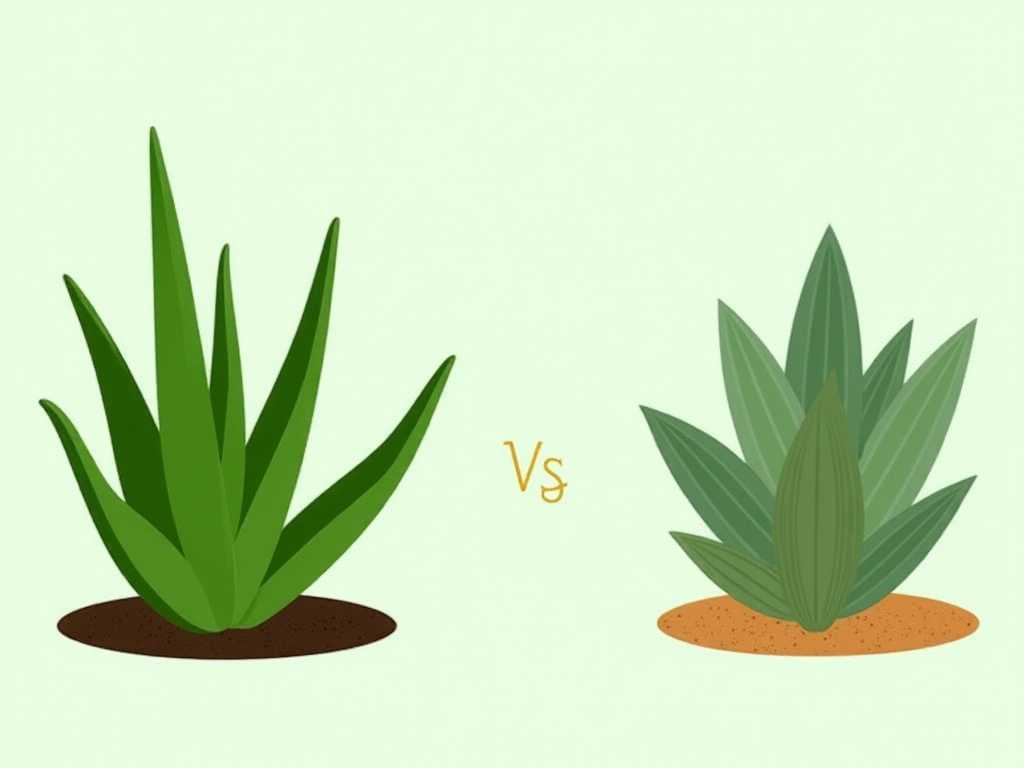
At first glance, aloe vera and succulents like sedums or crassulas all store water in their leaves. However, their anatomy and evolutionary adaptations differ, directly influencing their care requirements. Aloe vera is a member of the Asphodelaceae family, specifically the Aloe genus. Its leaves are thick, gel-filled, and designed to survive prolonged drought in arid climates. Other common succulents belong to various families such as Crassulaceae (e.g., jade plants, echeverias) or Aizoaceae (e.g., lithops). Their water storage strategies and growth patterns can vary dramatically.
Horticulturist Dr. Emily Carter notes, “Treating an aloe like an echeveria is one of the fastest ways to kill it with kindness. Aloe’s water needs are surprisingly modest, and its sensitivity to overwatering is exceptionally high compared to many fleshy-leaved succulents.” This expert insight underscores the need for specialized care.
Watering: The Most Critical Divergence
This is where the care path splits most distinctly. The principle of “soak and dry” applies to both, but the timing and frequency are worlds apart.
For Aloe Vera: The Cautious Hydration Approach Aloe vera plants have very efficient water storage and are highly prone to root rot. Their watering needs are minimal.
- Frequency: Water deeply only when the soil is completely dry—and then wait a few more days. In typical indoor conditions, this may mean watering only every 3-4 weeks in summer and every 6-8 weeks in winter.
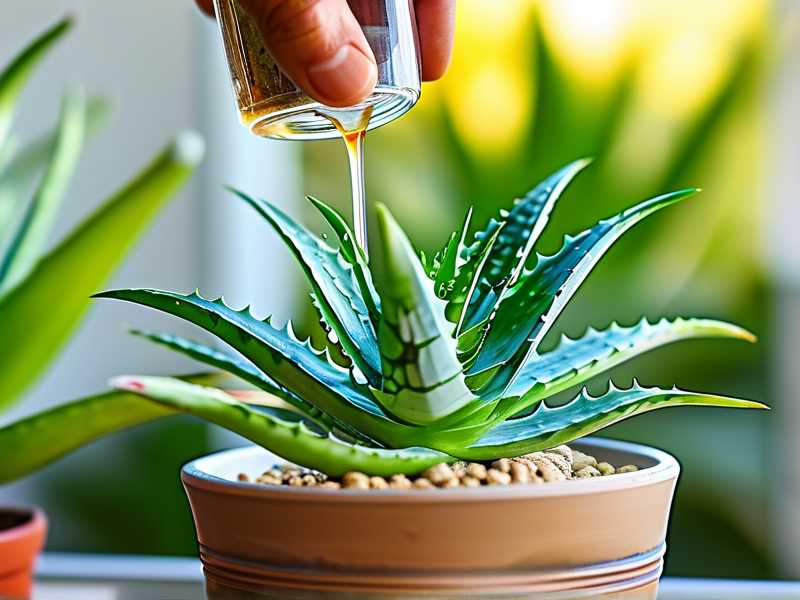
- Technique: Soak the soil thoroughly until water runs out the drainage hole, then ensure the pot drains completely. Never let the plant sit in a saucer of water.
- Signs of Trouble: Soft, mushy, brownish leaves are a sure sign of overwatering. Thin, curled, and brown-tipped leaves indicate severe underwatering, though this is less common.
For Other Common Succulents (Echeveria, Sedum, Haworthia): A Modified Schedule While these plants also hate wet feet, many tolerate slightly more frequent watering than aloe vera.
- Frequency: Water when the soil is mostly dry. For many types, you can water when the top 1-2 inches of soil are dry. Fast-draining mixes may require weekly watering in hot, dry summers, while slowing down in winter.
- Technique: The “soak and dry” method remains key. Water thoroughly, then allow for complete drainage.
- Variations: Some succulents have clearer signals. For example, a wrinkled jade plant (Crassula ovata) is asking for water. A plump echeveria is content.
Light Requirements: Sun Worshippers vs. Filtered Light Fans
Both aloe vera and other succulents need light, but their ideal intensity differs.
Aloe Vera Prefers Bright, Indirect Light
- Ideal Spot: A bright east or west-facing window is perfect. A few feet back from a south-facing window (in the Northern Hemisphere) also works well.
- Direct Sun Caution: While mature aloe can tolerate some direct sun, prolonged intense afternoon sunlight can scorch its leaves, causing a brown, bleached appearance. They thrive in strong but often filtered light.
- Low Light Response: In too little light, aloe vera will become leggy, with leaves stretching out and losing their firm, upright structure.
Many Other Succulents Crave Direct Sun
- Ideal Spot: Echeverias, most sedums, and sempervivums need at least 6 hours of direct sunlight daily to maintain their compact, colorful rosette shape. A south-facing window is often essential indoors.
- Etiolation: Without enough direct light, these plants will exhibit “etiolation”—stretching abnormally tall with wide gaps between leaves as they search for light. This growth is weak and irreversible.
- Exceptions: Some succulents, like certain Haworthia and Gasteria species, prefer bright indirect light similar to aloe vera and can scorch in full, hot sun.
Soil and Potting: Building the Right Foundation
Drainage is non-negotiable for all, but the ideal soil composition has subtle variations.
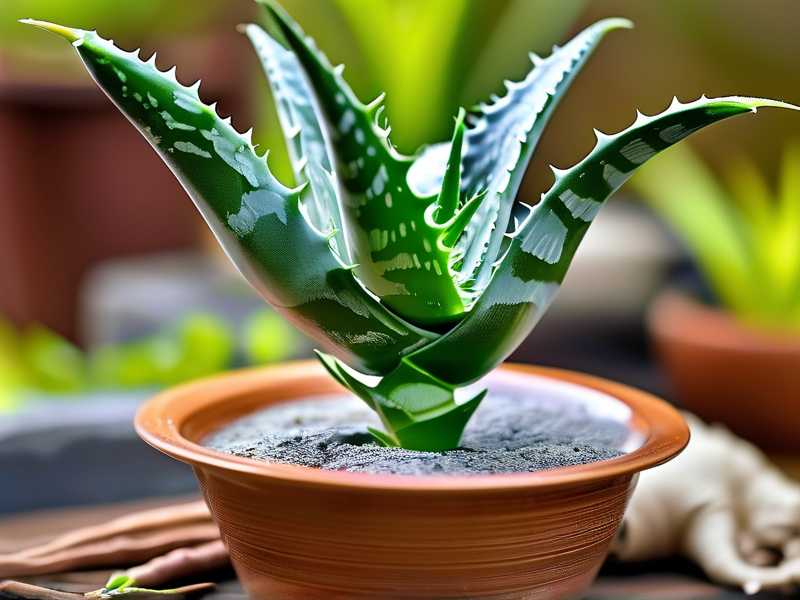
The Perfect Aloe Vera Mix Aloe vera requires a gritty, extremely well-draining mix to prevent moisture retention around its roots.
- Formula: A good starting point is a 50/50 blend of a standard cactus/succulent potting mix and additional perlite or coarse sand. Some growers use even grittier mixes with pumice or chicken grit.
- Pot Choice: Always use a pot with a drainage hole. Terracotta pots are excellent for aloe as they are porous and help wick away excess moisture.
Succulent Soil for Other Varieties While also needing excellent drainage, some popular succulents can be slightly more forgiving.
- Formula: A high-quality commercial cactus & succulent potting mix is often sufficient for plants like jades, echeverias, and sedums. For extra insurance, amending with 20-30% perlite improves drainage.
- Pot Choice: Drainage holes are mandatory. Material is less critical than with aloe, but terracotta remains a superior choice for promoting soil dryness.
Temperature, Humidity, and Feeding
Temperature Tolerance
- Aloe Vera: Prefers temperatures between 55-80°F (13-27°C). It is not cold-hardy and will suffer damage if exposed to temperatures below 50°F (10°C) for long.
- Other Succulents: Tolerance varies widely. While many common varieties have similar ranges to aloe, some (like Sempervivum) are extremely cold-hardy, and others (like some Sedum) can handle greater heat fluctuations.
Humidity Preferences
- Aloe Vera: Adapts well to average household humidity. Very high humidity can increase the risk of fungal issues, especially if coupled with overwatering.
- Other Succulents: Most desert-dwelling succulents prefer low humidity. However, jungle succulents like Christmas Cactus (Schlumbergera) appreciate higher humidity.
Fertilizing Needs
- Aloe Vera: Has very low nutritional needs. Feed sparingly with a balanced, diluted liquid fertilizer (e.g., 10-10-10) only once in the spring and once in mid-summer. Over-fertilizing can harm its roots.
- Other Succulents: Many benefit from a light feeding schedule during their active growing season (spring/summer). A fertilizer formulated for cacti and succulents, applied monthly at half-strength, is generally safe. Avoid fertilizing in fall and winter.
Propagation: Different Paths to New Plants
Propagating Aloe Vera Aloe vera primarily reproduces by producing offsets or “pups” around the base of the mother plant. The most reliable method is to carefully separate these pups (ensuring they have some roots) and pot them in their own gritty mix.
Propagating Other Succulents Other succulents offer a variety of propagation methods, which is a key difference in their care and cultivation.
- Leaf Propagation: Many (e.g., echeveria, sedum) can be grown from individual leaves laid on dry soil.
- Stem Cuttings: Leggy plants can be beheaded, and the stem rooted.
- Offsets: Like aloe, many (e.g., sempervivum, haworthia) also produce pups.
My aloe vera leaves are thin and curling. Is it thirsty? Yes, this is a classic sign of underwatering. While aloe is drought-tolerant, it does need water. Give it a thorough soak and adjust your schedule to water when the soil is completely dry, but don’t leave it bone-dry for months on end.
Can I plant my aloe vera with my echeveria in the same pot? It’s not recommended. Their differing water and light needs make co-habitation challenging. One will likely suffer. Aloe vera’s infrequent watering schedule will leave the echeveria too dry, while watering enough for the echeveria will quickly rot the aloe.
Why is my echeveria stretching and losing its tight shape? This is etiolation, caused by insufficient direct sunlight. No amount of watering or fertilizing will fix it. Gradually introduce your echeveria to more direct sun (avoiding sudden scorching) to compact new growth. You can also behead the stretched plant and propagate the rosette.
Success with succulents lies in recognizing their individuality. Aloe vera, with its medicinal gel and architectural form, demands a hands-off watering approach and bright, indirect light. In contrast, the dazzling rosettes of echeverias and their cousins crave generous direct sunlight and a slightly more attentive watering hand. By moving beyond the one-size-fits-all myth and applying these specific care differences, you equip yourself to meet the unique needs of each plant. Observe them closely, adjust their environment based on these guidelines, and you’ll be rewarded with a diverse, healthy, and growing collection that showcases the fascinating variety within the world of water-storing plants.