bluename
 How to Revive Aloe Vera After Drought: My Step-by-Step Rescue Mission
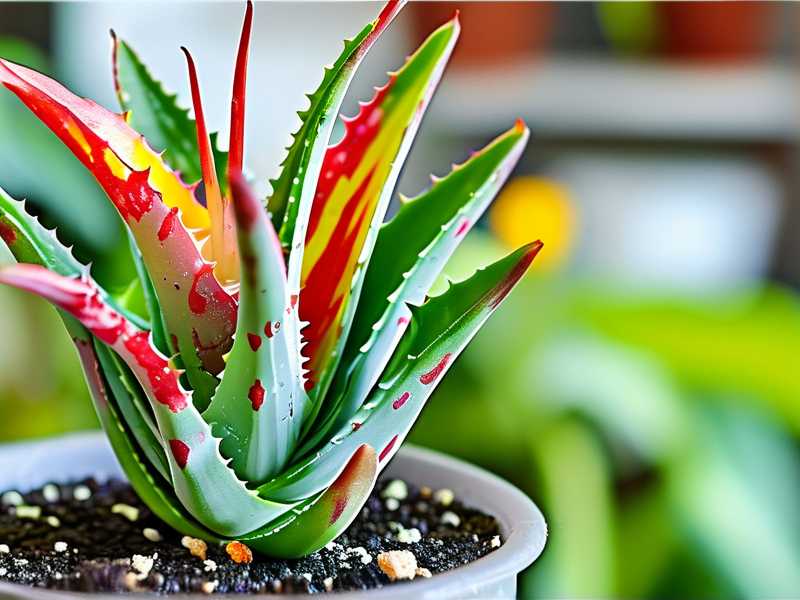
I’ve always considered my aloe vera plant a resilient, low-maintenance friend. That’s why it was such a shock to return from a two-week vacation to find it looking utterly defeated. The once-plump, jade-green leaves were now thin, wrinkled, and had taken on a sad, brownish hue. It was a classic case of severe drought stress. If you’re staring at a parched aloe vera plant right now, don’t despair. I successfully navigated the journey of how to revive aloe vera after drought, and I’m here to guide you through every step, including the mistakes I made along the way.
This process isn’t an overnight fix; it’s a lesson in patient observation. My revival mission took a dedicated two weeks of careful intervention, and the transformation was profoundly rewarding.
Step 1: The Initial Assessment and Diagnosis
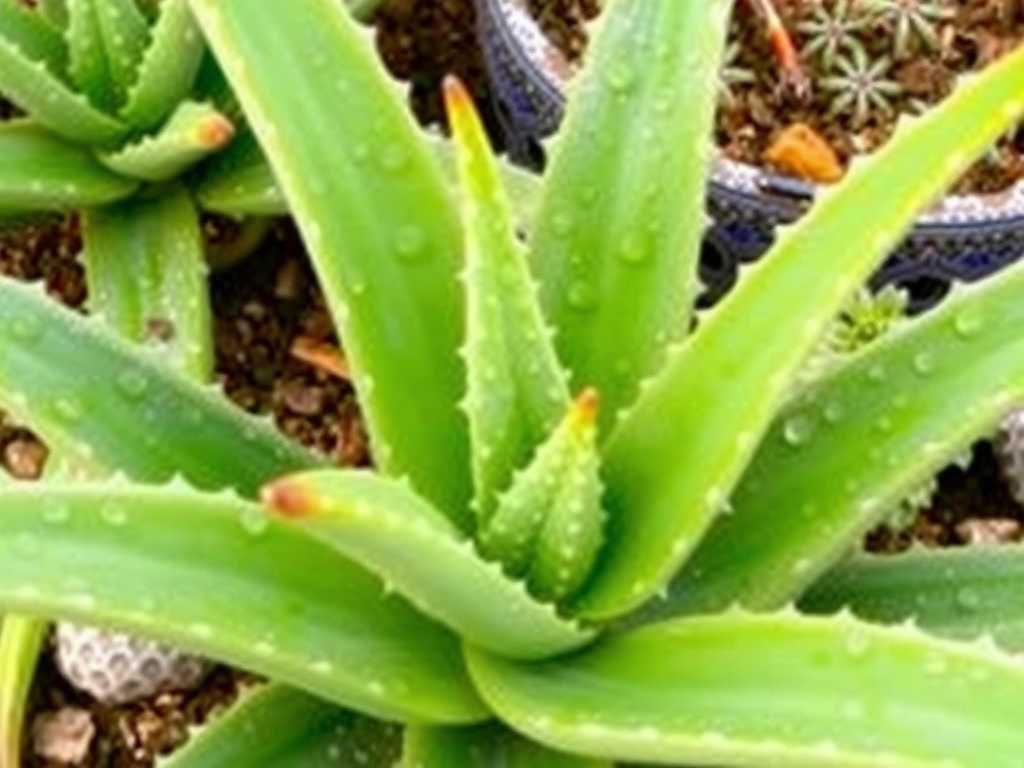
Before any action, take a deep breath and assess the damage. My plant’s leaves were limp and curled inward, a sure sign it had used up its internal water reserves. The soil was bone-dry and had even pulled away from the edges of the pot. Crucially, I checked the base of the stem and roots for rot—sometimes, in a panic, people overwater a dry plant, which can cause a different, fatal problem. My plant’s base was still firm, confirming this was purely a drought issue.
The First Mistake I Almost Made: I was tempted to immediately drown it in water. This is a critical error. A severely dehydrated plant’s roots can be damaged and may not function properly. Flooding them can shock the system or lead to rot.
Step 2: The Gentle Rehydration Technique
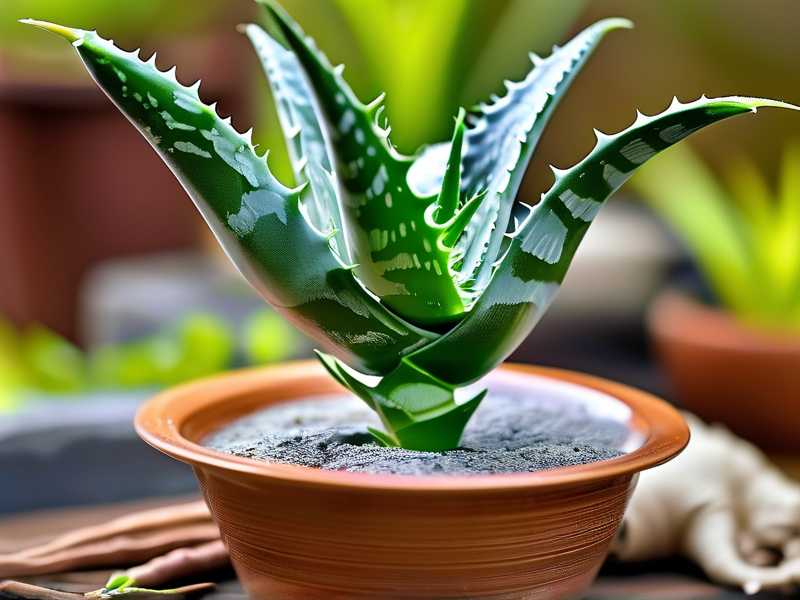
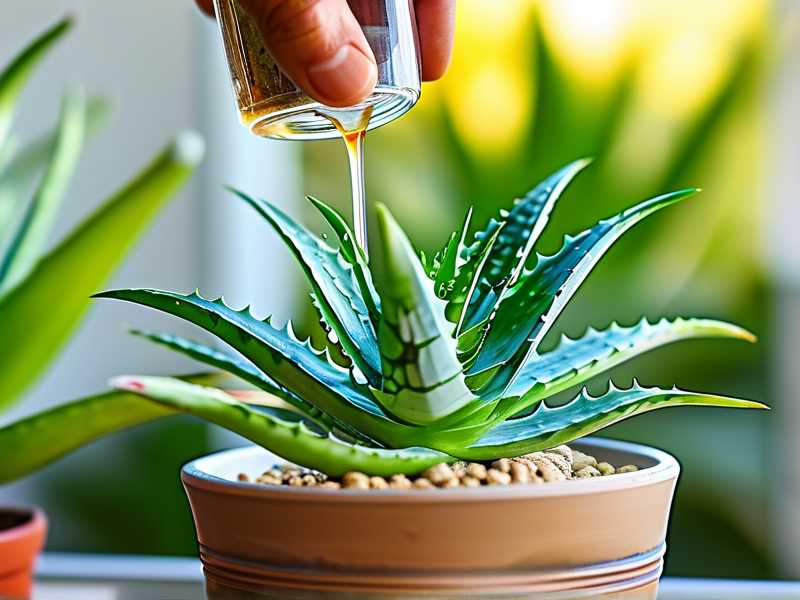
Instead of soaking, I employed a bottom-watering method. I placed the entire nursery pot (with drainage holes) inside a shallow basin filled with about 2 inches of lukewarm, filtered water. Room-temperature water is best to avoid root shock. I let the plant sit there for 45 minutes, allowing the soil to slowly wick up moisture from the bottom.
This technique encourages the roots to grow downward toward the water source and ensures even saturation without waterlogging the surface. After 45 minutes, the topsoil felt moist. I immediately took the pot out of the basin and let it drain completely in the sink for another 30 minutes. No aloe vera likes “wet feet.”
Step 3: Strategic Pruning and Environment
After watering, some leaves were beyond saving—completely brown, papery, and flat. Using a clean, sharp knife, I carefully removed these leaves at the base. This serves two purposes: it redirects the plant’s limited energy toward reviving the healthier tissue and improves air circulation.
I then moved the plant to a bright, indirect light location. A north or east-facing windowsill was perfect. Here was my second big mistake: I initially placed it in direct, hot sunlight, thinking it needed all the energy it could get. The stressed plant couldn’t handle the transpiration demand, and the leaves started to scorch further. I quickly corrected course. A stable, warm environment away from drafts or AC vents is ideal for recovery.
Step 4: The Two-Week Observation and Care Protocol
This is where patience becomes your most important tool. I did not water the plant again on a schedule. I monitored it daily.
Days 1-3: The plant looked largely the same, which was expected. The soil remained lightly moist. I focused on ensuring good air flow.
Days 4-7: This was the turning point. I noticed the faintest return of firmness to the thicker, lower leaves. The deep wrinkles began to soften slightly, though the color was still off. According to the Royal Horticultural Society (RHS), succulents replenish water stores in their cells slowly, and visible improvement often takes several days to manifest. This reassured me that the process was working.
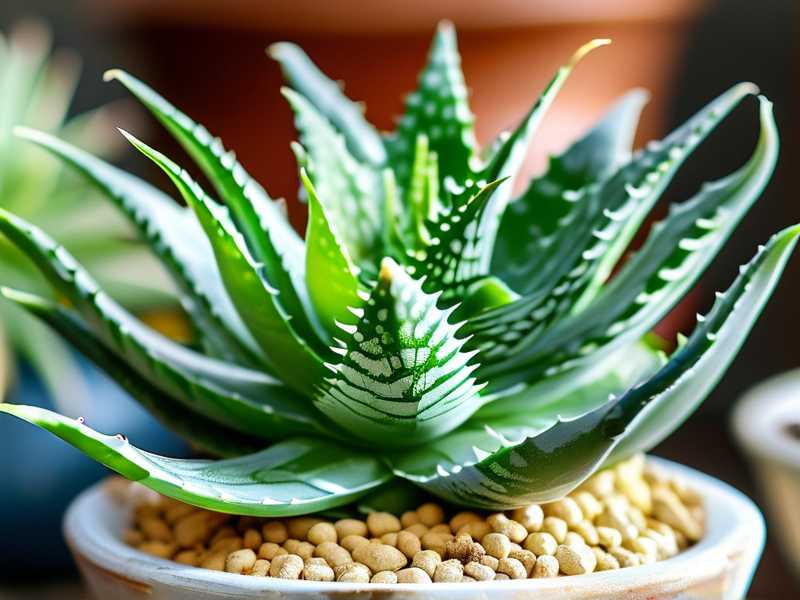
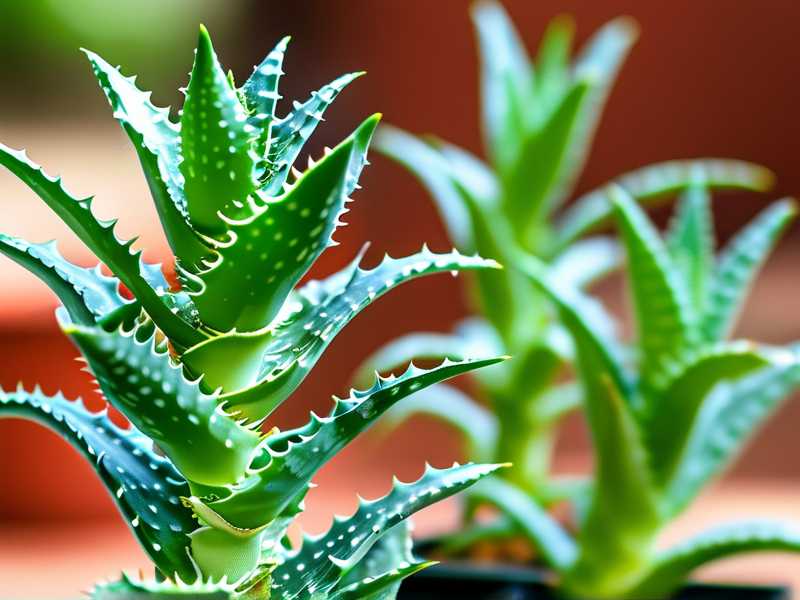
Days 8-14: Steady progress! By the end of the second week, the viable leaves had plumped up significantly, recovering about 70% of their original turgor. Their color shifted from brownish back to a paler, then healthier green. A tiny, new growth point at the center of the rosette showed signs of life—this was the ultimate victory signal.
I only considered a second bottom-watering on day 10, and only because the soil was completely dry two inches down. Overwatering during recovery is the fastest way to kill a surviving aloe.
Step 5: Long-Term Adjustments to Prevent Future Drought Stress
Reviving the plant is only half the battle; understanding why it happened is key to prevention. My mistake was using a dense, moisture-retentive potting mix in a pot that was slightly too large. I repotted the recovered aloe into a container only an inch wider than its root ball, using a specialist succulent and cactus mix blended with extra perlite for supreme drainage. The American Horticultural Society (AHS) emphasizes that proper potting medium is the cornerstone of succulent health, a point I now fully appreciate.
I also established a true “soak and dry” routine: watering deeply only when the soil is completely dry, and always checking with my finger first, not the calendar.
How long does it take for an aloe plant to recover from underwatering? You should see initial signs of improvement (like leaves firming up) within 1-2 weeks, but full recovery to its pre-drought appearance can take a month or more. Patience is non-negotiable.
Can you save a completely brown aloe vera plant? It depends. If the leaves are brown, dry, and crispy, they are dead and should be removed. However, if the central stem and root crown are still firm and have any green or pale color, there is hope. Focus on saving the plant body, not every leaf.
Should I fertilize my aloe vera after drought stress? Absolutely not. Do not fertilize a plant while it is in recovery mode. Fertilizer can burn damaged roots and force growth when the plant needs to conserve energy. Wait until the plant is fully recovered and actively growing, typically for at least 2-3 months.
Watching my aloe vera come back from the brink was a powerful lesson in plant care. The key takeaways are gentle rehydration, immense patience, and correcting the environmental conditions that led to the problem in the first place. By understanding the signs of drought stress and responding with a careful, informed approach, you can successfully nurse your aloe back to vibrant health. Remember, it’s a survivor by nature—sometimes it just needs a little thoughtful help from its caretaker.