bluename
 Aloe Vera for Baby Skin Care: Safe Usage and My Hands-On Journey
As a longtime plant enthusiast and parent, I understand the worry that comes with choosing products for your baby's delicate skin. We want natural solutions, but we also need absolute safety. That's why I turned my attention to aloe vera for baby skin care. For years, I've cultivated my own aloe plants, trusting their gel for minor cuts and sunburns. But when my newborn developed patches of dry, irritated skin, I embarked on a careful, two-week experiment to see if this beloved plant could be a gentle ally. This is my personal account of using fresh aloe vera gel on my baby, detailing every step, the results I observed, and the crucial lessons I learned along the way.
Why I Considered Aloe Vera in the First Place
My baby's skin was going through a typical phase of dryness and occasional redness, especially after baths. While commercial lotions were an option, I was wary of long ingredient lists. I knew pure aloe vera gel was renowned for its soothing, moisturizing, and anti-inflammatory properties, thanks to compounds like polysaccharides and glycoproteins. Organizations like the American Herbal Products Association (AHSA) acknowledge its historical use in topical healing. However, I also knew that "natural" doesn't automatically mean "safe for infants." My mission was to find a way to use it that was as pure and controlled as possible, starting with the plant itself.
My Step-by-Step Process: From Leaf to Skin
This wasn't about buying a bottle off the shelf. My approach was rooted in knowing exactly what was going on my child's skin.
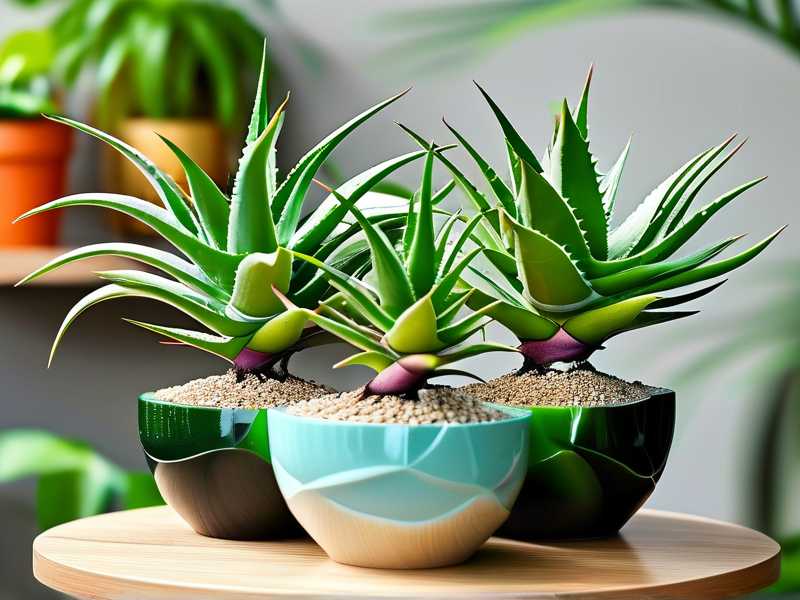
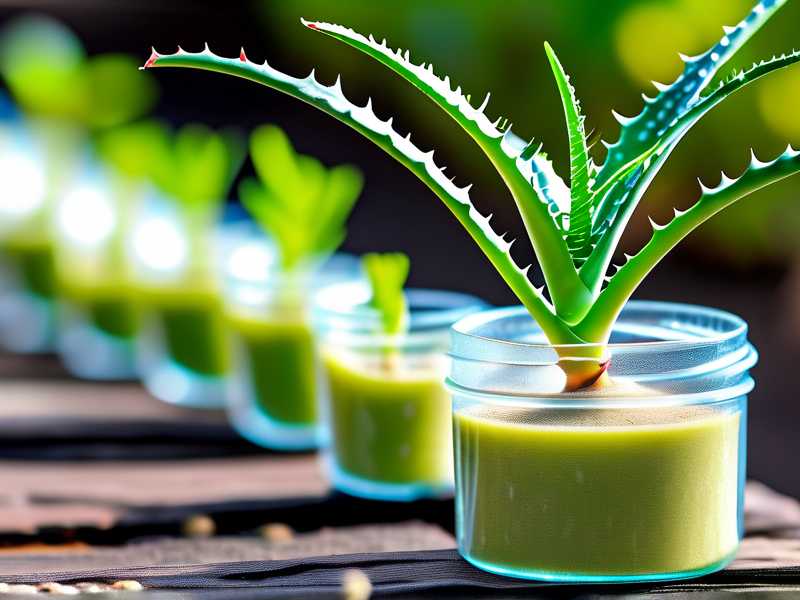
1. Selecting and Harvesting the Leaf I have several mature Aloe barbadensis miller plants (the most common medicinal variety). I chose a thick, healthy outer leaf from a plant I've had for over three years, ensuring it was free from fertilizers or pesticides for at least six months. Using a clean, sharp knife, I cut the leaf at its base, close to the stem.
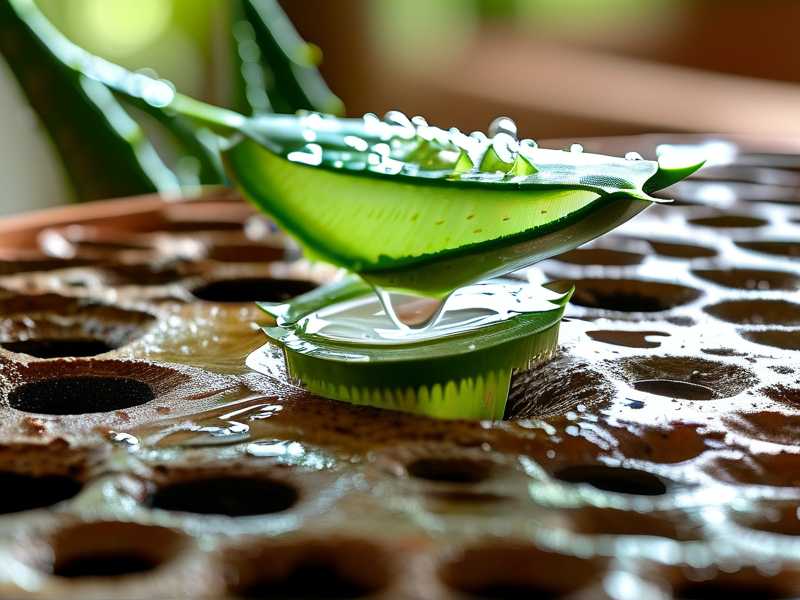
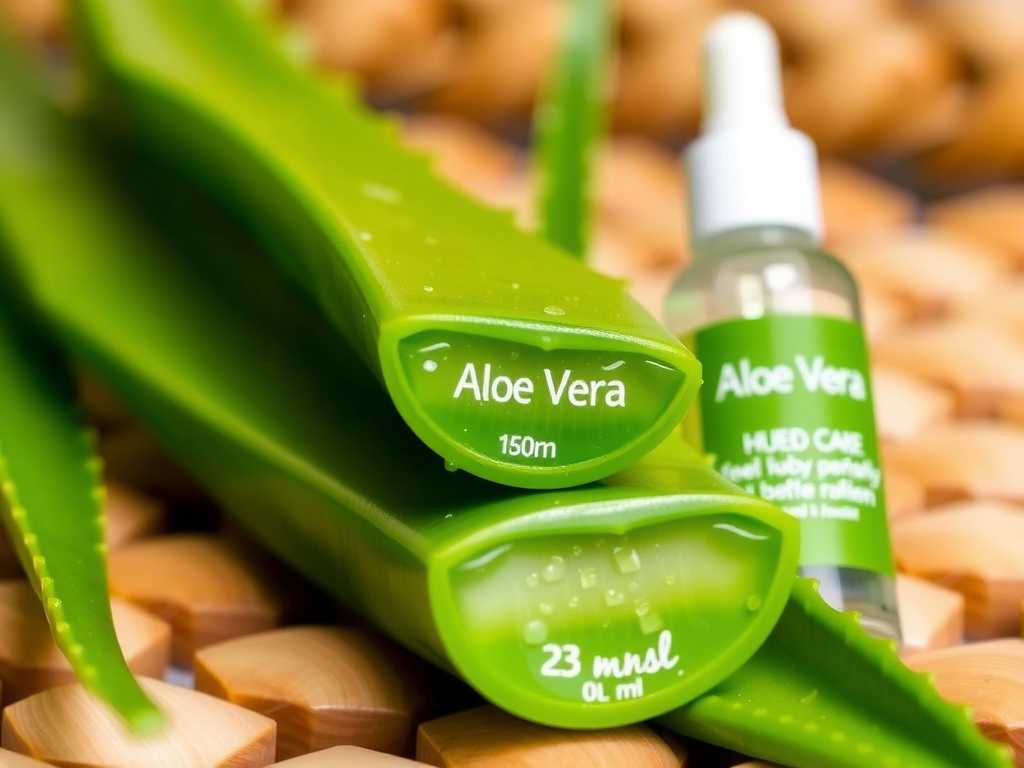
2. Preparing the Pure Gel This is where precision matters. I laid the leaf flat on a clean cutting board and carefully sliced off the serrated edges. Then, I made a shallow, lengthwise cut to fillet the leaf open, laying it flat. The inner gel was exposed—a clear, slightly slimy substance. I used a spoon to meticulously scrape out only the clear inner gel, avoiding the yellowish latex (aloin) that sits just under the green skin. This latex is a potent laxative and skin irritant, and its exclusion is non-negotiable for safe aloe vera use on infants. I placed about two tablespoons of the clear gel into a sterilized glass bowl.
3. The Crucial Patch Test Before any widespread application, a patch test is mandatory. I took a pea-sized amount of the fresh gel and applied it to a small, discreet area on my baby's thigh. I watched for 24 hours for any sign of redness, hives, or unusual dryness. Thankfully, there was no reaction. Without this step, I would never have proceeded.
4. Application Routine For two weeks, I applied a thin layer of the fresh gel once daily, always after my baby's evening bath when his skin was clean and slightly damp. I focused on areas of dryness on his cheeks, arms, and legs. I gently massaged it in until it was absorbed, which happened quickly. The gel felt cool and left no sticky residue. I stored any unused gel in a sealed container in the refrigerator for no more than 48 hours before making a fresh batch.
The Two-Week Observation: What Happened to My Baby's Skin?
The changes were gradual but noticeable.
- Days 1-3: The immediate effect was a calming of visible redness. The cool gel seemed to soothe the irritation instantly after application. The dry patches remained but felt less rough to the touch.
- Days 4-7: By the end of the first week, the persistent dry patches on his legs began to soften significantly. The skin looked more supple and less flaky. There was no worsening of any condition, which was my primary relief.
- Days 8-14: In the second week, the areas treated consistently with aloe vera maintained this improved hydration. A small patch of mild diaper rash that appeared at the edge of the diaper area cleared up faster when I applied a tiny bit of gel there (on intact skin, not broken skin), alongside our usual diaper cream barrier. The skin's overall texture appeared smoother and healthier.
The Pitfalls I Encountered and How I Solved Them
My journey wasn't without its hiccups. Here are the critical problems with using aloe on babies that I personally faced and navigated.
1. The Latex Problem: My Biggest Scare During my second gel preparation, I was less careful with my spoon. I realized I had scraped a tiny amount of the yellowish latex into my gel batch. I applied it, and within an hour, my baby's skin where the gel was applied showed heightened redness and a few tiny bumps. I was alarmed. I immediately washed the area thoroughly with cool water and applied a simple, fragrance-free moisturizer I knew he tolerated. The reaction subsided within a few hours. The Solution: This reinforced my rule: when preparing aloe vera gel for sensitive baby skin, you must be surgical in separating the clear gel from the leaf. I now cut the green skin off completely before scooping, leaving no room for error.
2. Freshness and Contamination Around day five, I had left a small batch in the fridge for three days. When I went to use it, I noticed a slight change in smell and a watery separation. I discarded it immediately. The Solution: Fresh aloe vera gel is a perishable food product. I adopted a "make fresh, use fast" policy, never keeping a batch for more than two days and always storing it in a perfectly clean, airtight container. This is essential for treating baby eczema with natural remedies safely.
3. Managing Expectations Aloe vera was excellent for general dryness and mild irritation, but it is not a cure-all. For a more persistent, crusty patch, the gel provided comfort but did not make it disappear magically. The Solution: I viewed aloe vera as a superb, natural moisturizing and soothing agent within a broader skin care regimen—not as a standalone medical treatment. For any severe or worsening condition, consulting a pediatrician is paramount.
Frequently Asked Questions
Can I use store-bought aloe vera gel for my baby? You must be extremely cautious. Many commercial gels contain alcohol, fragrances, preservatives, and colorants that can irritate infant skin. If you choose a commercial product, it must be labeled as 100% pure aloe vera gel, fragrance-free, and ideally, approved for use on infants. Reading the ingredient list is non-negotiable. My preference, based on experience, is a controlled, fresh preparation.
At what age can I start using aloe vera on my baby? There is no official consensus, but most pediatric sources suggest avoiding any non-essential topical applications on newborns under one month old. I began my patch test when my baby was over three months old for mild dryness. Always, always perform a patch test and discuss it with your child's doctor, especially for very young infants.
Is aloe vera safe for baby's face? Yes, with extreme care. Avoid the immediate eye area. I applied it to my baby's cheeks where he had dry patches, but I kept it away from his eyelids and lips. The skin on the face is delicate, so use a minimal amount and monitor closely.
My two-week experiment with fresh aloe vera gel was ultimately a positive one. It provided a gentle, effective way to hydrate and soothe my baby's mild skin irritations. The key takeaways are purity, preparation, and patience. By sourcing the gel directly from my plant, meticulously avoiding the latex, and adhering to strict freshness rules, I created a safe natural product. Remember, a baby's skin is a unique landscape; what works perfectly for one may not for another. Aloe vera can be a wonderful tool in your natural baby skin care toolkit, but it must be used with informed caution, close observation, and a commitment to absolute safety above all else.