bluename
 Aloe Vera for Acne: Your Complete Spot Treatment Guide
Are you tired of the endless cycle of breakouts, harsh chemical treatments, and the lingering marks they leave behind? You're not alone. The search for a gentle yet effective solution to acne is a common struggle. What if the answer could be found in a natural, time-tested plant sitting on your windowsill? Aloe vera, celebrated for its soothing properties, is emerging as a powerful ally in the fight against acne. This guide will walk you through exactly how to use aloe vera for acne, transforming it from a simple gel into a targeted spot treatment that calms inflammation, fights bacteria, and promotes healing without stripping your skin.
Why Aloe Vera Works on Acne-Prone Skin
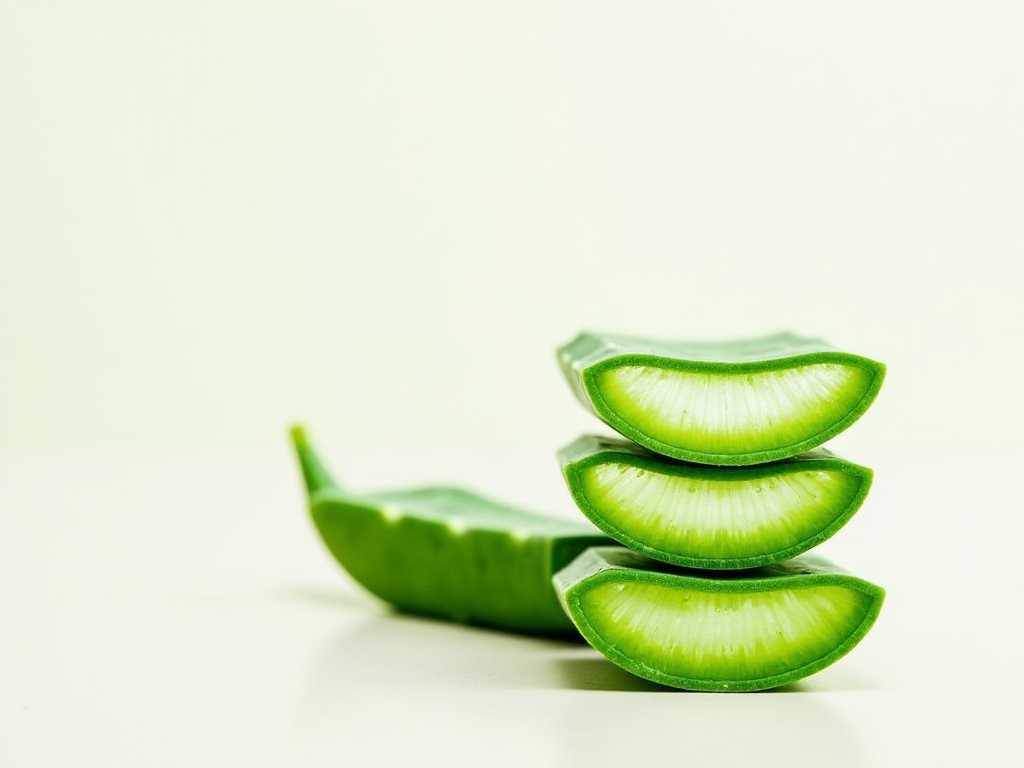
Before diving into the methods, it's crucial to understand the science behind aloe vera's effectiveness. It's not just folk medicine; modern research supports its role in skincare. Aloe vera gel, extracted from the inner leaf of the plant, is a complex cocktail of over 75 active compounds, including vitamins, enzymes, minerals, sugars, and amino acids. For acne-prone skin, several key properties make it exceptional.
First, its potent anti-inflammatory action is a game-changer. Acne is, at its core, an inflammatory condition. Aloe vera contains compounds like gibberellin and glucomannan that help reduce the redness, swelling, and pain associated with angry pimples and cysts. By calming the skin's immune response, it helps lesions heal faster and appear less noticeable.
Second, aloe vera possesses natural antimicrobial and antibacterial qualities. Studies have shown it can inhibit the growth of Propionibacterium acnes, the primary bacteria involved in acne development. While not as aggressive as prescription antibiotics, this gentle action helps create an environment less conducive to bacterial overgrowth.
Finally, its remarkable wound-healing and moisturizing capabilities set it apart from many conventional acne spot treatments. Unlike benzoyl peroxide or salicylic acid, which can be drying, aloe vera is deeply hydrating. It contains polysaccharides that help repair the skin barrier and promote the growth of new, healthy cells. This is vital for healing existing blemishes and preventing the scarring and post-inflammatory hyperpigmentation (dark spots) that often follow breakouts.
Choosing the Right Aloe Vera: Fresh Plant vs. Store-Bought Gel
The effectiveness of your aloe vera acne treatment starts with the quality of the ingredient itself. You have two main options, each with pros and cons.
Using a Fresh Aloe Vera Leaf This is the purest form. To use it, cut a thick, mature leaf from the plant, rinse it, and slice it open lengthwise. Scoop out the clear inner gel fillet, avoiding the yellow latex (aloin) near the rind, which can be a skin irritant. Blend the gel briefly to achieve a smooth consistency.
- Pros: Maximum potency, no preservatives, additives, or fillers.
- Cons: Requires a plant, preparation time, and the fresh gel spoils quickly (store in an airtight container in the fridge for 5-7 days).
Selecting a High-Quality Store-Bought Gel If you don't have a plant, a commercial gel is a convenient alternative. However, you must be a label detective. Dr. Anya Patel, a board-certified dermatologist, advises, "Look for gels labeled as 99-100% pure aloe vera. The ingredient list should be short, with 'Aloe Barbadensis Leaf Juice' listed first. Avoid products loaded with alcohol, artificial colors, and fragrances, as these can counteract aloe's benefits and irritate sensitive, acne-prone skin."
Your Step-by-Step Aloe Vera Spot Treatment Routine
Consistency is key. Follow this simple routine to tackle individual pimples as they appear.
1. Cleanse Gently Start with a clean canvas. Wash your face with a mild, non-comedogenic cleanser and pat dry with a clean towel. This removes surface oil and debris, allowing the aloe to penetrate effectively.
2. Apply a Targeted Aloe Vera Mask Take a small amount of pure aloe vera gel (about a pea-sized drop for each spot) and dab it directly onto the pimple. For a more intensive treatment, you can create a quick mask:
- Mix 1 teaspoon of aloe vera gel with a pinch of turmeric (a powerful anti-inflammatory) or a drop of tea tree oil (for added antibacterial punch).
- Apply this mixture solely to the blemish and let it sit for 10-15 minutes.
- Rinse off with cool water.
3. Moisturize and Protect After rinsing or letting the pure gel absorb (it dries down slightly sticky), apply your regular oil-free moisturizer. During the day, this must be followed by a broad-spectrum sunscreen. Aloe vera can make skin more photosensitive, and sun protection is non-negotiable to prevent dark spots from worsening.
Advanced Aloe Vera Blends for Stubborn Acne
For persistent or inflamed acne, you can boost aloe vera's power by combining it with other natural agents. Always patch test first.
For Inflamed, Red Blemishes: Combine aloe gel with a drop of chamomile essential oil or a teaspoon of cooled green tea. Both are rich in antioxidants that soothe irritation.
For Bacterial Breakouts: Mix aloe with a drop of manuka honey. Honey has strong antimicrobial properties and adds extra moisturizing power, creating a potent healing paste.
For Healing and Scar Prevention: Blend aloe vera gel with a drop or two of rosehip seed oil. Rich in vitamins A and C, rosehip oil supports skin regeneration and can help improve the texture and color of acne scars over time.
What to Expect: Realistic Results and Precautions
Aloe vera is a treatment, not an overnight miracle. You may notice reduced redness and swelling within a few hours of application. With consistent use, pimples may heal faster, and new breakouts could become less frequent due to the improved skin environment. However, for severe cystic acne, aloe vera should be used as a supportive therapy alongside professional medical advice, not as a sole replacement for prescription treatments.
Some individuals may be allergic to aloe vera. Discontinue use immediately if you experience increased redness, itching, or a rash. As with any new skincare product, conducting a patch test on a small area of your inner arm 24 hours before facial use is wise.
Frequently Asked Questions
Can I leave aloe vera on my face overnight for acne? Yes, you can. Applying a thin layer of pure aloe vera gel to treated spots or even the entire face overnight allows for deep absorption and continuous soothing. It acts as a light, non-comedogenic moisturizer that won't clog pores.
Is aloe vera or tea tree oil better for acne? They work well together but have different strengths. Tea tree oil is a stronger antibacterial agent, making it excellent for killing acne-causing bacteria. Aloe vera excels at reducing inflammation and healing damaged skin. Using them in tandem—like adding a drop of tea tree oil to an aloe vera base—can be a highly effective natural spot treatment strategy.
How long does it take for aloe vera to clear acne scars? Aloe vera can help fade post-inflammatory hyperpigmentation (dark marks) and improve skin texture due to its healing properties, but it requires patience. Consistent application over several weeks to months is typically needed to see visible improvements in scar appearance. It is more effective on newer marks rather than old, pitted scars.
Aloe vera offers a gentle, multifaceted approach to managing acne. By harnessing its anti-inflammatory, antimicrobial, and healing powers, you can create an effective spot treatment that addresses not just the pimple but the skin's overall health. Remember, success lies in using high-quality aloe, being consistent with your routine, and pairing it with a solid foundation of gentle cleansing and sun protection. For those navigating the frustrating journey of breakouts, this natural remedy provides a soothing, evidence-backed path to clearer, calmer skin.