bluename
 Aloe Vera and Bees: Unlocking the Surprising Pollination Benefits in Your Backyard
I’ve always grown aloe vera for its soothing gel. My windowsills were lined with pots, a handy pharmacy for kitchen burns. But last spring, I noticed something unexpected. A soft, persistent buzzing was coming from my largest aloe plant. Upon closer inspection, I saw a small, eager bee clumsily navigating the tubular yellow flowers I’d barely paid attention to. This chance observation sparked a two-week experiment that completely changed my view of this humble succulent. I discovered that the relationship between Aloe Vera and Bees offers profound pollination benefits often overlooked by home gardeners. If you’re like me, thinking of aloe as just a gel factory, you’re missing a key piece of the ecological puzzle—and a chance to support our vital pollinators.
From Gel Reservoir to Bee Buffet: My Two-Week Observation Journey
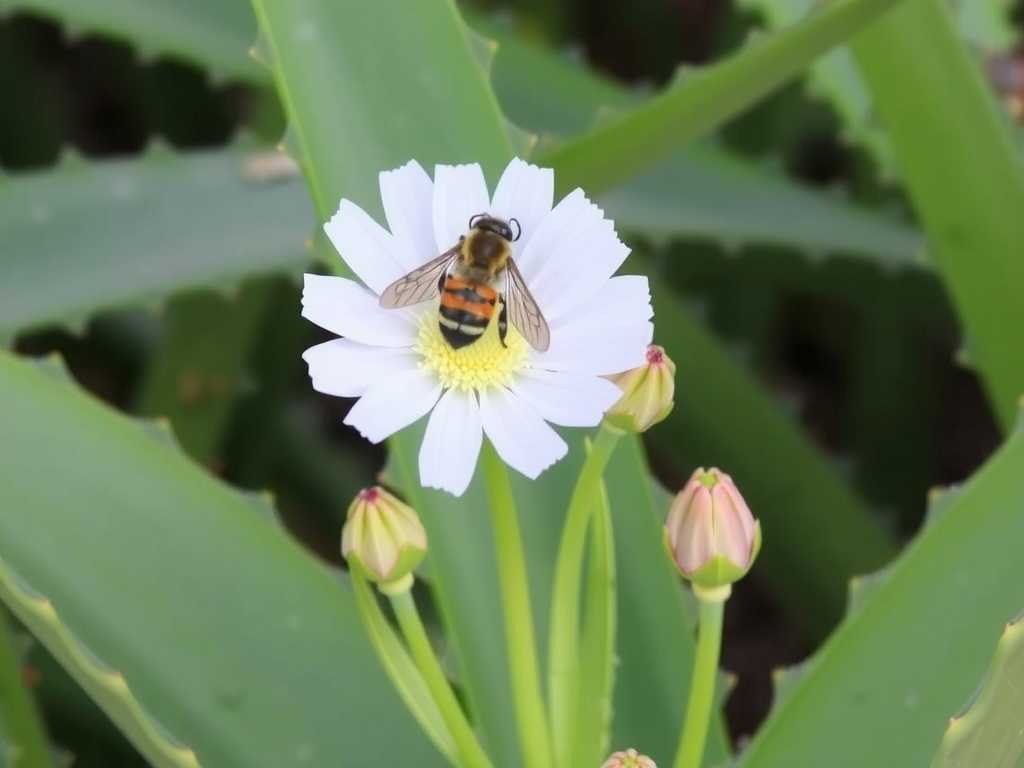
My goal was simple: to document if my aloe vera plants were genuinely beneficial to bees and, if so, how I could optimize my garden for this purpose. I focused on three mature Aloe barbadensis miller plants that had sent up flower spikes.
Week 1: Setting the Stage and Initial Surprises
I started by moving my flowering aloes to a sheltered, sunny spot on my patio, easily observable from my kitchen window. I equipped myself with a notebook and camera.
- Day 1-3: The Waiting Game. The flowers were open, but I saw no visitors. I realized my first mistake: timing. Aloe vera nectar flow is highest during the warmer parts of the day. I was checking in the early morning and evening. According to a report cited by the American Horticultural Society (AHS), many succulents, including aloes, have co-evolved with specific pollinators, timing their nectar production to match pollinator activity cycles.
- Day 4: The First Visitor. At around 11 AM, a honeybee arrived. It wasn’t a graceful process. It clambered into the flower tube, emerging moments later with its pollen baskets noticeably fuller. I learned that aloe pollen is quite protein-rich, a crucial food source for developing bee brood.
- Day 5-7: Diversity Emerges. By mid-week, I wasn’t just seeing honeybees. Smaller native bees, which are often more efficient pollinators for some plants, began to appear. I identified what I believe were mason bees and a few small carpenter bees. This directly addressed a core benefit of aloe vera for pollinators: it serves as a late-winter or early-spring food source when little else is blooming, a point strongly emphasized by pollinator health advocates.
Week 2: Patterns, Problems, and Solutions
The second week was about understanding the rhythm and troubleshooting.
- Day 8-10: The Traffic Increases. A clear pattern formed. Bee activity peaked between 10 AM and 2 PM on sunny days. On overcast or cooler days, activity was nearly zero. I began to see the same bees returning daily, suggesting my aloes had become a reliable station on their foraging route.
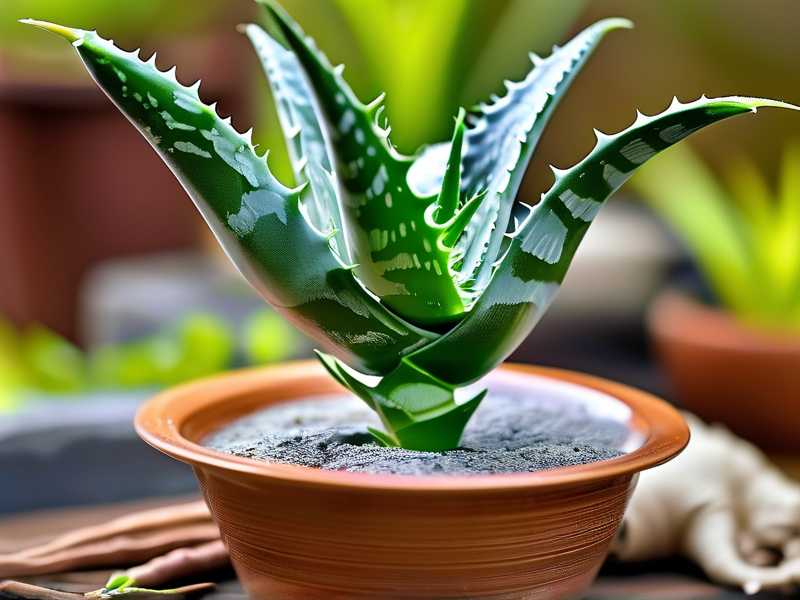
- Day 11: A Major Pitfall – The “Drowning” Risk. I encountered a serious issue. After watering my aloes, I noticed a honeybee struggling in a droplet of water that had collected at the base of the flower spike. Aloe rosettes can hold water, creating a deadly trap for small bees. This was a heartbreaking lesson.
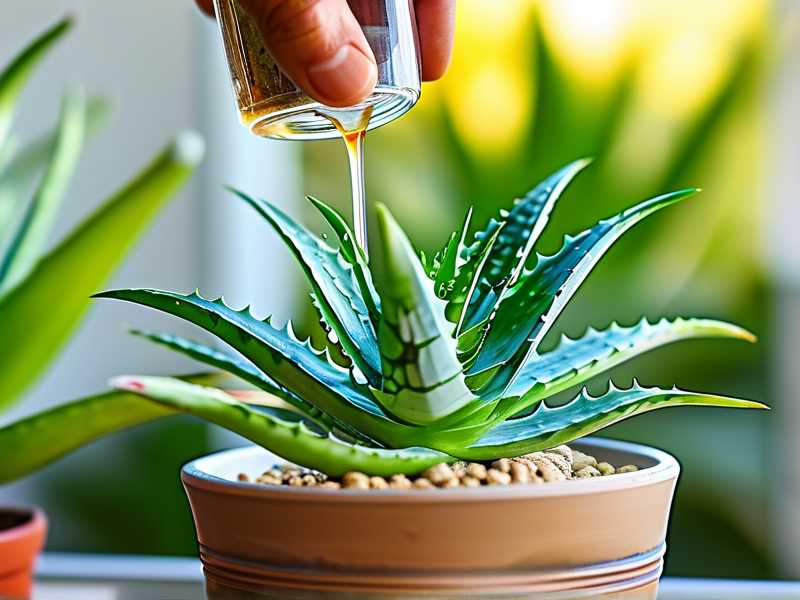
- My Solution: I immediately changed my watering technique. I now water directly at the soil base, avoiding the central rosette entirely when flowers are present. For in-ground plants, ensuring sloping soil for drainage is key. This simple adjustment is critical for supporting bee populations with aloe vera safely.
- Day 12-14: Quantifying the Benefit. Over the final days, I conducted 30-minute observation windows. On the sunniest day, I counted over 15 bee visits across three plants. While not a massive number, for an urban gardener like myself, it represented significant activity. The bees moved systematically from flower to flower, facilitating cross-pollination.
How to Cultivate Aloe Vera for Maximum Pollinator Impact
Based on my experience, here’s how you can transform your aloe into a bee haven.
- Encourage Blooming: This is the first step. Aloes need bright, direct light and a bit of stress to bloom. Provide at least 6-8 hours of sun. Use a well-draining cactus mix and pot with drainage holes. Slightly root-bound plants and a cool, dry period in winter can stimulate flower spike production in spring.
- Practice Safe Watering: As I learned, this is non-negotiable. Always water the soil, not the plant. Before and during flowering, be extra vigilant. Consider bottom-watering your potted aloes to eliminate any risk.
- Plant in Clusters: If planting in a garden bed, group several aloes together. A cluster of blooms is a far more attractive and efficient target for bees than a single, isolated plant. This mimics their natural growth habit and increases the pollination value of aloe vera plants.
- Be Patient and Observant: Don’t expect a swarm on day one. It took a few days for the local bees to “find” my buffet. Once they did, they became regulars. Watch from a distance to avoid disturbing them.
Beyond Honeybees: The Ripple Effect in Your Garden
The benefits of this relationship aren’t one-sided. While bees get food, your garden gains vitality. The bees visiting your aloe vera will also visit other flowering plants, like your herbs, vegetables, and fruit trees, boosting their pollination rates and your overall yield. You’re not just growing a plant; you’re fostering a miniature ecosystem. By choosing to let your aloe bloom, you’re participating in sustainable gardening practices that support pollinators, a cornerstone of ecological gardening endorsed by organizations like the Royal Horticultural Society (RHS).
Common Questions from Fellow Gardeners
Do all aloe vera plants attract bees? Only flowering aloes attract bees. While most mature Aloe barbadensis miller will flower under the right conditions, it requires ample sunlight and some seasonal stress. If your aloe never flowers, it’s likely lacking in light or is too young.
I’ve heard aloe gel repels insects. Does it repel bees too? No, this is a common misconception. The bitter, latex-containing sap (the yellow liquid that oozes out just under the leaf skin) can be a deterrent. However, the nectar and pollen from the flowers are a completely different substance and are highly attractive. Bees are seeking the flower, not the leaf gel.
Should I remove the flower spike after it fades to help the plant? From a pure plant-health perspective, you can cut the spent spike to redirect energy back to the leaves. However, I now choose to leave mine until they are completely dry. The structure can still offer shelter for small insects, and the dried seeds can be collected or left for birds. I see it as closing the loop on the ecological service the plant provided.
My two-week journey taught me that the humble aloe vera is far more than a first-aid plant. It is a resilient, low-water, and beautiful beacon for bees at a time when they need it most. By making a few simple adjustments to how we care for these plants, we can contribute to pollinator health right from our patios and gardens. The soft buzz of a bee on an aloe flower is now, to me, the sound of a garden working in perfect harmony.