bluename
 Can Aloe Vera Grow in a Green Wall? My 2-Week Experiment
I love the idea of a living wall. It’s a stunning way to bring nature indoors, purify the air, and create a focal point. But as a plant enthusiast with a particular fondness for succulents, one question kept nagging at me: can aloe vera grow in a green wall? Everything I knew about aloe—its need for sharp drainage, its dislike for wet feet—seemed to clash with the typical vertical garden setup. Most guides focus on ferns and pothos. So, I decided to run a real-world test. For two weeks, I integrated aloe vera plants into a modular green wall system, documenting every step, challenge, and result. Here’s my honest, hands-on journey.
Why Even Consider Aloe Vera for Vertical Gardens?
Before we dive in, let’s address the elephant in the room. Aloe vera is a desert succulent. Traditional green walls often rely on moisture-loving plants. The core conflict is irrigation versus drainage. However, the appeal is strong. Aloe is low-maintenance, has air-purifying qualities, and offers that handy gel. If we could make it work, it would open up succulent vertical gardens for sunny, dry spaces. My goal was to find a system that could support aloe vera in vertical planters without causing root rot.
My Setup: Choosing the Right System and Plants
I knew success hinged on mimicking aloe’s natural habitat as closely as possible. A standard felt-pocket system was out—it stays too damp.
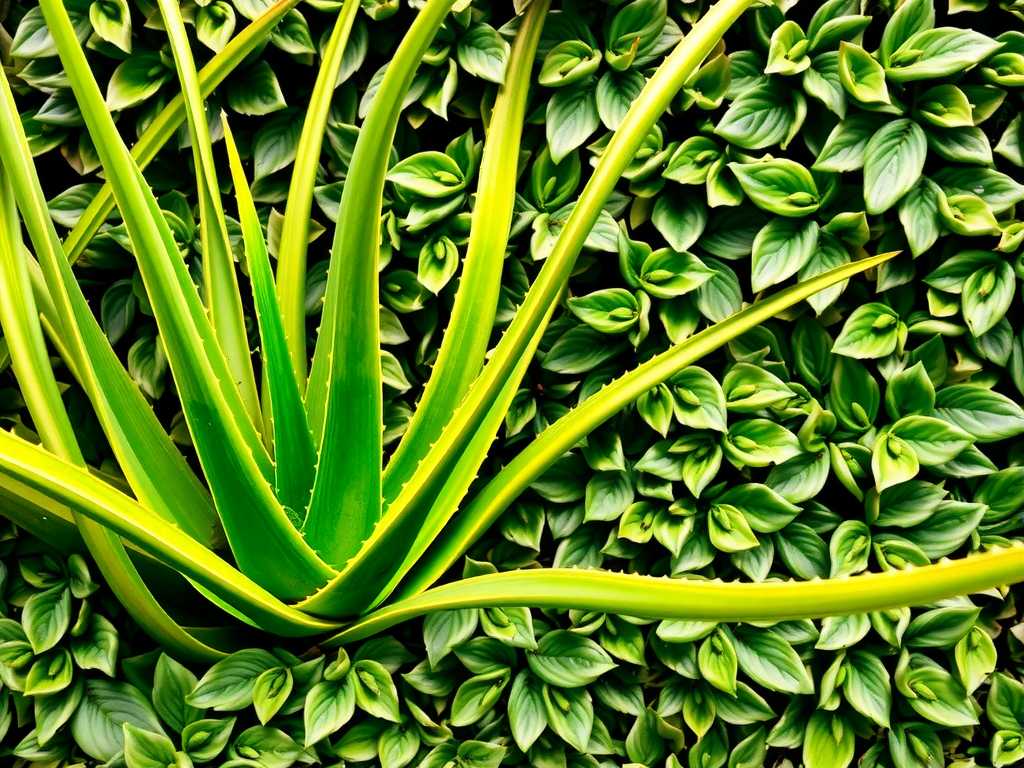
1. The Vertical Planter System: After research, I chose a modular, rigid plastic panel system with individual planting cells. Each cell had a large drainage hole at the bottom. This was non-negotiable. The system was designed for drought-tolerant vertical gardens, which gave me hope.
2. The Growing Medium: This was the most critical part. Regular potting soil would be a death sentence. I created a custom mix:
- 50% coarse succulent & cactus mix
- 30% perlite
- 20% orchid bark (for extra chunkiness) The result was an incredibly fast-draining, airy medium.
3. The Plants: I selected young, healthy Aloe vera pups, not large mature plants. Their smaller root systems would adapt better. I gently brushed off old soil and let the roots air-dry for a few hours before planting.
4. Installation: I mounted the panel on a sunny, south-facing wall indoors, receiving about 6 hours of bright, indirect light. I carefully planted one pup per cell, ensuring the base of the plant wasn’t buried too deeply. I did not water them in immediately.
The 2-Week Observation Log: Triumphs and Troubles
This is where the real story unfolded. I monitored the wall daily.
Days 1-3: The Settling-In Period The aloes looked fine, if a little static. The soil was bone dry. On day 3, I gave them their first deep watering. I used a long-spouted watering can to direct water to the base of each plant, not the leaves. The key was to water until it dripped freely from the drainage holes—and then stop. Within an hour, no visible moisture remained in the trays below. Success! The drainage was working.
Days 4-7: The First Challenge Appeared By day 5, I noticed the aloes in the top-row cells were slightly puckering, showing early signs of thirst. The bottom-row plants looked plump. The water distribution in vertical gardening was uneven—gravity was pulling water down through the panel, leaving the top drier. This is a known issue I hadn’t fully accounted for.
- My Solution: I adjusted my watering technique. I now watered the top row twice as long as the bottom row, allowing the water to trickle down. I also inserted a simple moisture meter into a top cell to guide me, waiting until it read “dry” before watering again.
Days 8-14: Stability and Signs of Growth With the adjusted watering routine, the plants stabilized. No more signs of thirst or, more importantly, overwatering (like yellowing or mushy leaves). By the end of week two, I was thrilled to see the very tips of the central leaves on most plants showing a faint, fresh green—a clear sign of new growth! They were not just surviving; they were acclimating.
Key Lessons and How to Avoid the Pitfalls
My experiment proved that growing aloe vera in a green wall is possible, but it’s not a simple plug-and-play. Here are the big takeaways:
Pitfall 1: Assuming All Green Walls Are the Same The biggest mistake would be to use a water-retentive system. Felt pockets or dense mats are a hard no.
- Fix: Invest in a modular system with isolated, drainable cells for each plant. It’s the only way to control soil conditions.
Pitfall 2: Using Standard Potting Soil This will trap water around the roots, leading to rapid rot.
- Fix: Create that gritty, chunky mix I used. A study cited by the Royal Horticultural Society (RHS) on succulent care emphasizes the paramount importance of “open, free-draining compost” to prevent root diseases. My mix put that into practice.
Pitfall 3: One-Size-Fits-All Watering Watering the whole wall uniformly will create a moisture gradient.
- Fix: Water from the top down, giving the upper tiers more attention. Always do the “finger test” in a few different cells at various heights. The American Horticultural Society’s (AHS) guidelines for container gardening stress that “watering needs can vary dramatically within a single container based on sun exposure and drainage,” a principle that applies tenfold to vertical containers.
Pitfall 4: Insufficient Light Aloe needs bright light to thrive and use up water efficiently.
- Fix: Position your wall in a very bright spot. If growth becomes elongated and pale (etiolation), it needs more sun. A south or west-facing exposure is ideal.
Frequently Asked Questions
How often should I water my vertical aloe wall? There is no set schedule. In my bright indoor setup, I watered approximately every 10-12 days during the experiment. The only reliable method is to check the soil dryness in the top and middle cells. When it’s completely dry an inch down, it’s time for a thorough, deep watering.
Can I use other succulents with aloe in a green wall? Absolutely. Echeveria, Sedum, and Haworthia have similar needs. Stick to the same well-draining soil principle. Creating a drought-tolerant vertical garden with a mix of textures and colors can be stunning. Just ensure they all have similar light and water requirements.
Is a vertical garden bad for aloe vera plants? Not if set up correctly. The potential issue is chronic wetness, not the vertical orientation itself. In fact, the excellent air circulation around a vertical panel can help soil dry faster than in a crowded horizontal pot, which can be a benefit. The challenge is managing the irrigation logistics.
My two-week deep dive was an enlightening success. The aloe plants are not only alive but are pushing out new growth, confirming that with the right system, the right soil, and attentive, tailored watering, you can absolutely grow aloe vera in a green wall. It demands more initial thought than simply plopping a pothos into a pocket, but the unique, architectural result is worth the effort. It transforms a sun-drenched blank wall into a living, functional piece of art. If you’re willing to listen to your plants and adapt, a thriving succulent wall is within your reach.