bluename
 Aloe Vera Nutrient Deficiency: Nitrogen Deficiency Signs and How I Fixed It
I’ve always prided myself on having a green thumb, especially with my collection of resilient aloe vera plants. They’re supposed to be easy, right? That’s what I thought until I noticed something was deeply wrong with my oldest, most trusted plant. Its once plump, vibrant green spears were fading to a sickly pale yellow, and new growth was practically non-existent. After some frantic research and consultation, I pinpointed the culprit: a classic case of aloe vera nitrogen deficiency. This wasn't just about looks; nitrogen is the engine for chlorophyll and growth. Without it, the plant was essentially starving. If you're seeing similar signs, stick with me. I’ll walk you through exactly how I diagnosed, treated, and nursed my aloe back to health over a focused two-week period, including every mistake I made along the way.
Understanding Nitrogen's Role and the Telltale Signs of Shortage
Nitrogen is a mobile nutrient, meaning the plant will relocate it from older leaves to support new growth when it's scarce. This mobility creates a very specific symptom pattern. According to resources from the Royal Horticultural Society (RHS), nitrogen is fundamental for protein synthesis and is a major component of chlorophyll, the green pigment essential for photosynthesis.
The signs in my aloe were textbook, developing gradually:
- Chlorosis in Mature Leaves: The most glaring sign was the uniform light green to yellow discoloration starting on the older, outer leaves. It wasn't spotty; the entire leaf lost its deep jade color.
- Stunted New Growth: The center of the plant, where new leaves emerge, seemed frozen. Any new spears were thin, weak, and already pale.
- General Lack of Vigor: The plant just looked "tired." The leaves, while still somewhat fleshy, lacked their characteristic firm, upright posture.
It was crucial to rule out other issues. Overwatering, for instance, can cause yellowing but usually starts with soft, mushy bases. My plant's soil was bone dry, and the leaves were firm, just pale. This confirmed my suspicion of a nitrogen deficit in aloe vera.
My Step-by-Step Rescue Mission: Diagnosis and Treatment
I decided to tackle this methodically, knowing aloe plants are sensitive to overcorrection.
Week 1: Assessment and Initial Correction
Day 1-2: The Soil Test and Repotting Blunder My first instinct was to repot with fresh soil. I used a standard cactus mix, assuming it would be sufficient. Here was my first major坑 (pitfall): I didn't check the fertilizer composition. After repotting, I learned that some "fresh" potting soils can actually be low in immediately available nitrogen. I had stressed the plant with a repot for minimal nutrient gain. The RHS advises against repotting a stressed plant unless the soil is severely degraded.
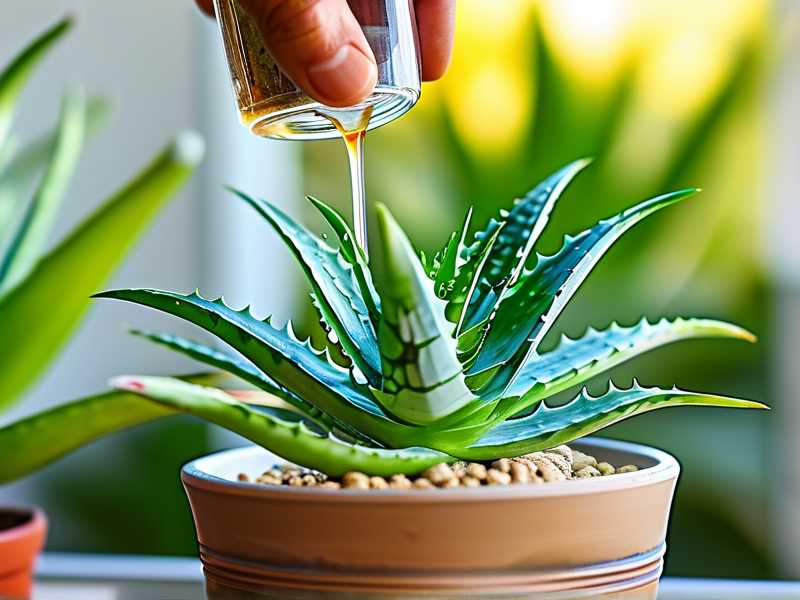
Day 3: Course Correction with Liquid Fertilizer Admitting my mistake, I turned to a liquid solution. I chose a balanced, water-soluble fertilizer (with an equal NPK ratio like 5-5-5) but diluted it to half the recommended strength—a critical step for succulents. I thoroughly watered the plant with this solution, ensuring even soil saturation. My goal was to provide a gentle, readily available source of nitrogen without shocking the roots.
Day 4-7: The Waiting Game and Environment Check I placed the plant in bright, indirect light (direct sun could further stress it) and resisted the urge to water or fertilize again. Over-fertilization, or excess nitrogen for aloe vera, can cause its own set of problems like weak, leggy growth. I monitored daily for any signs of improvement or distress.
Week 2: Observation and the First Glimmers of Hope
Day 8-10: Subtle Shifts By the end of the first week, I saw no dramatic changes, which I expected. Nitrogen uptake and redistribution take time. However, the plant's decline had halted. No new yellowing appeared, and the existing pale leaves weren't worsening. This stabilization was my first positive sign.
Day 11-14: Color Returns and New Life This was the breakthrough period. I noticed a faint but definite green hue returning to the veins and bases of the younger, central leaves. It wasn't a full recovery, but it was a clear reversal. Most excitingly, the very center of the rosette showed renewed activity—a hint of a new, tightly packed leaf beginning to form. The symptoms of nitrogen deficiency in aloe plants were slowly receding.
Key Lessons and Solutions from My Mistakes
- Don't Jump to Repotting: Repotting is stressful. Unless the soil is hydrophobic or contaminated, try correcting the nutrient deficiency in situ first. A soil test kit (which I later purchased) is a small investment for accurate diagnosis.
- Less is More with Fertilizer: Aloe vera has low nutritional needs. Using a full-strength fertilizer, especially on a deficient plant, can cause root burn. Always dilute. The American Horticultural Society (AHS) emphasizes that succulents benefit from "weak, weekly" feeding during growth periods, which aligns with my half-strength approach.
- Patience is Non-Negotiable: Plants operate on their own timeline. I expected results in days, but it took nearly two weeks to see clear evidence of recovery. Consistent, gentle care beats aggressive intervention every time.
- Watering Practices Matter: I realized I had been watering too frequently with plain water, which can leach nutrients from the soil over time. I adjusted to a "soak and dry" method, ensuring each watering was thorough but infrequent, and now I occasionally use a diluted fertilizer solution during the growing season.
Frequently Asked Questions
Can I use coffee grounds to fix nitrogen deficiency in my aloe? While coffee grounds are rich in nitrogen, they are slow to decompose and can create a dense, moisture-retentive layer on top of the soil—a perfect environment for rot in aloe vera. I don't recommend it. A diluted, balanced liquid fertilizer is a safer, more immediately effective solution.
How long does it take for an aloe plant to recover from nitrogen deficiency? From my experience, you can expect to see the halt of yellowing within 7-10 days. Visible greening of new growth and improved color in existing leaves can take 2-4 weeks. Full recovery, where the plant regains its robust form, may take a full growing season with proper ongoing care.
Will the yellow leaves turn green again? Unfortunately, the older, severely yellowed leaves will likely not return to a deep green. The plant will eventually reabsorb them. Your focus should be on the new growth from the center of the plant and the younger leaves. As mine did, they will show the most rapid and encouraging response to treatment.
Watching my aloe vera rebound from nitrogen deficiency was a profound lesson in observation and patience. The signs—the systematic paling, the stalled growth—are clear once you know what to look for. The fix isn't about drastic measures but about providing a gentle, consistent supply of the right nutrients and optimal care. My plant is now back to producing vibrant, gel-filled leaves, a testament to the resilience of nature when given just a little targeted help. Remember, the goal is to support the plant's natural processes, not to force them.