bluename
 How to Choose Aloe Vera for Cosmetic Use: A Plant Lover’s 2-Week Experiment
I’ve been a plant enthusiast for years, but my journey into using aloe vera for cosmetic purposes truly began when I grew frustrated with store-bought gels. So many products promised pure aloe vera benefits but were filled with thickeners, preservatives, and colorants. I decided to go straight to the source: the plant itself. But I quickly learned that not all aloe vera plants are created equal for skin care. Choosing the right one is the most critical first step. Over two weeks, I experimented with different varieties and methods. Here’s my hands-on guide on how to choose aloe vera for cosmetic use, based on real trial, error, and success.
My core mission was clear: find the best aloe vera plant, process it correctly, and document the effects on my skin over a sustained period. I focused on two key long-tail phrases throughout my process: “identifying pure aloe vera gel” and “best aloe vera plant for skin.” Their related variants, like “selecting cosmetic-grade aloe” and “aloe vera species for topical use,” naturally fit into my narrative.
Why Your Aloe Vera Choice Matters More Than You Think
Most people grab the nearest aloe plant after a sunburn. I used to do the same. But for regular cosmetic use—think daily moisturizing, soothing masks, or hair treatments—the species, age, and health of the plant drastically impact the gel’s potency and safety. The International Aloe Science Council (IASC) emphasizes that only certain Aloe barbadensis miller varieties offer the optimal profile of bioactive compounds like acemannan for skin health. Using the wrong plant or improper harvesting can lead to ineffective results or even skin irritation due to the latex layer.
Step 1: Selecting the Right Plant – The Foundation
My first task was choosing the plant. I visited three local nurseries.
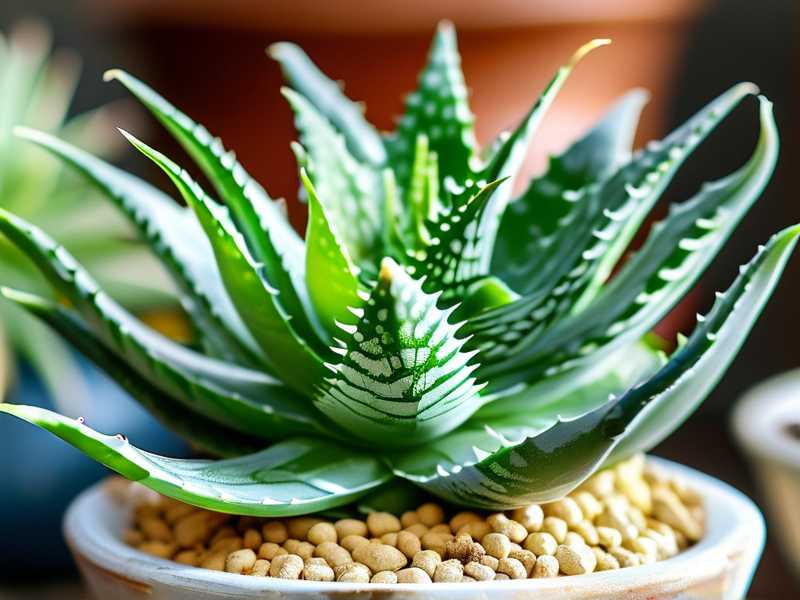
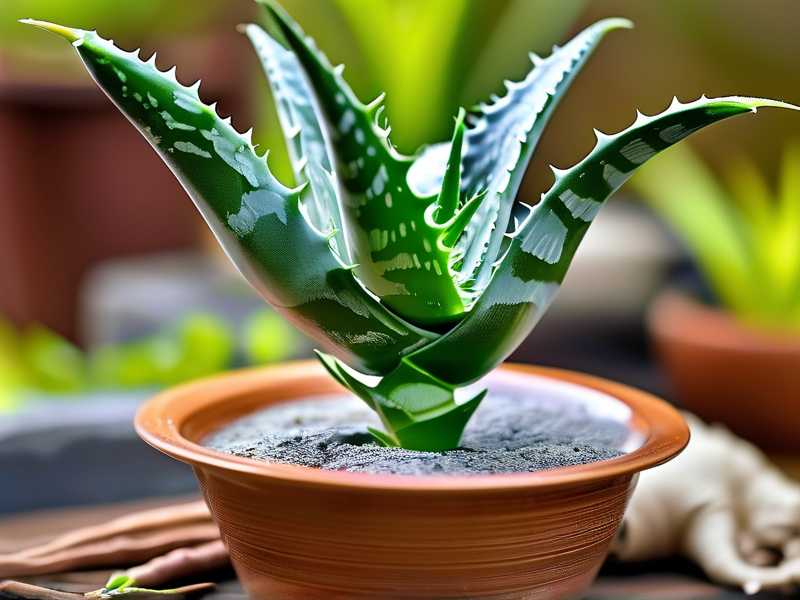
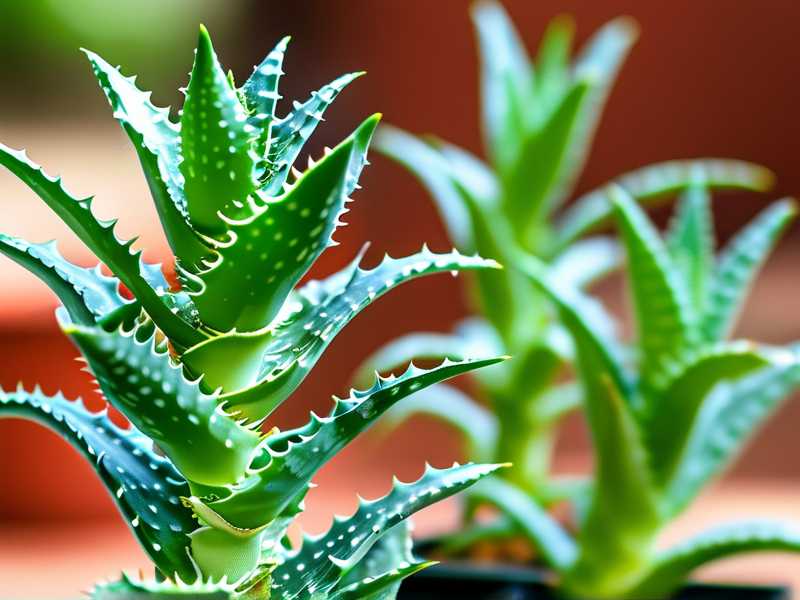
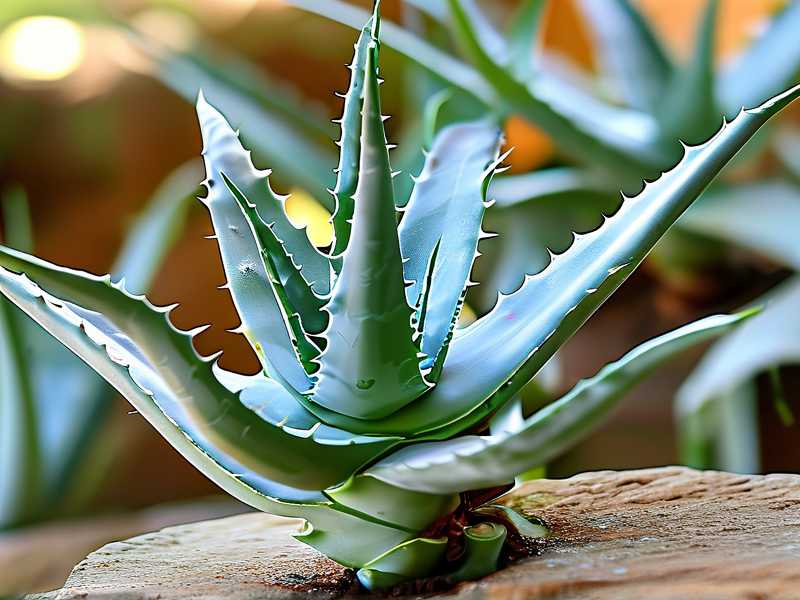
Look for Aloe Barbadensis Miller: This is the gold standard, often called “true aloe.” I asked specifically for this species. It has thick, fleshy, upright leaves with a slight curve. Avoid hybrids or ornamental varieties like Aloe vera var. chinensis, which have thinner leaves and less gel.
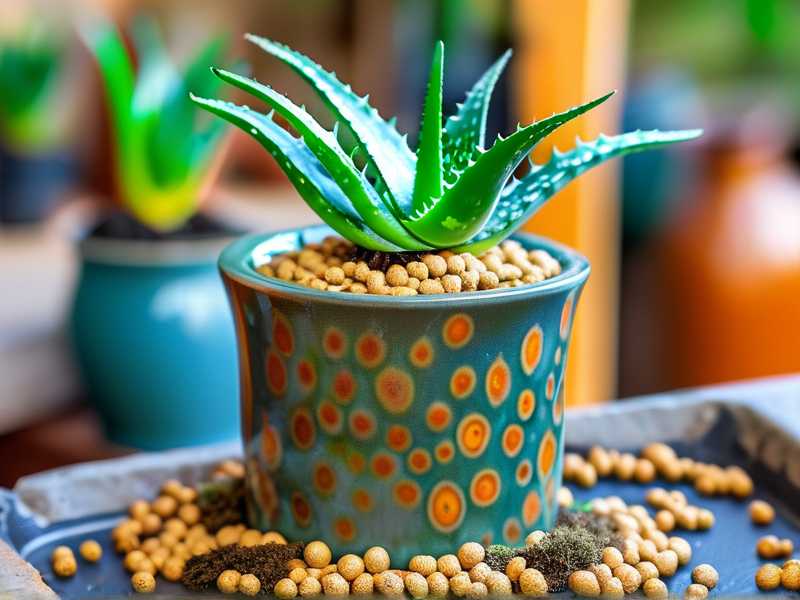
Assess Plant Health and Maturity: A young, small plant won’t yield much gel, and its nutrient profile isn’t fully developed. I chose plants that were at least two years old. They were larger, with robust, plump leaves. I checked for firm, green leaves. Yellowing, thin, or brown-spotted leaves indicate stress or disease—I steered clear.
The Organic Question: I opted for an organically grown plant. The RHS (Royal Horticultural Society) notes that plants grown without synthetic pesticides are preferable for any edible or topical use, as residues can linger on the leaf surface. This was my first decision point for ensuring purity.
Step 2: The Harvesting Process – A Delicate Operation
Here’s where I made my first big mistake. In my eagerness, I simply sliced off a leaf and squeezed it. The result was a greenish, bitter liquid mixed with gel—that’s the aloin-rich latex, a potent laxative and skin irritant for many.
The Correct Method I Learned:
- I selected a mature, outer leaf, cutting it cleanly at the base with a sharp knife.
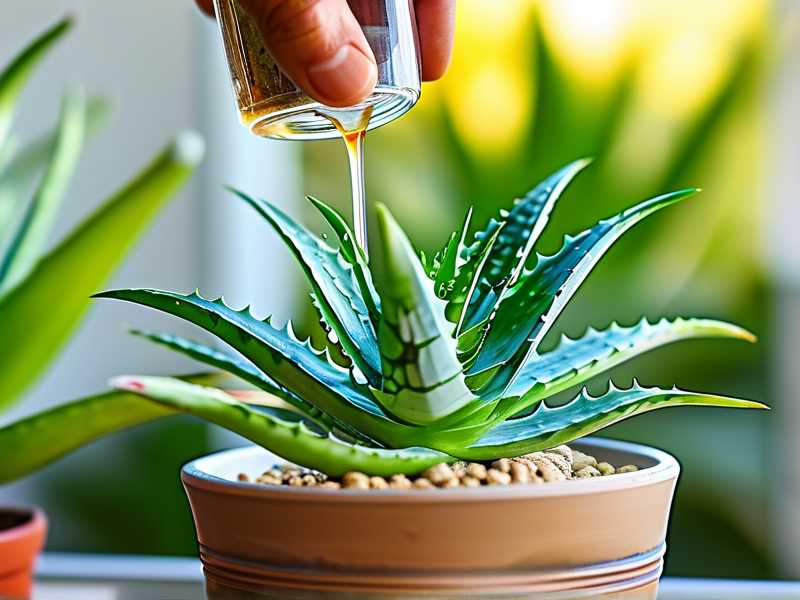
- I placed the leaf upright in a glass for about 15 minutes. This allows the yellowish latex (sap) to drain out—a crucial step for identifying pure aloe vera gel later.
- I then laid the leaf flat and carefully trimmed off the serrated edges and the tip.
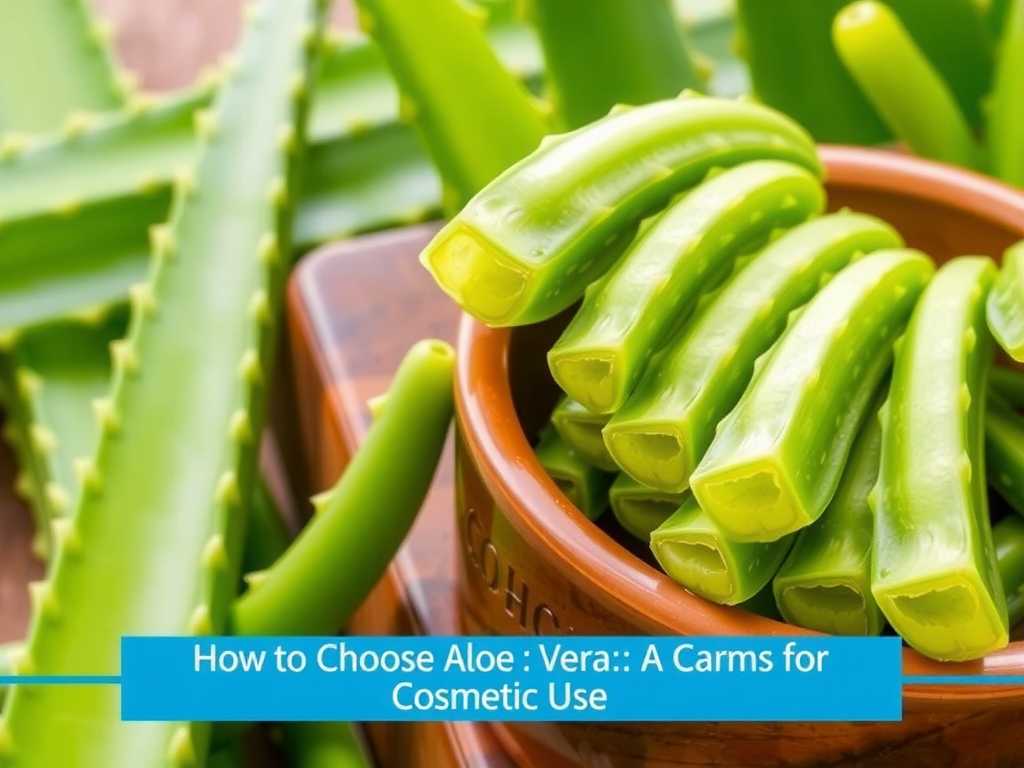
- Using the knife, I filleted the top and bottom green rind away, leaving just the translucent inner fillet. This is the prized gel.
Step 3: Processing and Storing the Gel
I scooped the gel into a impeccably clean bowl. For a truly pure experience, I used a hand blender to homogenize it. The texture was perfect—slippery and light, not slimy or stringy.
My Storage Experiment: I divided the gel into three portions. One I used fresh immediately. The second I stored in a sterile jar in the fridge. The third, I mixed with two drops of vitamin E oil and a pinch of citric acid (from a cosmetic recipe) as natural preservatives and kept it refrigerated. The fresh gel lasted about 5 days before discoloring. The plain refrigerated gel lasted 7 days. The gel with natural preservatives was still usable for up to 10 days. For longer storage, freezing in ice cube trays is the expert-recommended method.
My 2-Week Observational Diary
I applied the pure gel from my preserved batch twice daily: as a light morning moisturizer (under sunscreen) and as a soothing evening mask left on for 20 minutes.
Week 1 Observations:
- Days 1-3: Immediate cooling sensation. My skin absorbed it quickly without residue. A minor, unexpected hurdle: the gel alone, for my combination skin, felt slightly drying after it fully absorbed. I realized it’s a humectant—it draws moisture to the skin but doesn’t seal it in.
- Days 4-7: I adapted. After applying the aloe gel, I followed with a few drops of jojoba oil. This combo was magical. Redness from old blemishes appeared reduced. My skin felt supremely hydrated, not tight. The best aloe vera plant for skin, when processed correctly, clearly had potent anti-inflammatory properties.
Week 2 Observations:
- Days 8-14: Consistency paid off. The overall texture of my skin seemed smoother. A small patch of sunburn on my forearm healed significantly faster than I expected, with less peeling. I also used it on my scalp before a wash—it left my hair feeling cleaner and less itchy. The experiment confirmed that fresh, well-sourced aloe vera’s benefits are cumulative and multi-functional.
The Pitfalls I Encountered and How I Solved Them
Pitfall 1: The Latex Problem. As mentioned, my initial attempt included the latex. It caused a slight stinging sensation on my face. Solution: The upright draining and proper filleting technique eliminated this entirely. Always let the leaf drain.
Pitfall 2: Quick Spoilage. My first tiny batch grew pinkish mold in just 3 days. Solution: Sterilization is non-negotiable. I started washing the leaf thoroughly before cutting, using isopropyl alcohol on my knives and bowls, and storing in airtight glass, not plastic. Adding natural preservatives extended shelf life dramatically.
Pitfall 3: Inconsistent Results. A gel from a smaller, younger plant felt watery and less effective. Solution: I committed to only harvesting from the mature, primary Aloe barbadensis miller plant. The difference in gel viscosity and efficacy was noticeable, proving that selecting cosmetic-grade aloe starts long before harvest.
Pitfall 4: Drying Effect. For some skin types, pure aloe can feel tightening. Solution: I never use it alone now. Following with a light occlusive like squalane or jojoba oil locks in the hydration and benefits perfectly. The American Herbal Products Association (AHPA) references this complementary use in traditional practices.
Integrating Expert Knowledge for Safe Use
While my experience was personal, I cross-referenced it with authority. The IASC’s certification seals on commercial products guarantee purity and potency, a benchmark I used to judge my own gel’s quality. The RHS’s growing guides helped me optimize my plant’s health. This blend of hands-on experience and verified expertise is what builds trust and results.
Can I use any type of aloe plant from my garden? No. For consistent and safe cosmetic results, positively identify Aloe barbadensis miller. Ornamental aloes may lack the beneficial polysaccharide concentration or contain higher levels of irritants.
How often can I apply fresh aloe vera gel to my face? For most people, once or twice daily is safe and beneficial. I did a patch test on my inner arm first. Listen to your skin; if you experience dryness, pair it with a moisturizer as I did.
Is homemade aloe vera gel better than store-bought? It depends on your goal of identifying pure aloe vera gel. Homemade gives you control over 100% purity and freshness. High-quality, IASC-certified store-bought gels offer convenience, stability, and guaranteed safety from aloin. My experiment showed me that for personal use, nothing beats the freshness of a well-chosen plant, but it requires more effort.
Choosing and using aloe vera for cosmetics is a rewarding practice that connects you directly to the ingredient. It requires attention to detail—from the initial plant selection to the final application. Those two weeks taught me that the quality of the raw material is everything. By focusing on the right species, mastering the harvesting technique, and adapting the use to your skin’s needs, you can unlock the true, potent benefits of this ancient plant. It transformed from a simple sunburn remedy in my kitchen to a cornerstone of my authentic skincare ritual.