bluename
 How to Grow Aloe Vera in a Windowless Room: My 2-Week Experiment
I love houseplants, but my current apartment has a major flaw: no real windows in the rooms I spend time in. For years, I thought growing sun-loving plants like aloe vera was impossible here. The idea of a windowless room felt like a death sentence for most greenery. Yet, I missed the soothing presence and practical benefits of an aloe plant. So, I decided to challenge that assumption. This is my detailed, two-week journey figuring out how to grow aloe vera in a windowless room. It wasn't always smooth, but the results were genuinely surprising.
Why You Can't Just Put Aloe in the Dark
First, let's be clear. Aloe vera is a succulent that thrives in bright, indirect sunlight. In a completely dark room, it will etiolate—become leggy, pale, and weak—and eventually die. The goal isn't to grow aloe in darkness, but to replace the sun entirely with artificial light. According to the Royal Horticultural Society (RHS), for plants to perform photosynthesis effectively under artificial lights, we need to consider intensity, spectrum, and duration. This became the cornerstone of my project.
My Setup: Choosing the Right Gear
My plan was to create a self-sufficient, lighted plant station. Here’s exactly what I used and why.
1. The Lights: Full-Spectrum LED Grow Lights After researching, I chose a pair of full-spectrum LED panel lights. LEDs are energy-efficient and produce less heat, which is crucial for a small space. The "full-spectrum" part is key—it mimics natural sunlight, providing both the blue light (for foliage growth) and red light (for overall health) that plants need. I avoided cheap, purple "blurple" lights, as many experts note they can be harsh on the eyes and aren't necessarily more effective for a simple setup like mine.
2. The Timer: Consistency is King Aloe vera, like most plants, needs a consistent day/night cycle. I used a simple digital outlet timer set for 14 hours on and 10 hours off. This long "day" compensates for the fact that even good grow lights are less intense than the summer sun.
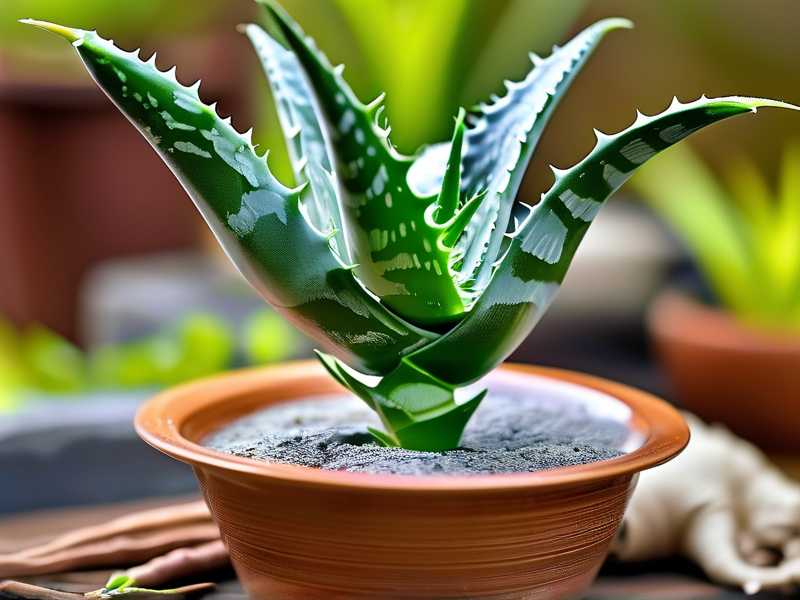
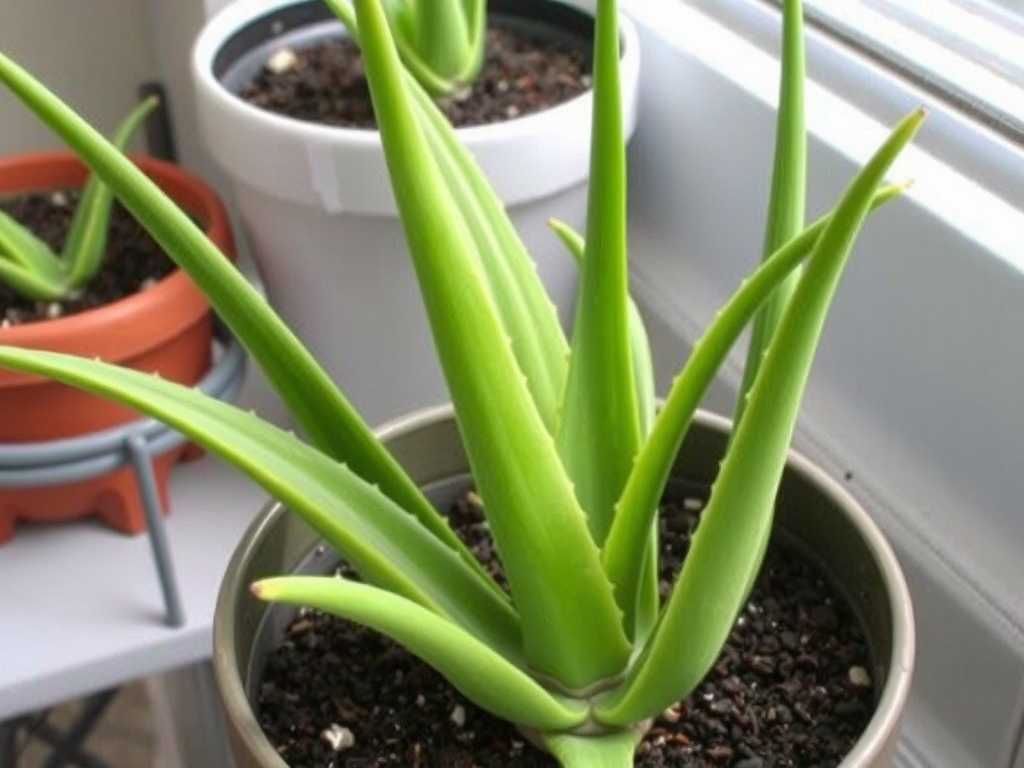
3. The Plant and Pot: Setting the Foundation I started with a healthy, medium-sized aloe pup (offset) from a friend's sun-grown plant. I potted it in a classic terracotta pot with a large drainage hole. The soil mix was crucial: I used a pre-mixed cactus and succulent soil, but I amended it further with extra perlite (about a 2:1 ratio of soil to perlite) to ensure insane drainage. Overwatering is the biggest killer of indoor aloe, especially in lower-light conditions.
4. The Location: My Dedicated Plant Corner I set up a small table in my windowless home office. I positioned the LED panels about 12 inches above the top of the aloe plant, as per the manufacturer's guidelines for succulents.
The Two-Week Observation Log: Day-by-Day Results
Days 1-3: The Adjustment Period After setting everything up, the aloe looked fine, but I was anxious. The soil was still moist from its initial watering, so I didn't water it. The grow lights felt strangely bright in my office, but the plant sat under them, looking unchanged. My first observation: the room felt warmer. Not from the LEDs directly, but from the small space heating up slightly. I made a note to monitor room temperature.
Days 4-7: First Signs of Life and My First Mistake By day 4, I noticed something incredible. The innermost, newest leaves at the center of the rosette seemed a tiny bit more upright. They had a vibrant, plump look. Excited, I did something foolish: I gave it a small drink of water, thinking it must be thirsty from the "sun." This was my first major pitfall.
By day 6, the lower outer leaf felt slightly soft at the base. I panicked. I gently wiggled the plant and felt a worrying give. I had overwatered it. The combination of a moist initial potting, my extra watering, a cool room at night, and artificial light (not as drying as real sun) created a perfect storm for root rot.
The Fix: I immediately stopped all watering. I took the entire plant out of its pot. The roots were damp but not yet rotten. I let the root ball sit on a paper towel for 24 hours to dry out completely. I also moved the grow lights slightly closer (to about 10 inches away) to help increase light intensity and encourage the soil to dry faster. This quick action saved the plant.
Days 8-14: Recovery and Visible Growth After repotting the dried root ball back into the same (now dry) soil mix, I left the plant completely alone for a week. Under the consistent 14-hour light cycle, the plant stopped looking distressed. The soft leaf firmed up again.
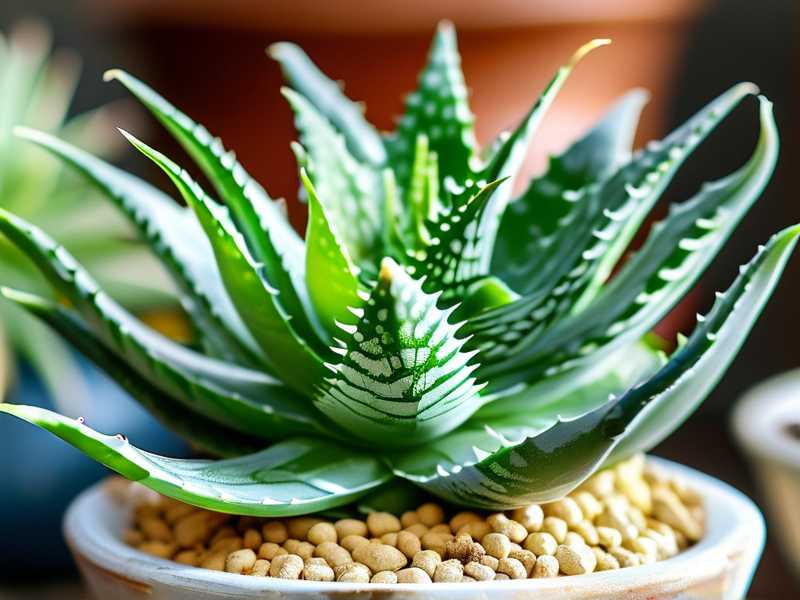
The most exciting moment came on day 12. I compared a photo from day 1 to the current plant. The central leaves were noticeably larger and taller. The color was a deep, healthy green—not the washed-out pale green I feared. There was zero etiolation; the growth was compact and strong, just as if it were in a bright window. The American Horticultural Society (AHS) emphasizes that proper artificial lighting can indeed support compact, healthy succulent growth, and I was seeing it firsthand.
Key Lessons and Best Practices for Your Success
Based on my intense two weeks, here are the non-negotiable rules for cultivating aloe vera without natural light.
1. Watering is a Minimalist Art. This is the hardest habit to break. Forget schedules. Only water when the soil is 100% dry all the way through, and the thickest leaves feel slightly less plump (not wrinkled, just less firm). In my setup, this will likely mean watering only once every 3-4 weeks, maybe longer. When you do water, drench it thoroughly until water runs out the drainage hole, then let it drain completely.
2. Light Duration and Distance are Critical. 12-14 hours of light is essential. Use a timer. The distance depends on your light's power. Start at 12 inches and adjust. If the plant starts stretching, move it closer. If the tips brown (light burn), move it farther. My sweet spot was 10-12 inches.
3. Soil and Pot are Your Safety Net. Terracotta pots wick away moisture. A gritty, fast-draining soil mix is your best defense against overwatering. Don't skip the extra perlite or pumice.
4. Mind the Ambient Environment. My room was cool. I learned that adding a small, low-speed fan to circulate air not only helped soil dry faster but also strengthened the plant's structure. It also mitigated the slight heat buildup from the lights.
Frequently Asked Questions
Can I use a regular lamp to grow aloe vera? No, a standard incandescent or household LED bulb lacks the necessary light spectrum and intensity. It will not provide enough usable light for photosynthesis and will lead to weak, etiolated growth. You must invest in a proper full-spectrum grow light designed for plants.
How do I know if my aloe is getting enough light in a windowless space? Look for signs of healthy growth: compact, upward growth with deep green color. The tell-tale sign of insufficient light is etiolation—the plant stretches out, with longer spaces between leaves, and the leaves may turn a lighter, yellowish-green. If you see this, increase light duration or intensity.
Will my aloe vera ever produce pups (offsets) without a window? It's possible, but it requires optimal conditions. The plant needs to be very mature, perfectly healthy, and receive consistent, high-quality light. It may be slower than for a sun-grown plant. Focus on establishing one healthy plant first; propagation is a bonus.
Growing aloe vera without windows is absolutely possible, but it requires a shift in mindset. You are not just a caretaker; you are the sun, the rain, and the climate controller. It demands attentiveness, especially in the beginning as you learn your specific environment's rhythms. My two-week experiment proved that with the right tools—a quality grow light, a strict timer, and a disciplined watering hand—you can enjoy a thriving, healthy aloe vera plant anywhere, even in the deepest, darkest corner of a windowless room. The vibrant green presence in my office now is a daily reminder that a little technology and a lot of patience can rewrite the rules of indoor gardening.