bluename
 How to Choose Aloe Vera for Medicinal Use: A Plant Lover’s Practical Guide
For years, I’ve turned to my homegrown aloe vera for everything from kitchen burns to sun-kissed skin. But I’ll admit, there was a time I grabbed any plump leaf from the garden center, assuming all aloe plants were created equal for healing. That assumption led to my first major pitfall: a gel that was thin, ineffective, and sometimes even caused mild irritation. It turns out, choosing aloe vera for medicinal use is a skill, and not every succulent on the shelf is cut out for the job. If you’ve ever wondered why your aloe doesn’t seem to work as promised, you’re in the right place. Let’s walk through exactly how to select, harvest, and use the right plant.
Why Not All Aloe Plants Are Healing Heroes
My journey into medicinal aloe vera began with disappointment. After a minor burn, I applied gel from a young, store-bought plant. Not only did it provide little relief, but the area also felt oddly itchy. Research and conversations with experts from the American Herbal Products Association (AHSA) opened my eyes. They emphasize that Aloe barbadensis Miller is the primary species recognized for its therapeutic compounds. Many decorative aloes lack sufficient concentrations of active ingredients like acemannan and glycoproteins.
Furthermore, a plant’s growing conditions drastically affect its potency. A study I came across in the Journal of Ethnopharmacology noted that stress factors like controlled drought can increase the concentration of bioactive compounds. The lush, overwatered plant I’d chosen was likely biologically “lazy,” producing more water than healing mucilage.
The Step-by-Step Guide to Selecting Your Medicinal Aloe Vera
Identifying the Right Species: Aloe Barbadensis Miller
This is non-negotiable. Look for these key features:
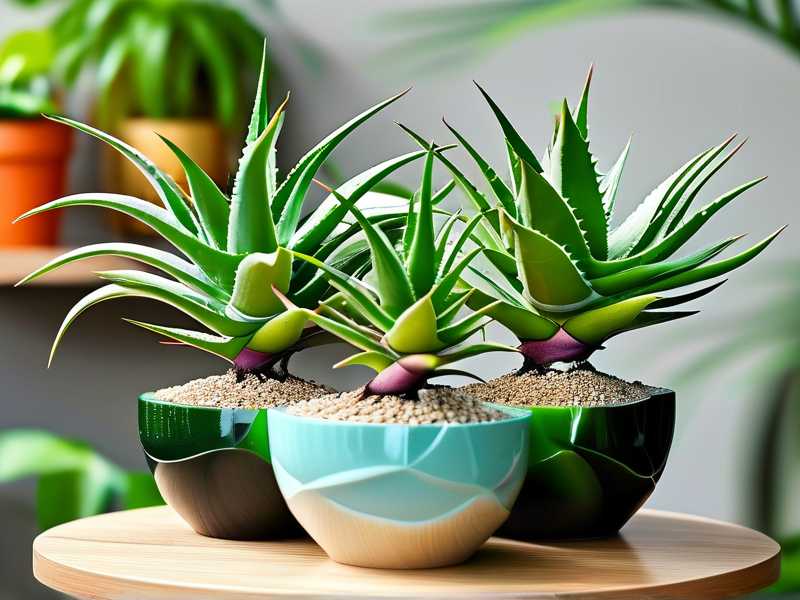
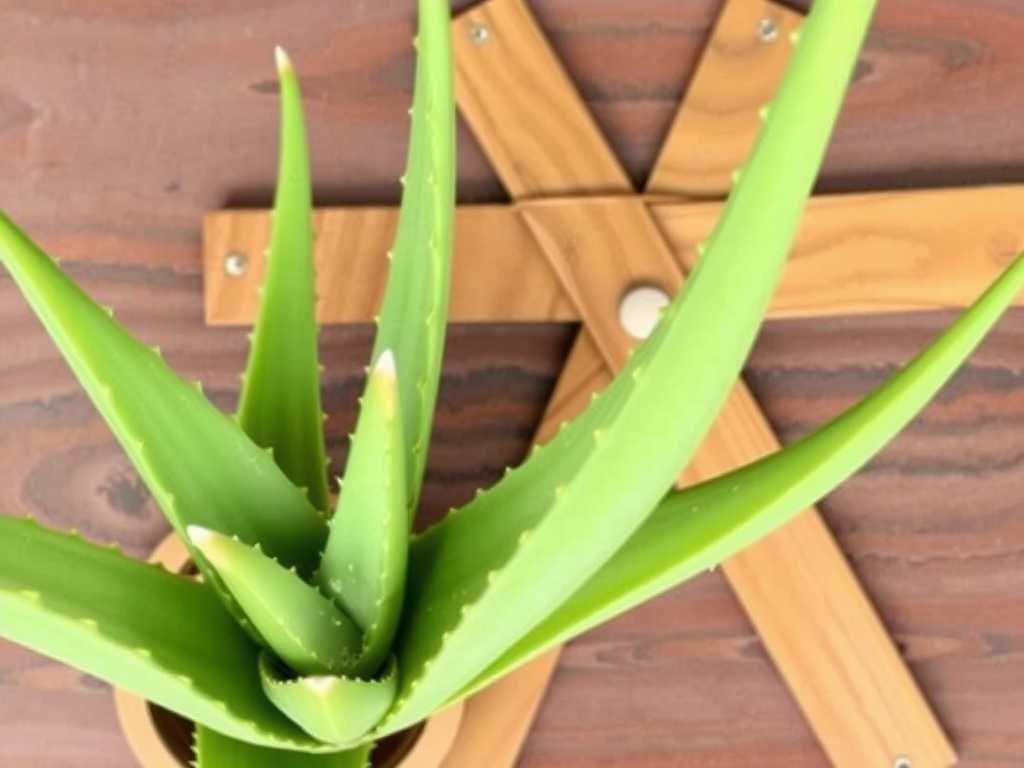
- Mature, Upright Growth: Seek plants that are at least 2-3 years old. They should have a robust, central rosette with leaves growing upright, not splaying outwards.
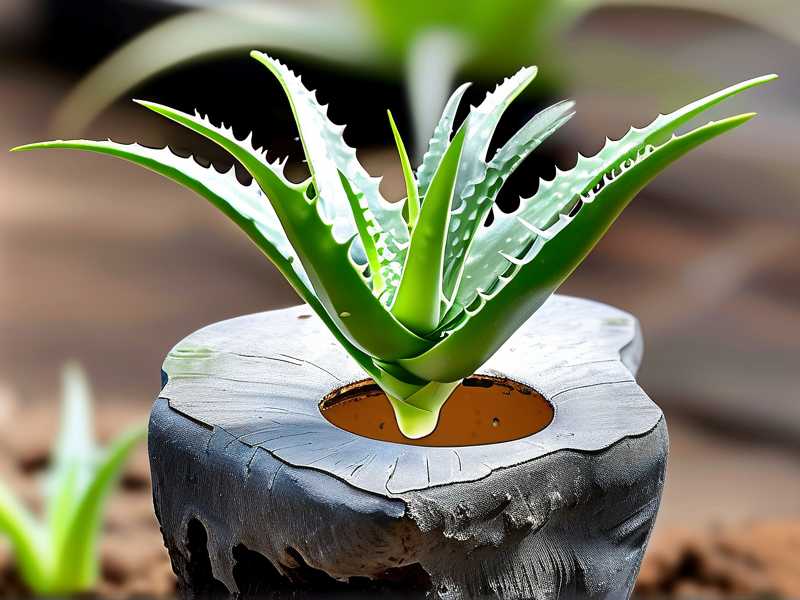
- Leaf Characteristics: The leaves are thick, fleshy, and a blue-green or grey-green hue. They have a slight curve and are serrated with small but firm pale teeth along the edges.
- Avoid Imposters: Ornamental varieties like Aloe vera var. chinensis or tiger aloe are often shorter, have spotted leaves, and lack the gel volume needed.
My method? I now visit local nurseries with a photo on my phone. I ask specifically for Aloe barbadensis Miller and politely decline any vague “aloe vera” labels.
Assessing Plant Health and Potency
Once you’ve found the right species, health is your next filter. A sick plant won’t produce potent gel.
- Inspect the Leaves: They should be firm and plump, not wrinkled, thin, or brown-tipped. Discoloration (extensive yellowing or reddish spots) can indicate disease or sunburn.
- Examine the Base and Soil: The plant base should be firm, not mushy or black (a sign of fatal rot). The soil should be well-draining—sandy or cactus mix is ideal. Soggy soil is a red flag.
- Look for Natural “Bloom”: A healthy medicinal aloe vera often has a slight powdery coating (bloom) on its leaves. It’s a sign of good health, not dust.
Sourcing: Garden Center vs. Grocery Store vs. Growing Your Own
- Garden Centers/Nurseries: Your best bet. You can inspect the plant, its soil, and overall health. Build a relationship with a knowledgeable staffer.
- Grocery Store Plants: Often young, overwatered, and sold in poor soil. They can be a project—you’ll need to repot them and nurture them to maturity, which takes time.
- Growing from a Pup (My Preferred Method): Once you have a healthy “mother plant,” it will produce offsets (pups). Separating and potting these ensures you know the exact lineage and growing history of your medicinal aloe vera. It’s the most rewarding and reliable source.
My Two-Week Test: From Selection to Application
I decided to run a controlled experiment. I purchased one mature Aloe barbadensis Miller from a reputable nursery (Plant A) and one generic “aloe” from a big-box store (Plant B). For two weeks, I tracked their use on minor skin issues.
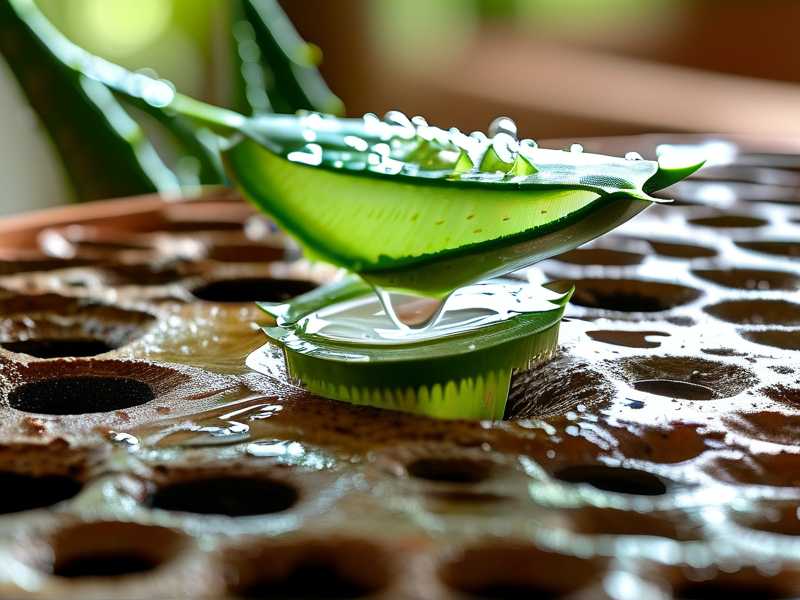
Week 1: Harvesting and Initial Use I harvested a lower, outer leaf from each plant using a clean, sharp knife at an angle close to the base. I let the yellow latex (aloin) drain for 10 minutes—this bitter sap can be a skin irritant. Then, I filleted the leaf to scoop out the clear gel.
- Plant A (True Medicinal): The gel was viscous, almost stringy, and odorless. Applied to a small sunburn, it provided an immediate cooling sensation. The redness visibly subsided within hours.
- Plant B (Generic): The gel was watery, had a faint yellowish tint, and a slightly grassy smell. On a similar patch of skin, it felt cool but left a sticky residue. No significant reduction in redness.
Week 2: Consistency and Healing Observation I continued applying each gel twice daily to small, similar abrasions.
- Plant A: The abrasion formed a clean, flexible scab and healed noticeably faster. The gel maintained its thick consistency when refrigerated.
- Plant B: Healing was slower. The gel separated into water and a slimy substance in the jar, requiring stirring before each use. By day 10, the harvested leaf end had begun to rot, suggesting lower natural preservatives in the gel.
The Verdict: The difference was stark. The correctly chosen medicinal aloe vera accelerated healing and was organoleptically superior. The generic plant’s gel was inferior and less stable.
The Pitfalls I Encountered (And How to Solve Them)
Pitfall 1: The “Aloin Burn.” Early on, I didn’t drain the yellow latex properly. Applying gel with aloin residue caused a mild, itchy rash on my sensitive skin.
- Solution: Always let the harvested leaf stand vertically, cut-end down, on a towel for 10-15 minutes. Rinse the filleted leaf under cold water to wash away any remaining aloin.
Pitfall 2: Gel Oxidation and Spoilage. I used to blend the gel to make it smooth. This incorporated air, turning my beautiful clear gel brown and rancid within days.
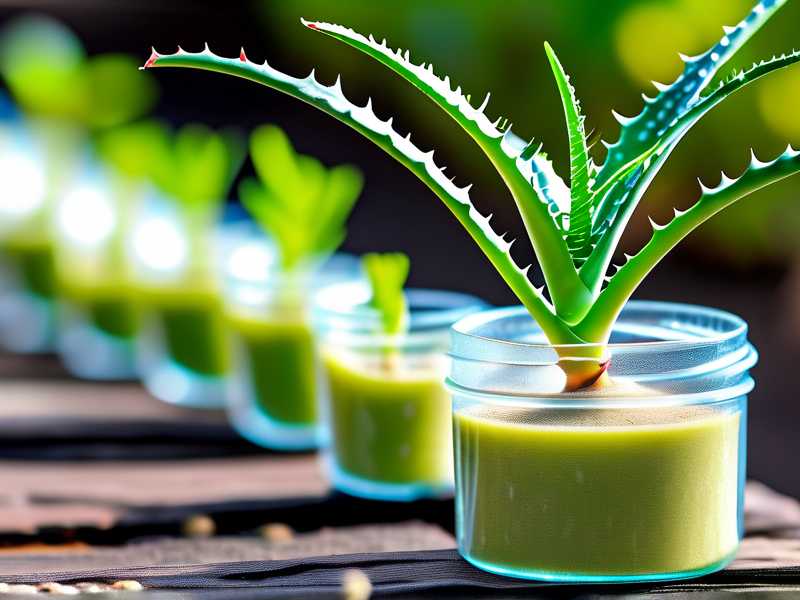
- Solution: Hand-scoop and stir the gel instead of blending. Store it in an airtight, dark glass jar in the refrigerator. Adding a drop of vitamin E oil or grapefruit seed extract can extend its shelf life to about a week.
Pitfall 3: Overharvesting a Young Plant. In my eagerness, I once took too many leaves from a small plant, stunting its growth and forcing it to produce weak, watery new leaves.
- Solution: Only harvest 2-3 mature leaves per plant at a time, and always from the outermost ring. Allow the plant to recover fully between harvests.
Maximizing the Benefits of Your Chosen Aloe
Once you have the right plant, use it wisely. For topical use, apply fresh gel directly to clean skin. The International Aloe Science Council (IASC) certifies products for quality and purity, which is a helpful benchmark if you ever buy commercial gel. For internal use, extreme caution is needed. Only use specifically prepared, decolorized whole-leaf extracts intended for consumption, as the latex has potent laxative effects. When in doubt, consult with a healthcare professional, especially for internal aloe vera consumption.
Common Questions Answered
Can I use the green part of the leaf? No. The green rind contains aloin and other compounds that can cause digestive upset or skin irritation. Always carefully fillet the leaf and use only the clear inner parenchyma (the gel).
How often can I harvest from my homegrown aloe plant? A mature, healthy plant can typically sustain a harvest of 2-3 leaves every 4-6 weeks during its active growing season (spring/summer). In winter, allow it to rest.
Does the size of the leaf matter for medicinal quality? Yes, maturity matters more than absolute size. A shorter, thick leaf from a 3-year-old plant is far superior to a long, thin leaf from a fast-grown, fertilized one-year-old plant. Look for thickness and heft.
Choosing the right aloe vera for healing transforms it from a simple succulent into a powerful, natural remedy. It requires a little knowledge—identifying the correct species, selecting a thriving plant, and harvesting with care. My two-week test proved that this effort is not just botanical nitpicking; it directly translates to more effective relief and faster healing. By growing your own or sourcing mindfully, you gain control over a truly remarkable medicinal plant. Start by finding one true Aloe barbadensis Miller, and you’ll have a loyal, green companion for years of natural wellness.