bluename
 Aloe Vera for Pet Wounds: A Safe, Natural First-Aid Guide from a Plant Lover
There’s nothing more heart-stopping than discovering a fresh cut or hot spot on your furry best friend. As a devoted plant enthusiast and pet parent, I’ve always believed in the power of nature’s pharmacy. So, when my adventurous Labrador, Rex, came home with a nasty scrape on his paw pad from a rocky trail, my first thought was my thriving aloe vera plant. Using aloe vera for pet wounds seemed like the perfect, gentle solution. But I quickly learned that it’s not as simple as snapping off a leaf and applying it. This is my detailed, two-week journey from hopeful experiment to confident treatment, including the mistakes I made and how I corrected them.
Why I Trusted Aloe Vera: More Than Just an Old Wives’ Tale
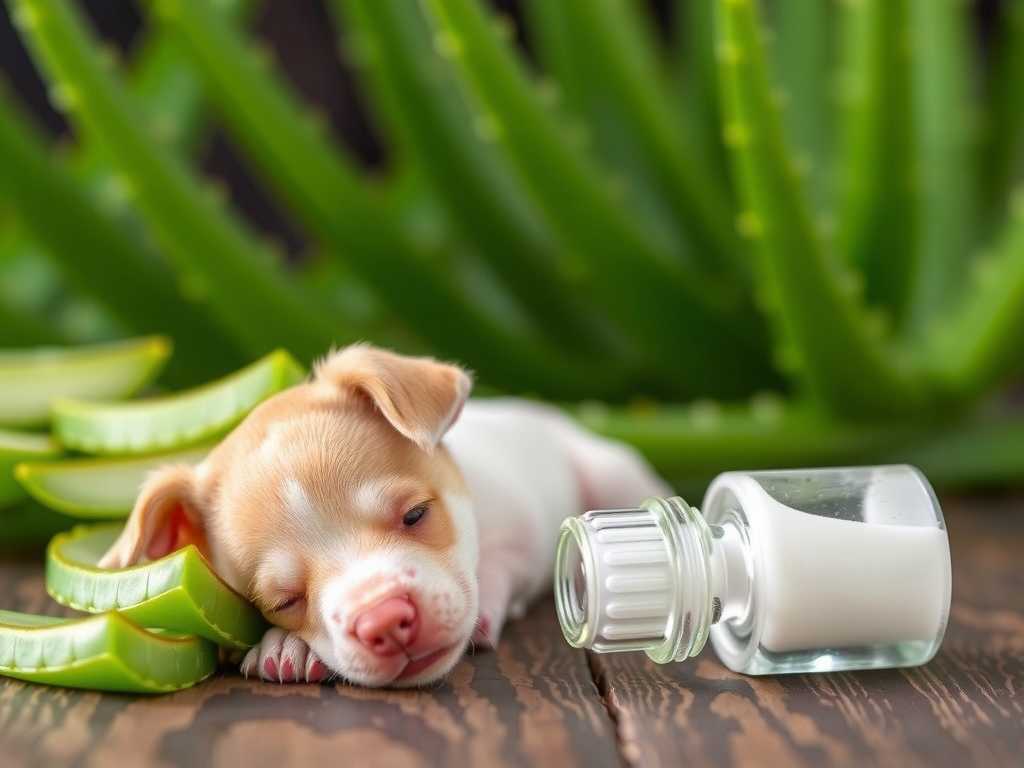
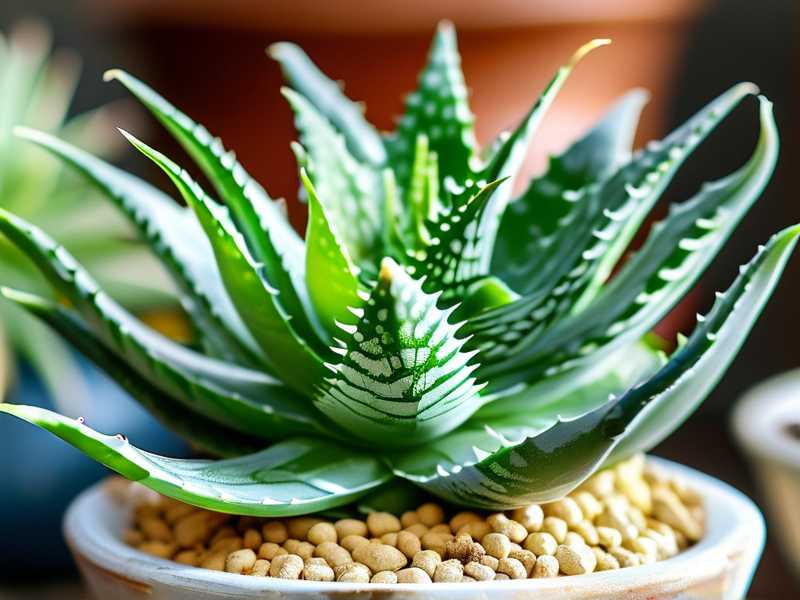
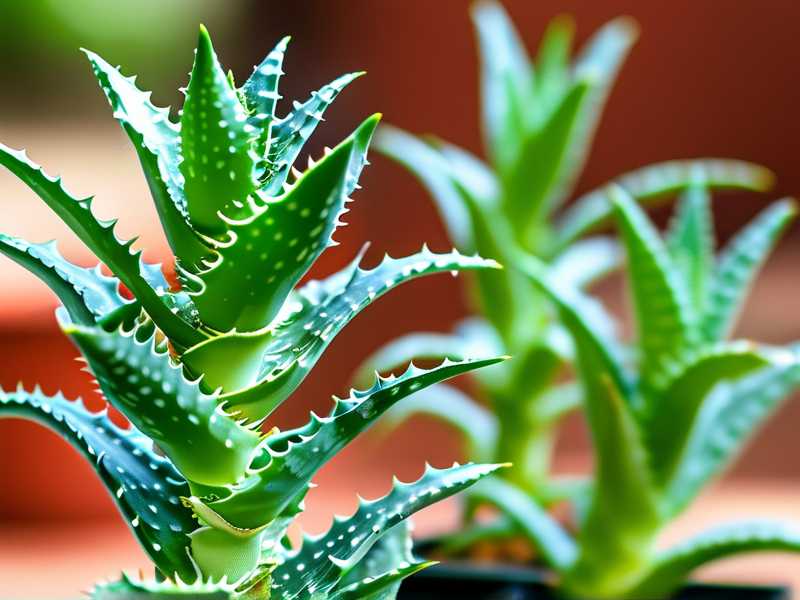
My indoor jungle is my pride, and my aloe vera plants are the stars. I’ve used their gel for my own sunburns and kitchen burns for years with fantastic results. The logic seemed sound for Rex: aloe is celebrated for its soothing, cooling, and healing properties. According to the American Holistic Veterinary Medical Association (AHVSA), certain botanicals can play a supportive role in animal care when used knowledgeably. Aloe vera’s compounds, like acemannan, are noted for their potential to support skin repair and offer mild antimicrobial benefits. This gave me the confidence to proceed, but with rigorous caution.
My Step-by-Step Process: From Plant to Paw
This wasn’t a casual dab-and-go operation. I treated it with the seriousness of a medical protocol.
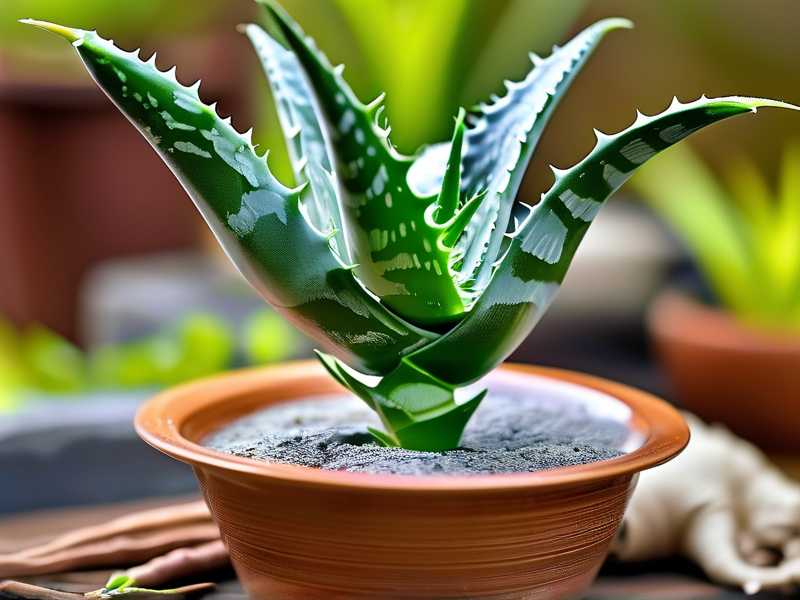
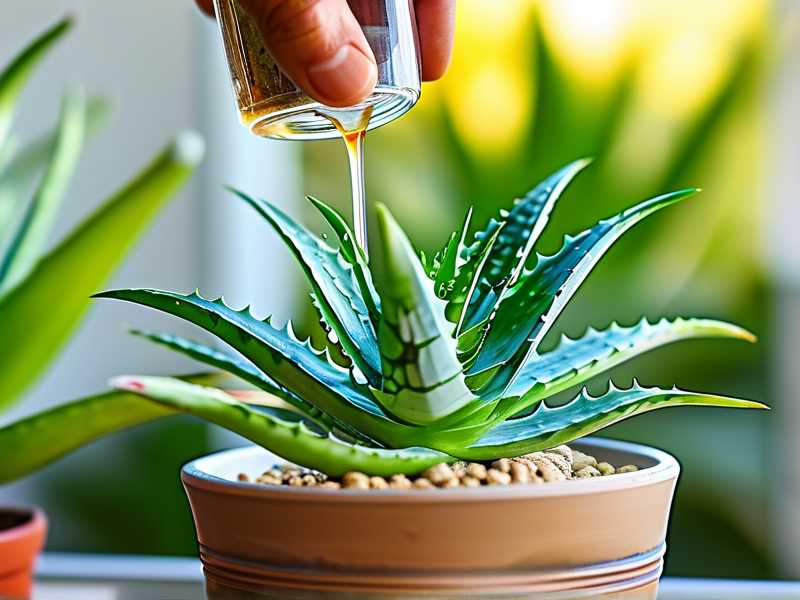
Step 1: Selecting and Harvesting the Right LeafI chose a mature, thick leaf from the outer section of my largest, organic aloe plant. Using a clean, sharp knife, I made a clean cut at the base. Immediately, a yellowish liquid, called aloin or latex, began to ooze from the cut. This was my first critical learning point.
Step 2: The Crucial “Purging” PhaseThat yellow sap is a potent laxative and can cause severe stomach upset and diarrhea in pets if ingested. Before I could use any gel, I had to let the leaf stand upright (cut-side down) in a glass for about 15 minutes. This allowed the bitter, yellow aloin to drain out completely. I then rinsed the cut end under cool water.
Step 3: Extracting the Pure GelI laid the leaf flat on a clean cutting board. Carefully, I filleted it, slicing off the serrated edges and the top green layer to reveal the clear, mucilaginous gel inside. I used a spoon to scoop every bit of this pure gel into a sterilized glass bowl. Important: I did not use the green skin at all, as it contains higher concentrations of the undesirable compounds.
Step 4: Initial Wound Preparation and ApplicationRex’s wound was a shallow abrasion, about the size of a quarter, but it was dirty. I first cleaned it gently with a sterile saline solution. Once the area was pat dry, I applied a thin layer of the fresh aloe vera gel directly to the wound using a clean cotton swab. Rex immediately seemed soothed by the cool sensation. To prevent him from licking it off, I fitted him with a comfortable cone (the “cone of shame,” as we call it) and covered the paw with a light, breathable bandage.
The Two-Week Observation Diary: Progress and Setbacks
Days 1-3: The Soothing PhaseThe initial effect was visibly positive. The redness around the scrape diminished within hours. Rex stopped licking at the air (aiming for his bandaged paw), a sign the cooling gel was relieving the irritation. I reapplied fresh gel twice daily, after gently cleaning the area with saline. The wound looked clean and moist.
Days 4-7: The “Uh-Oh” Moment – My Big MistakeBy day four, I grew overconfident. In a hurry one morning, I didn’t let the aloin drain from a new leaf thoroughly enough. I also became lax with the bandage, thinking the wound was healing well. That evening, I noticed Rex had nibbled at the bandage edge. The next day, the wound looked slightly more inflamed, and Rex had a bout of soft stool. I panicked. Had I caused an infection? Was this a reaction to the aloe?
The Fix: Diagnosing and PivotingI immediately stopped application. I took Rex to our vet for peace of mind. After explaining exactly what I’d done, she diagnosed the issue: it was likely mild gastrointestinal irritation from trace aloin ingestion when he licked his paw, combined with minor irritation from the wound being overly moist under an imperfect bandage. She confirmed the wound itself was not infected. Her advice was golden: “The idea is sound, but the execution must be flawless. The aloin must be 100% removed, and the wound must breathe.” She recommended a “bandage-free” approach during supervised periods.
Days 8-14: The Corrected Protocol and True HealingArmed with this advice, I restarted with military precision. I purged each leaf for a full 20 minutes. Instead of a constant bandage, I applied the pure gel and let Rex rest in his crate (cone on) for 30 minutes to let it absorb and dry slightly. Then, during supervised indoor time, I left the wound uncovered to air out. Only when he went into the yard or slept did I use a fresh, loose bandage. The difference was remarkable. The soft stool issue resolved in a day. The wound began to form healthy, pink granulation tissue. By the end of the second week, the scrape had fully closed over with new skin, leaving only a faint pink mark.
Key Takeaways and Safety Rules I Live By Now
My experience taught me that using aloe vera on dog wounds is a viable first-aid option, but only under strict conditions. For treating pet abrasions with aloe, here are my non-negotiable rules:
Aloin is Enemy #1. You must completely purge and rinse it away. When in doubt, use a high-quality, pure, food-grade organic aloe vera gel that is explicitly labeled “aloin-free” or “decolorized whole leaf.” This is often safer than DIY for beginners.
Never Use on Deep or Surgical Wounds. Aloe can actually slow the healing of deep tissue by forming a barrier. It is only suitable for minor, superficial abrasions, hot spots, or burns. Always consult your vet for anything more than a surface scrape.
Prevent Ingestion at All Costs. The cone is not optional. Even pure gel, if ingested in large amounts, can cause digestive upset. The goal is topical application only.
Let it Breathe. Moisture balance is key. Alternate between short applications and uncovered, dry air time to promote optimal healing.
Addressing Your Concerns: Common Questions Answered
Can I use store-bought aloe vera gel?You can, but you must be incredibly selective. Avoid any products containing alcohol, fragrances, colors, or xylitol (a deadly sweetener for dogs). Look for a product with 99-100% pure aloe vera gel, ideally certified organic and aloin-free. Reading the label is a life-saving skill here.
Is aloe vera safe for cats as well?Extreme caution is advised. Cats are far more sensitive to many compounds. The ASPCA lists aloe vera as toxic to cats, primarily due to the saponins and aloin. I would never use it on my feline friends without explicit direction from a veterinarian who specializes in holistic or integrative care.
What are the signs I should stop and call the vet?Discontinue use immediately and contact your vet if you see increased redness, swelling, pus, a foul odor, or if your pet seems lethargic or experiences vomiting or diarrhea. These are signs of infection or a negative reaction, not healing.
Watching Rex’s paw heal beautifully over those two weeks was deeply satisfying. It reinforced my belief in natural remedies but with a hefty dose of respect for the science and safety behind them. Aloe vera for pet first-aid can be a wonderful tool in your kit, transforming a common houseplant into a source of comfort for your pet. However, its safety hinges entirely on meticulous preparation, vigilant observation, and knowing when a professional vet visit is the only right choice. The path to natural healing is paved with both knowledge and caution.