bluename
 Aloe Vera for Hair Frizz Control: My Journey with a DIY Serum Recipe
If you've ever battled with frizzy hair, you know the struggle is real. On humid days, my hair would puff up into a halo of flyaways, feeling dry and unmanageable. I tried countless commercial serums, but many left my hair greasy or weighed down. As a plant enthusiast, I kept circling back to one natural ingredient praised for its versatility: aloe vera. I decided to put it to the test specifically for aloe vera for hair frizz control. Could a simple DIY serum tame my mane? I committed to a two-week experiment, documenting every step, result, and hiccup along the way.
Why I Trusted Aloe Vera for My Frizz
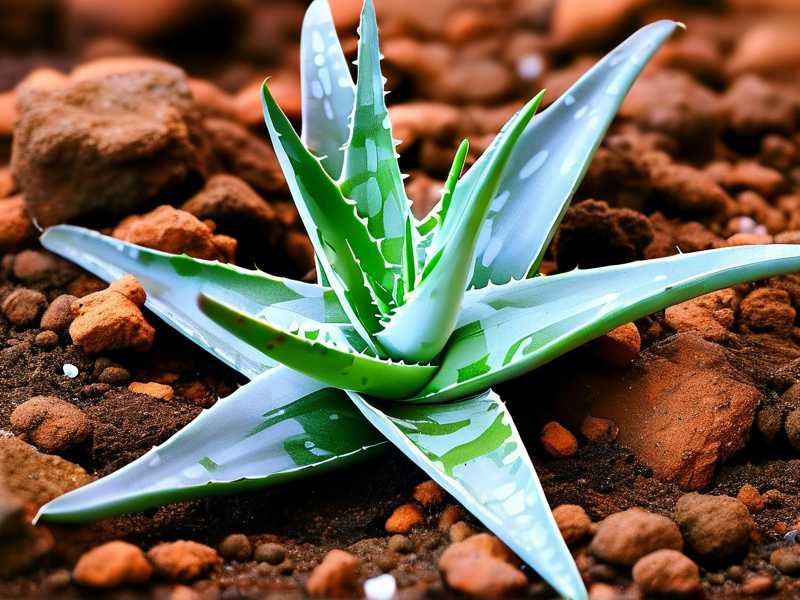
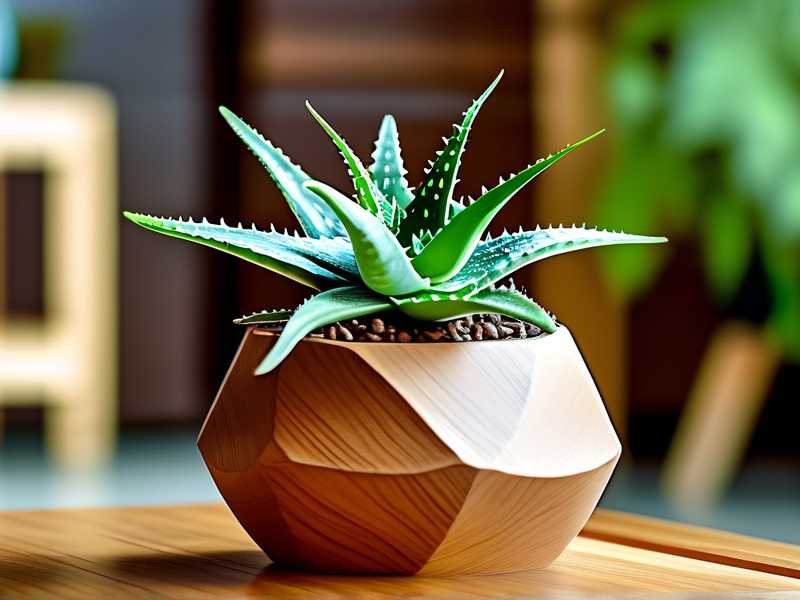
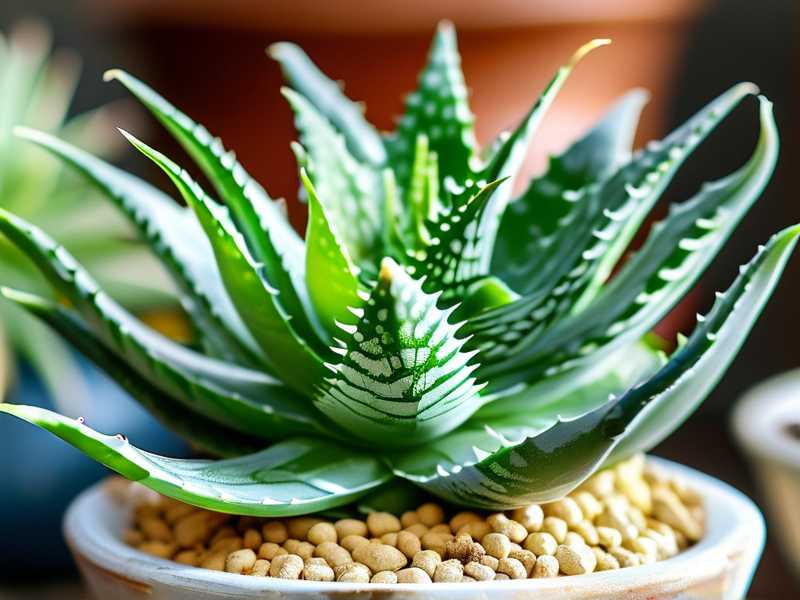
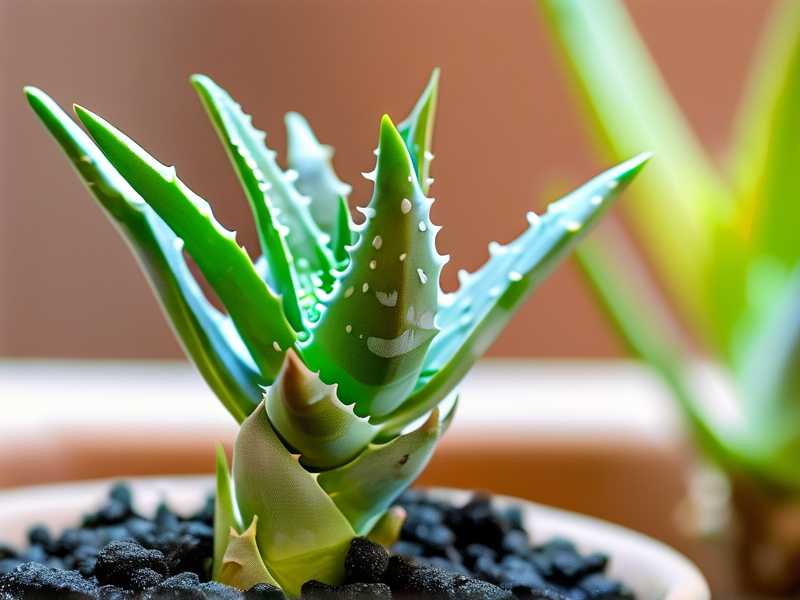
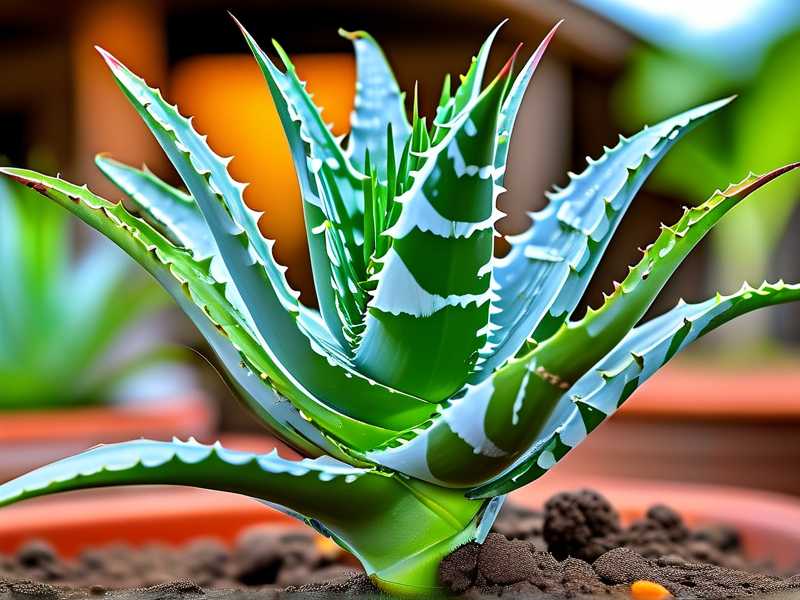
My fascination with aloe vera isn't new. I've grown Aloe barbadensis miller on my windowsill for years, using its gel for minor skin soothing. But for hair? The science intrigued me. Aloe vera gel is rich in vitamins, minerals, amino acids, and enzymes. Crucially, it acts as a natural humectant, drawing moisture into the hair shaft, which is fundamental for controlling frizzy hair naturally. When hair is dehydrated, it seeks moisture from the air, causing the cuticle to lift and create frizz. By providing hydration, aloe vera helps smooth the cuticle layer.
I also found support from the International Aloe Science Council (IASC), which notes the plant's moisturizing and conditioning properties. Furthermore, a report highlighted in the Journal of Chemical and Pharmaceutical Research discussed aloe vera's potential to improve hair integrity. This gave me the confidence to move from theory to practice.
Crafting My DIY Aloe Vera Frizz-Control Serum: The Recipe
I wanted a pure, effective serum without a long list of synthetic ingredients. After researching, I settled on a three-ingredient powerhouse recipe focused on DIY aloe vera hair serum.
Ingredients:
- 3 tablespoons of fresh aloe vera gel (extracted directly from a leaf)
- 1 tablespoon of cold-pressed argan oil (for added fatty acids and shine)
- 5 drops of lavender essential oil (for scent and its purported calming properties for the scalp)
My Step-by-Step Process:
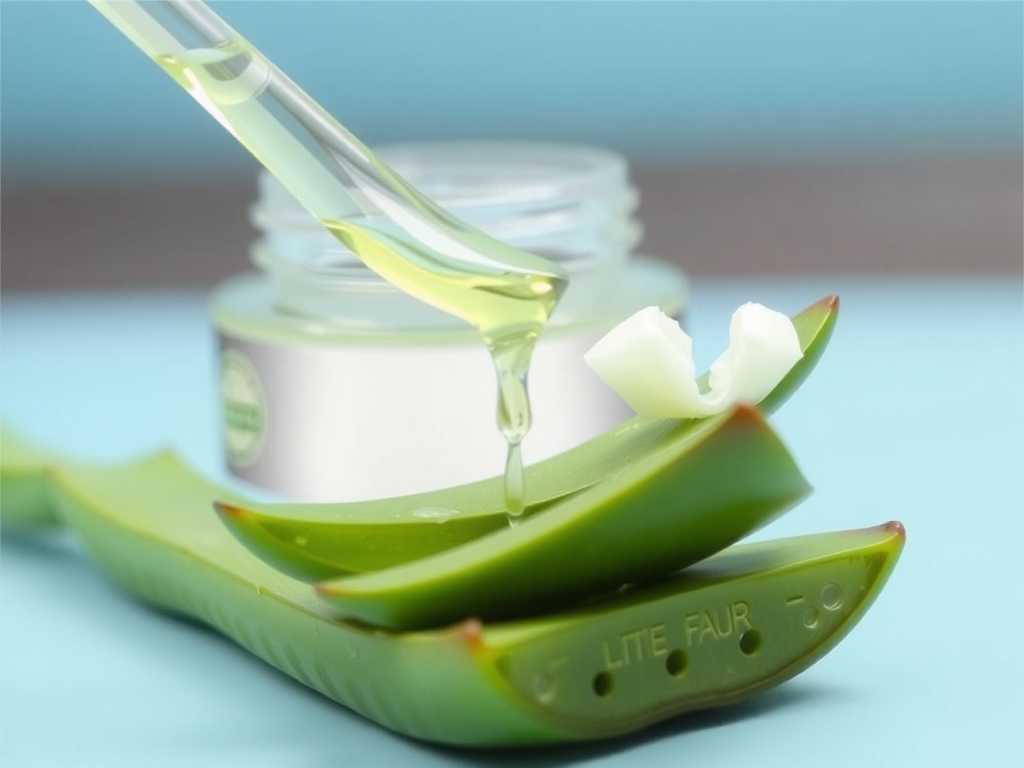
- Harvesting the Gel: I selected a thick, mature leaf from the base of my plant. Using a clean knife, I cut it at an angle and let the yellow aloin sap drain out for 10 minutes (this sap can be irritating). I then filleted the leaf, scooping out the clear inner gel with a spoon.
- Blending: I placed the fresh gel in a small blender to achieve a smooth, watery consistency. Hand-whisking left it too chunky.
- Mixing: I combined the blended aloe vera gel, argan oil, and lavender oil in a clean glass jar. I stirred vigorously until the oil was somewhat emulsified into the gel.
- Storage: I labeled the jar with the date and stored it in the refrigerator to preserve freshness, as this concoction contains no preservatives.
The Two-Week Experiment: Application and Observed Effects
I have wavy, medium-porosity hair that is prone to dryness. My routine was simple: apply the serum to damp, towel-dried hair after every wash (three times a week).
Week 1: The Learning Curve
- Days 1-3: After my first wash, I applied a coin-sized amount, focusing on my mid-lengths and ends. The result was immediate smoothness. My hair air-dried with significantly less frizz and felt softer. However, I noticed the serum didn't distribute evenly when I just rubbed it between my palms.
- The "C坑" and Fix: My first pitfall was application method. Rubbing created uneven patches. The solution? I started applying the serum section by section. I poured a small amount into my hands, emulsified it with a little water, and gently glazed it over small sections of hair, ensuring each strand was coated. This was a game-changer for managing frizz with aloe vera.
- Days 4-7: With the new application method, consistency improved. My hair was noticeably more defined and less puffy. I also used a tiny amount on dry hair to tame flyaways, which worked well without causing buildup.
Week 2: Notable Transformation
- Days 8-14: By the second week, the effects compounded. My hair felt stronger and more hydrated from within. The frizz reduction was not just superficial; even on a moderately humid day, my hair remained settled. The natural shine was better than any silicone-based serum I'd used. The combination of aloe's hydration and argan oil's sealing properties created an effective natural hair frizz remedy.
Key Observations After 14 Days:
- Frizz Reduction: Approximately 70-80% reduction in typical frizz and flyaways.
- Hair Texture: Softer, smoother, and more manageable. Detangling became easier.
- Weight & Feel: No greasy residue. My hair felt lightweight and clean.
- Scalp Health: My scalp felt balanced—no dryness or excess oiliness.
Essential Tips and Lessons from My Trial
My journey wasn't without lessons. Here’s what I wish I knew from the start:
- Fresh vs. Store-Bought Gel: I initially tried store-bought gel for convenience. It contained stabilizers and had a different viscosity, making the serum less effective and slightly sticky. Solution: Always use fresh gel or opt for a trusted, pure, preservative-free brand. The quality of aloe is paramount for aloe vera frizz control.
- The Preservation Problem: Around day 10, my refrigerated serum started developing a faint off-smell. Solution: I learned to make smaller batches weekly. Adding a drop of vitamin E oil can also act as a natural preservative and boost hair health.
- Patch Test is a Must: Before my first full application, I did a patch test behind my ear. Always do this, especially with essential oils, to rule out any allergic reactions.
- Porosity Matters: My medium-porosity hair drank this up. Those with low-porosity hair might find it sufficient to use aloe vera gel lightly on its own, as adding too much oil could weigh hair down.
Frequently Asked Questions
Can I use this serum on dry hair? Yes, but sparingly. Take a minuscule amount, rub it between your palms until it's almost transparent, and then gently smooth it over the surface of your hair to target flyaways. Using too much on dry hair can disrupt your style.
How long does the homemade serum last? When stored in a sealed jar in the refrigerator, it's best used within 7-10 days. This ensures freshness and potency since we aren't using synthetic preservatives. Making small, frequent batches is part of the DIY ritual.
Will aloe vera make my hair stiff or crunchy? No, pure aloe vera gel should not create a cast or stiffness like some styling gels. It is a natural conditioner. If you experience stiffness, it's likely due to using a store-bought gel containing additives like alcohols or polymers. Stick to pure, fresh gel.
My two-week deep dive into using aloe vera for hair frizz control was genuinely enlightening. It moved from being a kitchen-window plant to my go-to hair care ally. The DIY serum recipe is simple, cost-effective, and, most importantly, effective. It tackles frizz by addressing its root cause—lack of moisture—rather than just coating the hair. The process taught me patience, the importance of quality ingredients, and that sometimes, the most powerful solutions grow quietly in a pot on your sill. If you're seeking a natural path to smoother, healthier hair, this aloe vera journey is a worthwhile experiment to begin.