bluename
 aloe vera plant Growth: Monitoring Progress for Lush, Healthy Plants
There's nothing quite as frustrating as watching your aloe vera plant struggle. You give it what you think is the perfect sunny spot, water it when you remember, and hope for the best. Yet, instead of the plump, vibrant green spears you envisioned, you're left with a pale, limp, or even mushy plant. I've been there. The key to turning this around isn't just care; it's systematic aloe vera plant growth monitoring. Without tracking changes, you're just guessing. For the past two weeks, I embarked on a focused observation mission on my own aloe pups, and the insights were game-changing.
Why Simply "Watching" Your Aloe Isn't Enough
We often think we'll notice changes, but our memory is imperfect. Was that leaf slightly curled last Tuesday, or is it worse today? Is the new growth actually progressing? Monitoring aloe vera development requires a method. According to the Royal Horticultural Society (RHS), consistent observation is the cornerstone of diagnosing plant health issues before they become critical. I decided to move from passive watching to active, documented monitoring.
My 2-Week Aloe Vera Progress Tracking Protocol
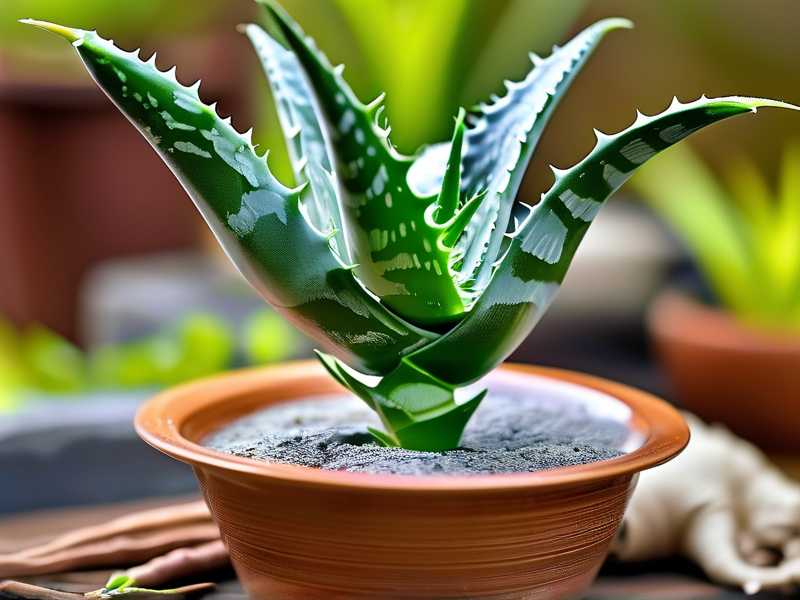
I selected two young aloe vera offsets that had been recently repotted. My goal was to establish a baseline and track their response to a controlled environment.
Week 1: Establishing a Baseline and Initial Adjustments
Day 1-3: The Initial Assessment and Setup First, I documented everything. I took clear, well-lit photos of each plant from the top and side. I noted:
- Leaf Color & Texture: Both were a decent green but slightly dull.
- Leaf Firmness: Gently squeezing a lower leaf showed it was firm but not rock-hard.
- New Growth: Each had one small, central spear emerging.
- Potting Mix: A fast-draining cactus/succulent mix.
- Light: They were in an east-facing window getting about 3 hours of direct morning sun.
I placed them on a consistent watering schedule: a thorough soak only when the soil was completely dry 2 inches down. I used a moisture meter to eliminate guesswork. This initial step in tracking aloe vera plant progress is crucial—you can't measure change without a starting point.
Day 4-7: The First Observations and a Minor Scare By Day 4, I noticed the very tips of the oldest leaves on one plant were turning a faint brown and felt dry. Alarm bells rang—was it sunburn or underwatering? This was my first "pitfall."
- The Pitfall: Jumping to conclusions and overcorrecting. My instinct was to water it immediately.
- The Solution: I checked my notes. The soil was still slightly moist at the root level. I consulted the Arizona-Sonora Desert Museum's (ASDM) resources on aloe adaptations, which highlighted that slight tip browning can be normal corking or a sign of previous inconsistent watering. I held off on watering. Instead, I used a sheer curtain to diffuse the strongest morning light slightly. I continued to monitor daily.
Week 2: Documented Response and Visible Growth
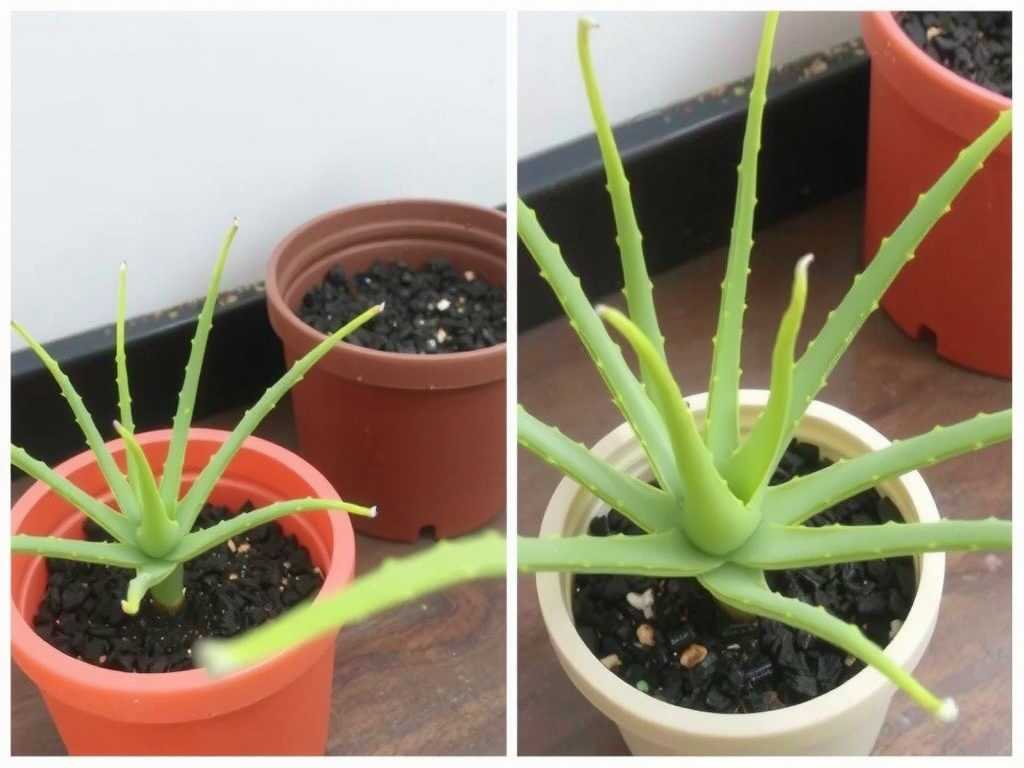
Day 8-11: Signs of Positive Traction The browning on the tips did not progress. More importantly, the central new growth spears on both plants appeared visibly taller—almost 1/4 inch! The leaves also developed a richer, more vibrant green hue. This wasn't just my impression; my Day 1 and Day 10 photos side-by-side proved it. The progress of aloe vera growth was now quantifiable. The plant that had the tip issue even seemed to firm up slightly.
Day 12-14: Consolidating the Routine and Measuring Results By the end of the second week, the routine was solid. Check soil moisture, observe for color and texture changes, note new growth. The results were clear:
- New Growth: Both central spears had grown approximately 3/8 of an inch in 14 days.
- Color Improvement: The overall plant color deepened from a dull to a glossy, healthy green.
- No Further Issues: The early tip browning stabilized, confirming it was a legacy issue, not an active threat.
This two-week deep dive into observing aloe vera growth stages taught me that consistency in environment and observation leads to predictable, healthy development.
Essential Tools for Effective Aloe Monitoring
You don't need a lab, but a few tools are indispensable.
- Journal & Pen: The most important tool. I logged dates, observations, and actions.
- Camera: Smartphone photos are perfect for visual comparison.
- Moisture Meter: This eliminated my biggest variable—overwatering. The American Horticultural Society (AHS) stresses that overwatering is the single most common killer of succulents like aloe.
- Flexible Ruler: To measure new spear height accurately.
Common Growth Signals and What They Mean
Through this process and past experience, I've learned to decode my aloe's language.
- Soft, Mushy Leaves: Almost always overwatering. Stop watering immediately, check for root rot.
- Thin, Curled Leaves: The plant is using its internal water reserves. It's thirsty. Water deeply.
- Pale, Stretched Growth (Etiolation): Desperate reach for more light. Relocate to a brighter spot gradually.
- Brown, Crispy Tips: Can be sunburn (if in harsh, direct light suddenly) or a sign of mineral buildup from tap water. I now use filtered or rainwater.
How often should I check on my aloe vera plant? For active aloe vera plant growth monitoring, a daily 60-second visual check is ideal. However, deep assessments—checking soil moisture, measuring growth—should be done weekly. Over-handling can stress the plant.
What is a normal growth rate for an indoor aloe vera? Don't expect rapid growth. In ideal conditions, you might see a new leaf emerge or grow an inch every month during the growing season (spring/summer). My two-week observation showed subtle but confirmable progress, which is typical. Patience is key.
My leaves are green but not growing at all. What's wrong? A healthy but static aloe is often in need of more light or a slight nutrient boost. Ensure it gets at least 6-8 hours of bright, indirect light. Consider a diluted, balanced fertilizer once at the start of the growing season, but only if the plant has been in the same soil for over a year.
Successful aloe vera care hinges on moving from reactive worry to proactive, documented observation. Those two weeks of disciplined tracking aloe vera plant progress transformed my approach. I no longer wonder if my plant is okay; I have a record that shows me. By paying close attention to the subtle signals—the color shift, the firmness of a leaf, the slow unfurling of new growth—you build a dialogue with your plant. It tells you what it needs, and you learn to respond precisely. Start your own monitoring journal this week. The path to a lush, thriving aloe vera begins with simply paying attention.