bluename
 How to Prevent Aloe Vera from Sunscald: My 2-Week Rescue Mission
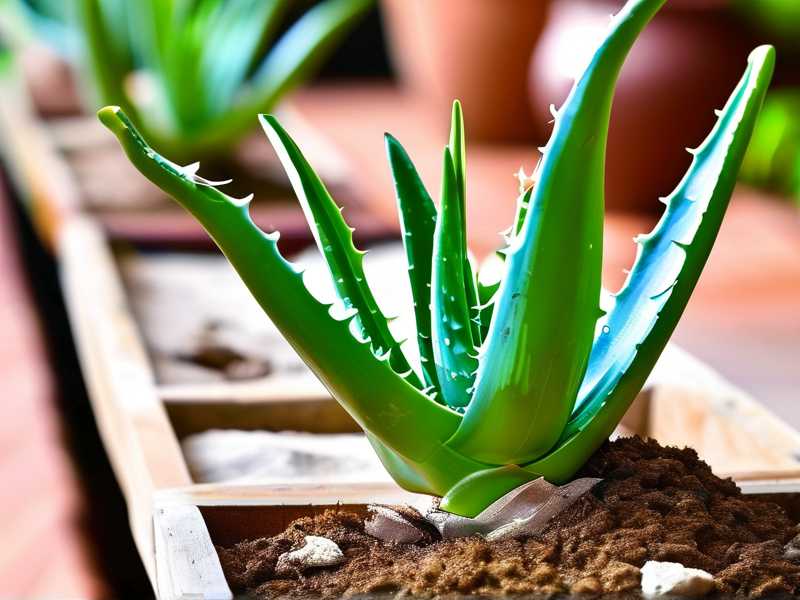
I’ve lost count of how many times I’ve seen that heartbreaking sight: a once-plump, vibrant green aloe vera plant turning pale, then brown, and developing dry, crispy patches. For years, I thought it was underwatering or disease. It wasn’t until I moved a prized specimen to a sun-drenched windowsill that I witnessed the rapid onset of aloe vera sunscald firsthand. The damage was shockingly fast. If you’re seeing bleached, papery, or sunken brown spots on your aloe, you’re likely dealing with the same issue. Preventing and treating sunscald is crucial, not just for aesthetics, but for the plant’s survival and its ability to produce that precious gel we all love.
My journey to understand how to prevent aloe vera from sunscald became a personal mission. I combined research from horticultural societies like the Royal Horticultural Society (RHS) with my own hands-on trials. What follows is my detailed, step-by-step account of rescuing a sun-scalded aloe, the exact measures I took to shield it, and the tangible results I observed over a critical two-week period.
Understanding the Enemy: What Is Sunscald on Aloe Vera?
Before diving into the fix, let’s define the problem. Sunscald is essentially a severe sunburn. Aloe vera, while sun-loving, is easily scorched by intense, direct sunlight, especially when it’s sudden. According to the RHS, plants accustomed to lower light levels haven’t developed protective pigments. Exposing them abruptly to high-intensity light causes cellular damage in the outer layers of the leaves.
The signs are distinct:
Discoloration: Leaves turn from green to a pale, washed-out yellow or white (bleaching).
Texture Change: The affected areas become dry, papery, and thin.
Browning: Severe cases progress to crispy, sunken brown or rust-colored patches.
Location: Damage appears primarily on the upper surfaces facing the sun.
This is different from overwatering (mushy, translucent leaves) or fungal issues (often spotty with a yellow halo). Recognizing this was my first crucial step.
My Step-by-Step Rescue and Prevention Protocol
When I discovered my favorite aloe showing early signs of scalding—pale, whitish patches on its tallest leaf—I sprang into action. Here was my plan, executed over the first 48 hours.
Immediate First Aid: The Relocation and Assessment
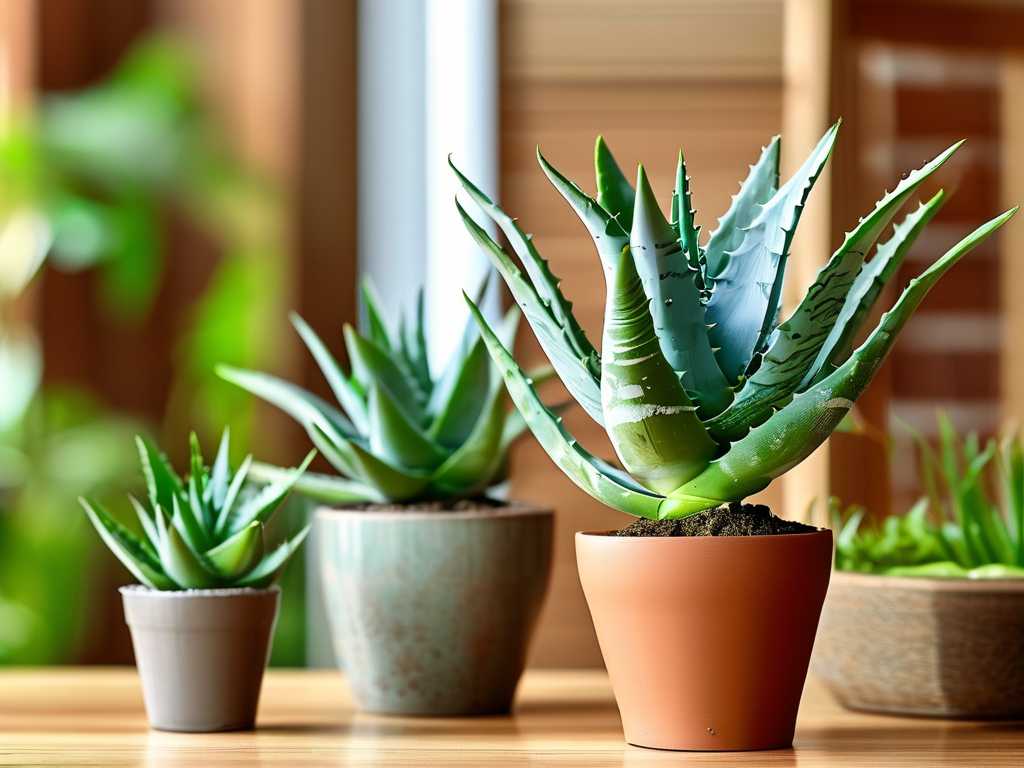
My first move was non-negotiable: I immediately moved the plant out of direct sunlight. I chose a bright location with strong, but completely indirect, light—a spot about 6 feet back from a south-facing window, where it received ample brightness but no harsh rays.
Next, I performed a thorough assessment. I gently felt every leaf. The scalded areas were dry and slightly rough. I checked the soil; it was bone dry, which confirmed the issue wasn’t root rot. I resisted the overwhelming urge to water it heavily. A stressed, damaged plant is more susceptible to root rot if overwatered. Instead, I gave it a moderate, deep drink, allowing excess water to drain fully, ensuring the roots could access moisture without sitting in it.
The Gradual Acclimation Strategy (The Key to Prevention)
This is the most critical step for long-term health. You cannot simply move an aloe from shade to full sun. The American Horticultural Society (AHS) emphasizes the process of “hardening off”—gradually introducing plants to increased light levels.
Here was my 14-day acclimation schedule:
Days 1-4: Kept the plant in its new, bright indirect light location.
Days 5-7: Introduced it to gentle morning sun (before 10 AM) for about 1-2 hours.
Days 8-10: Increased morning sun exposure to 3-4 hours.
Days 11-14: Allowed it to enjoy morning sun until noon, then moved it back to indirect light for the intense afternoon hours.
This slow introduction allows the plant to build up protective anthocyanin pigments (which can give a slight reddish or bronze tint to the leaves—a healthy sign of acclimation) without sustaining damage.
Creating a Sun Shield: Practical Adjustments
While my plant acclimated, I made environmental changes:
Sheer Genius: For my west-facing window where the afternoon sun is brutal, I installed a sheer curtain. It diffuses the light, providing the high brightness aloe craves while filtering out the scorching intensity.
The Companion Plant Trick: I strategically placed a taller, sun-hardy plant (a jade plant) slightly to the southwest of my aloe. During peak afternoon hours, it casts a partial shadow, creating a natural dappled light effect.
Rotation Ritual: Every time I watered, I rotated the pot a quarter turn. This ensured all sides received even, gentle light, preventing one side from becoming the “sacrificial leaf.”
The 2-Week Observation Log: What Actually Happened
This wasn’t a set-and-forget process. I monitored my aloe daily, and here’s the evolution:
Days 1-3: The plant seemed to be in shock. The scalded patches remained pale and dry. No improvement, but crucially, no worsening.Days 4-7: After a week in stable, indirect light, I noticed the firmness returning to the undamaged green parts of the leaves. The plant looked less “stressed.” The damaged areas, however, were permanent scars.Days 8-10: During its first few mornings of direct sun, I watched like a hawk. No new damage appeared. The green portions deepened in color, and the very tips of new growth showed a healthy, slight reddish tinge—the promised acclimation pigment!Day 14: Success. The existing sunscald damage had calloused over—it was dry and stable, not spreading. The rest of the plant was plump, a rich green, and visibly thriving. New growth from the center was robust and uniformly colored. The plant had fully adapted to its morning sun routine.
The Pitfalls I Encountered (And How You Can Avoid Them)
My path wasn’t perfectly smooth. Here’s where I stumbled and what I learned:
The “More Water” Fallacy: My initial instinct was to drench the plant, thinking the crispiness meant thirst. This is dangerous. Sunscald damages the leaf’s ability to retain water, but the roots may be fine. Overwatering a compromised plant invites root rot. The Fix: Always check soil moisture 2 inches down. Water only when completely dry, and ensure superb drainage.
The Acclimation Impatience: About a week in, feeling confident, I left it out for a full afternoon. The very next day, a leaf that had been perfectly green developed a new, small bleached spot. I had rushed. The Fix: Stick to the schedule rigidly. If you see any new discoloration, pull back a phase for a few more days.
Misdiagnosing Permanent Damage: I was tempted to cut off the ugly, scalded leaves immediately. But removing too much photosynthetic tissue can further stress the plant. The Fix: Only prune leaves that are over 50% damaged or completely shriveled. Let the plant reclaim nutrients from the mildly damaged ones. They won’t heal, but they’re still functional. I carefully trimmed off only the worst third of one leaf using a sterile knife.
Can a sun-scalded aloe vera leaf turn green again?No, unfortunately. The damaged tissue is dead and cannot regenerate or regain its chlorophyll. The goal is to stop the damage from spreading and to support the plant in producing new, healthy growth. The old scars will remain but will become less noticeable as the plant grows larger.
What’s the difference between sun stress (red tint) and sunscald?A reddish or bronze tint, especially on the edges or new growth, is a normal, healthy sign of sun stress. It’s the plant’s sunscreen—anthocyanin pigments developing in response to strong light. Sunscald is actual damage: pale bleaching, dry papery texture, and browning. Think of a healthy tan versus a painful blistering burn.
Is morning sun or afternoon sun better for preventing aloe vera sun damage?Morning sun is almost always superior. It is intense but less harsh, with lower heat levels. The hot, scorching rays of the afternoon sun (particularly from mid-afternoon onward) are the primary cause of sunscald. An east-facing location or a spot with afternoon shade is ideal for keeping your aloe safe from the harshest light.
Seeing your aloe vera suffer from sunscald is a wake-up call, but it’s a completely reversible situation with patience and the right protocol. The core lesson is that these resilient plants need protection from our help to thrive in our homes. By understanding their limits, implementing a strict gradual acclimation process, and using simple tools like sheer curtains, you can enjoy a robust, gel-filled aloe that benefits from the sun without falling victim to it. The transformation over my two-week vigil was proof that with attentive care, you can not only stop sunscald in its tracks but also cultivate a stronger, more adaptable plant.