bluename
 Can Aloe Vera Grow in a Hydroponic System with Other Plants? My 2-Week Experiment
I’ve always been fascinated by the idea of a compact, thriving indoor garden. As a plant enthusiast with a growing collection, space is a constant battle. I wanted to see if I could combine the low-maintenance, healing appeal of aloe vera with the efficiency of hydroponics, all while sharing the system with other herbs. The big question driving my experiment was: can aloe vera grow in a hydroponic system with other plants? I decided to find out firsthand, documenting every step, success, and setback over a focused two-week period.
Why Mix Aloe Vera with Hydroponics? Understanding the Challenge
Most guides focus on fast-growing leafy greens or herbs for hydroponics. Aloe vera, a succulent, is a different beast. It stores water in its leaves and is prone to rot in soggy soil, let alone a water-based system. My core hypothesis was that with the right hydroponic setup—one that prioritizes exceptional drainage and air exposure to the roots—it could not only survive but thrive alongside compatible plants. I aimed to test its viability in a hydroponic garden setup and explore the concept of companion planting in hydroponics.
My Hydroponic Setup and Plant Selection
For this trial, I chose a Deep Water Culture (DWC) system with a twist. Standard DWC submerges roots constantly, which I knew would be a death sentence for aloe. My modified version used a net pot filled with a very coarse, inert medium like clay pebbles (hydroton), ensuring the base of the aloe sat well above the water line. Only the very tips of its roots would dangle into the nutrient solution. An air stone provided crucial oxygenation.
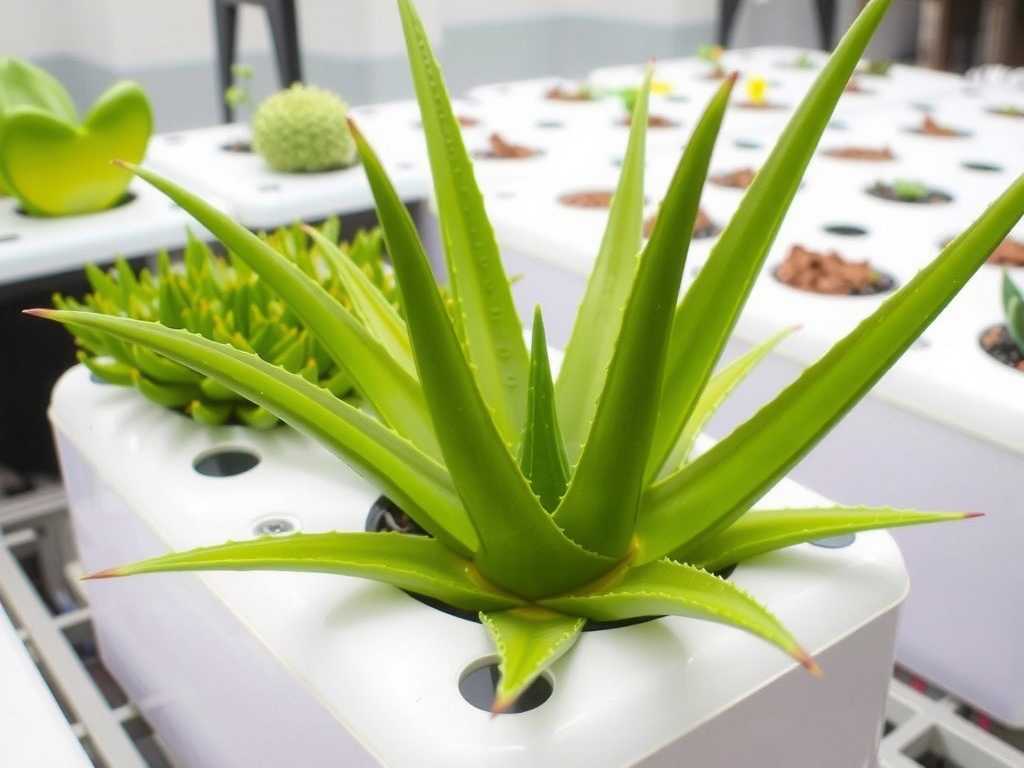
For companions, I selected plants with similar low-nutrient and dry-root preferences to create a compatible hydroponic plant grouping. I chose:
Rosemary: A Mediterranean herb that dislikes wet feet.
Thyme: Another herb that prefers drier conditions.
Lettuce (as a control): A classic, fast-growing hydroponic plant to highlight the differing needs.
The Step-by-Step Process: From Setup to Daily Care
Week 1: Establishment and Initial StressDay 1-2: I started with mature, healthy plants. I meticulously washed all soil from the roots, being extra gentle with the aloe’s thick, fleshy roots. I placed each plant in its own net pot with clay pebbles. The nutrient solution was mixed at half-strength of the recommended dose for leafy greens, as aloe and herbs require fewer nutrients. The key was setting the water level so it just kissed the bottom of the aloe’s root mass.
Day 3-5: The first signs of stress appeared. The lettuce perked up immediately, but the aloe vera leaves softened slightly at the base, and the rosemary looked wilted. This was my first major "hydroponic aloe vera care" crisis. I realized the ambient humidity was too high for the succulents and herbs trapped under the grow light’s dome.
The Fix: I immediately removed the humidity dome entirely and increased air circulation with a small fan. I also lowered the water level another half-inch, ensuring even less contact for the aloe’s core root ball.
Day 6-7: After the adjustments, the rosemary and thyme began to stabilize. The aloe’s leaves firmed up slightly. The lettuce, however, was growing explosively.
Week 2: Adjustment and ObservationDay 8-10: I settled into a routine. I checked the water level and pH (aiming for 6.0-6.5) daily. Evaporation was significant with the fan, so I topped up with plain, pH-adjusted water every other day. I did not add more nutrients, adhering to a "less is more" philosophy for this group.
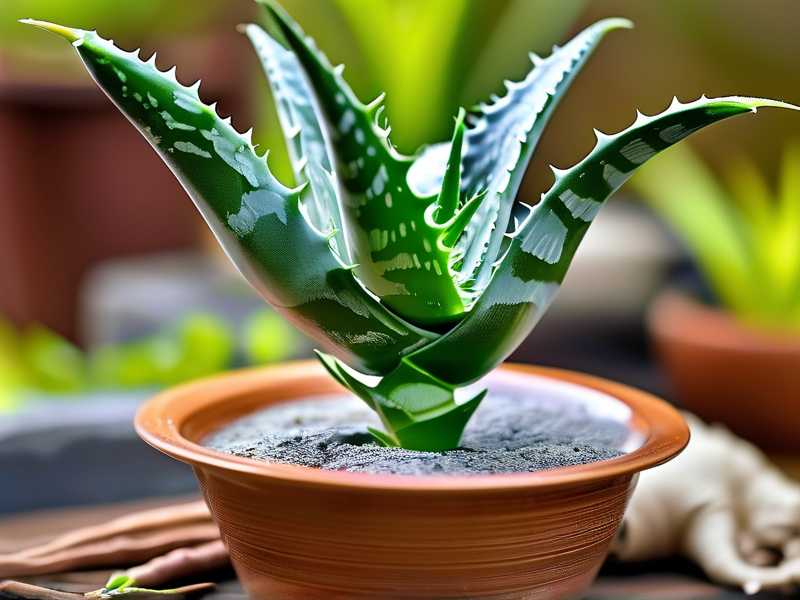
Day 11-14: Clear divergence was visible. The lettuce was ready for a first harvest. The rosemary and thyme showed steady, healthy new growth—pale, hydrated roots were extending into the solution. The aloe vera presented the most interesting result. It hadn’t grown new leaves, but the existing leaves became plump, firm, and displayed a deeper green color. Most importantly, several new, thick, white roots had grown down from the base into the reservoir. This was the definitive sign of adaptation.
Key Findings and Lessons Learned from My 2-Week Trial
Drainage and Aeration Are Non-Negotiable: Aloe vera will not tolerate "wet feet." A system that keeps the majority of its crown and roots in a moist, airy environment is critical. My modified DWC worked, but a drip system or an ebb-and-flow system might offer even better control.
Nutrient Strength is Crucial: Full-strength hydroponic nutrients will burn aloe vera roots and stress the herbs. A mild, balanced solution is essential. The Royal Horticultural Society (RHS) notes that succulents like aloe are adapted to low-nutrient environments, supporting my low-dose approach.
Companion Compatibility is Possible, But Selective: My experiment showed that co-cultivating aloe vera hydroponically with rosemary and thyme is feasible because they share a preference for drier root zones and lower fertility. The lettuce was a poor companion; its need for constant moisture and higher nutrients created conflicting care requirements. The American Horticultural Society (AHS) emphasizes grouping plants with similar water and light needs, a principle that applies doubly in hydroponics.
Patience is Required: Aloe vera is not a fast grower in soil, and that doesn’t change in water. Success is measured not in new leaves over two weeks, but in root development, leaf firmness, and overall plant vigor. It’s a long-term project, not a quick harvest.
Addressing Your Curiosities
Can I use the aloe gel during hydroponic growth?I would strongly advise against it. Harvesting gel stresses the plant. During the critical adaptation phase (the first few months), your goal is to let the plant establish its hydroponic root system. Once it’s vigorously growing new leaves, you can consider harvesting an older, outer leaf occasionally.
What other plants can share a system with hydroponic aloe?Stick to plants that dislike high moisture. Excellent candidates include oregano, sage, and even certain succulent varieties like sedum. Avoid moisture-loving plants like basil, mint, or leafy greens as direct system mates.
Is growing aloe vera hydroponically faster than in soil?In the short term, no. Initial growth may even be slower as the plant adapts. The potential long-term advantage isn’t necessarily speed, but rather controlled growth, freedom from soil-borne pests, and the ability to perfectly manage its nutrient intake, which can lead to a very healthy, resilient plant.
My two-week deep dive proved that with careful setup and managed expectations, aloe vera can indeed be grown hydroponically alongside other plants. The secret lies in respecting its succulent nature—prioritizing air over water, nutrients in moderation, and choosing companions that share its disdain for dampness. It’s a rewarding challenge that opens the door to creating unique, low-maintenance, and therapeutic indoor gardens.