bluename
 How to Prevent Aloe Vera From Getting Leggy: Your Complete Guide to a Fuller, Healthier Plant
You’ve nurtured your aloe vera plant, hoping for those plump, upright leaves that promise soothing gel. Instead, you’re faced with a sad, stretched-out specimen—a tall, wobbly stem with sparse, downward-curling leaves. This common issue, known as a "leggy" or "etiolated" aloe, is more than just an eyesore. It signals a plant struggling to find the conditions it needs to thrive. A leggy aloe vera is weaker, more prone to breakage, and produces less of the beneficial gel we cherish.
But here’s the good news: a leggy aloe vera is a cry for help, not a death sentence. This guide will walk you through the precise causes and, most importantly, the actionable solutions to prevent your aloe from getting leggy in the first place and restore an already stretched plant to its former glory.
Understanding Why Your Aloe Vera Gets Leggy (Etiolation)
At its core, legginess is a survival mechanism called etiolation. When a plant doesn’t receive enough light, it literally stretches itself toward the nearest light source. It accelerates vertical growth at the expense of compact, robust leaf development. For your aloe vera, this results in a long, often pale stem, widely spaced leaves, and a general "reaching" appearance.
The primary driver is inadequate sunlight. Aloe vera is a sun-loving succulent native to arid regions. It requires bright, direct light for several hours a day to maintain its compact form. Other contributing factors include improper watering, poor soil drainage, and a lack of essential nutrients, which compound the stress caused by low light.
The Ultimate Prevention Strategy: Providing Optimal Care
Preventing legginess is always easier than correcting it. By mastering these core elements of aloe vera care, you’ll build a strong, resilient plant that grows compact and healthy.
Give It the Light It Craves
This is the single most important factor. Your aloe vera needs bright, direct sunlight for at least 6-8 hours daily.
- Ideal Placement: A south-facing or west-facing window is perfect in most hemispheres. East-facing windows offer good morning sun.
- Acclimation is Key: If moving your plant to a sunnier spot, do it gradually over a week or two. Sudden, intense sun can cause scorching (brown, sunburned patches).
- Supplemental Lighting: For homes with limited natural light, especially in winter, consider a grow light. A simple LED grow light placed 6-12 inches above the plant for 12-14 hours a day can work wonders in preventing etiolation.
Master the Art of Watering
Overwatering is a silent killer for succulents and can weaken the plant's structure, making legginess worse. Aloe vera stores water in its leaves and prefers a "soak and dry" method.
- The Golden Rule: Water deeply only when the soil is completely dry. Insert your finger into the soil up to the second knuckle. If it feels dry, it’s time to water.
- Proper Technique: Water thoroughly until it runs out of the drainage holes, then let all excess water drain away. Never let your aloe sit in a saucer of water.
- Seasonal Adjustments: Water much less frequently in fall and winter when the plant's growth slows down.
Use the Right Soil and Pot
A leggy aloe needs a stable foundation. Heavy, moisture-retentive soil leads to root rot, which destabilizes the plant.
- Soil Mix: Always use a well-draining cactus or succulent potting mix. You can enhance a standard mix by adding perlite or coarse sand (50/50 ratio) for even better drainage.
- Pot Choice: Ensure your pot has ample drainage holes. Terracotta pots are excellent as they are porous and help wick away excess moisture from the soil.
Fertilize Sparingly
Aloe vera is not a heavy feeder. Too much fertilizer, especially high-nitrogen formulas, can encourage weak, spindly growth.
- Schedule: Fertilize only during the active growing season (spring and summer), and no more than once a month.
- Formula: Use a balanced, water-soluble fertilizer (like 10-10-10) diluted to half-strength, or a fertilizer specifically formulated for succulents.
Corrective Actions: How to Fix a Leggy Aloe Vera Plant
If your aloe is already stretched, don’t despair. You have several effective options, from simple pruning to complete propagation.
Strategic Pruning for a Healthier Shape
You cannot shrink a stretched stem, but you can prune to encourage a better shape and new growth.
- Remove Lower Leaves: Using a clean, sharp knife, carefully remove some of the oldest, drooping leaves at the base of the plant. This focuses the plant's energy on the remaining, healthier growth.
- Beheading and Replanting (The Most Effective Fix): This is the best method for severely leggy plants.
- Cut the top portion of the plant off, leaving a "head" with at least 3-4 inches of stem and a healthy rosette of leaves.
- Let the cut end callous over in a dry, shaded spot for 5-7 days. This prevents rot when planted.
- Plant the calloused end in fresh cactus mix. Do not water for the first week to allow roots to form.
- The original base (the "stump") will often produce new offsets (pups) around its base.
Propagating New Plants from Offsets (Pups)
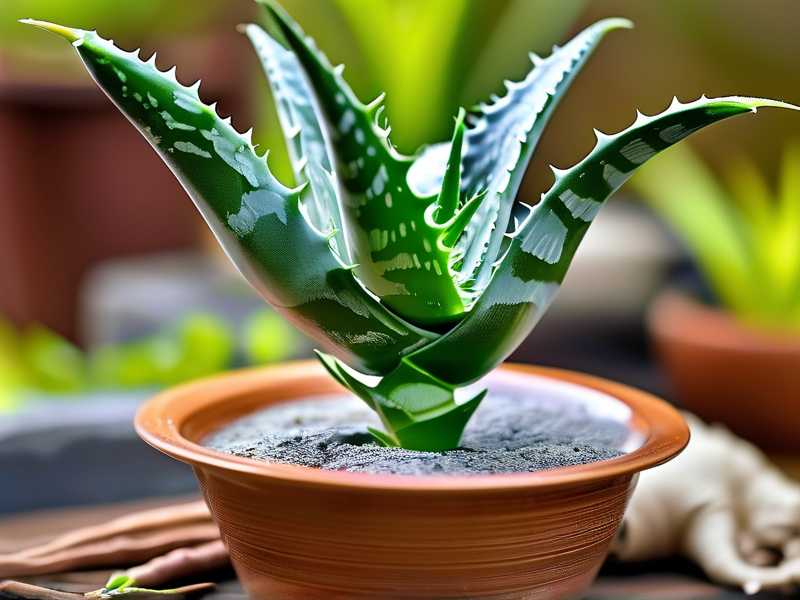
A mature, healthy aloe vera will produce baby plants, or pups, at its base. These are genetic clones and the easiest way to get new, compact plants.
- Separation: Gently remove the mother plant from its pot. Carefully separate the pup from the main plant, ensuring it has some of its own roots attached.
- Potting: Plant the pup in a small pot with fresh succulent mix. Water lightly after a few days.
Providing Adequate Support During Recovery
For a tall plant that is still relatively healthy, you can provide temporary support.
- Staking: Gently tie the main stem to a small, discreet stake using soft plant ties. This prevents toppling while you correct its light situation. The goal is to support, not constrict, growth.
My aloe vera is leaning heavily to one side. What should I do? This is a classic sign it's reaching for light. First, rotate the pot a quarter turn every week to ensure even light exposure. Then, permanently move it to a much brighter location. For an immediate fix, you can carefully re-pot it, positioning the stem more upright in the soil. The long-term solution, however, is always more light.
Can I just cut the long stem off and re-plant the top? Absolutely. This "beheading" method is highly effective for saving a severely leggy aloe vera. Follow the steps outlined above: cut, callous, and re-plant the healthy top rosette. The original base will often reward you with new pups.
How often should I repot my aloe vera to prevent problems? Repotting every 2-3 years, or when you see roots growing out of the drainage holes, is a good practice. It refreshes the depleted soil, gives the roots more room, and prevents compaction that can contribute to stress and poor growth. Always repot into a container only 1-2 inches larger in diameter than the previous one.
A leggy aloe vera is a clear communicator. By listening to its needs—primarily a significant increase in bright, direct light—and supporting it with proper watering and soil, you can stop the stretching. For plants already affected, corrective pruning and propagation offer a fresh start. With consistent care focused on mimicking its natural, sunny habitat, your aloe vera will reward you with the sturdy, compact growth and abundant gel that make this plant a cherished, low-maintenance companion. Remember, prevention through optimal light is the simplest path to a perpetually perfect aloe.