bluename
 How to Prevent Aloe Vera from Being Eaten by Rodents: A Gardener's Battle-Tested Guide
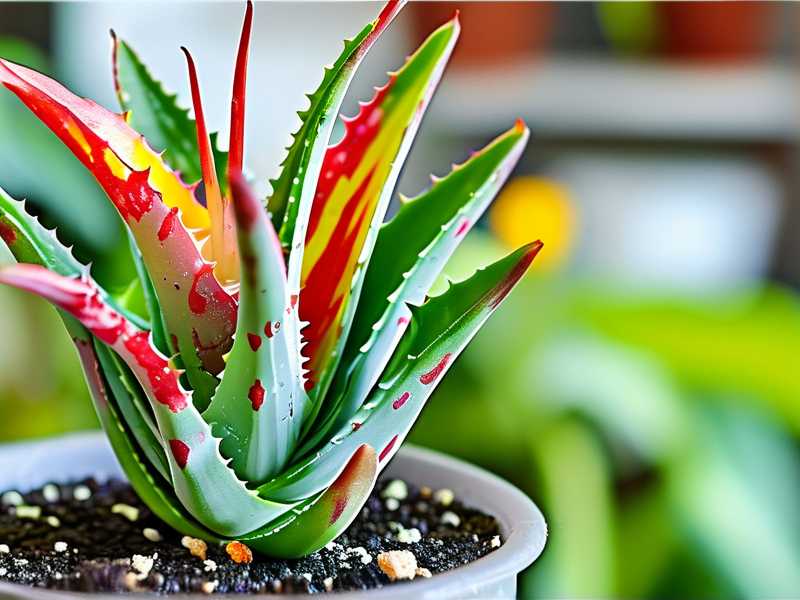
I’ve spent years cultivating a lush indoor and outdoor garden, and my aloe vera plants have always been my pride and joy. That is, until I started finding jagged, heartbreaking bites taken out of their plump, fleshy leaves. Discovering your precious aloe vera being eaten by rodents is a uniquely frustrating experience. You’re not just dealing with pest damage; it feels like a personal violation of your carefully nurtured greens. If you’re reading this, you’ve likely found the same tell-tale teeth marks and are desperate for a solution. I was too. After extensive trial, error, and two weeks of diligent observation, I’ve compiled what truly works to protect aloe vera from pests like mice and rats.
My journey wasn't straightforward. I tried quick fixes that failed and finally landed on a multi-layered defense strategy. This guide is my firsthand account of the steps I took, the mistakes I made, and the results I saw over a critical 14-day period.
Understanding Why Rodents Target Your Aloe Vera
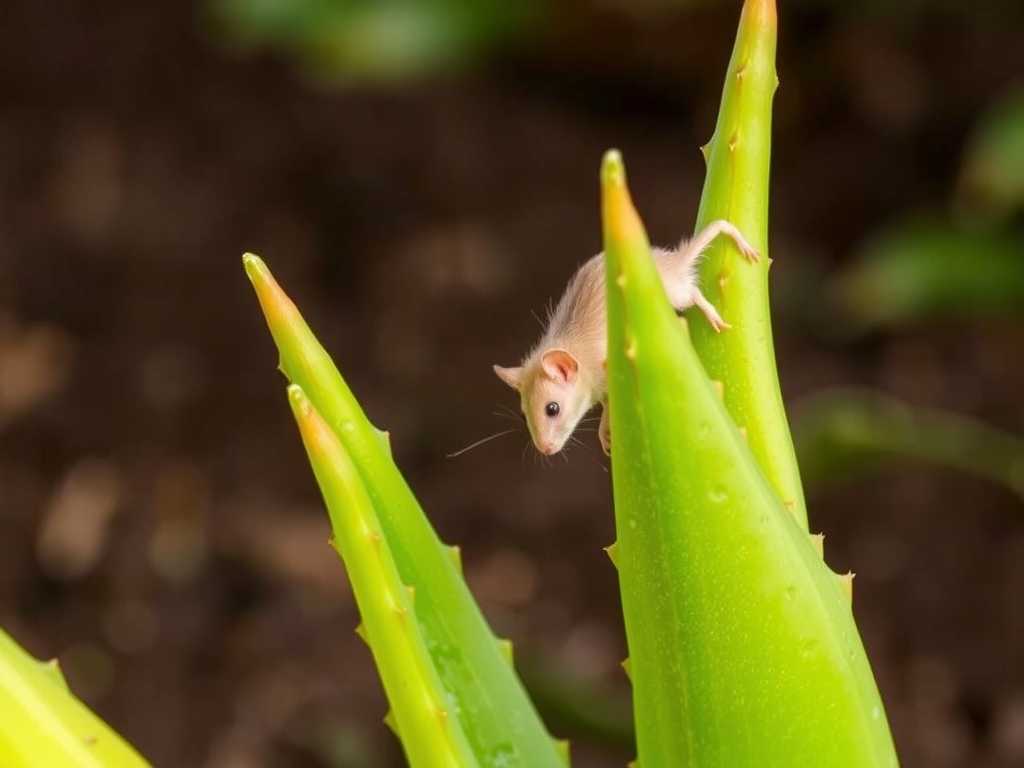
Before we dive into the solutions, it’s crucial to understand the "why." Initially, I was confused—aloe is known for its bitter latex. However, according to insights from pest management resources like those from the RHS (Royal Horticultural Society), rodents, particularly in dry seasons or when other food sources are scarce, chew on succulent plants like aloe for moisture. The tender, water-filled leaves are a convenient hydration source. Furthermore, their constantly growing incisors need to be filed down, and the firm yet yielding texture of an aloe leaf is perfect for that gnawing instinct.
My Multi-Layer Defense Plan: Implementation and Observation
I decided to tackle the problem on three fronts: physical barriers, natural deterrents, and environmental modification. I implemented this plan on two large, potted aloe plants on my patio that had suffered repeated attacks.
Week 1: Setting Up the Defenses
Day 1-3: Physical Fortification – The Cage My first step was to create a physical barrier. Chicken wire or hardware cloth was the most recommended solution. I chose a ¼-inch mesh hardware cloth, as recommended by the AHSA (American Horticultural Society Almanac) for small rodent exclusion.
- My Steps: I measured the circumference and height of my aloe pots. I cut the hardware cloth to size, forming a cylinder that would stand about 10 inches taller than the plants. I wore sturdy gloves to handle the sharp edges. I placed the cylinder around the pot, burying the bottom 2 inches into the soil to prevent burrowing, and secured it with wire ties. It wasn’t the most decorative item, but it was a fortress.
- The First Pitfall: My initial cylinder was too narrow. As the aloe leaves grew, they pressed against the metal. I realized this could either stunt growth or provide a surface for rodents to cling to. I remade the cages with a diameter a good 6 inches wider than the plant’s spread.
- Solution: Always build the barrier with the plant’s growth in mind. Give it ample space.
Day 4-5: Introducing Natural Deterrents I wanted an extra layer of protection and a scent barrier. Research pointed to peppermint oil and cayenne pepper as natural rodent repellents.
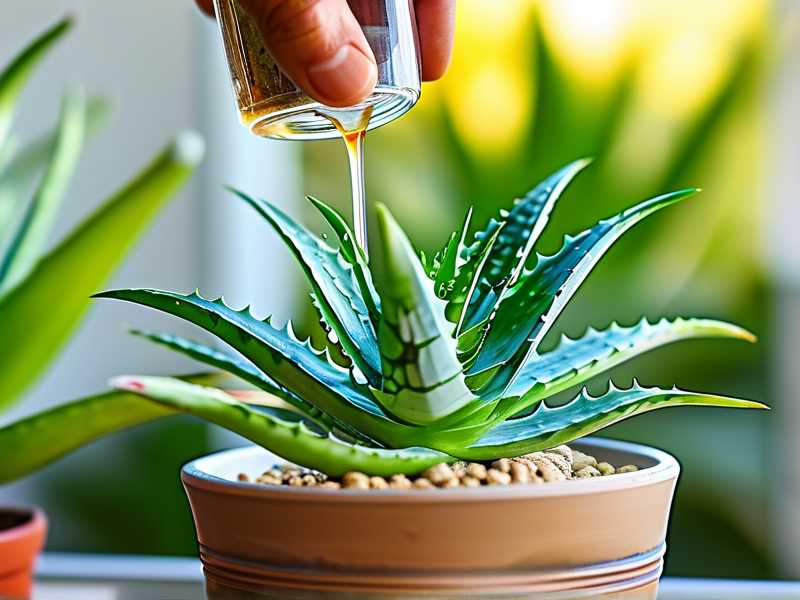
- My Steps: For the peppermint oil, I soaked several cotton balls in 100% pure peppermint oil and placed them on the soil inside the hardware cloth cage, away from direct contact with the plant. I refreshed these every 4 days. For the cayenne pepper, I made a spray by mixing 2 tablespoons of cayenne powder with a few drops of natural dish soap in a quart of water. I sprayed this on the soil surface and the outside of the pot and hardware cloth. Crucial note: I did not spray it directly on the aloe leaves to avoid potential damage.
- Major Pitfall: I initially sprayed the cayenne mixture liberally, including on the patio stones. A heavy rain came on Day 2 of this treatment and washed it all away, creating a spicy puddle but no lasting protection.
- Solution: I learned to apply the cayenne spray only under sheltered conditions or reapply immediately after rain. The cotton balls in their cage-protected location held up much better.
Day 6-7: Environmental Clean-Up This step is about removing the invitation. I audited my garden area.
- My Steps: I removed any fallen leaves, debris, or stacked pots near my aloes that could serve as rodent hiding spots. I ensured my compost bin was securely sealed. I also moved my bird feeder to the far end of the yard, as spilled seed is a prime rodent attractant.
- Observation: This felt like the most logical step. By removing easy shelter and alternative food, I was making my aloe plants a less convenient target.
Week 2: Monitoring and Adjusting
Day 8-14: The Vigil The two-week observation period was key. Every morning, I would check for new bite marks, sniff for the strength of the peppermint, look for signs of digging, and note the plant's health.
- Results:
- Physical Barrier: The hardware cloth cage was 100% effective. No rodent could get through. This was the undeniable MVP of the operation.
- Scent Deterrents: The peppermint cotton balls needed refreshing as their scent faded after 3-4 days. I found no evidence of rodents attempting to dig near the pots, suggesting the scent barrier, combined with the cage, was a good deterrent. The cayenne pepper spray, while messy, showed no negative effects on the plant when applied correctly to the soil.
- Plant Health: My aloes, free from attack, began to show signs of recovery. The damaged leaves calloused over, and the plants focused energy on new growth. No new damage occurred.
The Verdict After 14 Days
The combined strategy was a resounding success. The physical barrier method for aloe vera was the non-negotiable core. The scent deterrents added a useful psychological layer (for me and the rodents!), and the garden clean-up addressed the root cause. My rodent-proofing for succulent plants was complete.
Addressing Your Burning Questions
Will rodent damage kill my aloe vera plant? Not usually. Aloe vera is remarkably resilient. A few bites are unsightly but not fatal. The plant will seal the wound. The real danger is repeated, systematic gnawing, which can stress the plant, open it to infection, and severely limit its growth. My plants bounced back once the attacks stopped.
What about using poison or traps? I deliberately avoided rodenticides. Poison poses severe risks to pets, wildlife, and even children. It also doesn't prevent new rodents from arriving. Snap traps can be effective but are a reactive, not preventive, measure and require disposal. My goal was a humane, preventative solution for aloe vera pest control that didn't introduce new dangers into my garden.
Are there any plants that repel rodents that I can companion plant? While some sources mention mint, daffodils, or marigolds, their effectiveness as a standalone rodent deterrent is anecdotal and unreliable for a prized plant like aloe. I wouldn't rely on them alone. They could be part of a broader garden strategy, but for direct protecting aloe vera from pests, the physical barrier is irreplaceable.
Seeing those first teeth marks on my aloe was disheartening, but it led me to a robust solution. The key takeaway is that a single method often fails. Rodents are persistent. By combining an impenetrable physical cage with consistent scent deterrents and a tidy garden environment, you create a defense system they will simply bypass for easier targets. My aloe plants are now thriving, their cages a small price to pay for their safety and beauty. It requires a little effort upfront, but the peace of mind and intact leaves are absolutely worth it.