bluename
 Is your skin feeling tight, flaky, and begging for relief? You’re not alone. Dry skin is a common complaint, often worsened by weather, harsh products, and environmental factors. While countless moisturizers promise a solution, many contain synthetic ingredients that can further irritate sensitive, parched skin. The answer, however, might be growing quietly on your windowsill. Using aloe vera for dry skin offers a time-tested, natural path to deep hydration and soothing comfort, harnessing the power of a plant revered for centuries for its healing properties.
Why Aloe Vera is a Dry Skin Superhero
Aloe vera isn’t just a sunburn soother; it’s a complex, water-rich plant with a unique biochemical profile perfectly suited to combat dryness. Its magic lies in the clear gel stored within its fleshy leaves. This gel is rich in polysaccharides, vitamins (A, C, E, B12), minerals, and enzymes that work in harmony.
For dry skin, aloe vera acts in three key ways:
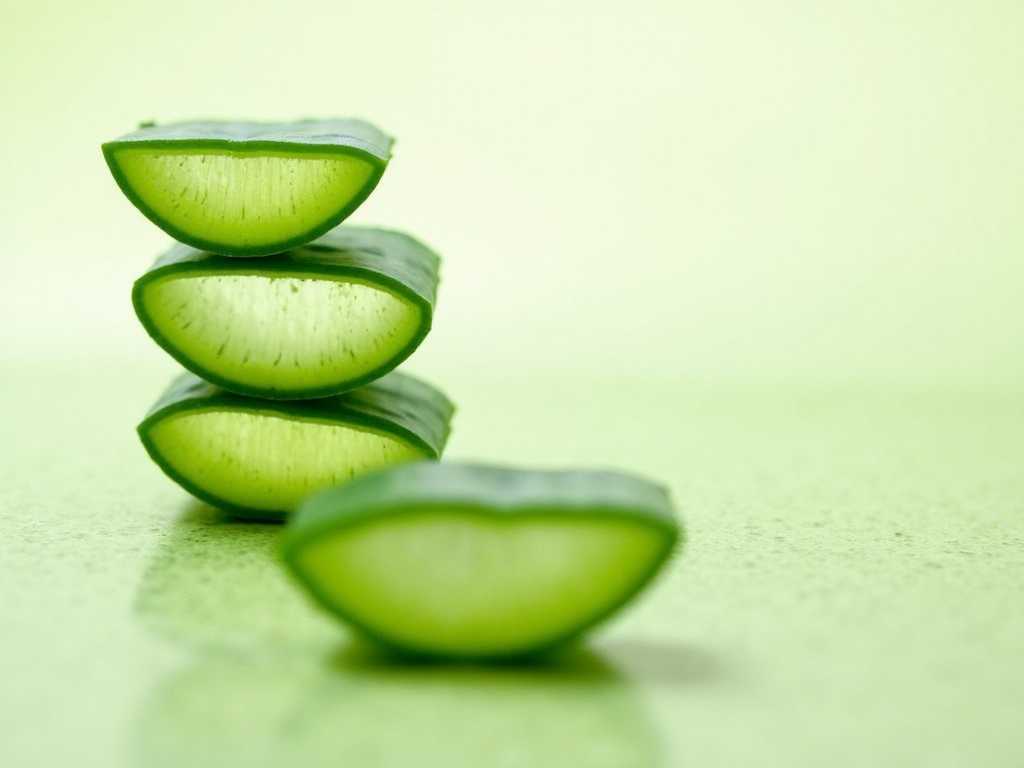
- Intense Hydration: It is over 99% water, providing an immediate surge of moisture. More importantly, its mucopolysaccharides help bind moisture to the skin, creating a lasting hydrating effect rather than a temporary fix that evaporates.
- Strengthens the Skin Barrier: A compromised skin barrier is often the root cause of dryness, allowing moisture to escape. Aloe vera contains compounds that support the repair and maintenance of this protective layer, helping your skin retain its natural hydration.
- Soothes and Reduces Irritation: Dry skin is often inflamed and sensitive. Aloe vera boasts powerful anti-inflammatory properties, thanks to components like auxins and gibberellins, which calm redness and reduce the uncomfortable feeling of tightness.
Dermatologist Dr. Anna Smith notes, "Aloe vera gel is a fantastic humectant and emollient. For patients with mild to moderate dry skin, it can be a gentle, effective component of a skincare routine, especially for those looking to minimize synthetic additives."
How to Use Aloe Vera for Maximum Moisturizing Benefits
Simply slathering on store-bought gel might not yield the best results. To truly harness aloe vera's moisturizing power for dry skin, follow these steps for a targeted approach.
Choosing the Right Aloe Vera Product
Your first decision is between fresh plant gel and commercial products.
- Fresh Aloe Vera Gel: Harvested directly from the leaf, this is the purest form. It’s free from preservatives, fillers, or alcohol, which can be drying. Look for a mature, thick-leafed plant. The gel should be clear and odorless.
- High-Quality Commercial Gels: If you don’t have a plant, choose wisely. Opt for products where "Aloe Barbadensis Leaf Juice" is the first ingredient, not water. Avoid gels with high alcohol content, artificial colors, and fragrances, as these can counteract the moisturizing benefits.
A Step-by-Step Routine for Dry Skin
Integrating aloe vera into your daily regimen can transform your skin’s texture.
1. Cleanse Gently Start with a mild, cream-based cleanser. Harsh soaps strip natural oils. Pat your skin dry, leaving it slightly damp.
2. Apply Pure Aloe Vera Gel Take a generous amount of pure aloe vera gel (fresh or a trusted brand) and smooth a thin, even layer over your face and any dry body areas. Gently massage it in using upward, circular motions. Allow this hydrating layer to fully absorb into the skin for 5-10 minutes. It will feel cool and soothing.
3. Lock in Moisture with a Sealant This is the most crucial tip for using aloe on dry skin. Aloe is a brilliant humectant (draws in moisture) but not a strong occlusive (locks it in). After the gel absorbs, immediately apply a heavier moisturizer, facial oil (like jojoba or squalane), or even a thin layer of petroleum jelly to "seal" the aloe-derived hydration and prevent transepidermal water loss. This one-two punch is incredibly effective.
4. Targeted Treatments: Aloe Vera Masks For an extra boost, create a weekly hydrating mask.
- Simple Hydrating Mask: Mix 2 tablespoons of pure aloe gel with 1 teaspoon of raw honey (a natural humectant) and 1/2 teaspoon of almond oil. Apply to clean skin, leave on for 15-20 minutes, then rinse with lukewarm water.
- Soothing Oatmeal Mask: Combine aloe gel with finely ground colloidal oatmeal to calm irritation while moisturizing.
Combining Aloe Vera with Other Natural Moisturizers
For severe dryness, aloe vera works best in a team. Its lightweight texture makes it an excellent base for layering other nourishing ingredients.
- With Hyaluronic Acid: Apply a hyaluronic acid serum to damp skin, followed by aloe gel, then your moisturizer. This creates a powerful moisture-attracting sandwich.
- With Natural Oils: As mentioned, oils are the perfect partner. Mix a few drops of rosehip seed oil or argan oil directly into your aloe gel before application for enhanced nourishment.
- With Shea or Cocoa Butter: For very dry areas like elbows, knees, and heels, blend aloe gel with a rich butter to create an ultra-hydrating balm.
A 2022 review in the Journal of Dermatological Treatment highlighted that formulations combining aloe vera with other emollients showed significantly improved outcomes for managing xerosis (clinically dry skin) compared to placebo, underscoring the value of this synergistic approach.
Precautions and Best Practices
While aloe is generally safe, keep these points in mind:
- Patch Test: Always perform a patch test on your inner arm before first use to rule out any allergic reaction.
- Fresh Plant Caution: If harvesting fresh, carefully fillet the leaf to avoid the yellow latex (aloin) just beneath the green rind, as it can be a skin irritant for some.
- Quality Matters: In commercial products, a high aloe content is key. Low-quality gels are mostly water and thickeners.
Can I use aloe vera gel on my dry skin every day? Absolutely. Aloe vera is gentle enough for daily use, both morning and night. Its lightweight nature makes it an ideal hydrating layer under sunscreen during the day and under your night cream.
Is aloe vera or coconut oil better for very dry skin? They serve different purposes. Aloe vera is primarily a hydrating humectant, while coconut oil is an occlusive emollient. For best results, use aloe vera first to pull in moisture, then apply a layer of coconut oil (if it doesn’t clog your pores) to seal it in. Aloe is often better suited for facial skin, while the oil-aloe combo is excellent for the body.
Why does my skin feel tight after using pure aloe vera? This usually happens if the aloe is applied alone and allowed to dry completely. Remember, it needs to be followed with a sealing occlusive agent (moisturizer or oil). The tight feeling indicates the absorbed water is beginning to evaporate, which your sealant will prevent.
Embracing aloe vera for dry skin is about working with your skin’s natural biology. It delivers profound hydration, calms irritation, and strengthens your skin’s own defenses. By choosing quality gel and, most importantly, pairing it with a sealing moisturizer, you unlock its full potential. This simple, natural strategy offers a gentle yet effective way to replace feelings of tightness and flakiness with a sensation of lasting comfort and supple, healthy-looking skin. Start with a patch test, find the right combination for your skin, and let this ancient plant guide you back to balanced hydration.