bluename
 How to Choose Healthy Aloe Vera at the Nursery
You've decided to bring home an aloe vera plant. It promises soothing gel, air purification, and a touch of green. But standing in the nursery, faced with rows of similar-looking succulents, doubt creeps in. Which one is truly healthy? How can you avoid bringing home a plant already struggling with hidden problems? Choosing the wrong aloe vera means wasted money, disappointment, and a dying plant on your windowsill. This guide will walk you through the exact steps to confidently select the healthiest aloe vera, ensuring it thrives in your care for years.
The Ultimate Checklist for a Healthy Aloe Vera Plant
Navigating the nursery becomes simple when you know what to look for. A robust aloe vera exhibits specific, visible signs of health from its leaves to its base.
Inspecting the Leaves: Color, Texture, and Firmness
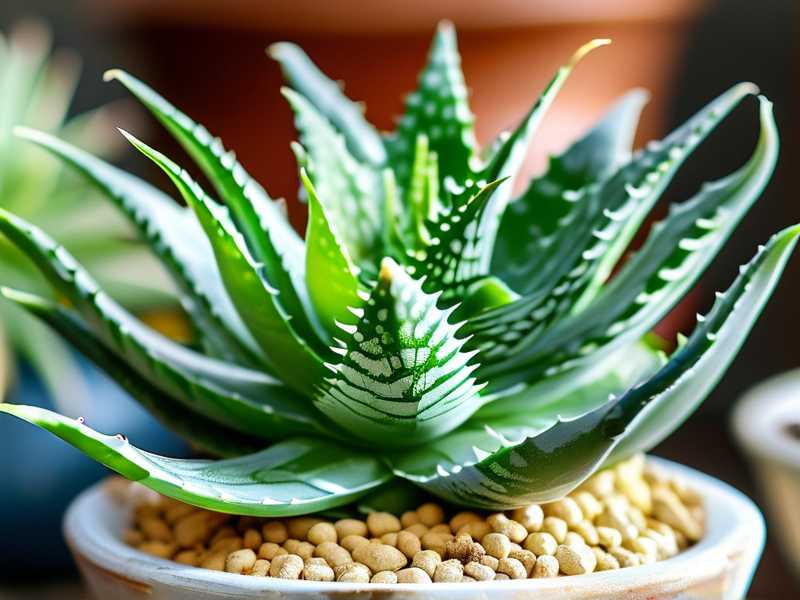
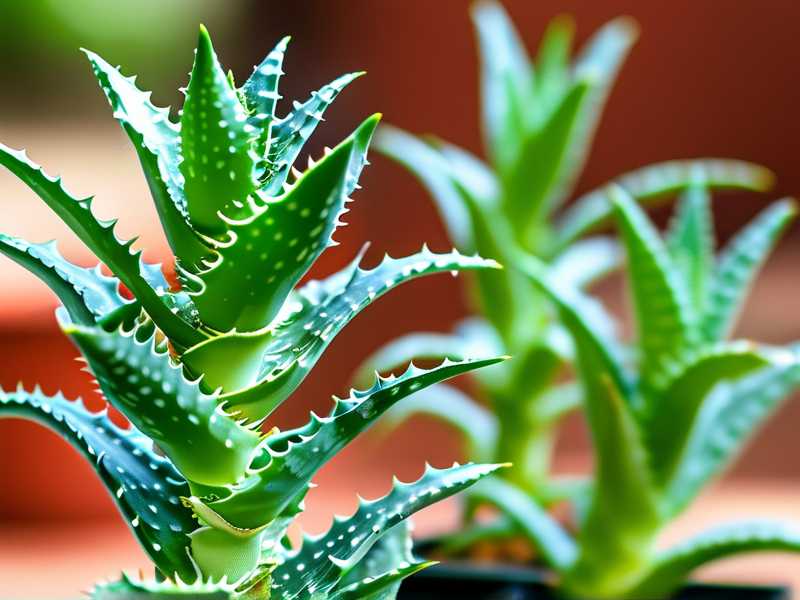
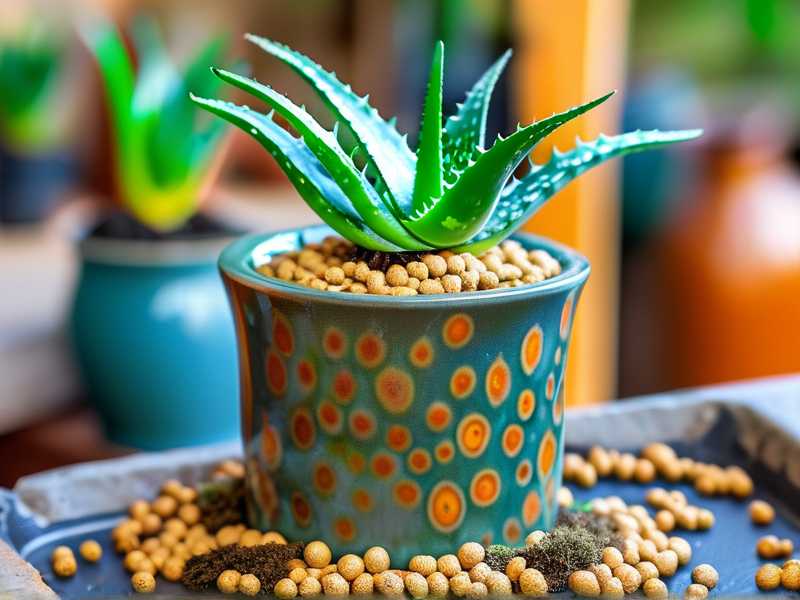
The leaves are the primary indicator of your plant's well-being. A healthy aloe vera plant has leaves that are uniformly colored in a soft, grayish-green hue. They should feel firm and plump to the touch, signifying well-hydrated tissue full of the coveted gel.
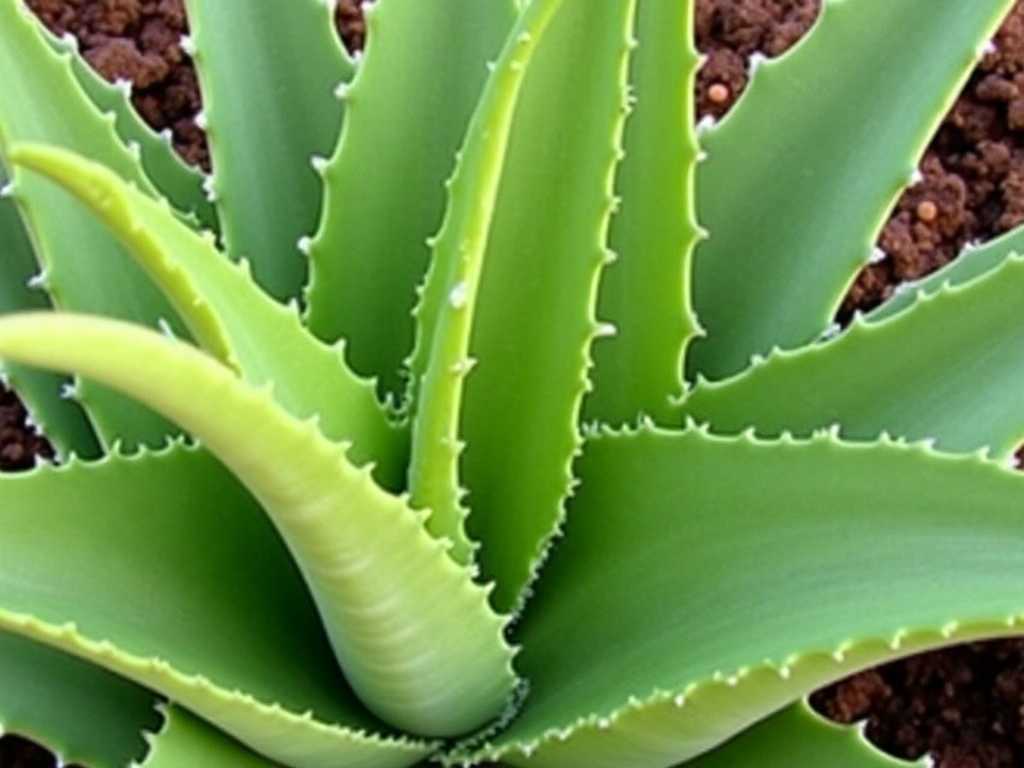
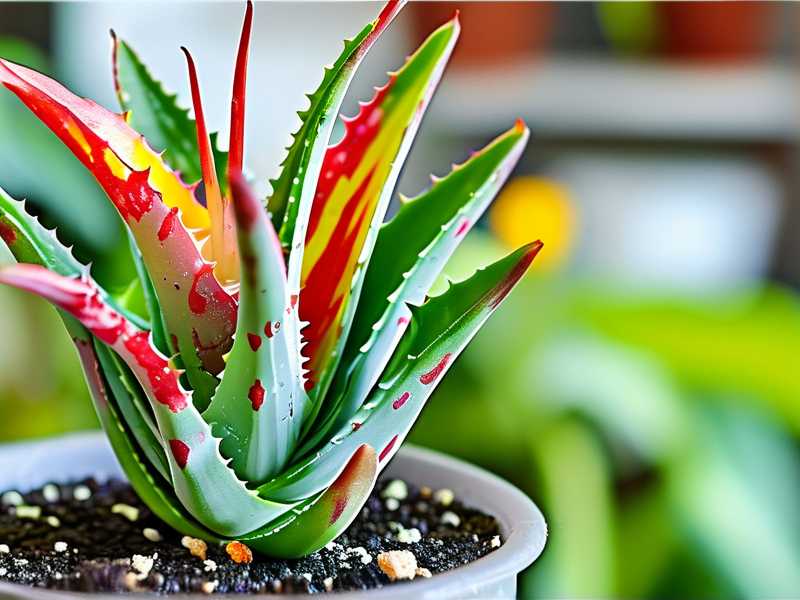
Be wary of plants with leaves that are pale yellow, brown, or have reddish tones. Discoloration often signals stress from overwatering, sunburn, or nutrient deficiency. Similarly, avoid plants with leaves that are thin, wrinkled, or feel soft and mushy. This indicates dehydration or, more critically, the onset of root rot. The leaves should stand upright or have a gentle, outward arch. Leaves that are drooping severely or lying flat are crying out for help.
Examining the Plant's Structure and Base
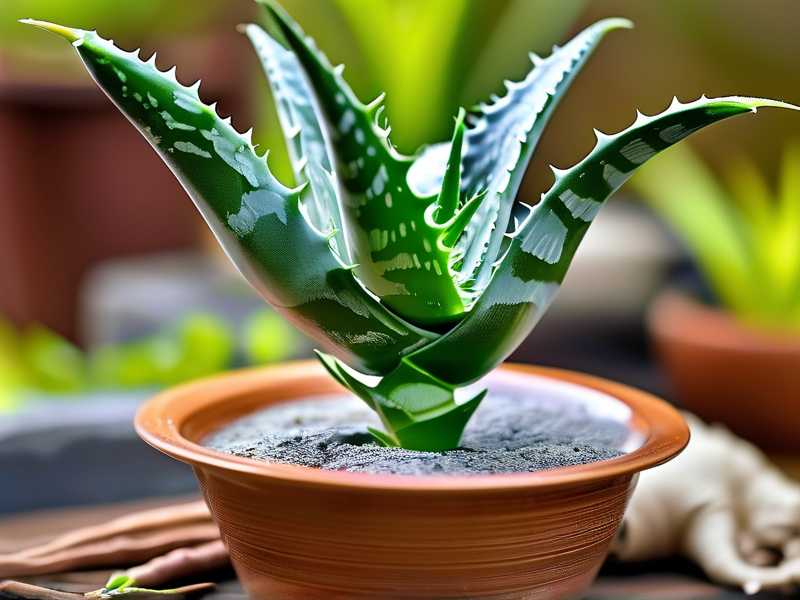
Look beyond the leaves. The overall structure should be balanced and symmetrical. A healthy aloe produces new growth from its center, with older leaves forming the outer ring. Check the plant's base and stem. It should be sturdy and a healthy green or brownish-green color, not blackened, soft, or shriveled. Gently part the leaves to see the soil surface and stem base. This area must be completely free of any soft, dark, or slimy spots, which are clear signs of fungal or bacterial rot.
As noted by horticulturist Jane Smith in The Succulent Gardener's Journal, "The base of an aloe plant is its Achilles' heel. A moment spent checking for firmness at the soil line can save months of heartache from rot that starts unseen beneath the surface."
Identifying Common Pests and Diseases
Before you buy, conduct a thorough pest inspection. Turn leaves over and examine the undersides and the tight spaces where leaves meet the stem. Look for telltale signs: sticky residue (honeydew), fine webbing (spider mites), or tiny cotton-like fluffs (mealybugs). Scale insects may appear as small, brown, bumpy spots stuck to the leaves.
Also, scan for physical damage. While a small nick on an outer leaf isn't a deal-breaker, extensive scarring, cuts, or brown, calloused spots can weaken the plant and open doors for infection.
Key Factors to Assess Before Your Purchase
Your inspection shouldn't stop at the plant itself. The conditions it's been kept in at the nursery are powerful predictors of its future health.
Evaluating Soil and Drainage Conditions
A healthy aloe vera starts with the right soil. Poke the soil in the pot. It should be a fast-draining, gritty cactus or succulent mix, not dense, moisture-retentive potting soil. The soil should be completely dry or very slightly moist. If it feels soggy or wet, the plant is at high risk for root rot, even if the leaves look okay now. This is a critical step in selecting the right aloe vera plant, as poor soil is a leading cause of failure.
Ensure the nursery pot has adequate drainage holes. A pot without holes is a death sentence for aloe vera. You can even ask a nursery attendant if you can gently slide the plant out to check the root ball. Healthy roots are light-colored and firm. Dark, mushy, or stringy roots are a major red flag.
Understanding the Importance of Nursery Conditions
Observe the plant's environment. Is it sitting in full, blazing sun all day? Aloe vera in nurseries is often acclimated to bright shade or filtered light. Plants suddenly shifted to full sun can show severe bleaching or scorching. Conversely, is it stuck in a dark, humid corner? Such conditions encourage weak, leggy growth and pest infestations.
Choose a plant that has been kept in conditions similar to what you can provide at home—bright, indirect light is ideal for most indoor settings. This foresight is central to finding a quality aloe vera plant that won't go into shock when you bring it home.
What to Avoid: Red Flags in Aloe Vera Selection
Knowing what to walk away from is as important as knowing what to choose. Here are the clear warning signs.
Signs of Overwatering and Root Rot
This is the most common killer. Avoid any plant where the lower leaves are consistently brown, translucent, and mushy—like overripe fruit. A foul smell emanating from the soil is a definitive sign of advanced rot. If the entire plant feels loose in its pot or wobbles easily at the base, the root system may already be compromised.
Symptoms of Underwatering and Sun Damage
While less immediately fatal than rot, these indicate a stressed plant. Severe underwatering leads to leaves that are thin, deeply wrinkled, and curled inward. They will feel brittle and dry. Sun damage (scorching) appears as dry, brown, or bleached tan patches on the upper surfaces of the leaves, particularly the ones facing the sun. These scars are permanent.
Rejecting Pot-Bound and Unbalanced Plants
Gently check if the plant is root-bound. If you see a dense mat of roots circling the top of the soil or growing out of the drainage holes, the plant is stressed and will need immediate repotting. While manageable, it's an extra step and a sign the plant has been in its pot too long. Also, avoid plants that are severely lopsided or have all their growth leaning in one direction, unless you are specifically looking for a cascading variety.
Post-Selection: Immediate Care After Bringing It Home
Your job isn't over once you've made the perfect choice. A proper transition is key.
The Acclimation and Quarantine Process
Resist the urge to repot or water immediately. Place your new aloe in bright, indirect light for 1-2 weeks. This allows it to acclimate to your home's light, temperature, and humidity. This is also a crucial quarantine period to ensure any hidden pests don't spread to your other houseplants.
When and How to Repot Your New Aloe Vera
After the acclimation period, you can repot if necessary. Choose a pot only 1-2 inches wider than the root ball, with excellent drainage. Use a fresh, well-draining cactus/succulent mix. Wait at least a week after repotting before giving it its first thorough watering. This guide to picking healthy aloe vera emphasizes that patience after purchase is just as vital as the selection process itself.
How often should I water my new aloe vera plant? Water deeply but infrequently, only when the soil is completely dry. For most indoor environments, this translates to every 2-4 weeks. In winter, it may need water only once a month or less. Always err on the side of underwatering.
Can I use the gel from my new plant right away? It's best to wait. Allow your plant to settle into its new environment and establish strong growth for at least a few months before harvesting. Always harvest from the largest, outermost leaves first, and never take more than a third of the plant at a time.
My aloe's leaves are turning brown at the tips. What does this mean? Brown leaf tips can have a few causes. The most common are mineral buildup from tap water (use filtered or distilled water if possible) or a sign of slight underwatering. It can also indicate that the roots are cramped. Assess your watering routine and consider if it's time for a larger pot.
Selecting a thriving aloe vera plant is a skill that combines sharp observation with an understanding of the plant's basic needs. By methodically checking the leaves, structure, base, and soil, and by avoiding the clear red flags of overwatering and pests, you set the stage for long-term success. Remember, the healthiest start at the nursery leads to the most resilient plant at home. Your perfect, gel-filled companion is waiting for a discerning eye—now you have the knowledge to find it.