bluename
 Aloe Vera Stem Rot: Causes and Treatment to Save Your Succulent
You’ve nurtured your aloe vera plant for months, admiring its plump, green leaves. Then, you notice it: a soft, mushy, discolored area at the base or along the stem. A sense of dread sets in. Is your beloved plant doomed? This alarming condition is aloe vera stem rot, a common but serious issue that can quickly claim your succulent if not addressed properly. Understanding the root causes and implementing the correct treatment is the only way to rescue your plant and restore its health.
This guide will walk you through everything you need to know, from identifying the early signs to executing a step-by-step rescue mission and ensuring it never happens again.
What Exactly Is Aloe Vera Stem Rot?
Aloe vera stem rot is a degenerative condition where the stem or base of the plant becomes soft, waterlogged, and begins to decay. It’s primarily caused by pathogenic fungi or bacteria that thrive in excessively moist conditions. Unlike simple overwatering, which might cause soggy leaves, stem rot attacks the plant’s core structural support—its stem. If the rot progresses into the crown (the central growing point), the plant often cannot recover.
Early detection is your greatest weapon. Look for these critical signs:
- Soft, Mushy Texture: The stem or lower leaves feel soft and yield easily to gentle pressure, unlike the firm, turgid feel of a healthy aloe.
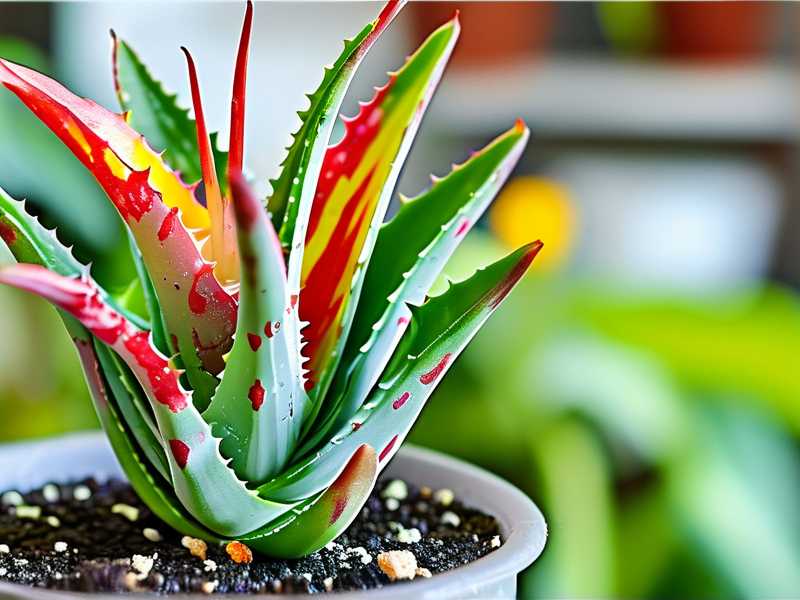
- Discoloration: Affected areas turn yellow, brown, or even black. The color change often starts at the soil line.
- Foul Odor: A sour or rotten smell emanating from the soil or base of the plant is a telltale sign of advanced bacterial decay.
- Leaf Drop: Healthy-looking leaves may fall off with a slight touch because the rot has compromised the stem’s connection.
- Stunted Growth: The plant stops producing new growth as its energy is diverted to a losing battle against infection.
Primary Causes of Stem Rot in Aloe Vera Plants
To treat and prevent stem rot disease, you must first understand what triggers it. Here are the main culprits.
1. Chronic Overwatering (The Most Common Cause)
Aloe vera is a desert succulent, adapted to store water in its leaves and endure dry periods. Its roots need to dry out between waterings. Consistently wet soil creates an anaerobic (oxygen-poor) environment that suffocates roots, making them vulnerable. Pathogens like Pythium and Phytophthora (water molds) then invade the damaged tissue, causing root and stem rot.
- Expert Insight: Dr. Linda Chalker-Scott, a horticulture professor, notes that "more plants die from overwatering than from any other cause, especially container plants." This is especially true for succulents like aloe.
2. Poorly Draining Soil and Pots
Using standard potting soil or a container without drainage holes is a recipe for disaster. Heavy, moisture-retentive soil acts like a sponge, holding water around the roots long after watering.
- The Fix: Always plant aloe in a specialized cactus and succulent mix. These blends contain materials like perlite, pumice, or coarse sand to ensure rapid drainage and aeration.
3. Fungal and Bacterial Infections
While overwatering sets the stage, specific microorganisms execute the damage.
- Fungi (e.g., Fusarium, Rhizoctonia): Often enter through wounds or weakened tissue. They cause dark, sunken lesions on the stem.
- Bacteria (e.g., Erwinia): Lead to soft, slimy, foul-smelling rot that can spread rapidly. This is often called "soft rot."
4. Physical Damage and Low Temperatures
A cut, scrape, or break in the stem or leaves can provide an entry point for pathogens. Additionally, aloe vera is sensitive to cold. Temperatures below 50°F (10°C) can cause chilling injury, damaging cells and making the plant susceptible to rot, even if watering is moderate.
Step-by-Step Treatment Guide for Aloe Vera Stem Rot
If you suspect stem rot, act immediately. Time is of the essence. Follow this rescue procedure.
Step 1: Unpot and Inspect the Plant
Gently remove the entire plant from its pot. Carefully brush away all the soil from the root ball to get a clear view of the damage.
Step 2: Assess the Extent of the Rot
Examine the roots and stem. Healthy roots are firm and light-colored. Rotten roots are mushy, dark brown or black, and may fall apart. Trace the rot up the stem.
- Scenario A (Rot is Localized): If the rot affects only some roots and a small portion of the lower stem, the plant can likely be saved.
- Scenario B (Rot Has Reached the Crown): If the mushy, discolored area extends into the main crown where leaves emerge, the prognosis is poor. Your best hope is to salvage any healthy upper leaves for propagation.
Step 3: Perform "Surgery" with Sterile Tools
This is the critical step. Using a sharp, sterile knife or scissors (wipe with rubbing alcohol), cut away all affected tissue. You must cut until you see only clean, healthy, green or white tissue with no brown streaks. For stem rot, you may need to behead the plant, removing the entire healthy top section above all rot.
- Pro Tip: Allow the cut surface to dry and callus over for 24-48 hours in a warm, dry, shaded place. This forms a protective barrier against new infection when planted.
Step 4: Repot in Fresh, Sterile Medium
Discard all old soil and clean the pot with a bleach solution. Use a brand-new, well-draining cactus potting mix. Plant the callused cutting or remaining healthy base shallowly in the dry mix. Do not water yet.
Step 5: The Aftercare and Watering Protocol
Place the repotted plant in bright, indirect light. Wait at least one week before giving the first light watering. This pause allows roots (or the cutting) to begin seeking moisture and heal further. Then, adopt the "soak and dry" method: water thoroughly only when the soil is completely dry several inches down.
Proven Prevention Strategies for a Healthy Aloe
Prevention is always simpler than cure. Integrate these practices to keep your aloe robust.
- Master the Watering Schedule: Water deeply, then let the soil dry out completely. In winter, watering may only be needed once a month or less.
- Invest in the Right Soil and Pot: Terracotta pots are ideal as they wick away moisture. Ensure there is at least one drainage hole.
- Provide Optimal Environment: Give your aloe at least 6 hours of bright, indirect sunlight daily and protect it from drafts and cold windows.
- Practice Clean Gardening: Always use sterile tools for pruning and avoid leaving dead leaf debris around the base, which can harbor pests and disease.
Frequently Asked Questions
Can a plant recover from severe stem rot? If the rot has destroyed the root system and invaded the main crown or growing point, recovery is unlikely. However, if you can cut above all the rot and salvage a healthy top section or individual leaves, you can propagate new plants. The original base may not regrow.
Should I use hydrogen peroxide or fungicide? A 3% hydrogen peroxide solution can be useful for disinfecting remaining healthy roots after cutting away rot. Dilute it 1:1 with water and swish the roots. For persistent fungal issues, a copper-based fungicide can be applied as a soil drench after surgery, but physical removal of rot is the most crucial step.
How do I tell the difference between overwatering and stem rot? Overwatering is a cause; stem rot is a symptom and result. Early overwatering may cause leaves to become soggy and translucent while the stem remains firm. Stem rot disease specifically means the stem tissue itself is breaking down—it's soft, discolored, and often accompanied by a foul smell. Overwatering leads to stem rot.
Watching your aloe vera suffer from stem rot is distressing, but it’s often a salvageable situation with prompt, decisive action. The key lies in recognizing the early warning signs, understanding that overwatering and poor drainage are the primary enemies, and having the courage to remove all infected tissue. By adopting a preventative mindset—prioritizing perfect drainage, disciplined watering, and a sunny spot—you can cultivate a resilient aloe vera that thrives for years to come, free from the threat of rot.