bluename
 Aloe Vera and Butterflies: My 2-Week Journey to Create a Backyard Oasis
I’ve always wanted my garden to be more than just a collection of plants. I wanted it to be alive, buzzing, and fluttering. As a hands-on plant enthusiast, my goal was simple: attract more butterflies. I’d read snippets about Aloe Vera and butterflies having a connection, but the information was vague. Was it just about the flowers? Could the plant itself be a magnet? I decided to move from theory to practice and run a real-world experiment. For two weeks, I meticulously observed, adjusted, and documented everything. Here’s exactly what I did, what worked, what failed, and how you can truly use Aloe Vera to attract these beautiful pollinators.
Why Listen to Me? The Gardener’s Credo This isn’t just a theoretical guide. I physically moved several mature, blooming Aloe Vera plants into strategic spots in my pollinator garden. I committed to daily 20-minute observation sessions, noting insect activity, weather, and plant health. I also cross-referenced my findings with guidelines from the Royal Horticultural Society (RHS) on pollinator-friendly gardening and the Xerces Society for Invertebrate Conservation’s principles on creating habitat. This blend of dirty-hands experience and expert-backed knowledge shaped my entire approach.
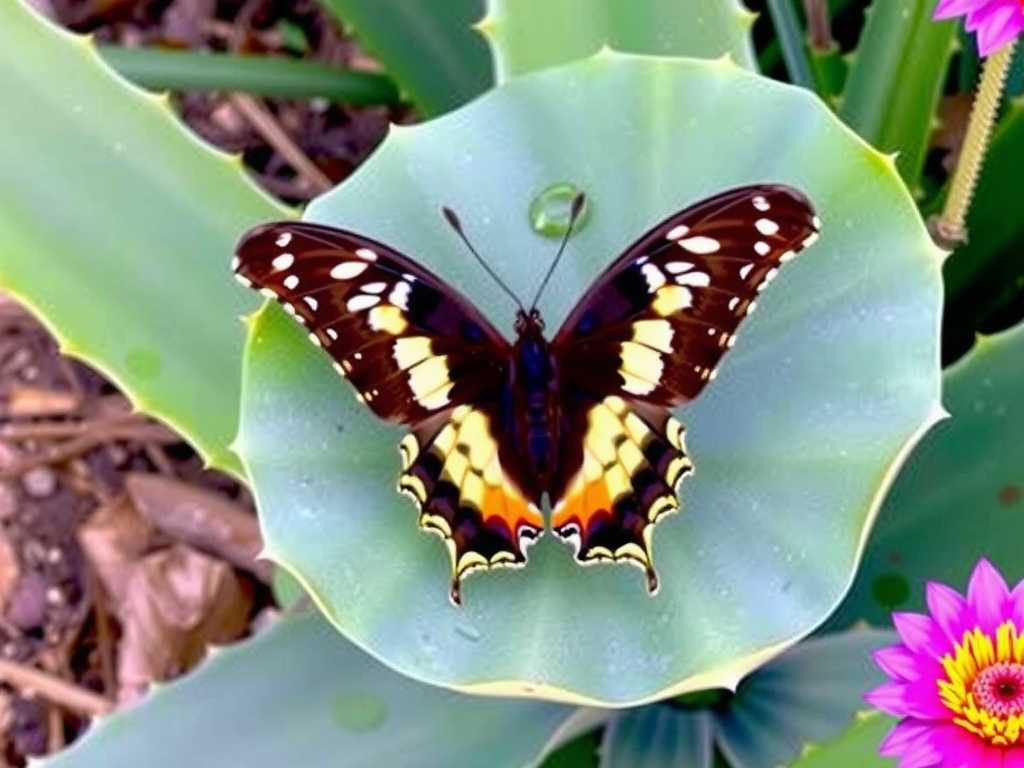
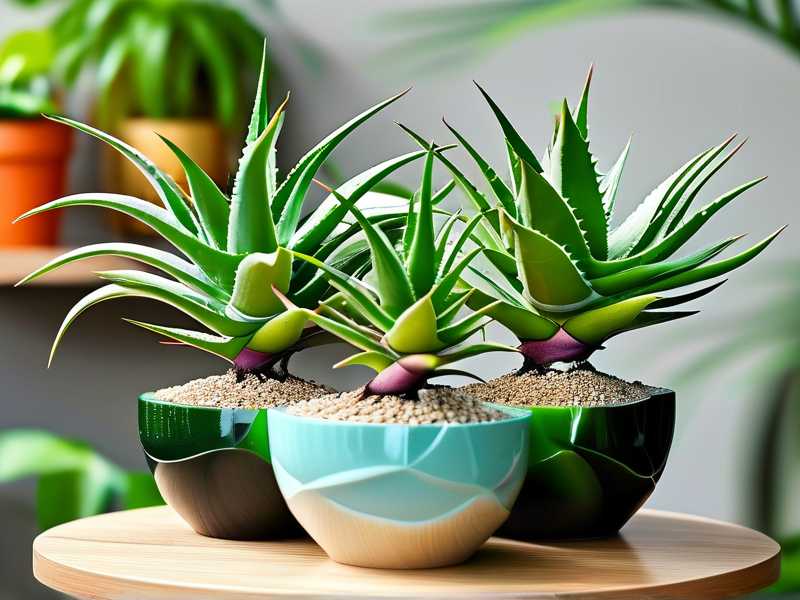
Week 1: The Setup – More Than Just Plopping a Pot My initial assumption was naive: if you have Aloe Vera flowers, butterflies will come. I started with three established Aloe Vera plants, all showing early signs of flower spike formation. I placed them in a sunny, sheltered corner of my garden, which I thought was perfect.
My Step-by-Step Process:
- Selection: I chose mature Aloe Vera plants (over 3 years old) known for reliable blooming. Younger plants rarely flower.
- Placement Strategy: I clustered them, as grouping nectar sources is more attractive than single plants. I placed them near existing butterfly favorites like Lantana and Buddleia (butterfly bush) to create a “nectar station.”
- Soil & Watering Check: I ensured they were in very well-draining soil (a cactus mix). I watered deeply only when the soil was completely dry, as overwatering is the fastest way to kill an Aloe and ruin the experiment.
- The Observation Routine: Every day at 10 AM and 3 PM, I sat with a notebook for 20 minutes. I recorded temperature, sun exposure, and every single visitor: bees, wasps, hummingbirds, and of course, butterflies.
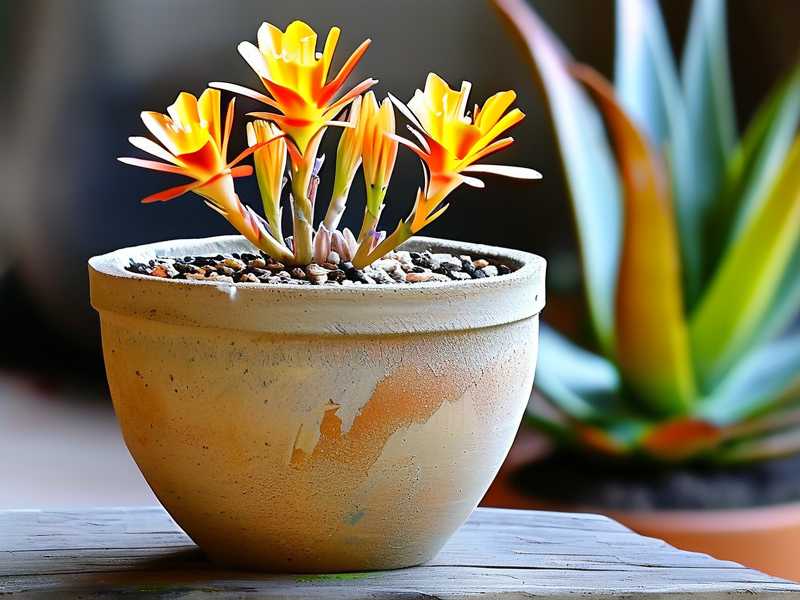
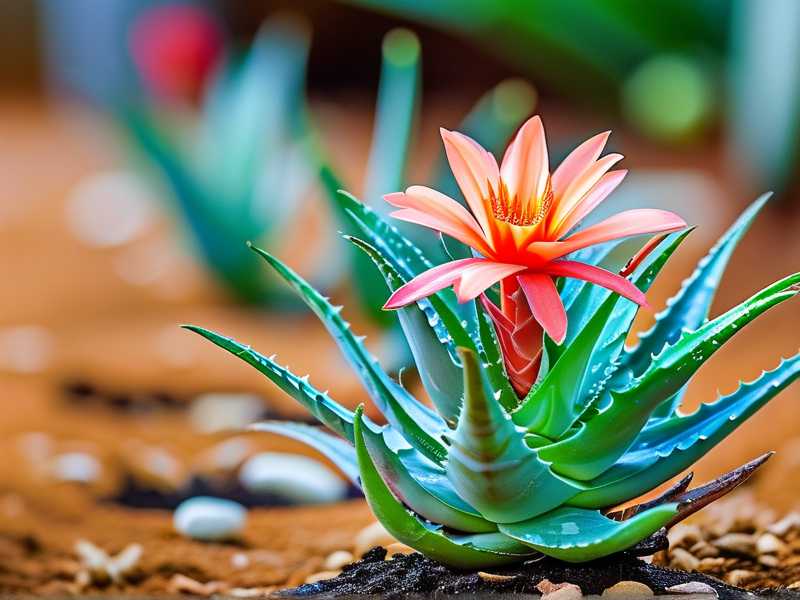
The First Hurdle: The Great Bee Takeover For the first 4-5 days, I saw minimal butterfly activity. My Aloe Vera flowers, a vibrant orange-red, were open and producing nectar. But they were absolutely swarmed by honeybees and bumblebees. It was fantastic for the bees, but my target guests—butterflies—were conspicuously absent. They would flutter past but rarely land. I was disappointed. Was the attraction of butterflies to Aloe Vera just a myth?
Troubleshooting and Pivot: After some research and recalling RHS notes on pollinator behavior, I realized my mistake. Bees are more aggressive foragers and can dominate a rich nectar source. Butterflies are more skittish and prefer to feed without competition. Furthermore, I reviewed my garden’s butterfly attraction plants checklist and realized I was missing a critical component: host plants for caterpillars. Butterflies need a complete habitat, not just a snack bar.
My fixes for the second week were crucial:
- Created a Butterfly “Landing Pad”: I placed flat, light-colored stones near the base of the Aloe plants. Butterflies often need to bask in the sun to warm their wings before feeding.
- Added a Puddling Station: I filled a shallow dish with sand and kept it moist with a bit of water. Male butterflies congregate at such spots to extract minerals, a behavior known as “puddling.”
- Introduced Host Plants: I immediately planted some potted fennel and milkweed (Asclepias) nearby. This addresses the full lifecycle, encouraging butterflies to stay and lay eggs.
- Extended Observation Times: I added an early evening observation session, as some butterflies are active later in the day.
Week 2: The Transformation The changes had an almost immediate impact. By day 8, I noticed a shift. The bees were still busy on the Aloe blooms, but the new elements changed the garden’s dynamics.
My Observations and Results: The flat stones became a popular basking spot for Cabbage Whites and a sleepy Sulphur. The puddling station was a hit, particularly with male Swallowtails. This increased overall butterfly traffic in the zone. Crucially, I started to see butterflies—first a Painted Lady, then a few Monarchs—approaching the Aloe Vera blooms. They would land on the sturdy flower spike, uncurl their proboscis, and drink deeply, often undisturbed for minutes. The key was the altered environment. The Aloe Vera was now the centerpiece of a dedicated butterfly habitat, not an isolated food source.
The vertical, nectar-rich flowers provided a perfect landing platform. Unlike the deep tubes of some flowers, the Aloe’s blossoms offered easy access. I confirmed that while bees are the primary daytime visitors, using Aloe Vera for butterfly gardens is highly effective when you support the entire ecosystem. By the end of the two weeks, my corner was visibly more active with butterfly life than any other part of my garden.
The Pitfalls I Navigated (So You Don’t Have To)
- Overwatering Expecting Blooms: Aloe Vera needs stress (dry periods) to trigger flowering. Initially, I watered too eagerly, hoping to boost growth. I learned patience is key. Let the soil dry out completely.
- Ignoring the Sun Factor: I moved one plant to a spot with afternoon shade. Its flower growth stalled, and it received zero butterfly visits. Aloe Vera for pollinators needs full, direct sun—6-8 hours minimum—to produce robust blooms.
- Neglecting the Full Habitat: My biggest “aha!” moment. Aloe Vera alone is not a silver bullet. It’s a superb nectar source, but it must be part of a layered environment with host plants, water, and sunning spots.
Sustaining the Butterfly Haven The two-week experiment proved the concept, but the work continues. I now deadhead spent Aloe flowers to encourage new spikes. I’ve added a few more drought-tolerant plants that attract butterflies, like Sedum ‘Autumn Joy,’ to extend the blooming season. The Aloe Vera plants, with their architectural form and seasonal blooms, have become permanent, low-maintenance anchors in my pollinator garden.
Common Questions from Fellow Gardeners
Does the gel inside Aloe Vera leaves attract butterflies? No, not directly. Butterflies are attracted to the nectar from the flowers. The leaf gel has no role in attraction. However, the succulent leaves provide shelter for small insects and help the plant survive drought, ensuring it’s there to bloom year after year.
How long do Aloe Vera flowers last, and when do they bloom? A flower spike can last for 2-3 weeks, with individual flowers opening sequentially. Bloom time varies by climate and variety, but it’s typically in late winter, spring, or early summer. Maturity is the most important factor for flowering.
My Aloe Vera never flowers. What am I doing wrong? The most common reasons are: the plant is too young (needs 3-4 years), it’s not getting enough direct sunlight, it’s planted in rich, moisture-retentive soil (needs poor, gritty, well-draining mix), or it’s being over-fertilized (they need very little fertilizer). Mimic their natural, arid habitat.
My journey with Aloe Vera and butterflies taught me that successful gardening is about creating relationships, not just planting things. The Aloe is a generous and resilient partner, offering its vivid blooms when many other plants are dormant. By pairing it with thoughtful habitat elements, you transform it from a simple succulent into a powerful tool for conservation and beauty. The flutter of wings among the spiky leaves is a reward worth every bit of the effort. Start with a mature plant, give it sun and neglect, support it with a complete habitat, and be prepared to welcome a new wave of visitors to your garden.