bluename
 Aloe Vera for Tattoo Aftercare: Soothing Tips from a Plant Enthusiast
Getting a new tattoo is exhilarating, but the aftermath? That’s where the real journey begins. For days, you’re left with what feels like a sensitive, angry sunburn on a piece of art you cherish. The itching, the tightness, the fear of ruining the lines—it’s a universal tattoo lover’s anxiety. I’ve been there, multiple times, cycling through various aftercare products. It wasn't until I combined my passion for plants with my need for effective healing that I discovered the true potential of a humble succulent: using Aloe Vera for tattoo aftercare.
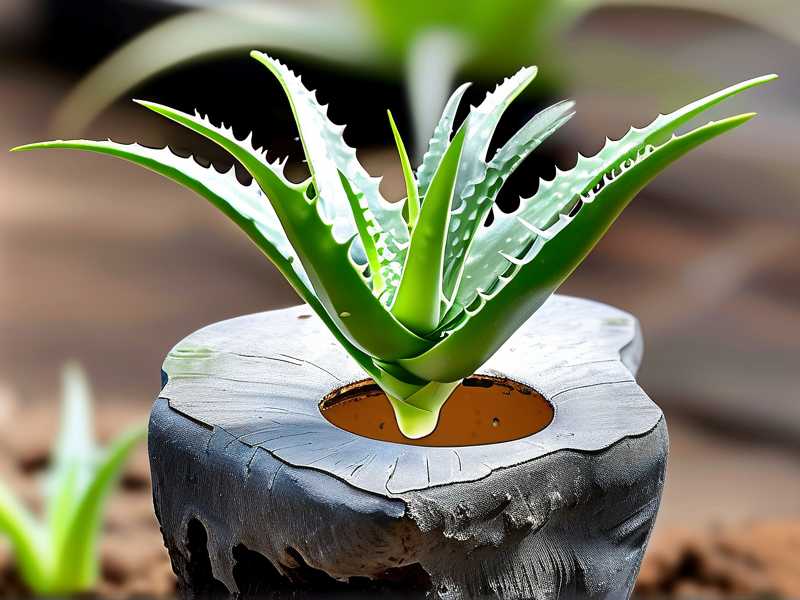
As a long-time plant grower and someone who trusts nature’s pharmacy, I decided to put my homegrown Aloe vera to the ultimate test after my latest forearm piece. I committed to a strict, observation-heavy routine for a full two weeks. What follows is my honest, step-by-step account, the tangible results I saw, the mistakes I made, and why I now believe a pure Aloe vera gel is one of the most soothing tips for healing tattoos you can find.
Why Trust Aloe Vera? The Science Behind the Sooth
Before diving into my routine, let’s talk about why this isn’t just an old wives’ tale. Aloe vera’s reputation is backed by science and recognized by authoritative bodies. The plant’s clear gel is packed with vitamins, minerals, amino acids, and enzymes. Crucially, it contains glucomannan, a substance that promotes skin repair and collagen production.
According to research often cited by dermatological associations, Aloe vera possesses potent anti-inflammatory and antimicrobial properties. This is the golden combo for a fresh tattoo. Inflammation is the root of redness and swelling, while preventing microbial growth is key to avoiding infection. The American Holistic Health Association (AHSA) has highlighted Aloe’s role in supporting skin integrity and hydration. For a wound like a tattoo—which is essentially thousands of tiny, controlled wounds—this creates an ideal environment for calming tattoo irritation and promoting clean healing.
My Two-Week Aloe Vera Tattoo Aftercare Experiment
My artist gave me the standard clear wrap and instructions. After the recommended few hours, I gently washed the tattoo with fragrance-free soap and patted it dry with a clean paper towel. This is when my Aloe regimen began.
Week 1: The Critical Healing Phase
Days 1-3 were all about management and observation. My tattoo was red, slightly puffy, and oozing a clear plasma—all perfectly normal.
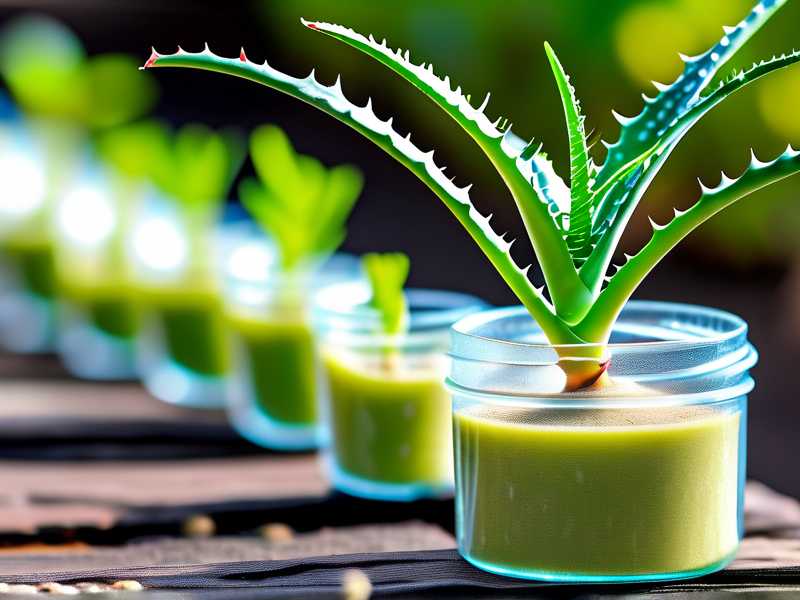
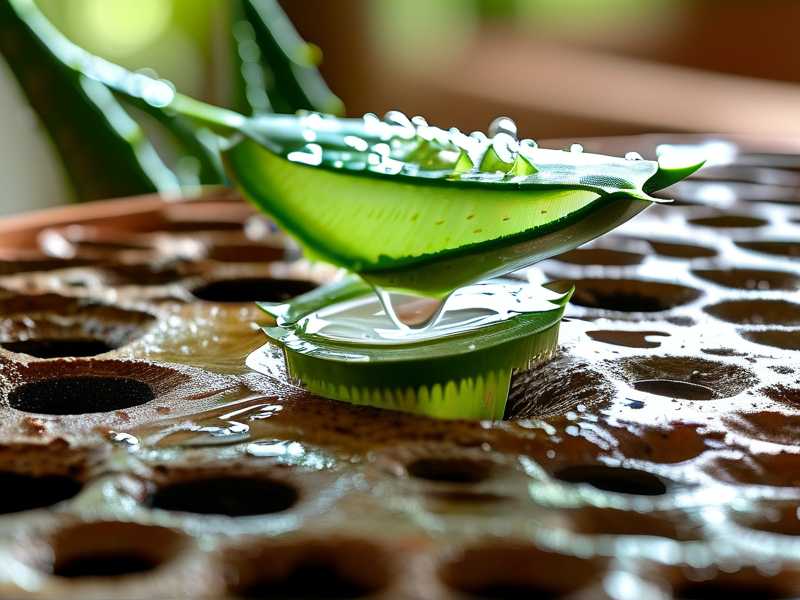
- My Process: Four to five times a day, I would wash my hands thoroughly, then apply a thin layer of fresh Aloe vera gel. I didn’t use store-bought gels with additives, colorants, or alcohol. I harvested a thick leaf from my plant, sliced it open, and scooped out the inner fillet. I then used a clean spoon to scrape the pure gel into a sterilized glass jar I kept in the refrigerator. The cool gel provided immediate, blissful relief from the heat and tight sensation.
- The First Hurdle (The "Sticky" Phase): Around day 2, I hit my first snag. The tattoo entered the “sticky” phase, where plasma and excess ink create a tacky surface. Applying the Aloe gel directly felt like it was sliding over this layer, not absorbing. I realized I was skipping a crucial step: a proper, gentle wash before each application. Once I started washing with lukewarm water and soap before each re-application, the Aloe could interact directly with the skin, providing much deeper soothing and forming a perfect, non-occlusive protective barrier.
- Early Results: By day 4, the pronounced redness had subsided significantly more than in my previous healing experiences with other products. The swelling was gone. The skin wasn’t as tight, and the dreaded itch was starting, but it was manageable.
Days 4-7 are known for intense itching and the start of peeling. This is where Aloe vera truly shone.
- Managing the Itch: Instead of scratching, I would gently tap the area or, better yet, apply a fresh coat of cool Aloe gel. The anti-inflammatory properties directly addressed the itch at its source. The peeling was fine and flaky, not in large, thick patches. I was meticulous about not pulling any skin and letting it exfoliate naturally.
- Observation: The peeled areas underneath looked remarkably healthy—not overly shiny or artificially moisturized, just like normal, calm skin. The color saturation appeared excellent, with no signs of ink being pulled out with the scabs.
Week 2: Nourishment and Settling
The second week was about supporting the new skin. Peeling was mostly complete, but the area was still sensitive and slightly raised.
- My Process: I reduced application to 2-3 times daily, focusing on keeping the new skin nourished. I continued using my refrigerated, pure gel. The cool temperature continued to offer a soothing sensation, especially when the skin felt dry or tight.
- The Second Hurdle (The "Dry Patch"): Around day 10, I noticed a small, particularly dry patch near a shaded area of the tattoo. It felt rough. I worried I’d under-moisturized. My solution was to apply a slightly thicker layer of Aloe gel to that specific spot and let it absorb fully before putting on loose clothing. Within two days of this targeted care, the patch smoothed out completely. This taught me that even within one tattoo, different areas (linework vs. shading) may have slightly different hydration needs.
- Final Results: At the end of week two, my tattoo was fully peeled, settled, and matte. The skin was no longer raised or sensitive to the touch. The colors were vibrant and crisp. Most impressively, there was zero redness lingering around the lines, which I had experienced with other aftercare ointments. The healing felt “quiet” and uneventful—exactly what you want.
Key Takeaways and Best Practices for Using Aloe Vera
Based on my two-week deep dive, here’s my distilled advice for using Aloe vera gel for tattoo aftercare effectively:
- Purity is Paramount: Use 100% pure Aloe vera gel. If buying, read labels obsessively—avoid alcohol, fragrances, and dyes. If using fresh from the plant, ensure you are only using the inner clear gel, not the yellow latex near the leaf skin, which can be irritating.
- Clean Before You Coat: Always wash the tattoo gently with mild soap and water before applying a fresh layer of Aloe. This removes plasma, sweat, and bacteria, allowing the active compounds to work directly on the skin.
- Thin and Frequent Wins the Race: A thin, barely-there layer is all you need. Apply it 3-5 times in the first week. A thick layer can trap moisture and hinder breathing, which is counterproductive.
- Embrace the Chill: Storing your Aloe gel in the refrigerator enhances its soothing power tenfold. The cool temperature is a godsend for inflammation and itch.
- Listen to Your Skin: The tattoo will tell you what it needs. A tight feeling means it’s time for a light wash and re-application. A stubborn dry patch might need a bit more attention. Aloe allows for this kind of responsive care.
Addressing Your Tattoo Aftercare Concerns
Can I use Aloe vera right after getting my tattoo? Yes, but only after you have removed your artist’s initial bandage and have gently washed the tattoo for the first time. Never apply anything to a tattoo that hasn’t been cleaned according to your artist’s instructions.
Is fresh Aloe from the plant better than store-bought gel? Both can be excellent if they are pure. Fresh Aloe guarantees no additives, but it requires preparation and has a shorter shelf life. A high-quality, certified pure store-bought gel is more convenient and sterile. The key is the ingredient list, not the source.
My tattoo is still itchy and peeling after two weeks. Is that normal? Healing timelines vary. Some peeling or mild itch can persist into the third week, especially for larger or more detailed pieces. As long as there are no signs of infection (excessive redness, heat, pus, or worsening pain), continuing with a gentle moisturizing routine with Aloe is fine. If you’re concerned, always consult your tattoo artist or a healthcare professional.
My journey using Aloe vera for tattoo aftercare was a revelation. It transformed a typically uncomfortable process into one I felt in control of, powered by a natural, effective ingredient. The visible reduction in inflammation, the gentle management of peeling, and the final result of a vibrant, calm piece of skin solidified its place in my aftercare toolkit. It’s a testament to the fact that sometimes, the most effective solutions are the simple, time-tested ones grown right on your windowsill. For anyone seeking a gentle, effective path to healing their new art, giving pure Aloe vera a dedicated try might just be the most soothing decision you make.