bluename
 Can Aloe Vera Grow Outdoors in Cold Climates? A Complete Survival Guide
You love the look of your aloe vera plant on the sunny windowsill and rely on its soothing gel. Now, you’re dreaming of transplanting it into your garden or adding a few to your patio pots. But a nagging question holds you back: can this sun-loving succulent possibly survive outdoors when the temperature drops? If you live in an area with frost, snow, or simply chilly winters, you’re right to be concerned. A single cold night can turn a vibrant aloe plant into a mushy, blackened casualty. This guide is designed to address that exact fear. We’ll move beyond the simple “yes” or “no” and provide a detailed, actionable roadmap for growing aloe vera outdoors in cold climates, focusing on protection, preparation, and smart choices.
Understanding Aloe Vera’s Cold Hardiness Limits
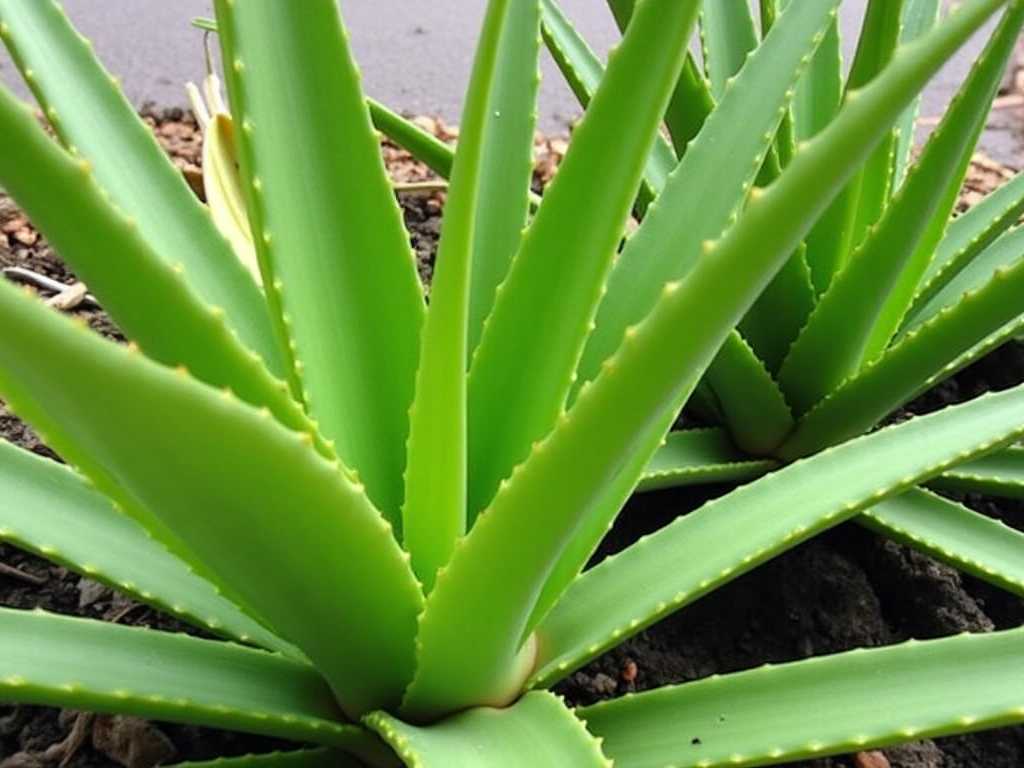
First, let’s establish the fundamental truth. Aloe vera (Aloe barbadensis miller) is a tropical succulent native to arid regions like the Arabian Peninsula. It thrives in warmth and is highly sensitive to cold. Its tolerance has clear boundaries.
The critical temperature threshold for aloe vera is around 40°F (4°C). Below this point, the plant’s growth slows significantly. However, the real danger zone is freezing. Temperatures at or below 32°F (0°C) will cause frost damage. The water stored in its thick, fleshy leaves freezes, expanding and rupturing the cell walls. This results in the telltale signs of damage: soft, water-soaked, and discolored leaves that eventually turn black. Prolonged exposure or temperatures dipping into the mid-20s°F (-4°C) will almost certainly kill the entire plant.
This inherent sensitivity is why aloe is listed as hardy only in USDA Plant Hardiness Zones 10-12, where winter lows rarely, if ever, hit freezing. For the vast majority of gardeners in temperate zones, this means outdoor growing is a seasonal or carefully managed endeavor.
Strategic Methods for Growing Aloe Outdoors in the Cold
You cannot change your climate, but you can absolutely adapt your gardening strategy. Success hinges on one of three approaches: treating aloe as a seasonal container plant, creating microclimates for in-ground planting, or selecting more cold-hardy aloe species.
The Container Gardening Solution: Mobility is Key
This is the most reliable and recommended method for cold-climate gardeners. By planting your aloe in pots, you gain the ultimate control—the ability to move it.
- Summer Vacation Outdoors: From late spring to early fall, when nighttime temperatures are consistently above 50°F (10°C), place your potted aloe in a location with bright, indirect light or morning sun only. Intense afternoon sun can scorch leaves, especially if the plant was recently moved outside. A patio, deck, or under a dappled-light tree is perfect.
- The Essential Winter Retreat: This is the non-negotiable step. Well before the first predicted frost, you must bring your aloe back indoors. A bright, sunny south- or west-facing window is ideal. According to horticulturist Dr. Linda Chalker-Scott, allowing plants to acclimate is crucial. She notes, “A sudden shift from outdoor full sun to a dim interior can stress plants. If possible, move them to a shaded outdoor spot for a week before the final move indoors.” This gradual transition reduces shock.
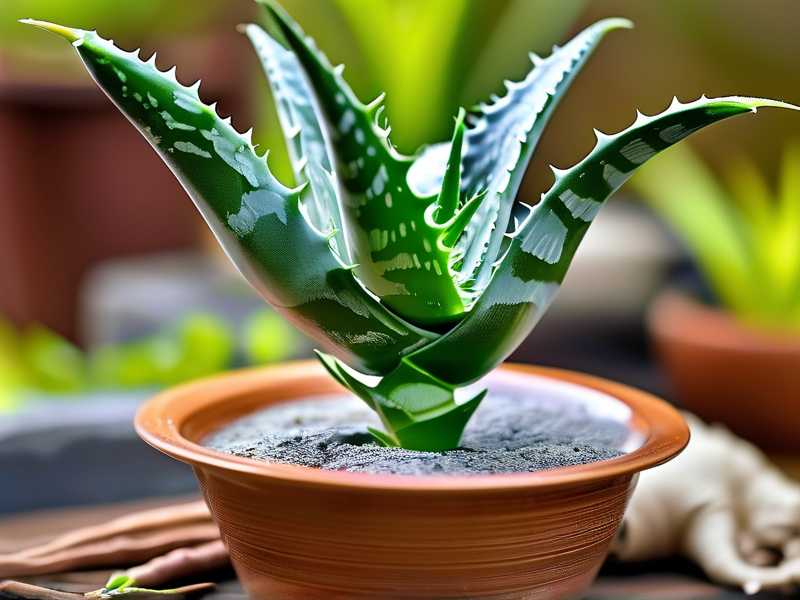
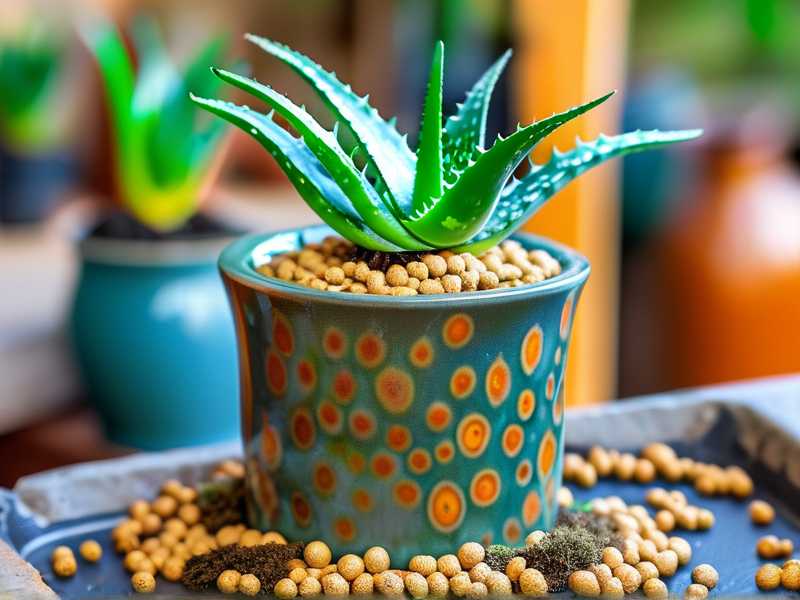
- Pot and Soil Essentials: Use a pot with excellent drainage holes. A terra-cotta pot is ideal as it breathes and helps soil dry faster. Plant your aloe in a commercial cactus or succulent mix, which is formulated to drain quickly and prevent root rot—a risk that increases in cooler, wetter conditions.
Creating Protective Microclimates for In-Ground Planting
If you’re determined to plant aloe directly in the garden, site selection and protection are everything. Your goal is to create a warm, sheltered pocket—a microclimate.
- The Perfect Spot: Plant against a south- or west-facing wall or foundation. These structures absorb heat during the day and radiate it slowly at night, creating a slightly warmer zone. Ensure the spot is at the top of a slope, not in a frost pocket at the bottom where cold air settles.
- Mastering the Art of Covering: When a cold night is forecast, you must cover the plant. Do not use plastic sheeting directly on the foliage, as it can transfer cold or cause condensation freeze. Instead, use breathable fabrics like frost cloth, burlap, or even an old bedsheet. Drape the material over a frame of stakes to create a tent, ensuring it reaches the ground to trap heat radiating from the soil. Always remove the cover during the day.
- Mulch as an Insulator: Apply a thick layer (2-3 inches) of gravel or pebble mulch around the base of the plant. This mulch drains instantly and absorbs heat from the sun, warming the root zone. Avoid organic mulches like bark, which retain moisture and can lead to stem rot in cool weather.
Choosing Cold-Hardy Aloe Varieties
While true aloe vera is tender, the broader Aloe genus contains hundreds of species, some with significantly better cold tolerance. Incorporating these can give you the aloe look with greater resilience.
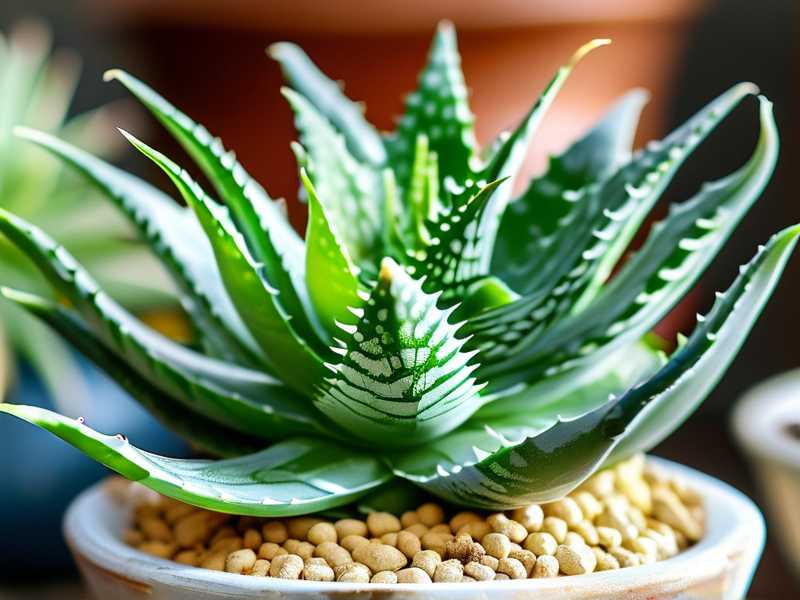
Two excellent choices are Partridge Breast Aloe (Aloe variegata) and Coral Aloe (Aloe striata). Some reports and experienced gardeners, like those contributing to the Alpine Garden Society’s database, note that certain forms of Aloe aristata (Lace Aloe) can withstand brief dips into the low 20s°F (-6°C) if kept absolutely dry. These species may survive outdoors year-round in USDA Zone 8 or even 7b with perfect drainage and a protective winter cover. Their growth habit and leaf gel are similar, though not identical, to aloe vera.
Step-by-Step: Preparing Your Outdoor Aloe for Winter
Whether in a pot or the ground, a healthy plant is a resilient plant. Follow this pre-winter checklist:
- Stop Fertilizing: Halt all fertilization by late summer. Fertilizing promotes tender new growth that is highly susceptible to cold damage.
- Adjust Watering: As temperatures cool in autumn, dramatically reduce watering. The goal is to have the soil almost completely dry as the plant enters its dormant period. Wet soil in cold weather is a primary killer.
- Inspect for Pests: Before bringing container plants indoors, thoroughly inspect the leaves (top and bottom) and soil for pests like mealybugs or scale. Treat if necessary to prevent an indoor infestation.
- Provide Indoor Light: Ensure you have a suitable bright indoor location ready. A grow light can supplement natural light if needed.
What to Do If Your Aloe Gets Frost Damage
Act quickly if you discover cold damage.
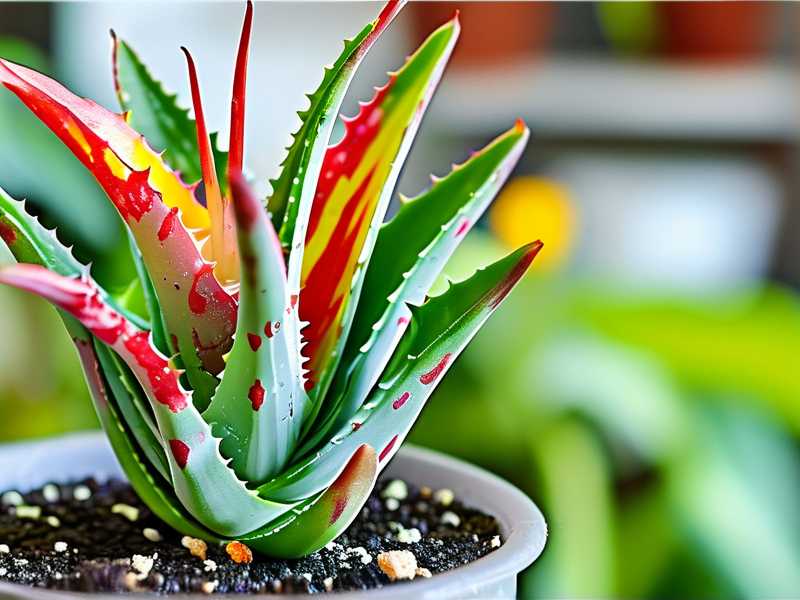
- Assess: Soft, mushy, and transparent leaves are damaged beyond repair. Slightly discolored but firm leaves may recover.
- Prune: Using a clean, sharp knife, cut away all the damaged, mushy tissue. Cut back to healthy, firm, green flesh. This prevents rot from spreading.
- Hold Water: Do not water the plant immediately. Allow the cut wounds to callus over completely, which may take several days to a week.
- Wait and See: Place the plant in a warm, bright, and dry location. With care, it may put out new growth from its center or base if the core and roots survived.
Can I grow aloe vera outside if I only have a balcony? Absolutely. Balcony gardening is ideal for the container method. Use pots with saucers and place them in the sunniest, most sheltered corner, ideally against the wall of your building. Be even more vigilant about moving them indoors before frost, as balconies can be windier and cooler than ground-level gardens.
What is the absolute lowest temperature aloe vera can survive? For a very short duration (a few hours), a mature, established, and perfectly dry aloe vera plant might survive a dip to 28-30°F (-2 to -1°C) if it is heavily protected with frost cloth and thermal mulch. However, this is a high-risk scenario, and 32°F (0°C) should be considered the practical danger limit. Planning for 40°F (4°C) as your move-or-cover trigger is the safest practice.
My aloe survived winter but looks thin and stretched. Why? This is called etiolation. It’s a sign of insufficient light. The plant is stretching toward any available light source, resulting in weak, elongated growth. During the indoor winter period, maximize sunlight exposure or supplement with a grow light placed close to the plant for 12-14 hours a day. When moved back outside, introduce it to stronger light gradually to avoid sunburn.
While aloe vera will never be a plant for a snowy landscape, gardeners in cold climates need not give up on growing it outdoors. The key lies in redefining “outdoors” as a seasonal privilege rather than a permanent home. By embracing the container lifestyle, you give your plant a summer holiday in the fresh air and a safe winter retreat indoors. For those seeking a more permanent garden fixture, investing time in creating a warm microclimate or experimenting with a tougher aloe species can yield rewarding results. Success comes from understanding the plant’s needs, respecting the limits imposed by frost, and intervening with protection at the right moment. With careful planning and these proactive strategies, you can enjoy the architectural beauty and practical benefits of aloe in your outdoor space for many seasons to come.