bluename
 How to Use Aloe Vera for Minor Cuts and Scrapes: A Complete Guide
We've all been there. You're chopping vegetables, working in the garden, or your child takes a tumble on the pavement, and suddenly you're faced with a minor cut or scrape. The sting is immediate, and the worry about infection and scarring quickly follows. While reaching for a traditional antiseptic is a common reflex, there's a powerful, natural healer sitting on many windowsills: the aloe vera plant. This guide will walk you through everything you need to know about using aloe vera for minor wounds, from its proven benefits to a simple, step-by-step application process.
Why Aloe Vera is a Natural First-Aid Powerhouse
For centuries, cultures around the world have revered aloe vera as a medicinal plant. Modern science now backs up this traditional wisdom, revealing a complex composition that makes it exceptionally effective for skin repair.
The clear gel inside the thick, fleshy leaves is packed with over 75 active compounds. These include vitamins (A, C, E, B12), minerals, enzymes, amino acids, and powerful polysaccharides. Together, they create a multi-action healing environment perfect for minor injuries.
Key Healing Properties for Cuts and Scrapes:
- Anti-inflammatory: Compounds like glucomannan and plant sterols help reduce the redness, swelling, and pain associated with minor wounds.
- Antimicrobial: Aloe vera contains natural agents (e.g., lupeol, salicylic acid, phenols) that fight bacteria, viruses, and fungi, helping to prevent infection in a fresh scrape.
- Moisturizing and Soothing: The gel is 99% water, providing intense hydration that prevents the wound from drying out and forming a hard scab too quickly, which can impede healing and increase scarring.
- Stimulates Skin Repair: It promotes the growth of new skin cells (fibroblasts) and increases collagen production and alignment at the wound site, leading to faster healing and better-quality tissue regeneration.
A study published in the Journal of the American Academy of Dermatology noted that aloe vera gel significantly reduced the healing time of surgical wounds compared to conventional dressings. This evidence underscores its potential for everyday minor injuries.
Step-by-Step: How to Properly Apply Aloe Vera Gel
Using aloe vera correctly is crucial for both safety and effectiveness. Follow this clear process to treat your minor cut or scrape.
Step 1: Clean the Wound Thoroughly Before applying anything, you must clean the injured area. Gently rinse the cut or scrape under cool, running water to remove any dirt or debris. Use a mild soap around the wound, but avoid pouring soap directly into it as it can cause irritation. Pat the area completely dry with a clean, soft cloth or paper towel.
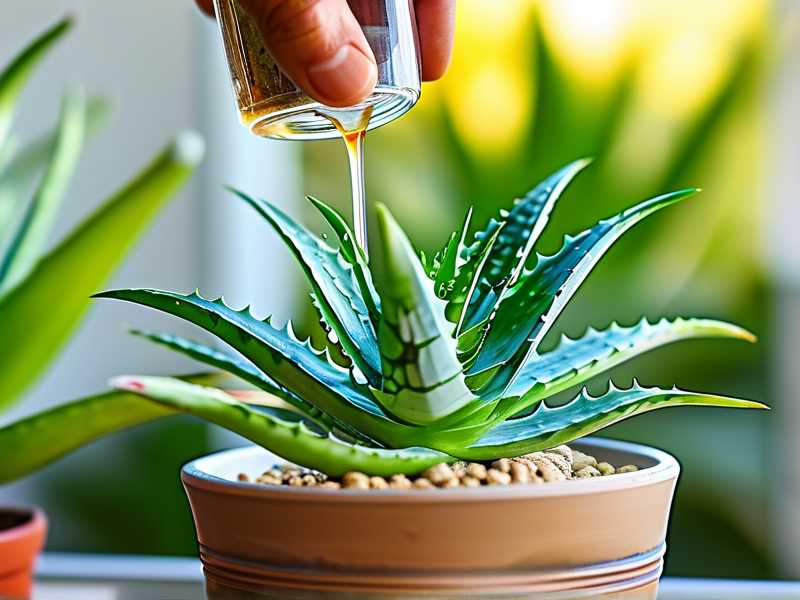
Step 2: Extract Fresh Aloe Vera Gel (The Best Option) If you have an aloe vera plant, this is the ideal source. Cut a thick, mature leaf from the base of the plant. Rinse it off and place it upright in a cup for 10-15 minutes to allow the yellow latex (aloin) to drain out—this compound can be irritating to some skin types. Then, slice the leaf open lengthwise and use a spoon to scoop out the clear inner gel.
Step 3: Apply a Generous Layer of Gel Take a generous amount of the fresh gel (or a high-quality, pure store-bought gel) and gently apply a thick layer directly onto the cleaned wound. There's no need to rub it in vigorously. Simply let the soothing gel form a protective, moist coating over the entire affected area.
Step 4: Allow it to Absorb or Cover Lightly For very minor scrapes, you can let the gel air-dry and absorb into the skin. For slightly deeper cuts or areas that might rub against clothing, cover the aloe-coated wound with a clean, non-stick gauze pad. This keeps the gel in place and protects it from external bacteria.
Step 5: Reapply Regularly Reapplication is key. Fresh aloe vera gel absorbs and dries relatively quickly. Repeat this process 2-3 times a day until the wound has visibly closed and healed. Each time, ensure your hands are clean before touching the wound.
Choosing the Right Aloe Vera Product
Not all aloe is created equal, especially when it comes to treating open skin. Here’s what to look for.
The Gold Standard: Fresh Plant Gel Using gel directly from your own plant ensures maximum potency with no additives, preservatives, or dilution. It’s the most natural and effective form.
Buying Commercial Gel: Read the Label If you purchase a gel, purity is paramount. Look for products labeled "100% Aloe Vera Gel" or where aloe vera is the first ingredient. Avoid products filled with artificial colors, fragrances, alcohols (like denatured alcohol), and unnecessary thickeners, as these can sting and counteract the healing benefits.
Important Precautions and When to See a Doctor
While aloe vera is excellent for minor first aid, it’s not a cure-all. Keep these safety tips in mind.
- Perform a Patch Test: If you've never used aloe vera topically, apply a small amount to an unbroken area of skin (like your inner forearm) and wait 24 hours to check for any allergic reaction, such as redness or itching.
- Do Not Use on Deep or Serious Wounds: Aloe vera is for minor cuts, scrapes, and burns. Do not use it on deep lacerations, puncture wounds, severe burns, or surgical incisions without consulting a healthcare professional.
- Know When to Seek Medical Help: If your wound is deep, won't stop bleeding, shows signs of infection (increased redness, swelling, pus, warmth, or red streaks), or was caused by a dirty or rusty object, seek medical attention immediately. Aloe vera is a complementary treatment, not a replacement for professional medical care.
Can I use aloe vera on an open cut? Yes, pure aloe vera gel is generally safe and beneficial for minor open cuts and scrapes. Its antimicrobial properties help protect against infection while its soothing and moisturizing nature creates an ideal environment for healing. Always clean the wound thoroughly first.
How long does it take for aloe vera to heal a cut? Healing time depends on the severity of the wound. For minor abrasions and small cuts, with regular application 2-3 times daily, you may see significant improvement within a few days. Complete healing of the skin's surface typically occurs faster than without treatment, often within a week for minor injuries.
Is store-bought aloe vera gel as effective as fresh? A high-quality, pure store-bought gel can be very effective. However, fresh gel from the plant is often considered more potent as it hasn't been processed or stabilized, meaning all its active enzymes and compounds are fully intact. The key is to choose a store product with minimal additives.
Aloe vera stands as a remarkable, accessible tool in your home first-aid kit. Its unique blend of soothing, protective, and regenerative properties makes it an excellent natural choice for managing those everyday skin injuries. By properly cleaning your wound, applying pure gel consistently, and knowing when professional help is needed, you can harness this plant's power to promote faster, more comfortable healing with minimal scarring. Keep a plant handy or a trusted bottle in your cabinet, and you’ll be prepared to turn a moment of minor mishap into an opportunity for gentle, natural recovery.