bluename
 Aloe Vera Leaf Drop in Winter: Causes and Fixes for a Healthy Plant
Seeing your plump, vibrant aloe vera plant suddenly shed its leaves in winter can be worrying. You’re not alone. This seasonal leaf drop is a common frustration for indoor gardeners, often signaling that your plant’s needs have changed with the cooler, darker months. While aloe vera is renowned for its resilience, it has specific requirements that, when unmet during winter, lead to stress and leaf loss. Understanding these causes is the first step to restoring your plant’s health. This guide will walk you through the precise reasons behind winter leaf drop and provide clear, actionable fixes to ensure your aloe not only survives but thrives through the season.
Understanding Why Your Aloe Vera Drops Leaves in Winter
Aloe vera enters a period of dormancy or significantly reduced growth during winter. Its metabolic processes slow down in response to shorter days and lower light intensity. This natural slowdown means the plant requires far less water and nutrients. Problems arise when our care routines don’t adjust accordingly. The primary triggers for leaf drop are all related to environmental stress disrupting this dormant state.
Primary Cause: Overwatering and Root Issues
This is, without doubt, the leading cause of aloe vera leaf drop in winter. The combination of cool temperatures and the plant’s dormant state drastically reduces its water uptake. Soil that stays moist for too long creates a hostile environment for the roots.
- How It Happens: Soggy soil suffocates the roots, preventing them from absorbing oxygen. This leads to root rot, a fungal condition where roots turn brown, mushy, and die. With a compromised root system, the plant cannot support its existing leaves. The leaves, starting typically with the lower, older ones, become soft, mushy, and translucent before eventually falling off or collapsing.
- The Fix: A Complete Watering Overhaul
- The "Soak and Dry" Method, Adjusted: Even this trusted method needs winter modification. Before watering, always check the soil moisture. Insert your finger at least 2 inches into the pot. Water only when the soil is completely dry throughout. In winter, this could mean watering only once every 3-6 weeks, depending on your home's humidity and temperature.
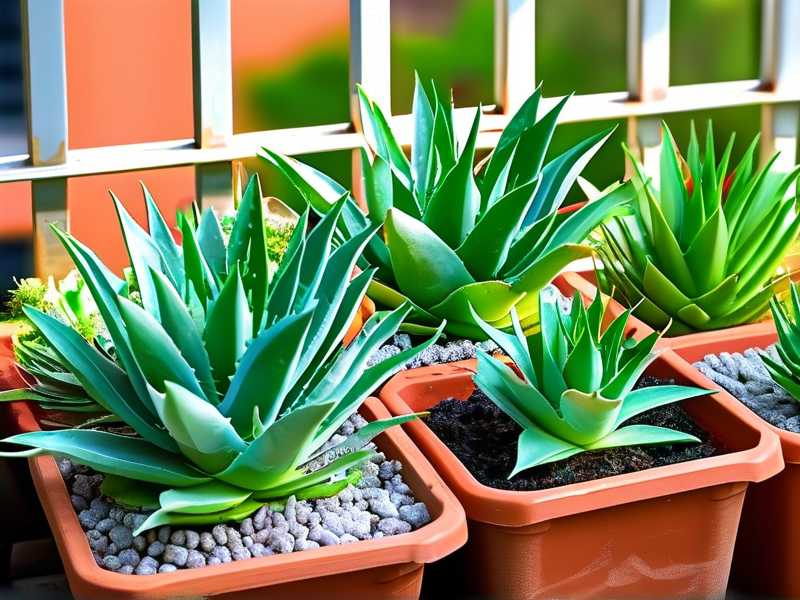
- Pot and Soil Check: Ensure your pot has ample drainage holes. A well-draining succulent or cactus mix is non-negotiable. Experts from the Cornell University Horticulture Department emphasize that a porous potting medium is critical for preventing waterlogging, especially for succulents in low-light conditions. Consider amending standard potting soil with 50% perlite or coarse sand for better drainage.
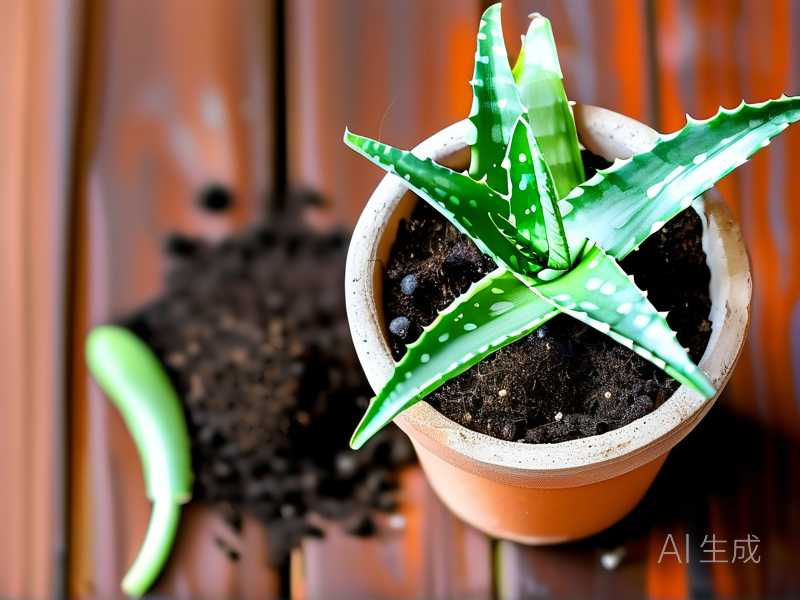
- Emergency Action for Root Rot: If you suspect rot, act fast. Gently remove the plant from its pot. Shake off old soil and inspect the roots. Healthy roots are firm and white or tan. Cut away any dark, soft roots with sterile scissors. Let the plant air-dry on a paper towel for a day or two before repotting into fresh, dry, well-draining soil. Do not water for at least a week after repotting.
Secondary Cause: Insufficient Light
During winter, daylight hours shorten, and the sun’s angle changes, often reducing the light intensity reaching your indoor plants. Aloe vera is a sun-loving plant that requires bright, indirect light to direct sunlight for several hours a day. Inadequate light weakens the plant.
- How It Happens: In low light, photosynthesis slows. The plant struggles to produce enough energy to maintain all its foliage. It may respond by dropping leaves to conserve resources. You might also notice the plant becoming "leggy," with elongated, pale green leaves stretching weakly toward any light source.
- The Fix: Maximizing Winter Light Exposure
- Relocate Your Plant: Move your aloe vera to the brightest window in your home. A south-facing or west-facing window is typically ideal in the Northern Hemisphere.
- Clean the Windows: A simple but effective step—ensuring the window glass is clean allows maximum light transmission.
- Introduce a Grow Light: If natural light is severely limited, supplement with a grow light. A simple LED grow light placed 6-12 inches above the plant for 10-12 hours a day can make a dramatic difference. Research on light supplementation for indoor plants, referenced by institutions like the Royal Botanic Gardens, Kew, supports its effectiveness in maintaining plant health during dark periods.
Other Contributing Factors to Winter Stress
While overwatering and low light are the main culprits, other factors can compound the problem.
- Temperature Stress and Drafts: Aloe vera prefers temperatures between 55-80°F (13-27°C). Exposure to cold drafts from windows, doors, or air vents, or temperatures dipping below 50°F (10°C), can cause cold damage. Leaves may develop discolored, water-soaked spots and droop or drop.
- Fix: Keep your plant away from drafty windowsills at night. Ensure it’s not touching cold glass. Move it to a consistently warm spot, away from heating vents that can blast dry air.
- Sudden Changes in Environment: Bringing a plant home from a store or moving it abruptly from one room to another with different light/temperature conditions can shock it, triggering leaf drop.
- Fix: Acclimate your plant gradually to new conditions when possible.
- Natural Aging Process: It’s normal for the very oldest, bottom leaves to occasionally dry up and fall off as part of the plant's growth cycle. If this is happening slowly to one or two leaves while the rest of the plant looks firm and green, it’s likely not a cause for concern.
Holistic Winter Care Routine for Aloe Vera
Preventing leaf drop is about adopting a holistic winter care strategy.
- Watering: Drastically reduce frequency. Always check soil dryness first. When in doubt, wait another week.
- Light: Provide the brightest possible indirect light. Supplement with a grow light if needed.
- Temperature: Maintain a stable, warm environment away from extremes.
- Hold the Fertilizer: Do not fertilize your aloe vera in winter. The plant is not actively growing and cannot use the nutrients, which can lead to salt buildup in the soil and root damage.
- Humidity: While aloe tolerates dry air, average home heating can make air extremely dry. Grouping plants together or using a pebble tray can provide a slight humidity boost, but focus more on proper watering than misting.
Beyond Care: Enjoying Your Aloe Vera at Home
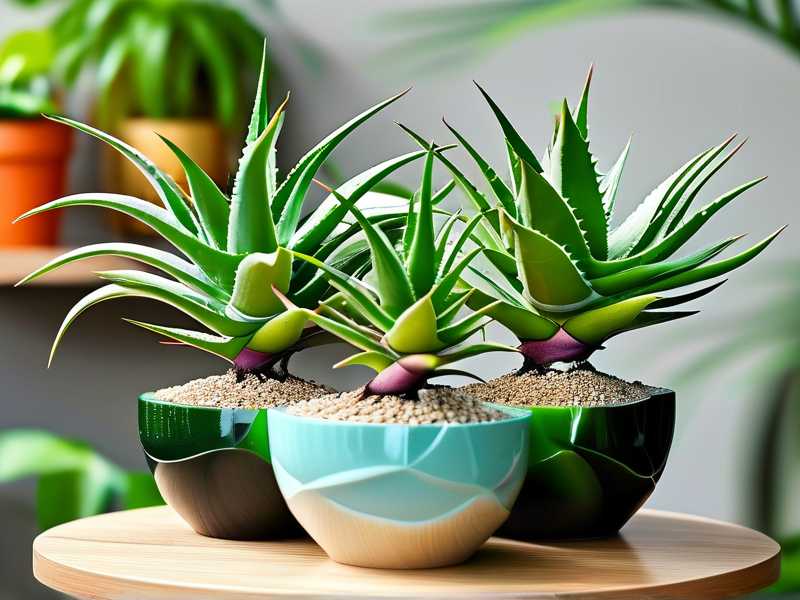
A healthy aloe vera is more than just a plant; it's a versatile addition to your living space. Its sculptural, geometric form adds a touch of modern greenery to any shelf, desk, or sunny corner, complementing various home decor styles from minimalist to bohemian. Its low-maintenance nature makes it perfect for busy households.
For those interested in its topical uses, the clear gel inside mature leaves can be harvested for simple, non-medicinal skin applications. It has a long history of use for general skin moisturizing. You can carefully slice open a mature leaf, scoop out the fresh gel, and blend it into a simple DIY hydrating face mask base or mix it with a carrier oil like coconut oil for a soothing, moisturizing body cream. Always perform a patch test first to check for personal sensitivity.
Frequently Asked Questions
My aloe vera leaf is thin and curling inwards. Is this related? Yes, this is typically a sign of underwatering, which can also occur if the soil has become hydrophobic (water-repellent). While less common in winter than overwatering, it happens if the plant is completely neglected. Give the soil a thorough, deep soak, ensuring water runs out the drainage holes.
Can I propagate the leaves that have dropped off? Unfortunately, individual aloe vera leaves rarely propagate successfully. They tend to rot before forming roots. The most reliable method is to propagate using the "pups" or offsets (baby plants) that grow from the base of the mother plant. Wait until pups are a few inches tall with their own roots before separating.
Should I repot my aloe vera in winter if it looks unwell? It’s generally best to avoid repotting during dormancy unless it’s an emergency, such as severe root rot. Repotting causes stress, and a dormant plant recovers more slowly. If the issue is solely due to watering or light, adjust those first. If root rot is confirmed, emergency repotting is necessary regardless of the season.
Winter leaf drop in aloe vera is a clear message from your plant. By shifting your care routine to align with its dormant winter needs—primarily by watering much less and seeking out more light—you can stop the leaf loss. Patience is key. Once you correct the conditions, your aloe will stabilize and resume healthy growth when spring arrives with longer, brighter days. Consistent, observant care tailored to the season is the secret to keeping your aloe vera plump, firm, and a source of green enjoyment all year round.