bluename
 Can Aloe Vera Grow in a Rockery with Other Plants? A Complete Guide
You love the rugged, low-maintenance beauty of your rock garden. But you also adore the sculptural charm and practical benefits of aloe vera. The question nags at you: can these two worlds collide? The thought of your prized aloe suffering in the harsh, fast-draining environment of a rockery, or worse, disrupting the delicate balance of your existing alpine and succulent collection, is a real concern for any gardening enthusiast.
The good news is, with the right knowledge, integrating aloe vera into a rockery is not only possible but can create a stunning and resilient display. This guide will walk you through every step, ensuring your aloe thrives alongside other rockery plants.
Understanding the Rockery Environment
A rockery, or rock garden, is designed to mimic alpine conditions. It prioritizes excellent drainage, uses rocky substrates, and often features plants adapted to drier, sunnier spots. Success here hinges on choosing plants with compatible needs.
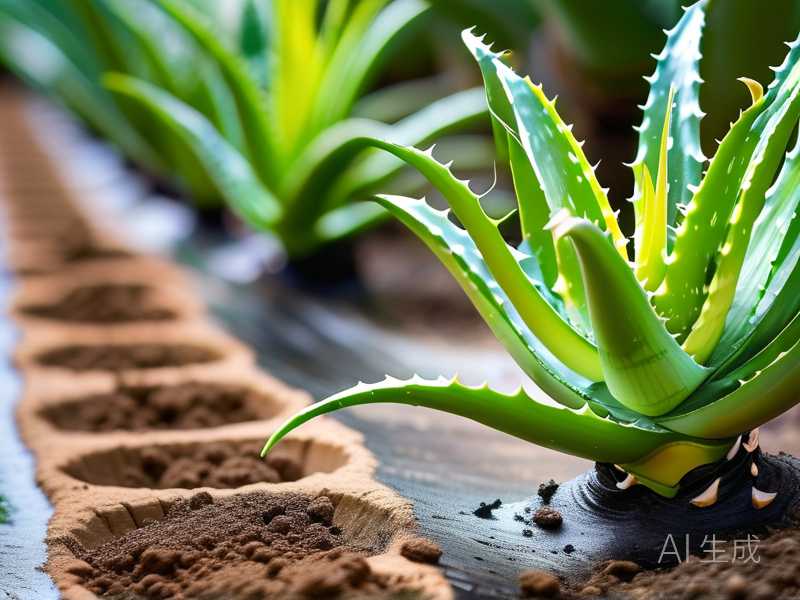
Aloe vera (Aloe barbadensis miller) is a succulent plant naturally adapted to arid, rocky slopes. Its water-storing leaves and shallow root system make it a surprisingly strong candidate for rockery life. The key is strategic placement and mindful companion planting.
Preparing Your Rockery for Aloe Vera
Before planting, assess and prepare your site to set your aloe up for success.
Sunlight and PositioningAloe vera requires plenty of bright, indirect light or partial sun. In a rockery, aim for a spot that receives 4-6 hours of sunlight, preferably morning sun with some afternoon shade, especially in hotter climates. Avoid deep shade or the intense, scorching afternoon sun that can bleach the leaves.
Soil and Drainage: The Critical FactorThis is the most crucial step. Standard garden soil will hold too much moisture and cause root rot. You must create a sharply draining mix.
Ideal Blend: Combine 50% coarse sand or fine gravel, 25% potting soil, and 25% perlite or pumice. You can also use a high-quality commercial cactus and succulent mix.
Rockery Integration: Dig a planting hole twice as wide as the aloe's root ball. Backfill it with your special drainage mix before planting. Ensure the surrounding area also drains well to prevent water pooling.
Choosing the Right Aloe Vera and Companions
Not all aloes are equal for this purpose. Dwarf or clustering varieties often integrate better than large, single-headed types.
Best Aloe Varieties for Rock Gardens
Aloe aristata (Lace Aloe): Small, clustering, cold-hardier.
Aloe brevifolia (Short-leaved Aloe): Compact, forms blue-green rosettes.
*Aloe ‘Delta Lights’:** A variegated, smaller hybrid that adds color.
Standard Aloe vera: Can work if given enough space and placed towards the back or center.
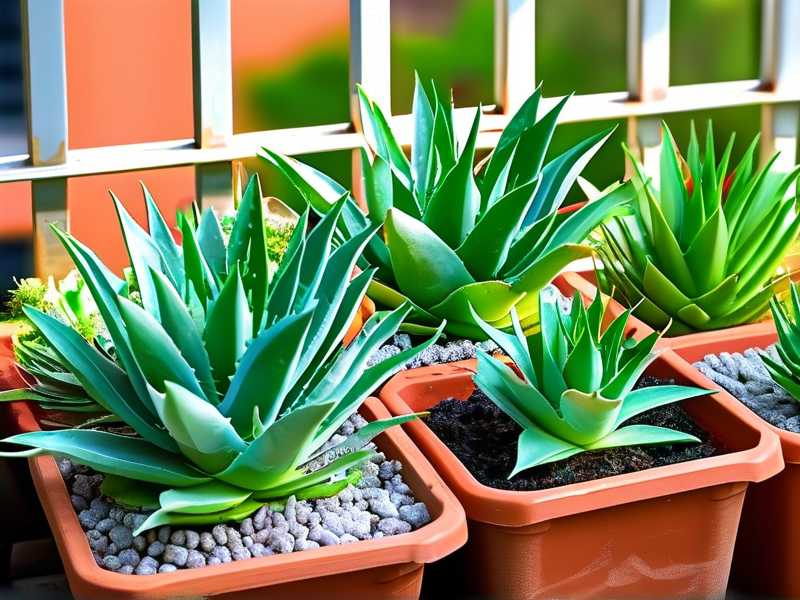
Perfect Plant Partners for Aloe in a RockeryThe goal is to pair plants with similar water and light needs. Excellent companions include:
Sedums (Stonecrops): Low-growing, drought-tolerant, come in various colors.
Sempervivums (Hens and Chicks): Form attractive rosettes and thrive in poor soil.
Small Agaves: For a bold, architectural contrast.
Thyme or Creeping Oregano: Herbaceous ground covers that tolerate dry conditions.
Echeverias: Rosette-forming succulents that complement aloe's form.
Avoid pairing aloe with plants that need frequent, deep watering like ferns or hostas.
Planting and Ongoing Care Guide
Planting Your Aloe
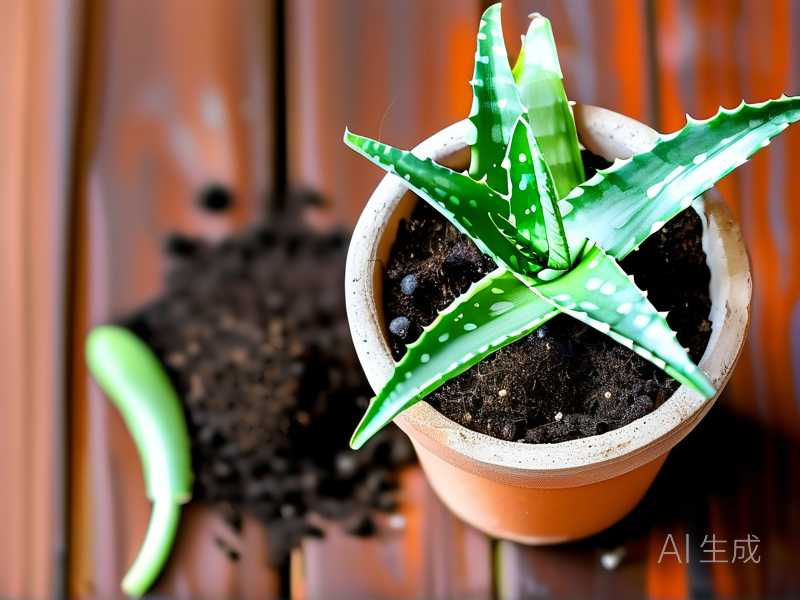
Gently remove the aloe from its nursery pot.
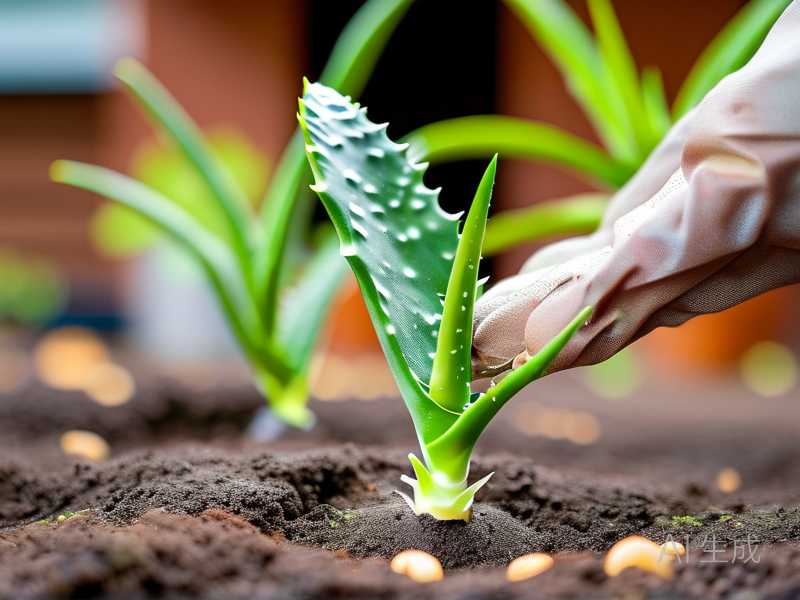
Place it in the prepared hole so the base of the stem is level with the surrounding soil surface. Burying the stem too deep can lead to rot.
Firm the soil mix gently around the roots.
Wait 5-7 days before the initial watering to allow any disturbed roots to callous.
Watering Schedule and MethodsThe mantra is "infrequent but deep watering."
Technique: Water thoroughly until it runs out of the rockery base, then allow the soil to dry out completely. Use the "finger test"—the top 1-2 inches of soil should be bone-dry.
Frequency: Typically every 2-3 weeks in summer, and even less in winter (once a month or less). Rainfall may be sufficient in many climates.
Fertilizing and Winter Protection
Fertilizer: Aloe is not a heavy feeder. A light feeding in spring with a half-strength, balanced liquid fertilizer or a specialized succulent fertilizer is ample. Over-fertilizing leads to weak, leggy growth.
Cold Weather: Aloe vera is frost-tender. If you experience freezing winters, consider planting it in a movable container within the rockery or protecting it with a frost cloth. Research from the University of Florida IFAS Extension notes that aloe can suffer damage when temperatures drop below 40°F (4.5°C) for extended periods.
Leveraging Your Rockery Aloe: Home and Beauty Uses
A rockery-grown aloe is just as useful as a potted one. Its gel can be harvested for simple, non-medicinal home applications.
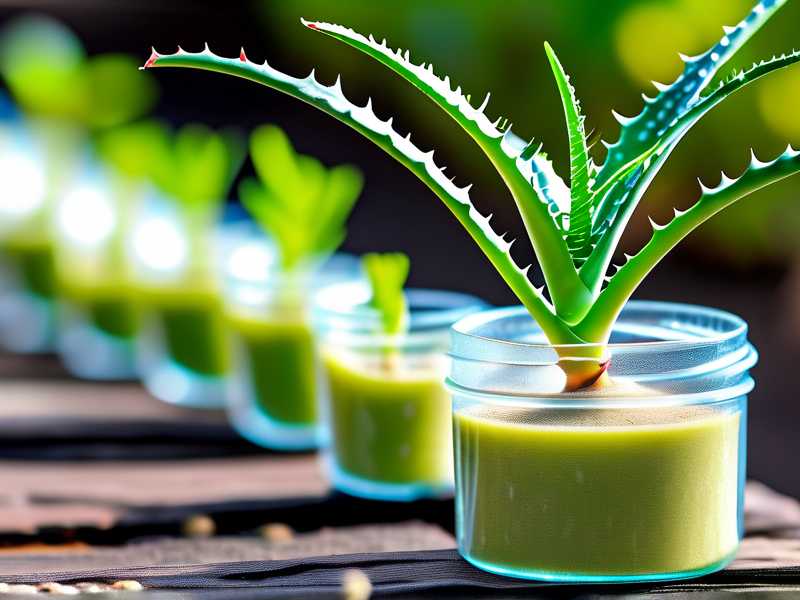
Harvesting Gel Safely and SustainablyAlways choose a mature, outer leaf. Using a clean knife, cut it close to the base. Place the cut leaf upright in a glass for 15 minutes to let the yellow latex (aloin) drain out—this compound can be a skin irritant for some. Then, fillet the leaf to scoop out the clear inner gel.
Simple, Non-Medicinal Home Recipes
Soothing After-Sun Moisturizer: Mix fresh aloe gel with a few drops of coconut oil for a hydrating skin cream to combat dryness after sun exposure.
DIY Hair Conditioner Base: Combine aloe gel with plain yogurt for a moisturizing hair mask that can help add shine and manageability.
Handmade Cooling Body Lotion: Blend aloe gel with shea butter and essential oils like lavender for a rich, soothing body cream.
Remember, these are for general skin hydration and care. For any specific skin conditions, consult a dermatologist.
Troubleshooting Common Issues
Soft, Mushy Leaves: A classic sign of overwatering. Stop watering immediately, check drainage, and remove any severely affected leaves.
Brown, Thin Leaves: Usually indicates underwatering or extreme sun scorch. Adjust watering frequency or provide slight shade.
Leggy, Pale Growth: The plant is not getting enough light. Relocate it to a sunnier spot in the rockery.
Pests: Mealybugs or scale can occasionally appear. Wipe them off with a cotton swab dipped in rubbing alcohol.
Frequently Asked Questions
How often should I water aloe vera in a rockery?There's no fixed weekly schedule. Water only when the soil is completely dry several inches down. This could be every 10 days in hot summer or over a month in cool, damp weather. Always err on the side of underwatering.
What are the best succulent companions for aloe in this setting?Sedum, Sempervivum, Echeveria, and Graptopetalum are excellent choices. They share aloe's need for bright light and excellent drainage, creating a harmonious, low-water landscape.
Can aloe vera survive winter outdoors in a rockery?It depends on your climate. Aloe vera is hardy only in USDA zones 9-11. In colder zones, it risks frost damage. You can mulch heavily around the base for minor frosts or grow it in a pot you can bring indoors. The Royal Botanic Gardens, Kew, advises providing protection from winter wetness as a primary strategy for tender succulents in cool climates.
Integrating aloe vera into your rockery is a rewarding project that blends aesthetic appeal with practical gardening. By focusing on perfect drainage, mindful plant pairings, and a disciplined watering routine, you can create a thriving, textured garden feature. Your rockery will gain a unique, useful element, and your aloe will enjoy an environment that closely mirrors its natural habitat. Start by assessing your sunniest, best-draining spot, and enjoy the process of building this beautiful and resilient garden combination.