bluename
 How to Treat Aloe Vera Aphids with Neem Oil: A Complete Guide for Healthy Plants
Finding tiny, sap-sucking insects clustering on your prized aloe vera plant is a frustrating experience for any plant lover. These pests, commonly aphids, can weaken your aloe, causing leaves to pucker, yellow, or become sticky with honeydew. While chemical pesticides offer a quick fix, they can harm beneficial insects and the environment. This guide provides a detailed, natural solution: using neem oil. We will walk you through identifying aphids, preparing and applying a safe neem oil solution, and integrating preventive care practices to keep your aloe vera thriving.
Understanding Aloe Vera Aphids and Their Impact
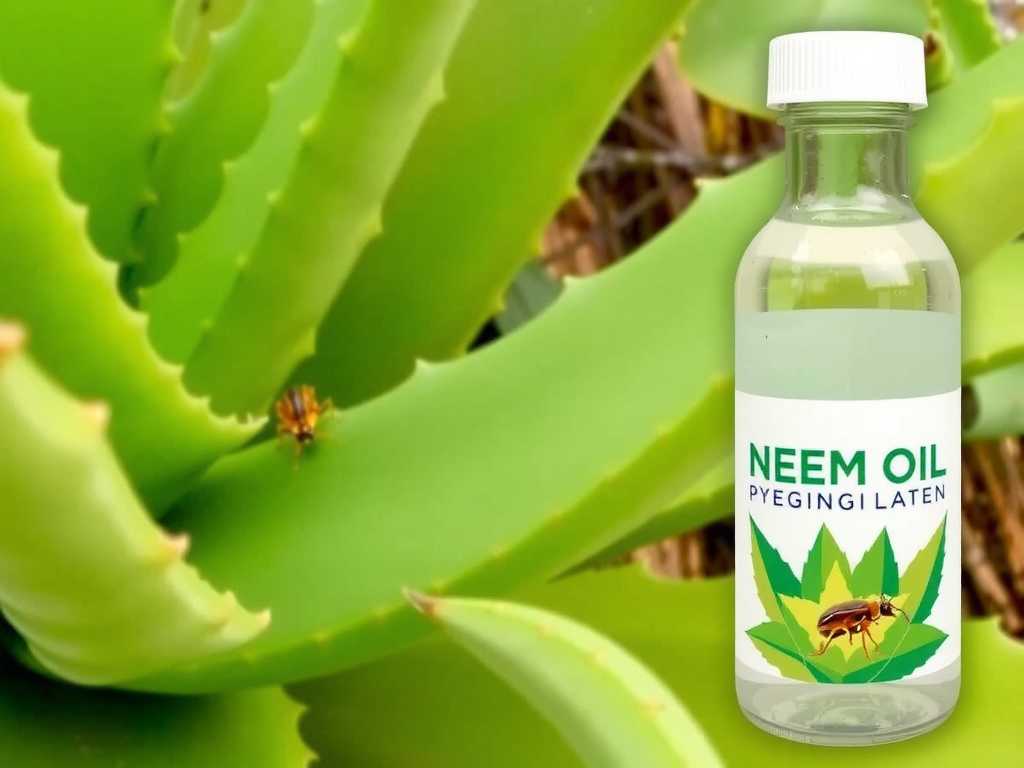
Aphids are small, soft-bodied insects that come in various colors, including green, black, and brown. They tend to congregate on the undersides of leaves and on new, tender growth of aloe vera plants. Their feeding drains the plant’s vital sap, which can stunt growth and distort the shape of the leaves.
The sticky residue they leave behind, known as honeydew, can attract ants and promote the growth of sooty mold, a black fungus that further inhibits the plant’s ability to photosynthesize. Early detection is key. Regularly inspect your aloe vera, especially in the crevices between leaves and at the base.
Why Neem Oil is a Preferred Natural Solution
Neem oil, extracted from the seeds of the neem tree (Azadirachta indica), is a cornerstone of organic gardening. Its effectiveness lies in a compound called azadirachtin. This compound acts as a natural insect growth regulator, disrupting the life cycle of pests like aphids. It can deter feeding, inhibit reproduction, and, upon direct contact, suffocate soft-bodied insects.
Unlike broad-spectrum synthetic pesticides, neem oil is biodegradable and has low toxicity for mammals, birds, and earthworms when used as directed. Research from institutions like the Cornell University College of Agriculture and Life Sciences supports the use of neem-based products as part of an integrated pest management strategy for sustainable plant care.
Preparing Your Neem Oil Spray: A Step-by-Step Recipe
For a safe and effective treatment, you’ll need to create an emulsified spray. Pure neem oil does not mix with water, so an emulsifier is essential.
What You Will Need:
- 100% cold-pressed neem oil
- A mild liquid soap (like castile soap) or a dedicated horticultural oil emulsifier
- Clean, lukewarm water
- A spray bottle (1-quart/liter size is ideal)
- A small measuring spoon
The Standard Recipe:
- Fill your spray bottle nearly to the top with warm water. Warm water helps the oil mix more readily.
- Add 1 teaspoon (5ml) of neem oil to the water.
- Add 1/3 teaspoon (roughly 1.5ml) of your mild liquid soap or emulsifier. The soap breaks the surface tension, allowing the oil to disperse evenly in the water.
- Close the bottle and shake vigorously for at least 30 seconds to form a milky, uniform emulsion.
Important Note: Always mix a fresh batch for each application. The emulsion can separate over time, reducing its effectiveness. Shake the bottle frequently during use to keep the mixture well-blended.
How to Apply Neem Oil to Your Aloe Vera Plant
Proper application ensures the treatment works without stressing your plant.
- Test First: Before spraying the entire plant, apply a small amount of the solution to a single leaf or a small, inconspicuous area. Wait 24-48 hours to check for any adverse reactions, such as leaf burn or discoloration. Aloe vera is generally tolerant, but it’s a crucial precaution.
- Timing is Crucial: Apply the spray in the early morning or late evening. Direct sunlight on wet, oil-coated leaves can cause phytotoxicity (leaf burn). Additionally, this timing avoids harming beneficial pollinators like bees, which are less active then.
- Thorough Coverage: Take your plant to a shaded, well-ventilated area. Spray every part of the plant, paying meticulous attention to the undersides of leaves, stem joints, and the base—where aphids love to hide. The goal is to coat all surfaces lightly but thoroughly.
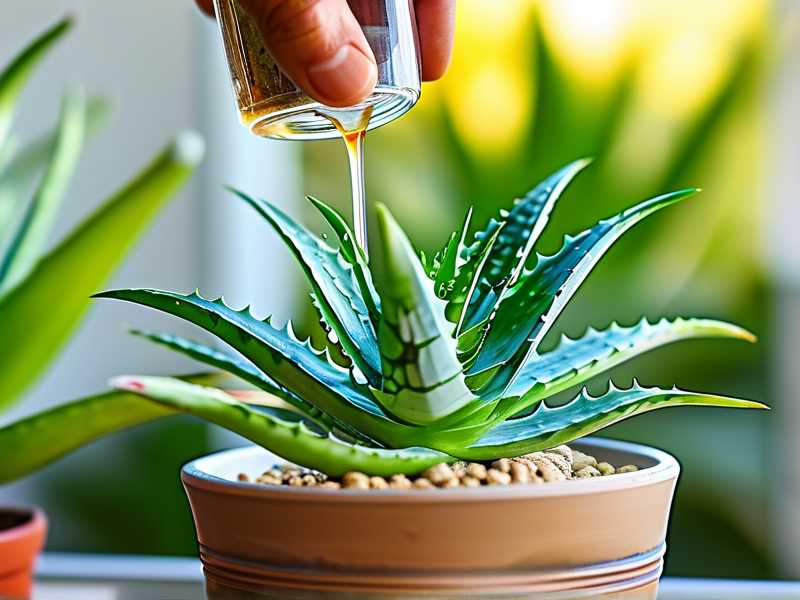
- Repeat the Process: Neem oil works systemically and as a contact insecticide. For an active infestation, apply the spray once every 4-7 days for 2-3 weeks. This schedule helps break the aphid life cycle by targeting newly hatched nymphs.
- Post-Application Care: Allow the spray to dry completely before moving the plant back to its usual sunny spot. Avoid watering the leaves immediately after treatment.
Integrating Preventive Care for a Resilient Aloe Vera
Treating aphids is only half the battle. A healthy aloe vera is your best defense against future infestations. Focus on optimizing its growing conditions.
Optimal Growing Environment: Aloe vera thrives in conditions that mimic its native habitat. Provide bright, indirect light for at least 6 hours a day. Use a well-draining cactus or succulent potting mix. According to best practices from the Royal Botanic Gardens, Kew, excellent drainage is non-negotiable to prevent root rot. Water deeply but infrequently, allowing the soil to dry out completely between waterings.
Regular Monitoring and Isolation: Make inspecting your plants a weekly habit. When you bring a new plant home, keep it isolated from your existing collection for a few weeks to ensure it isn’t harboring pests. Gently wiping aloe leaves with a damp cloth not only removes dust, enhancing its decorative appeal, but also dislodges any early-stage pests.
Companion Planting and Beneficial Insects: Consider placing aromatic companion plants like rosemary, lavender, or chives near your aloe collection. Their strong scents can help deter aphids. For outdoor aloes, encouraging beneficial insects such as ladybugs and lacewings, which are natural predators of aphids, creates a balanced ecosystem.
Beyond Pest Control: Enjoying Your Aloe Vera
A pest-free aloe vera plant offers more than just greenery. Its sculptural form adds a modern, clean aesthetic to home decor, complementing various interior styles. The clear gel inside its leaves is also celebrated for its versatile, non-medicinal uses in home skincare.
For a simple, hydrating treatment, you can harvest a leaf, slice it open, and scoop out the fresh gel. This gel can be applied directly to dry skin for a cooling, moisturizing effect, used as a base for DIY body lotions, or mixed with other natural ingredients like coconut oil for a nourishing hand cream. It provides excellent hydration and can soothe feelings of skin tightness after sun exposure, aligning with its traditional role in supporting general skin comfort.
Addressing Common Concerns
Can neem oil harm my aloe vera plant? When diluted and applied correctly (avoiding direct sun and performing a patch test), neem oil is very safe for aloe vera. Over-concentration or application in hot sunlight are the most common causes of leaf damage.
How long does it take for neem oil to work on aphids? You may see aphids die on contact within hours. However, neem oil’s insect growth regulator properties work over time. A significant reduction in the population is typically seen after 2-3 applications over a week or two, as it disrupts their ability to mature and reproduce.
Are there alternatives to neem oil for aphid control? Yes. A strong blast of water can dislodge aphids. Insecticidal soaps are another effective organic option. For minor infestations, wiping leaves with a cotton swab dipped in a solution of mild soap and water can be sufficient. The choice depends on the severity of the problem and personal preference.
Successfully managing aloe vera aphids with neem oil combines immediate action with thoughtful, long-term plant care. By following the precise preparation and application steps, you address the current issue safely. More importantly, by focusing on providing perfect growing conditions—the right soil, light, and water—you build your plant’s natural resilience. This holistic approach ensures your aloe vera remains not only pest-free but also a vibrant, decorative element in your home, ready to provide its hydrating gel for personal skincare routines. Consistent care and observation are the ultimate tools for a thriving indoor garden.