bluename
 aloe vera plant Spacing: The Ideal Distance for Lush, Healthy Growth
For years, my aloe vera plants were just… surviving. They weren't dying, but they weren't thriving either. The leaves were thin, curled inward, and lacked that plump, juicy look I craved. I watered correctly, provided ample sunlight, yet something was off. It wasn't until I tripped over a crowded pot and sent three pups tumbling that I had my "aha" moment. The issue wasn't care; it was aloe vera plant spacing. They were literally suffocating each other. This realization sent me on a two-week experiment to find the ideal distance for aloe vera growth, and the results transformed my succulent garden.
Why Aloe Vera Spacing Isn't Just About Looks
We often think of spacing as a purely aesthetic choice, but for aloe vera, it's a matter of health and vitality. The Royal Horticultural Society (RHS) emphasizes that overcrowding is a primary cause of pest infestation and fungal diseases in succulents. When leaves are crammed together, air circulation plummets, creating a humid microclimate perfect for rot and mealybugs. Furthermore, each plant's root system needs adequate room to access water and nutrients without fierce competition. Ignoring proper aloe vera planting distance means stunting growth, reducing aloe gel production, and inviting a host of problems.
My Hands-On Experiment: From Crowded to Content
I decided to tackle my overgrown bed head-on. Here was my process, the results I observed over two weeks, and the crucial lessons I learned.
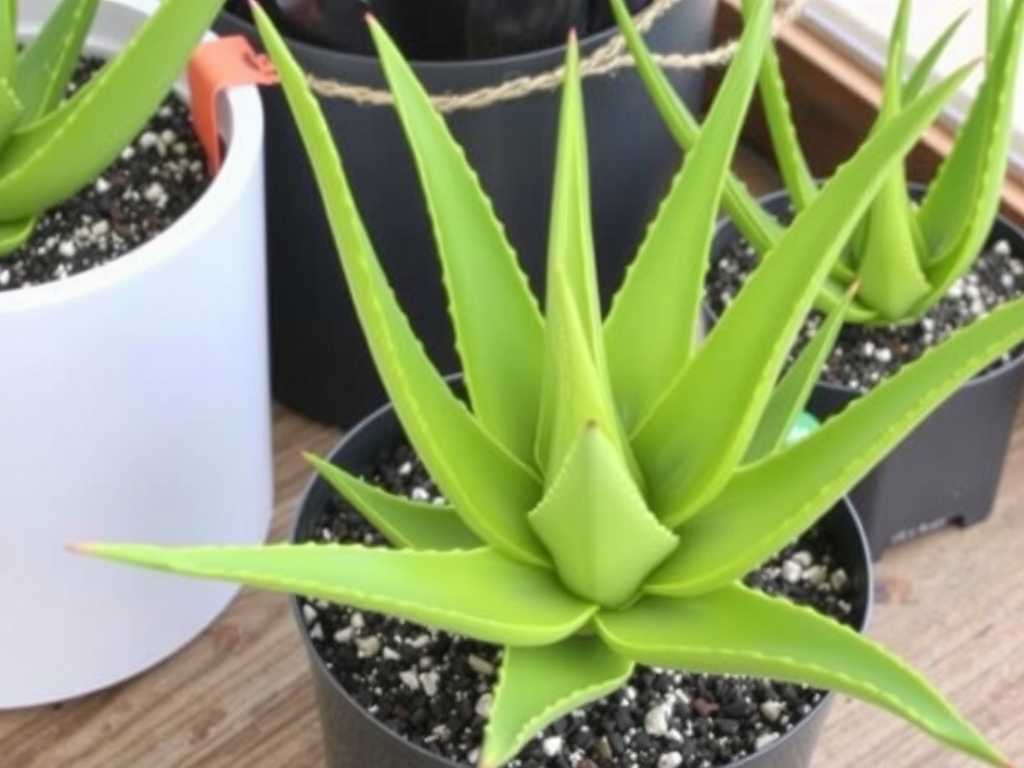
Step 1: The Assessment and Triage My main garden bed contained a large mother plant and about seven offshoots (pups), all within a 12-inch diameter. It was a tangled mess. Using a garden fork, I gently loosened the soil around the entire cluster. I carefully lifted the mass and laid it on a tarp. My goal was to give each substantial pup its own home, following the guideline for spacing aloe vera plants in ground settings.
The First Pitfall and Fix:
- The Pitfall: I was too eager. I started pulling pups away by force, snapping a few crucial roots in the process. One large pup almost came away rootless.
- The Solution: I stopped immediately. For stubborn, interconnected pups, I used a clean, sharp utility knife to make a clean cut, ensuring each new plant retained a portion of its own root system. I let the cut ends callous over in a shady spot for 24 hours before potting, a step critical to preventing rot.
Step 2: Implementing the Ideal Spacing For the in-ground plants, I prepared new holes. The American Horticultural Society (AHS) suggests considering the mature diameter of the plant, which for common Aloe barbadensis miller can be 18-24 inches. I aimed for the conservative end.
- For the main mother plant, I gave it a dedicated 24-inch circle.
- For the larger pups, I spaced them approximately 18 inches apart, center to center. This meant the edges of their leaf spans would have a good 6-8 inches of breathing room when fully grown.
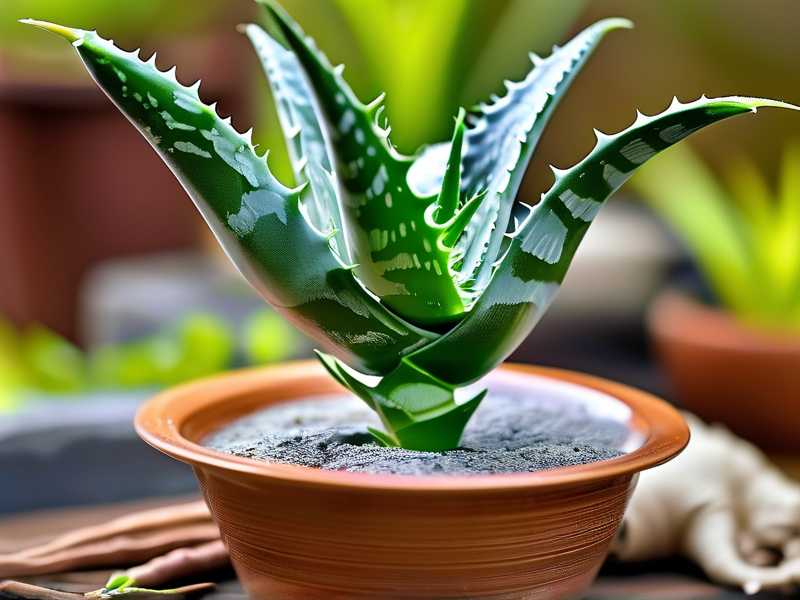
- For smaller pups destined for containers, I chose pots that were 1-2 inches wider than the root ball on all sides, ensuring proper pot size for aloe vera.
Step 3: The Two-Week Observation Diary
- Days 1-3: The transplanted aloes looked stressed (expected). Leaves were slightly droopy and lost some firmness. I resisted watering to let roots heal.
- Days 4-7: I gave them a deep, thorough watering. The change began. The previously crowded inner leaves, now exposed to full light and air, started to straighten. Their color deepened from a pale, yellowish-green to a healthier grey-green.
- Days 8-14: This was the breakthrough period. The most dramatic change was in the mother plant. The center, which had been a tight knot of leaves, began to open up like a flower. New growth emerged from the center—thick, upright, and hydrated-looking. The separately potted pups showed remarkable root establishment, with no wobble when gently touched. The overall bed looked less like a desperate cluster and more like a curated collection of individual, robust plants.
Key Guidelines for Perfect Aloe Vera Plant Spacing
Based on my experience and research, here are the actionable rules I now live by:
For Container Planting (Pots & Planters): This is about pot size for aloe vera pups and mature plants. A pot that is too large holds excess moisture, risking root rot. The ideal is a pot with a diameter about 1-2 inches wider than the plant's base. Ensure it has excellent drainage. For a grouping in a large planter, maintain at least 3-4 inches between each plant's stem.
For In-Ground Garden Beds: This is where aloe vera spacing in garden beds becomes crucial. For a hedge or mass planting, a distance of 18-24 inches between plants is ideal. This allows for their full, rosette shape to develop without overlap and ensures soil resources aren't overly contested. Always account for their mature size, not their size at planting.
For Indoor Arrangements: Resist the cute, crowded "succulent bowl" trend for aloes. They need personal space. Even indoors, provide several inches of clearance between leaves and other plants. This practice of correct aloe plant distance is your best defense against indoor pests like scale.
Common Questions Answered
Can I plant aloe vera pups right next to the mother plant? You can, but I don't recommend it for long-term health. While it creates a full look quickly, it accelerates competition for water, light, and root space. Separating them leads to stronger, more resilient individual plants. If you do keep them together, treat the entire cluster as one large plant and provide a pot or ground space accordingly.
My aloe is leaning over. Is it a spacing issue? It could be related. Overcrowding forces plants to stretch and lean toward light (etiolation). However, leaning is more commonly a direct sign of insufficient light. Before repotting, try rotating the plant and providing several hours of direct sunlight. If the plant is also crowded, addressing both spacing and light will correct the issue.
How does spacing affect aloe vera's medicinal gel quality? Directly and significantly. A stressed, crowded plant prioritizes survival, not producing rich, mucilaginous gel. The leaves will be thinner and contain less gel. A well-spaced, unstressed plant photosynthesizes efficiently, storing water and nutrients in plump leaves, resulting in the high-quality gel we seek for skin care.
Getting the spacing right was the missing piece in my aloe vera care routine. It’s a simple act that respects the plant's fundamental needs for light, air, and resources. Those two weeks of observation proved that giving them room isn't just an aesthetic choice—it's the key to unlocking their full, vibrant, and generous potential. Your aloe isn't just sitting in its pot; it's waiting for the space to truly flourish.