bluename
 How to Treat Aloe Vera Rust Disease: A Plant Lover's 2-Week Rescue Journal
There's a special kind of heartbreak that hits when you notice strange, orange-brown spots marring the beautiful, plump leaves of your aloe vera plant. It doesn't look like the typical overwatering rot; it's something crustier, more sinister. I know this feeling all too well. After years of nurturing a collection of succulents, I came face-to-face with aloe vera rust disease on my prized, decade-old specimen. If you're seeing those telltale rusty pustules, don't panic. I spent two intensive weeks diagnosing, treating, and observing my plant's recovery, and I'm here to guide you through the exact process that brought mine back from the brink.
This isn't just theoretical advice. This is a hands-on account of my battle with this fungal infection, including the mistakes I made along the way and how I corrected them. We'll cover how to get rid of rust on aloe vera leaves using accessible methods and discuss effective fungicide treatment for aloe rust for more stubborn cases.
Understanding Your Enemy: What Is Aloe Rust?
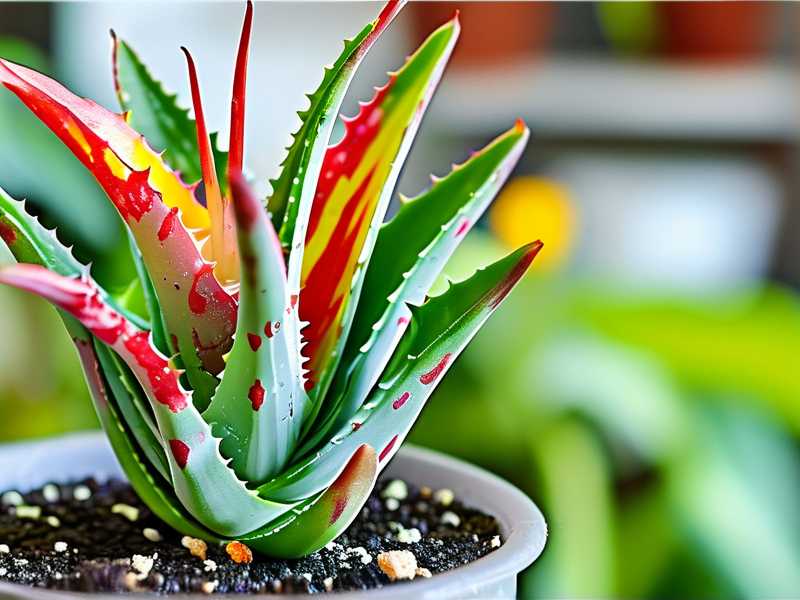
Before you start treatment, correct identification is crucial. Aloe rust is caused by a fungus, typically Phakopsora pachyrhizi, that manifests as small, pale yellow spots on the upper surfaces of leaves. These quickly develop into raised, orange-brown to dark brown pustules or "blisters" on the underside. They feel dry and powdery to the touch. Unlike soft rot, the leaf tissue around these spots often remains firm initially.
The fungus thrives in conditions with poor air circulation, high humidity, and cool temperatures. My plant was in a corner of my patio that didn't get morning sun to dry the dew, creating the perfect storm. The Royal Horticultural Society (RHS) notes that while rusts are rarely fatal on established plants, they are unsightly and can weaken the aloe by disrupting photosynthesis, making early intervention key.
My Step-by-Step, Two-Week Treatment Protocol
Here is the exact sequence of actions I took, day by day and week by week.
Week 1: The Initial Triage and Isolation
Day 1: Diagnosis and Immediate Action The moment I confirmed it was rust (by comparing to trusted online resources from university agricultural extensions), I sprang into action. First, I isolated the infected plant. This is non-negotiable. Rust spores are airborne and can easily spread to your other succulents. I moved my aloe to a separate, well-ventilated bench away from the collection.
Next, I gathered my tools: sharp, sterilized pruning shears (I wiped them down with isopropyl alcohol between every cut), a trash bag, a fungicide, and gloves.
Day 1: Surgical Removal of Infected Tissue I carefully inspected every leaf. For leaves with severe, widespread pustules covering more than 30% of the surface, I made the tough call to remove them entirely at the base. For leaves with only a few spots, I opted to cut out the infected sections. I cut at least half an inch into healthy, green tissue around each spot to ensure no fungal hyphae remained. Every single piece of infected leaf went directly into the trash bag, not the compost pile.
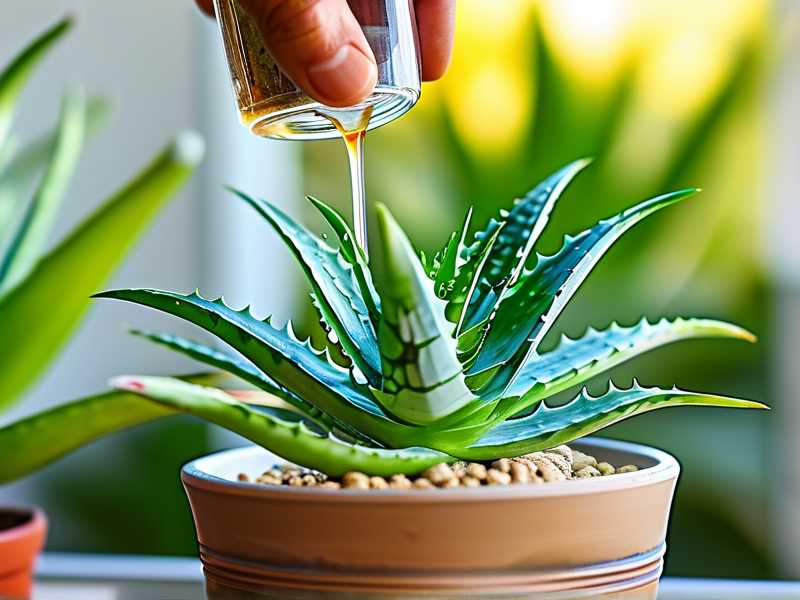
Day 1: Application of a Natural Fungicide For the initial treatment, I wanted to start with a gentler option. I used a neem oil solution, a common organic treatment for fungal plant diseases. I mixed 2 teaspoons of cold-pressed neem oil and 1 teaspoon of mild liquid soap into a gallon of water, shaking it thoroughly. Using a small pump sprayer, I drenched the entire plant—top and bottom of every leaf, the stem, and the soil surface—until it was dripping. I did this in the late evening to prevent potential leaf burn from the sun. The plant was left in its isolated, airy location to dry.
Day 3: Observation and Environmental Adjustment No new spots were visible. I took this time to optimize its environment. I cleared surrounding debris to maximize airflow and ensured it would now receive several hours of direct morning sun to keep foliage dry. The American Horticultural Society (AHS) emphasizes that cultural controls like improving air circulation are foundational to managing fungal issues.
Day 5: The First Mistake and Correction Here was my first critical mistake. I noticed the soil was still quite damp from the neem oil drench. In my zeal to treat the fungus, I had overlooked aloe vera's primary need: dry feet. I was risking root rot on top of rust! I immediately moved the pot to a warmer, breezier spot. I even carefully tipped the pot to drain excess moisture and gently aerated the top layer of soil with a chopstick. This was a vital lesson: Never compromise the plant's basic care requirements during treatment.
Day 7: Second Fungicide Application Following the label instructions for the neem oil (usually 7-14 day intervals), I applied a second, lighter spray. This time, I only misted the foliage, being careful not to soak the soil. The existing spots appeared dry and had not spread.
Week 2: Monitoring, Escalation, and Signs of Hope
Day 10: Assessing Progress and Changing Tactics While the disease progression had halted, the existing pustules were still present. The neem oil was acting as a protectant but wasn't fully eradicating the established fungus. I decided to escalate to a systemic fungicide for a more effective treatment for aloe rust.
I chose a fungicide containing myclobutanil, labeled for use on ornamentals and rust diseases. Safety first: I wore gloves and a mask, applied it outdoors, and followed the dilution instructions to the letter. I applied this as a soil drench, allowing the plant to take up the chemical through its roots to protect it from the inside out. This is a powerful tool for stubborn infections.
Day 12-14: The Turning Point This is where patience paid off. The ugly, crusty pustules began to look desiccated and flaky. Most importantly, there was zero evidence of new yellow spots forming on any new growth. The plant's central rosette, which had been clean throughout, began to look plumper and greener. The systemic fungicide was working. I continued to withhold water, as the soil was still not fully dry from the drench.
End of Week 2: Recovery and Long-Term Plan After two weeks, the battle was decisively turning in my favor. The infection was contained. I gently brushed off the dry, flaky remnants of the old pustules. The leaves beneath were scarred but firm and healthy. I resumed my normal, sparse watering routine (soaking only when the soil was completely dry) and kept the plant in its new, sunnier, airier location. I maintained isolation for a total of one month to be absolutely safe.
Crucial Lessons from the Front Lines: Pitfalls and Solutions
My journey wasn't perfectly smooth. Here are the key pitfalls I encountered and how you can avoid them.
-
Pitfall: Over-treatment Leading to Waterlogging. As mentioned, my initial neem oil drench saturated the soil. Solution: When applying foliar sprays, shield the soil with a plastic bag or apply the treatment more judiciously. Always prioritize the aloe's need for dry soil.
-
Pitfall: Incomplete Isolation. My initial "isolation" was just moving the pot a few feet away. Spores can travel farther. Solution: Create true, physical separation—a different room, a far-off corner of the garden, or a separate shelf indoors.
-
Pitfall: Expecting Instant Results. Fungal recovery is slow. After a few days, I was anxious seeing the old spots still there. Solution: Focus on the absence of new spots. Success is halting the spread, not making old damage instantly vanish. The scars will remain, but the plant will outgrow them.
-
Pitfall: Using Dull or Unsterilized Tools. Early on, I snapped off a leaf by hand, tearing it and creating a wound. Solution: Always use sharp, sterilized tools for clean cuts that heal quickly. This prevents secondary infections.
Frequently Asked Questions from a Fellow Plant Enthusiast
Can a badly rust-infected aloe vera plant be saved? Yes, absolutely. Unless the rust has completely covered every single leaf and compromised the central growing point (the meristem), recovery is possible. Aggressive pruning of the worst leaves, combined with consistent fungicide treatment and perfecting its growing conditions, can rescue the plant. My plant lost several large outer leaves but is now growing a healthy new core.
Is neem oil or a chemical fungicide better for aloe rust? It depends on the severity. For very early, mild cases, neem oil is an excellent first line of defense and a good preventative. For a moderate to severe established infection, a systemic chemical fungicide is often more effective at controlling aloe plant fungus. I found using both in sequence—neem to initially suppress and a systemic to eradicate—was the winning combination for my situation.
How do I prevent aloe rust from ever coming back? Prevention is all about environment. Ensure your aloe gets plenty of bright, direct light (at least 6 hours). Provide excellent air circulation around the leaves—don't crowd your plants. Water only at the soil level, avoiding wetting the leaves, and always allow the soil to dry completely between waterings. A happy, unstressed aloe in ideal conditions is remarkably resistant to disease.
Watching those rusty spots finally stop spreading and seeing fresh, unblemished growth emerge was incredibly rewarding. Treating aloe vera rust disease requires a blend of immediate action, the right tools, environmental adjustments, and a healthy dose of patience. It's a clear reminder that being a plant caretaker means being a detective, a surgeon, and a guardian. By following these steps, learning from my missteps, and tailoring the approach to your plant's response, you can restore your aloe to health. The scars tell a story of survival, and that makes the recovered plant all the more valuable in your collection.