bluename
 Aloe Vera Hair Mask: Your Ultimate Guide to Repairing Dry, Damaged Hair
Does your hair feel like straw, snapping at the slightest touch? Are you tired of the endless cycle of frizz, dullness, and split ends that no store-bought conditioner seems to fix? You’re not alone. Environmental stress, heat styling, chemical treatments, and even daily washing can strip your hair of its natural moisture and proteins, leaving it parched, brittle, and lifeless. But what if the secret to reversing this damage has been growing quietly on your windowsill or sitting on a health store shelf all along? Enter the aloe vera hair mask—a natural, potent, and deeply restorative treatment that promises to bring your dry, damaged hair back to life.
This isn't just another beauty trend. The use of aloe vera for hair and skin care dates back thousands of years, prized by ancient civilizations for its healing properties. Today, modern science is catching up, validating what traditional practices have long known. This guide will walk you through exactly how aloe vera works its magic, how to create and use effective masks at home, and why this humble plant might be the missing piece in your hair care puzzle.
Why Aloe Vera is a Miracle Worker for Damaged Hair
To understand why aloe vera is so effective, we need to look under the leaf. The clear gel inside an aloe vera leaf is a powerhouse of over 75 potentially active constituents, including vitamins, minerals, enzymes, sugars, and amino acids. For damaged hair, its action is multi-faceted and profound.
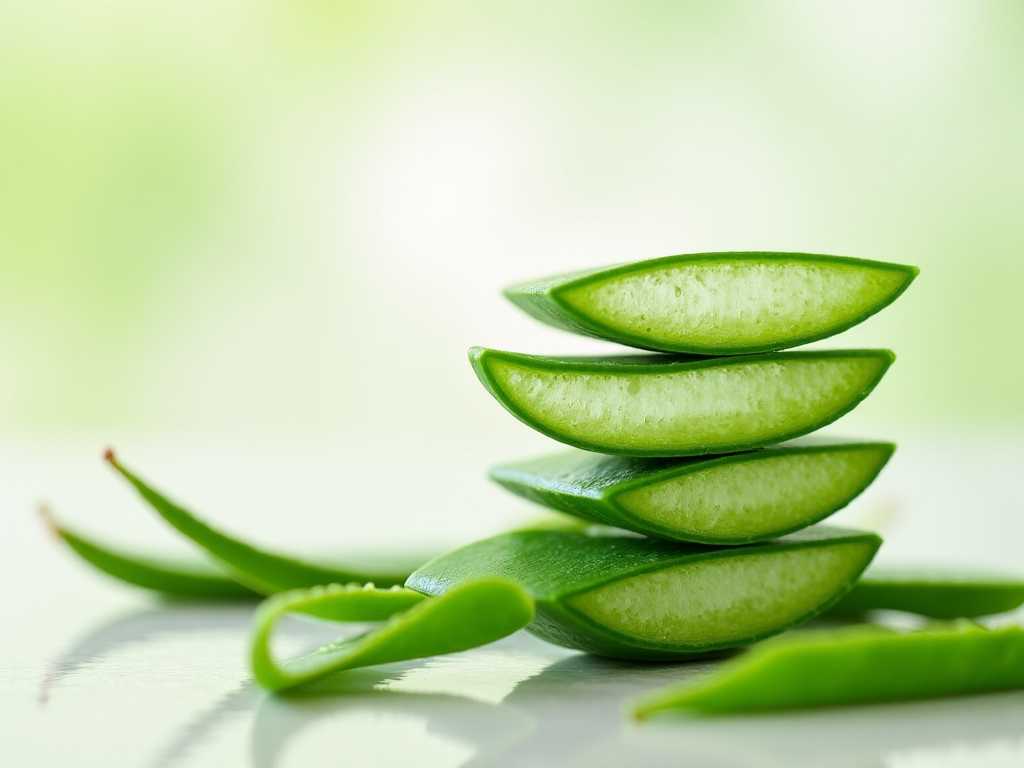
First and foremost, aloe vera is a supreme moisturizer. Its gel has a water-dense composition that penetrates the hair shaft and scalp more effectively than many heavier oils or creams. It delivers hydration directly where it's needed without leaving a greasy residue. This is crucial for repairing dry hair, as moisture is the foundation of elasticity and strength.
Beyond moisture, aloe vera contains proteolytic enzymes. These enzymes gently break down and remove dead skin cells on the scalp (a process known as keratolysis), which can unclog hair follicles and create a healthier environment for hair growth. A 2009 study published in the Journal of Chemical and Pharmaceutical Research highlighted aloe vera's ability to promote hair growth, attributing it to this stimulating effect on the follicles.
Furthermore, the plant is rich in vitamins A, C, E, and B12—all antioxidants that combat free radical damage from sun exposure and pollution. It also contains minerals like zinc and magnesium, which contribute to a healthy scalp and stronger hair structure. The amino acids in aloe vera help to fortify the hair's keratin, the core protein that makes up your strands, helping to rebuild and reinforce from within.
The Core Benefits of Using an Aloe Vera Hair Mask
Integrating a dedicated aloe vera hair mask into your routine goes beyond simple conditioning. It offers a comprehensive repair strategy.
Intense Hydration and Frizz Control: Unlike silicones that coat the hair, aloe vera’s humectant properties draw moisture from the air into the hair shaft. This deeply hydrates dry hair, smoothing the cuticle layer. A smooth cuticle reflects light better (adding shine) and lies flat, which is the key to taming frizz and flyaways.
Scalp Soothing and Health: A healthy scalp is the bedrock of healthy hair. Aloe vera’s anti-inflammatory and cooling properties, often cited in dermatological research for treating burns, are equally effective for calming an itchy, irritated, or sunburned scalp. By reducing inflammation and balancing the scalp's pH, it creates an optimal foundation for hair to thrive.
Strengthening and Reducing Breakage: Dry, damaged hair is fragile hair. The vitamins, minerals, and amino acids in aloe vera work synergistically to nourish and strengthen the hair shaft from the inside out. Regular use can improve hair's tensile strength, making it more resilient to brushing, styling, and environmental stressors, thereby significantly reducing breakage and split ends.
Adding Brilliant Shine and Softness: As the hair cuticle is smoothed and hydrated, light reflects off a more uniform surface. This results in instant, noticeable shine. The lightweight moisture also leaves hair feeling incredibly soft and manageable, not weighed down.
How to Make Your Own Aloe Vera Hair Mask at Home
Creating your own treatment ensures you get a pure, fresh product without preservatives or fillers. Here’s a step-by-step guide to a powerful base mask, plus variations for specific concerns.
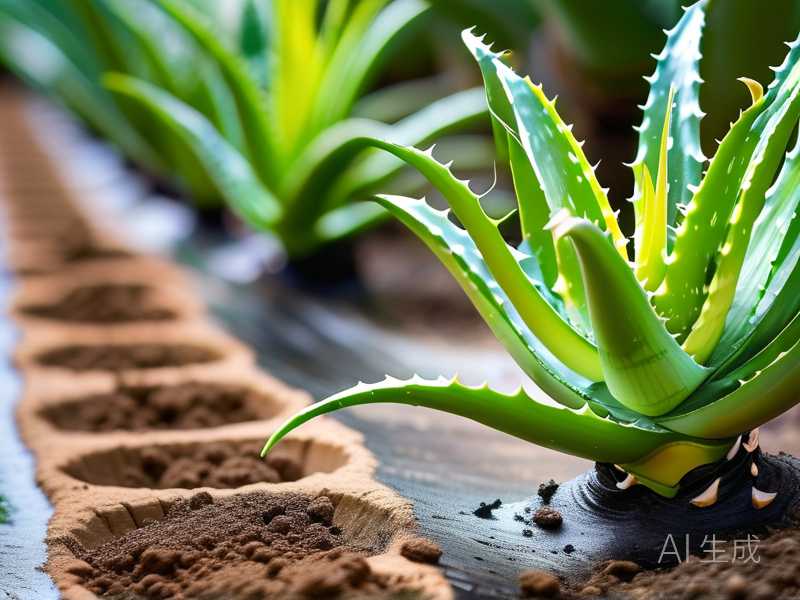
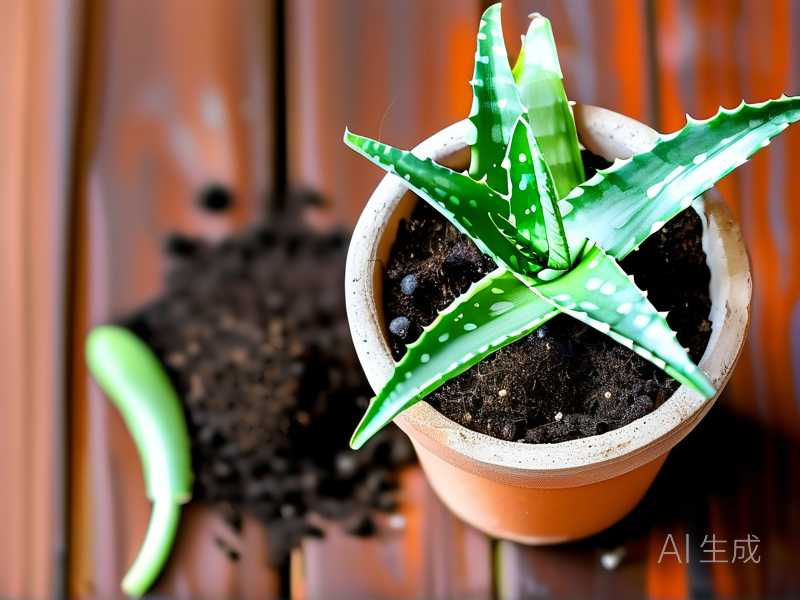
Choosing Your Aloe Vera: For the best results, use fresh gel from a leaf. Cut a thick leaf from the plant, stand it upright to let the yellow latex (which can be irritating) drain out, then fillet it to scoop out the clear gel. If using store-bought gel, ensure it is 100% pure and organic, with no added colors or fragrances.
The Ultimate Repairing Aloe Vera Hair Mask Recipe
This mask combines aloe’s healing power with coconut oil’s deep penetration and honey’s humectant lock.
- Ingredients:
- 3 tablespoons of pure aloe vera gel
- 1 tablespoon of raw, organic coconut oil (warmed until liquid)
- 1 tablespoon of raw honey
- Instructions:
- In a small bowl, thoroughly mix the aloe vera gel, liquid coconut oil, and honey until you achieve a smooth, consistent paste.
- Section your damp, towel-dried hair. Using your fingers or an applicator brush, apply the mask generously from the mid-lengths to the ends of your hair. If you have a dry scalp, you can gently massage a small amount onto the scalp as well.
- Once fully applied, twist your hair up and cover it with a shower cap. The cap creates a warm, humid environment that helps the ingredients penetrate deeply into the hair shaft.
- Leave the mask on for 30 to 45 minutes. For intensely damaged hair, you can leave it on for up to an hour.
- Rinse thoroughly with cool or lukewarm water, then shampoo and condition as usual. The cool water helps seal the hair cuticle, locking in the benefits.
Customized Mask Variations:
- For Extra Growth and Thickness: Add 2-3 drops of rosemary essential oil to the base recipe. Rosemary oil has been clinically shown, including in a 2015 study, to be as effective as minoxidil for promoting hair growth in some cases.
- For Extreme Dryness and Protein Loss: Add one beaten egg yolk to the base recipe. Egg yolk is rich in lecithin and proteins that can help temporarily patch up damaged areas of the hair cuticle.
- For Clarifying and Oily Scalps: Mix 3 tbsp aloe vera gel with 1 tbsp of plain yogurt and the juice of half a lemon. The lactic acid in yogurt and the citric acid in lemon help cleanse the scalp and remove product buildup.
How to Use Your Aloe Vera Mask for Maximum Results
Consistency and technique matter. For repairing dry damaged hair, use a deep conditioning mask like the one above once a week. If your hair is only mildly dry, every two weeks may suffice. Always apply to damp hair, as it is more porous and receptive to treatment. The shower cap step is non-negotiable for deep conditioning—it dramatically increases efficacy. After rinsing, follow with a gentle, sulfate-free shampoo and a light conditioner if needed.
Integrating Aloe Vera into Your Daily Hair Care Routine
For ongoing maintenance, consider using pure aloe vera gel as a leave-in conditioner. After washing, take a pea-sized amount, emulsify it in your hands with a little water, and run it through your damp ends. It will hydrate, detangle, and protect without any buildup. You can also look for high-quality commercial shampoos and conditioners that list aloe vera gel (not just extract or juice) high on their ingredient list.
How often should I use an aloe vera hair mask? For significant repair work on dry, damaged hair, a weekly treatment is ideal. Once your hair health improves, you can switch to a maintenance schedule of every two weeks or as needed. Listen to your hair—if it starts to feel overly soft or limp (a rare occurrence with aloe), simply space out the treatments.
Can I leave aloe vera in my hair overnight? While you can, it’s usually not necessary for reaping the full benefits. 30-60 minutes under a shower cap allows for deep penetration. Leaving it overnight may lead to transfer onto your pillowcase and doesn’t typically offer significantly better results for the effort.
Is aloe vera good for all hair types? Yes, its lightweight, non-greasy nature makes it excellent for almost all hair types. Those with fine or oily hair will appreciate that it moisturizes without weighing hair down. Those with thick, curly, or coarse hair will love its intense hydration and definition properties. Always do a patch test on your skin first if you have known sensitivities.
The journey to repairing dry, damaged hair doesn’t have to be complicated or expensive. Aloe vera offers a time-tested, scientifically supported, and naturally potent solution that addresses the root causes of damage—moisture loss, scalp imbalance, and structural weakness. By dedicating time to a weekly aloe vera hair mask treatment, you’re not just applying a conditioner; you’re nourishing your hair with a spectrum of vitamins, enzymes, and minerals that work together to restore strength, shine, and vitality. Start with a simple recipe, be consistent, and watch as your hair transforms from brittle and tired to resilient and radiant. Your path to healthier hair begins with the healing power of a single leaf.