bluename
 How to Fix Aloe Vera That’s Leaning to One Side: A Complete Rescue Guide
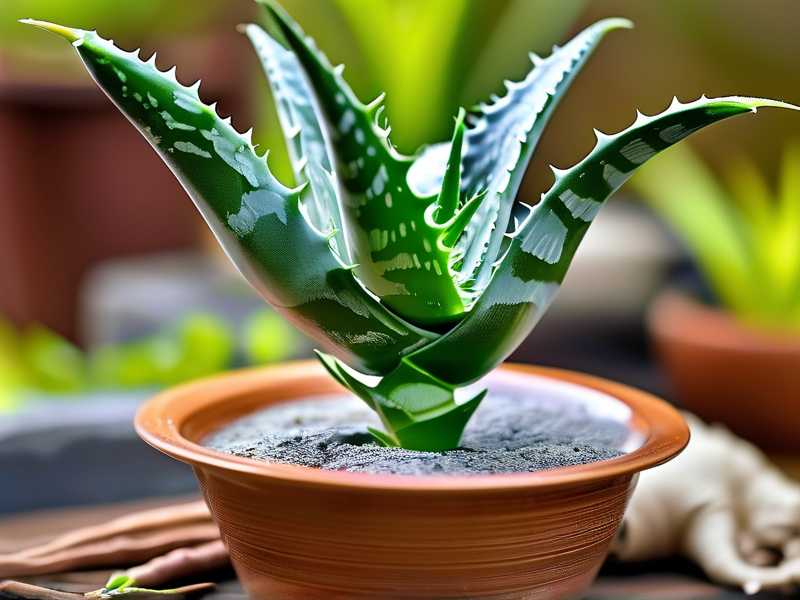
You walk over to your sunny windowsill, ready to admire your lush aloe vera plant, only to find it listing dramatically to one side like a ship in a gentle breeze. That once-perfect, upright rosette is now crooked, unbalanced, and perhaps even threatening to topple over. This common issue is more than just an aesthetic concern; it’s your plant’s visual SOS signal. An aloe vera leaning to one side indicates an imbalance in its care or environment that needs your immediate attention. The good news? In most cases, this is a completely fixable problem. This comprehensive guide will walk you through the precise steps to diagnose the cause and implement the right solution to restore your aloe to its sturdy, vertical glory.
Understanding Why Your Aloe Vera is Leaning
Before you can fix the lean, you need to play plant detective. The direction and nature of the lean are critical clues. Is your aloe vera leaning towards the light source, or is it flopping over due to a weak base? The underlying causes generally fall into a few key categories.
The Most Common Culprit: Phototropism (Reaching for Light) This is the number one reason for a leaning aloe vera plant. Aloes are sun-loving succulents that naturally grow towards light—a process called phototropism. If your plant is on a shelf, in a corner, or even just a few feet back from a window, it will begin to stretch and bend its leaves toward the brightest available light source. You’ll notice the entire plant arching in one direction, with the leaves often becoming elongated, thinner, and paler in color—a condition known as etiolation. According to horticulturist Dr. Linda Chalker-Scott, “When succulents like aloe vera don’t receive adequate direct sunlight, they prioritize stem elongation over leaf development, leading to weak, unstable growth that readily leans and bends.”
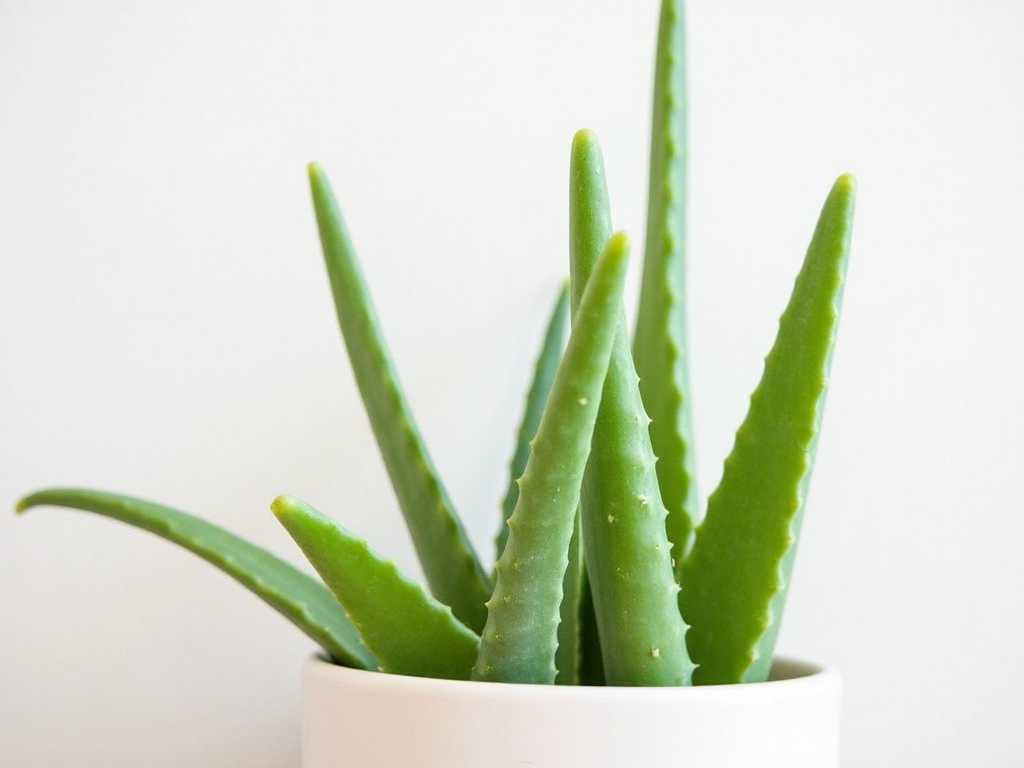
Issues at the Root: Overwatering and Root Rot A lean caused by root problems feels different. If your aloe is leaning or becoming unstable from the base, with leaves that feel mushy, soft, or discolored (often turning yellow or brown), overwatering is the likely villain. Soggy soil suffocates the roots, causing them to decay. This root rot destroys the plant’s anchor and its ability to take up water and nutrients, leading to a top-heavy, unstable plant that can no longer support itself upright. The lean here is often less of a directional reach and more of a general collapse.
Physical and Developmental Factors
- Pot Bound Roots: An aloe vera that has outgrown its pot can become top-heavy. A dense, circling root ball provides a poor anchor in a small container, making the plant prone to tipping.
- Natural Growth and Weight: Large, mature aloe plants, especially varieties like Aloe vera or Aloe arborescens, develop heavy leaves. Over time, this weight can cause a slight, natural lean, particularly if the plant has not been rotated.
- Physical Damage or Soil Erosion: A bump or nudge can physically displace the plant. Similarly, watering can sometimes erode soil away from the base, leaving the plant inadequately supported.
Step-by-Step Solutions to Correct the Lean
Once you’ve identified the probable cause, follow these targeted steps to fix your leaning aloe vera plant and prevent it from happening again.
Correcting a Light-Deprived, Sun-Seeking Aloe
If your plant is leaning toward the window, this is your fix.
- Gradually Increase Sun Exposure: Abruptly moving a light-starved aloe into direct, hot sun can scorch its leaves. Instead, move it to a brighter location over 1-2 weeks. Start with morning sun, which is less intense, and gradually increase its exposure.
- Implement Strategic Rotation: This is the simplest and most effective maintenance habit. Every time you water your aloe (about every 2-3 weeks), give the pot a quarter turn (90 degrees). This ensures all sides of the plant receive equal light, promoting balanced, upright growth. Your aloe will no longer need to bend in one direction.
- Consider a Grow Light: For homes with poor natural light, especially in winter, a simple LED grow light can provide the full spectrum of light your aloe needs to grow compactly and straight. Aim for 6-8 hours of supplemental light per day.
Rescuing an Overwatered, Rotting Aloe
A mushy, base-leaning aloe requires immediate and decisive action.
- Remove the Plant and Inspect: Gently take the aloe out of its pot. Shake off the soil and carefully examine the roots. Healthy roots are firm and white or tan. Rotten roots are mushy, dark brown or black, and may smell foul.
- Perform Root Surgery: Using clean, sharp scissors or pruning shears, cut away every single rotten root. Be ruthless—any rot left behind will spread. Cut back until you only see healthy, firm tissue.
- Let it Callus: Before repotting, allow the plant and its trimmed roots to air dry in a shaded, well-ventilated spot for 1-2 days. This lets the cuts form a callus, which prevents new soil moisture from causing re-infection.
- Repot in Fresh, Dry Soil: Plant your aloe in a clean pot (with a drainage hole!) that’s just slightly larger than the remaining root system. Use a fresh, fast-draining succulent or cactus mix. Do not water it immediately. Wait 4-5 days before giving it a slight watering to allow it to settle and focus on root recovery.
Providing Structural Support and Repotting
For top-heavy or pot-bound plants, physical support and more space are key.
- Staking for Support (Temporary): For a severely leaning but otherwise healthy plant, you can use a thin bamboo stake for temporary support. Insert the stake into the soil near the base and loosely tie the main stem to it with soft plant ties or cloth. Do not tie it tightly. The goal is to prop it up while it re-establishes strength, not to constrict it. Remove the stake once the plant can stand on its own.
- Repotting a Top-Heavy Aloe: Choose a new pot that is wider and more substantial than the current one. Terracotta pots are excellent for aloe as they are heavy and porous. Ensure it has a drainage hole. When repotting, plant the aloe slightly deeper than before to provide better support for the stem, and firm the soil gently around the base.
- Refresh the Soil: Over time, soil breaks down and retains more water. Repotting every 2-3 years with fresh, gritty succulent soil improves drainage and provides a stable, supportive medium for the roots.
Preventative Care: Keeping Your Aloe Vera Upright and Healthy
Fixing the lean is half the battle; preventing its return is the other. Integrate these core aloe vera care principles into your routine.
- The Golden Rule of Watering: Always err on the side of underwatering. Soak the soil thoroughly, then allow it to dry out completely—all the way to the bottom of the pot—before watering again. In winter, watering may only be needed once a month or less.
- Sunlight Requirements: Provide at least 6 hours of bright, indirect or direct sunlight daily. A south or west-facing window is ideal.
- The Right Soil and Pot: Non-negotiable: a well-draining soil mix and a pot with a drainage hole. This combination prevents water from pooling at the roots.
- Consistent Rotation: Make plant rotation a part of your regular watering ritual for symmetrical growth.
Frequently Asked Questions
Can I just straighten my leaning aloe vera by bending it back? No, you should never force or bend the stem or leaves back into position. This can cause cracking, breakage, or severe stress to the plant. The correct method is to address the underlying cause (light, water, support) and allow the plant to grow new, upright growth. You can provide gentle, temporary staking for support.
My aloe is leaning after repotting. What did I do wrong? This is common and usually temporary. The plant may be in shock or the new soil may be too loose, failing to support the roots firmly. Ensure you gently firm the soil around the base. Provide bright, indirect light and avoid watering for a few days to let it settle. It should stabilize as its roots establish in the new pot.
Is a leaning aloe vera plant a sign of disease? Not typically a disease, but as discussed, it is a primary symptom of stress from improper care—most commonly insufficient light or root rot from overwatering. Pests are less likely to cause a lean unless the infestation is severe enough to weaken the plant’s overall structure. Always inspect for other signs like discoloration or soft spots to guide your diagnosis.
Seeing your aloe vera plant leaning can be worrying, but it’s a clear message that a change in its care is needed. By carefully observing the direction and condition of the lean, you can accurately diagnose whether it’s reaching for sun, suffering from wet roots, or simply needing more space. The solutions—from strategic rotation and increased light to surgical root care and repotting—are straightforward and highly effective when applied correctly. With patience and adjusted care, your aloe will respond by producing new, strong, upright growth, transforming back into the statuesque, healthy succulent you love. Remember, the key to a perpetually upright aloe is preventative care: plenty of sun, sparse watering, and an occasional turn of its pot.