bluename
Aloe Vera for Sunburn Blisters: A Plant Lover’s 2-Week Healing Journal
There’s nothing quite like the sting of a bad sunburn. But when that burn progresses to tender, fluid-filled sunburn blisters, the discomfort shifts from a mere annoyance to a real concern. As someone who has nurtured aloe vera plants for years, I’ve always touted their soothing magic for minor burns. However, when a recent hiking trip left my shoulders and back with a patchwork of angry, blistered skin, I decided to put my homegrown aloe to the ultimate test. This is my detailed, two-week account of using aloe vera for sunburn blisters, from initial application to complete healing, including all the mistakes I made and how I corrected them.
Why Trust Aloe Vera for This Sensitive Task?
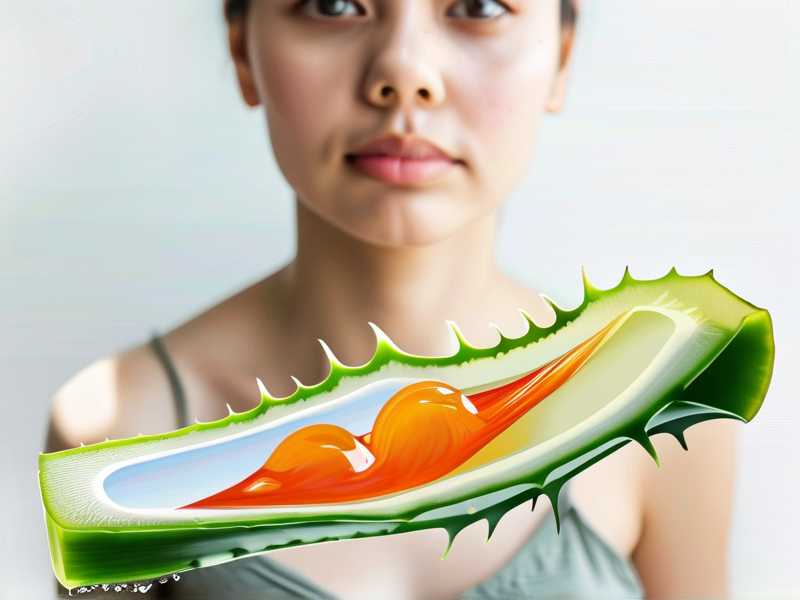
Before diving into my process, I needed to be sure I wasn’t risking infection or further irritation. Research led me to authoritative sources like the American Academy of Dermatology (AAD), which notes that while aloe vera can help soothe sunburn discomfort, caution is advised with broken blisters. The key lies in its composition: aloe vera gel contains compounds like polysaccharides and glycoproteins, which studies suggest possess anti-inflammatory, antimicrobial, and skin-repair promoting properties. This made it a promising candidate for managing the inflamed skin around blisters and aiding the healing process once they began to drain naturally.
My plan was simple: use fresh, pure aloe vera gel to calm the inflammation, support the skin’s barrier, and create an optimal environment for healing, all while meticulously avoiding any action that might rupture the blisters prematurely.
My Step-by-Step, Two-Week Treatment Protocol
Week 1: The Acute Phase – Cooling and Protecting
The first 72 hours were critical. The blisters were fresh, taut, and very painful.
-
Day 1-3: Immediate Care and Initial Application. After a cool (not cold) shower, I gently patted my skin dry. I harvested a thick leaf from my mature aloe plant, sliced it open, and scooped out the inner clear gel. I carefully applied a thin layer only on the red, non-blistered areas and the skin between blisters. I avoided applying pressure directly on the blisters themselves. The instant cooling sensation was profound relief. I repeated this 4-5 times a day, always with freshly harvested gel to ensure purity and potency. I wore only loose, soft cotton clothing.
-
The First "Gotcha": Gel Consistency and Allergic Reaction. Around Day 2, I noticed a slight itch on one area. I realized I had used gel from a younger leaf that had more of the yellow latex (aloin) near the rind, a known irritant. My fix: I became surgical in harvesting, taking only the inner, clear mucilage from the very center of mature leaves and thoroughly rinsing it. The itching subsided. This underscores a vital tip: treating sunburn blisters with aloe vera requires the purest form of gel.
-
Day 4-7: Monitoring and Adaptation. By Day 4, the intense redness had diminished significantly around the blistered zones. Some smaller blisters began to flatten naturally. I continued the frequent applications. A key observation was that the aloe formed a gentle, protective layer that seemed to reduce the feeling of tightness and friction from my clothes.
Week 2: The Repair Phase – Supporting Natural Healing
This week was about patience as the body did its repair work.
-
Day 8-10: Natural Drainage and Continued Care. Several larger blisters drained on their own. Once the skin had broken naturally and the fluid was gone, leaving a tender pink base, I slightly altered my approach. After gentle cleansing, I applied the aloe gel directly to these moist areas. Its antimicrobial properties now played a more direct role in protecting the new skin. I noticed these areas stayed moisturized without becoming macerated (overly wet), which I credit to aloe’s balancing act.
-
The Second "Gotcha": Assuming "More is Better." In my zeal, I once applied a very thick layer of gel to a drained area. It took a long time to dry and felt oddly sticky. My fix: I returned to thin, frequent applications. This allowed the skin to breathe and the aloe to absorb effectively, proving that a light, consistent film is far more beneficial than a heavy, occlusive one.
-
Day 11-14: Peeling and Final Healing. The surrounding skin began to peel. I resisted all temptation to pull or exfoliate. I kept applying aloe vera gel, which acted as an excellent moisturizer for the new skin underneath. By the end of Week 2, the previously blistered areas were fully closed, pink, and smooth, with no signs of infection. The hyperpigmentation was minimal, much less than in previous sunburns I’d left to heal on their own.
Crucial Lessons from My Aloe Vera Journey
- Purity is Non-Negotiable. For aloe vera treatment for blistered skin, store-bought gels with additives, alcohol, or fragrances are a gamble. Fresh gel, carefully harvested, is superior. If you must buy a product, choose one with the highest percentage of pure aloe vera and no irritating ingredients.
- Do Not Pop or Cover Blisters. Aloe is not a license to manipulate blisters. Its role is to support the body’s natural process. Popping blisters dramatically increases infection risk.
- It’s a Team Player, Not a Solo Act. For severe, widespread blistering, aloe vera is a complementary therapy. The AAD advises seeking medical attention for large blisters covering a significant body area. Aloe supported my healing, but I also practiced strict sun avoidance, stayed hydrated, and took anti-inflammatory medication as advised by a pharmacist.
Addressing Your Top Questions
Can I apply aloe vera directly on a broken sunburn blister? Yes, but only after it has drained naturally on its own. Apply pure aloe gel to the clean, delicate skin underneath to soothe and protect it as it heals. Never apply it to a forcibly popped blister.
How often should I reapply aloe vera for the best results? During the initial painful phase, I applied it 4 to 5 times daily. As healing progressed, 2-3 times daily was sufficient. Consistency is more important than quantity.
Is fresh aloe from the plant really better than store-bought gel? In my experience, absolutely. You control the purity and avoid preservatives or skin-drying alcohol. For a soothing aloe remedy for sun damage, fresh gel provided immediate, predictable cooling without any stinging from additives.
My two-week experiment solidified my trust in this remarkable plant. Used wisely and with respect for the body’s natural healing timeline, aloe vera proved to be an invaluable, gentle, and effective ally in navigating the painful journey from blistered sunburn to healed skin. It turned a stressful situation into a lesson in mindful, natural care.