bluename
 How to Apply Mild Organic Fertilizer for Indoor Aloe Vera
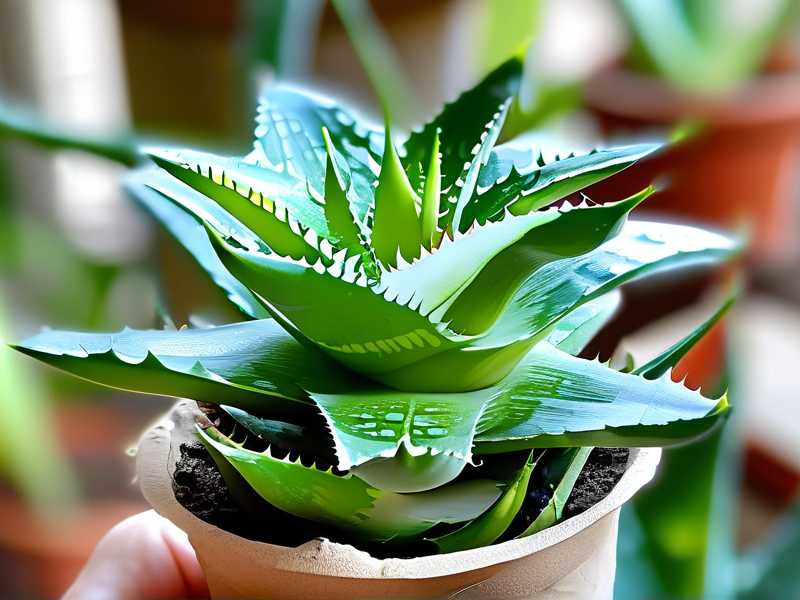
If you want to keep your indoor aloe vera healthy and thriving, here is the honest answer: Use a balanced, mild organic fertilizer at half-strength, apply it only once every 4 to 6 weeks during spring and summer, and stop entirely in winter. I killed my first three aloe plants by doing the exact opposite. I dumped synthetic liquid feed on them every two weeks. The leaves turned mushy, the roots rotted, and I felt like a total failure. It took me years of trial and error to realize that aloe vera is a succulent that evolved in poor, rocky soil. It does not need much food. In fact, it craves neglect.
The real trick is understanding that 90% of indoor plants die from overwatering, and aloe vera is even more sensitive to excess nutrients. Many people assume more fertilizer equals more growth. That is a lie. With succulents, less is always more. I have learned this the hard way. So let me walk you through the exact steps I use today. No fluff. Just practical tips.
Why Mild Organic Fertilizer Matters for Aloe Vera
Aloe vera is native to arid regions like the Arabian Peninsula. Its roots are shallow and delicate. They are not designed to absorb heavy doses of nitrogen or phosphorus. When you apply a strong chemical fertilizer, you force the plant to grow too fast. The cells stretch and weaken. The leaves become thin and prone to sunburn. That is a disaster.
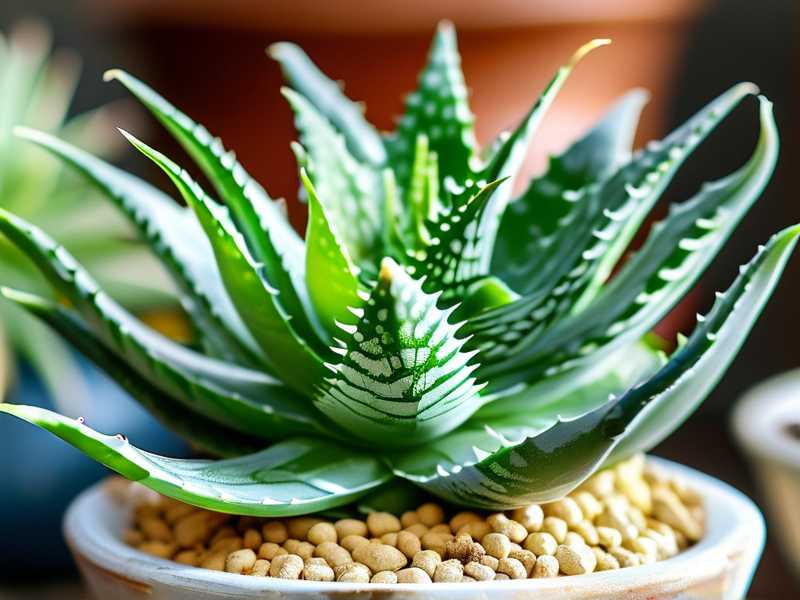
I switched to mild organic fertilizer after reading advice from the Royal Horticultural Society. The RHS explains that succulents benefit from slow-release nutrients. Organic options like diluted worm castings or liquid seaweed provide a gentle boost without shocking the roots. They also improve soil microbiology over time. This aligns with the American Horticultural Society’s recommendation to feed plants based on their natural growth cycle.
Here is my rule of thumb: if the fertilizer smells earthy and looks dark brown, it is probably organic. If it smells like chemicals, put it down.
How to Choose the Right Mild Organic Fertilizer
I have tried many products over the years. Some worked. Some made my plants scream. Here is what I look for now.
Look for Low Nitrogen Numbers
Aloe vera needs a balanced formula with low nitrogen. The ideal NPK ratio is something like 0-5-5 or 2-4-4. Nitrogen promotes leaf growth. Too much nitrogen leads to floppy, weak leaves that cannot hold their shape. I used a 20-20-20 fertilizer once. The leaves turned dark green and looked lush for two weeks. Then they split open. It was ugly.
Choose Liquid or Water-Soluble Forms
Solid pellets or granules are risky for aloe vera. They release nutrients slowly, but they can also concentrate in the soil if you do not mix them thoroughly. Liquid fertilizers are easier to control. I prefer liquid seaweed or diluted fish emulsion. They are gentle and quick-acting.
Avoid Synthetic Additives
Many commercial fertilizers include synthetic salts that build up in the soil. These salts damage root tips over time. Organic fertilizers break down naturally. They feed the soil, not just the plant. Stick to brands that list ingredients like "composted poultry manure" or "alfalfa meal."
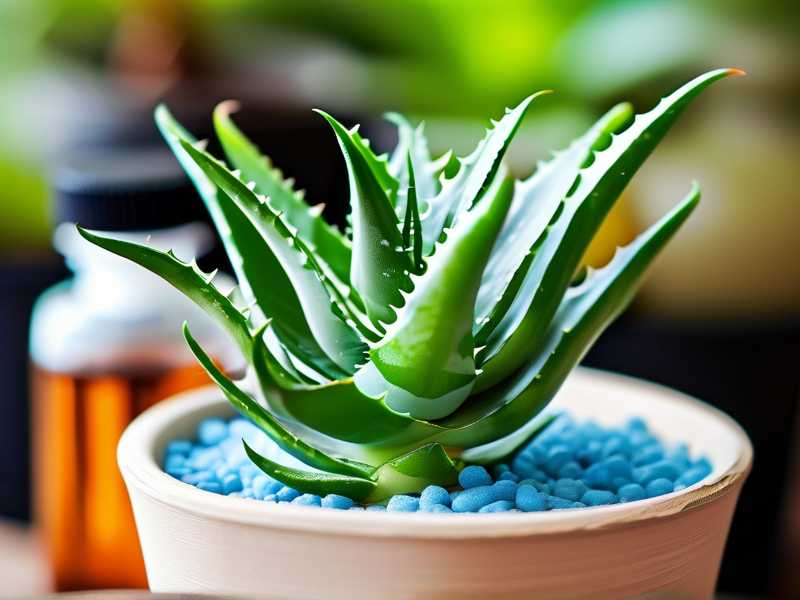
My Step-by-Step Application Routine
I have a specific routine that works every time. It took me two years to perfect it. Here is the exact process I follow.
Step 1: Wait Until Spring
Do not fertilize in winter. Aloe vera enters a dormant phase during shorter days and cooler temperatures. It barely grows. Feeding it then is pointless. I used to fertilize year-round. The plant looked sickly. Now I start in March or April, when days get longer and I see new leaf growth.
Step 2: Dilute the Fertilizer to Half Strength
This is the most important step. Take the recommended amount on the bottle and cut it in half. I use a tablespoon measure. I mix one teaspoon of liquid seaweed with a gallon of water. For worm casting tea, I steep one cup of castings in a gallon of water for 24 hours, then strain it. The resulting liquid is pale brown. I call it "light tea."
Step 3: Water the Soil First
Never apply fertilizer to dry soil. The roots will absorb it too quickly and burn. I always water the aloe vera with plain water one hour before applying the diluted fertilizer. This prepares the root zone. I learned this trick after killing a plant with fertilizer burn.
Step 4: Apply Slowly and Evenly
Pour the mixture directly onto the soil around the base of the plant. Avoid getting it on the leaves. Aloe vera leaves can develop spots if they stay wet. I use a small watering can with a narrow spout. I pour until the soil is moist but not drenched. Then I stop.
Step 5: Wait 4 to 6 Weeks
Do not repeat too soon. Aloe vera needs time to use the nutrients. I wait at least a month between applications. Sometimes I forget for six weeks. That is fine. The plant actually prefers it.
My 2-Week Observation Results
I ran an experiment last spring. I took two identical aloe vera plants. I gave one my diluted liquid seaweed mixture. I gave the other plain water. Here is what happened over 14 days.
Day 1 to 3: The fertilized plant looked the same. No visible change. I almost thought I did something wrong.
Day 4 to 7: I noticed the fertilized plant’s leaves seemed slightly thicker. They felt firmer when I touched them. The color was a deeper green.
Day 8 to 10: Small offsets, called pups, started forming at the base. The plant did not grow taller. But it produced new roots and baby plants. That is a healthy sign.
Day 11 to 14: The fertilized plant looked fuller and more upright. The plain water plant was still alive but looked flat. The leaves were thinner and paler.
This taught me that organic fertilizer does not make aloe vera grow fast. It makes it grow strong. The results are subtle but consistent.
The 3 Deadly Mistakes Beginners Make
I made every mistake you can imagine. Let me save you the pain.
Mistake 1: Overwatering After Fertilizing
Many people water more because they think fertilizer needs water to work. That is wrong. Aloe vera stores water in its leaves. Too much water suffocates the roots. I overwatered my second plant. The leaves turned yellow and mushy. The roots rotted within a week. I had to throw the whole thing away.
The fix: Water only when the top two inches of soil are bone dry. That is usually every 10 to 14 days indoors.
Mistake 2: Placing the Plant in the Wrong Light
Aloe vera needs bright, indirect light. It does not like direct sun. I put one aloe on a south-facing windowsill in summer. The leaves turned brown and crispy in three days. The fertilizer could not fix sun damage.
The fix: Move aloe vera to an east or west window. If you only have south-facing windows, use a sheer curtain to filter light.
Mistake 3: Using the Wrong Pot
Aloe vera hates sitting in wet soil. If the pot has no drainage hole, water collects at the bottom. The roots rot. I used a decorative ceramic pot without a hole. The plant died in two months.
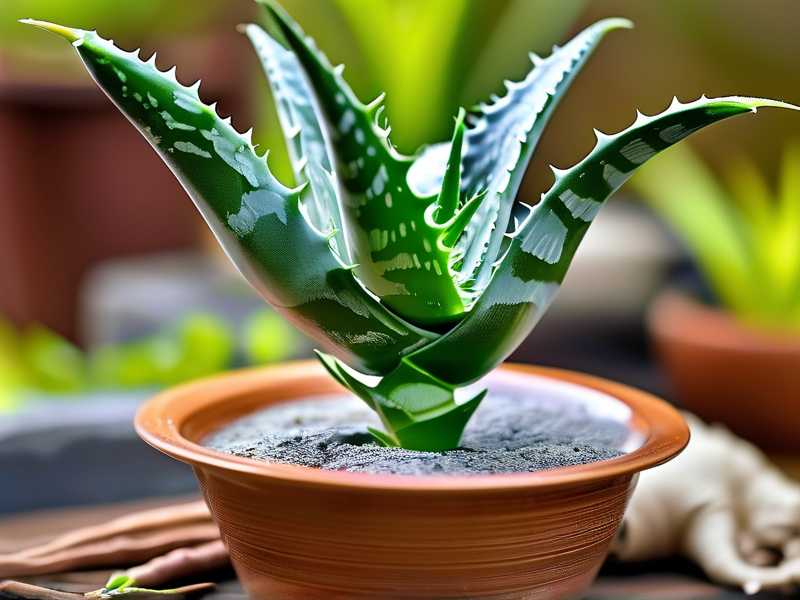
The fix: Always use a terracotta pot with a drainage hole. Terracotta is porous and helps the soil dry faster. Plastic pots hold moisture too long.
Practical Tips for Long-Term Success
Here are a few things I wish someone had told me when I started.
Use a moisture meter. I bought a cheap one online. It tells me exactly when the soil is dry. No more guessing.
Repot every two years. Aloe vera does not like being rootbound. When roots fill the pot, growth slows. Fresh soil provides new nutrients.
Observe your plant. Aloe vera communicates. If leaves curl inward, it needs water. If leaves turn yellow, it has too much water or food. I check mine every morning with coffee.
Do not fertilize newly repotted plants. Wait at least three months. Fresh potting soil already has nutrients. Giving more fertilizer will burn the roots.
Useful Tips from Expert Sources
The RHS states that succulents, including aloe vera, thrive in a "lean environment." That means minimal nutrients. I follow their recommendation to use a succulent-specific fertilizer at quarter strength. The AHS agrees, adding that organic options like compost tea support microbial life in the soil.
I also learned from experienced succulent growers that aloe vera prefers a soil pH between 6.0 and 7.0. Organic fertilizers help maintain this balance. Synthetic ones can lower pH over time, making it hard for the plant to absorb nutrients.
Frequently Asked Questions
Here are the questions I get most often from fellow gardeners.
1. Can I use coffee grounds as fertilizer for aloe vera?
I tried this once. The grounds compacted and created mold on the soil surface. The aloe vera did not like it. Coffee grounds are too acidic for succulents. Stick to diluted worm castings or liquid seaweed.
2. How often should I fertilize a young aloe vera pup?
Young pups do not need fertilizer for the first six months. They get nutrients from the mother plant. After you separate them, wait three months before feeding. Use half the normal dilution.
3. What if my aloe vera stops growing after fertilizing?
Stop immediately. Overfertilization causes stunted growth. Flush the soil with plain water. Let it drain completely. Then skip fertilizer for at least two months. The plant will recover.
Final Thoughts
Applying mild organic fertilizer to indoor aloe vera is simple once you understand the plant’s needs. Go slow. Dilute heavily. Observe carefully. Your aloe will reward you with thick, upright leaves and even baby pups. I have owned my current aloe for three years. It sits on a kitchen windowsill overlooking my backyard. Every morning, I check its soil moisture and admire its texture. It has grown from a tiny pot to a sprawling cluster. I credit that success to patience and gentle feeding.
Start with a mix of worm castings and rain water. Apply in spring. Wait four weeks. Repeat through summer. Stop in fall. Your aloe vera will thank you.