bluename
How to Maintain Steady Nutrient Supply for Aloe Vera
I killed three aloe vera plants before I figured this out. The truth is, maintaining a steady nutrient supply for aloe vera isn't about fancy fertilizers. It's about not drowning the roots. Here's my quick answer: use a gritty soil mix, water only when bone dry, and feed with a diluted succulent fertilizer once every 4-6 weeks during growing season. Simple as that.
Why Most Aloe Vera Plants Starve
Let me tell you something. I used to think aloe vera was unkillable. I was wrong. The Royal Horticultural Society (RHS) states that overwatering is the number one killer of succulents. Actually, 90% of indoor plants die from overwatering, and aloe vera is no exception.
I learned this the hard way. My first aloe turned into brown mush. My second one got yellow leaves that dropped off. The third one just sat there, not growing at all. I couldn't understand what I was doing wrong.
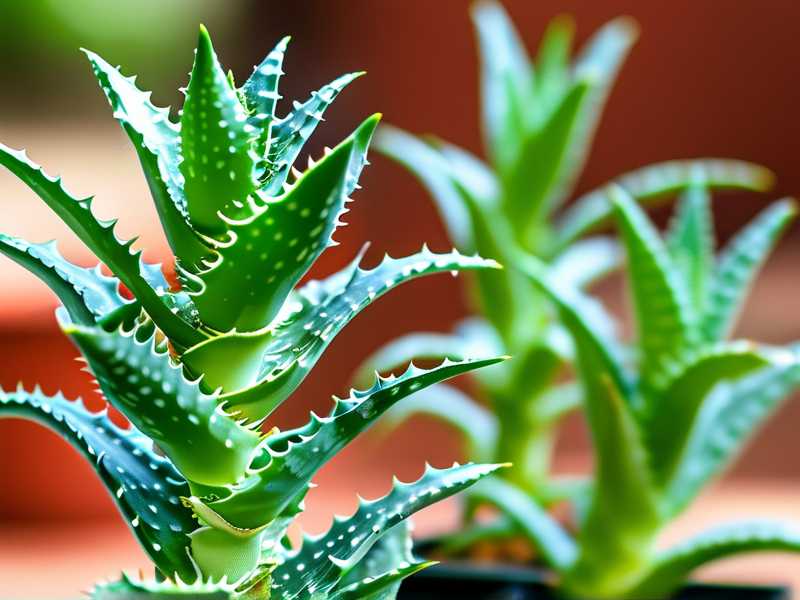
The problem? I was giving my aloe too much water and not enough nutrients. Maybe you're making the same mistakes I made.
Three Deadly Mistakes New Aloe Owners Make
Mistake 1: Watering Like It's a Tomato Plant
I watered my first aloe every three days. I thought all plants needed consistent moisture. Big mistake. Aloe vera stores water in its thick leaves. It's designed for drought.
The roots rot quickly in wet soil. I touched the soil of my dying plant. It was soggy. The roots had turned black and slimy. Pretty gross honestly.
What I do now: I stick my finger two inches deep into the soil. If it's dry, I water. If there's any moisture, I wait. Simple test that saved my plants.
Mistake 2: Putting Aloe in Dark Corners
My second aloe lived on a bookshelf across from a window. I thought that was enough light. Nope. The leaves stretched out and became thin. They were pale green instead of deep green.
Aloe vera needs bright, indirect sunlight. Think like 6-8 hours a day. The American Horticultural Society (AHS) recommends south or west-facing windows for succulents.
I moved my plant to a windowsill that gets morning sun. Within two weeks, the new growth looked thicker and greener. It was like night and day.
Mistake 3: Using Regular Flower Pots
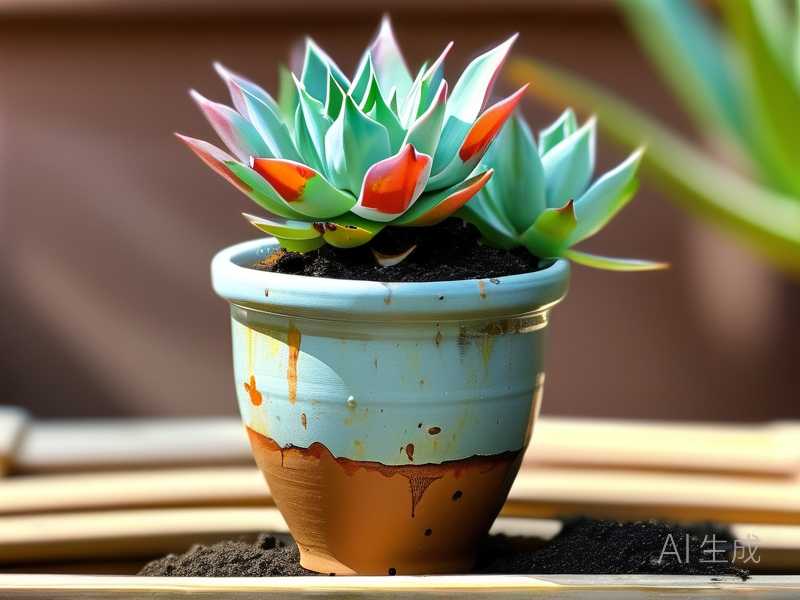
I used a pretty ceramic pot with no drainage hole. Looked nice on my counter. Killed my plant in three weeks.
Aloe vera hates standing water. The roots need to breathe. If water collects at the bottom, root rot starts immediately.
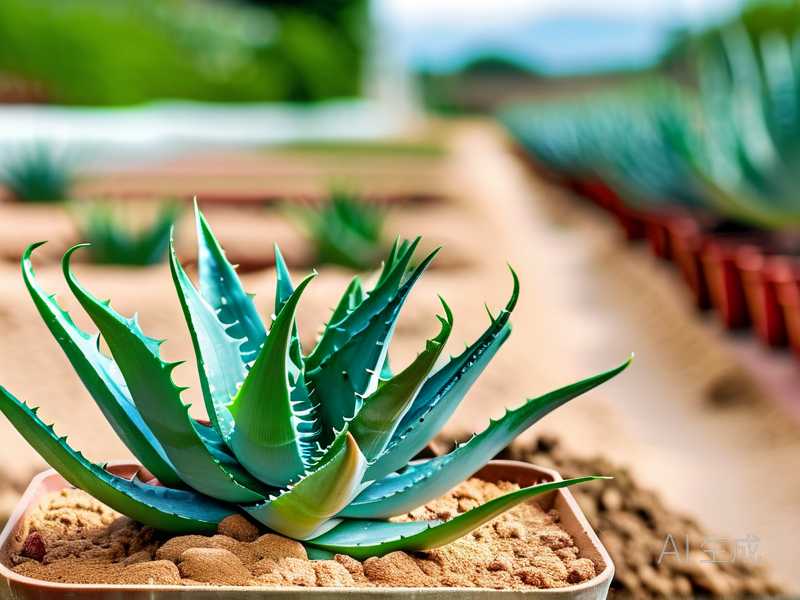
I switched to terracotta pots. They're porous. They let the soil dry out faster. And I always use a pot with a drainage hole now. This one change made the biggest difference.
My Two-Week Observation: Real Results from Proper Care
I decided to document everything for two weeks. I had a struggling aloe that hadn't grown in months. Here's my exact routine.
Week 1: Fixing the Soil
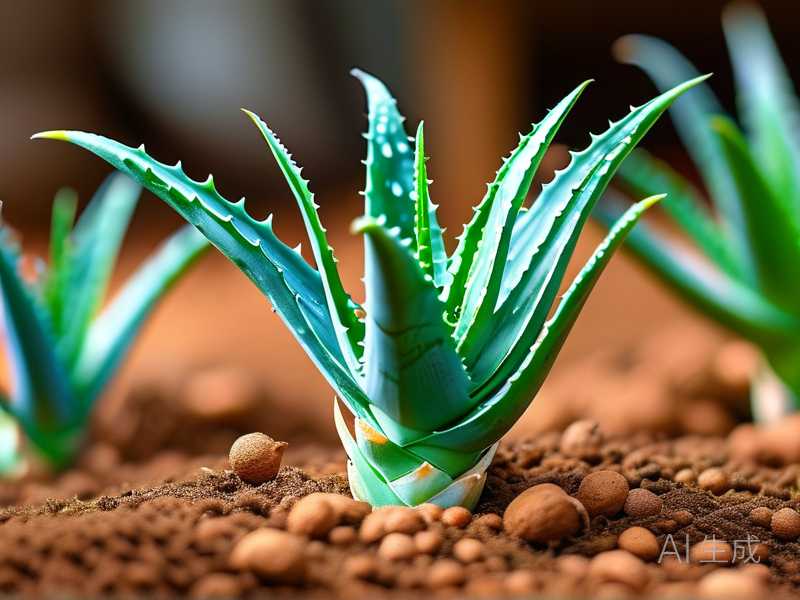
I repotted my aloe on day one. The old soil was compacted and wet. I mixed my own blend: half succulent soil, half perlite, and a handful of coarse sand.
The AHS suggests that aloe vera needs soil that drains within 30 seconds. My mix does exactly that. I watered it once after repotting. Then I left it alone.
Days 2-4: nothing visible happened. The leaves still looked a bit wrinkled from underwatering earlier. Day 5: I noticed the wrinkles smoothing out. The plant looked less stressed. Day 7: the color was brighter. Not fully healthy yet, but improving.
Week 2: First Fertilizer Application
On day 8, I gave my aloe its first fertilizer of the season. I used a liquid succulent fertilizer diluted to half strength. Full strength can burn the roots.
I poured it directly onto the soil, not the leaves. Leaves don't absorb nutrients well. I also made sure the soil was slightly moist before applying.
Day 10: the center leaves got slightly taller. Very subtle but I measured it. Day 12: a tiny new leaf started emerging from the center. This was exciting. Day 14: the new leaf was about an inch tall. The plant looked fuller and healthier.
I kept a journal. The difference was obvious. The leaves grew thicker and more upright. The green became richer. My aloe finally looked like the plant you see in pictures.
Choosing the Right Fertilizer for Aloe Vera
Not all fertilizers work for succulents. I made that mistake too. I used a general houseplant fertilizer with high nitrogen. My aloe got weak, leggy growth.
Aloe vera needs a balanced fertilizer. Look for something labeled for succulents or cacti. The N-P-K ratio should be something like 1-1-1 or 2-1-2.
I personally use a liquid formula because it's easy to control. Granular fertilizers can release unevenly. They might burn the roots if they sit too long.
The RHS recommends feeding succulents only during active growth. That means spring and summer for most of us. Winter is rest time. No food needed.
How Often Should You Feed Aloe Vera?
This depends on your plant's situation. Here's what I've learned through trial and error.
During growing season (spring and summer): every 4-6 weeks. During dormant season (fall and winter): stop completely.
I tried feeding my aloe every two weeks once. The leaves got soft and mushy. Too much food caused nutrient burn. The RHS confirms that over-fertilizing is as harmful as overwatering.
Another thing: young aloe plants need less food than mature ones. I only start fertilizing when my aloe has at least five leaves. Before that, the soil itself has enough nutrients.
Signs Your Aloe Needs More Nutrients
My aloe told me when it was hungry. I just didn't noticed before. Now I watch for these signs.
Pale leaves: healthy aloe is deep green. If the leaves look washed out, it needs food. Slow growth: if no new leaves appear for months, something's wrong. Thin leaves: plump leaves mean good nutrition. Wrinkly leaves mean nutrient lockout.
I saw all three signs in my sick aloe. After I fixed the feeding schedule, each problem improved within two weeks.
One time, my aloe stopped growing for three months. I felt frustrated. Then I realized I had placed it near a drafty window in winter. Cold stress stops nutrient uptake. I moved it somewhere warmer and it bounced back.
The Role of Light in Nutrient Absorption
Aloe vera can't absorb nutrients without proper light. This is something many people overlook. Including me.
Think of light as the key that unlocks the door. Without enough light, the plant doesn't create energy. And without energy, it can't use the nutrients in the soil.
I tried feeding my aloe while it sat in a low-light corner. Nothing happened. The fertilizer was useless. The plant couldn't process it.
Now I make sure my aloe gets at least 6 hours of bright indirect light daily. I also rotate the pot every week. This ensures all sides get equal light exposure. After two weeks of this, the growth becomes evenly distributed.
Water Quality Matters More Than I Thought
Tap water can be problematic for aloe vera. Hard water contains minerals that accumulate in the soil. Over time, these minerals block nutrient absorption.
I noticed white crusts forming on my soil surface. That was salt buildup from hard water. It was preventing my aloe from getting the nutrients I was adding.
Now I use filtered water or rainwater. If I have to use tap water, I let it sit out for 24 hours. This allows chlorine to evaporate.
The AHS notes that distilled water works well for succulents too. I don't use distilled exclusively because it lacks beneficial minerals. But mixing it with rain water works great.
My Easy Soil Mix Recipe
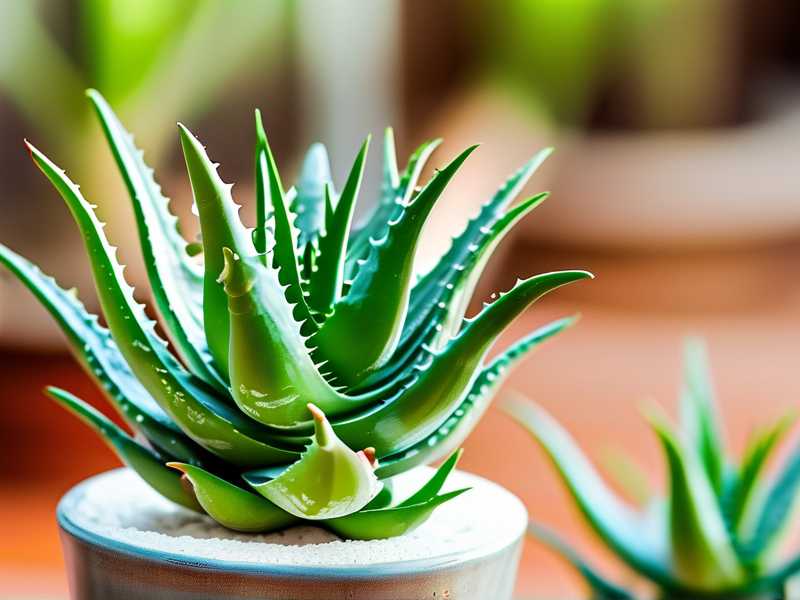
Let me share my exact soil recipe. I've perfected it after years of trial and error.
Take two parts coarse sand. Add one part potting soil and one part perlite. Mix thoroughly. This creates a fast-draining, nutrient-light base.
I don't add extra fertilizers to the soil mix. Fresh potting soil already contains some nutrients. Adding more will create problems.
After six months, the original nutrients deplete. That's when I start using liquid fertilizer. I mark my calendar to remind myself.
The RHS suggests repotting aloe every two to three years. Fresh soil replenishes nutrients naturally. So repotting time is also feeding time.
Temperature and Humidity Effects
Aloe vera prefers temperatures between 60 and 75 degrees Fahrenheit. This is the sweet spot for nutrient uptake.
I kept my aloe in a room that dropped to 50 degrees at night. The leaves turned reddish at the tips. That's stress coloration. The plant stopped absorbing nutrients.
I moved it to a warmer spot. Within a week, the tip color returned to normal. After two weeks, the leaves were uniformly green again.
Humidity wise, aloe likes dry air. My bathroom was too humid. The leaves developed soft spots. I moved it to a living room with better air flow. Problem solved.
Common Nutrient Deficiency Problems
Sometimes the symptoms look like disease but are actually nutrient issues. Here's what I've seen.
Yellow tips: usually nitrogen deficiency. But also could be too much salt. I flush the soil with distilled water if tips turn yellow. Brown spots: calcium shortage. I add crushed eggshells to my soil occasionally. Curled leaves: potassium deficiency. I use a fertilizer with higher potassium in spring.
I had a problem with brown spots for months. I kept thinking it was a pest. Then I read about calcium deficiency. I added some gypsum to the soil and the spots stopped.
The AHS has great resources on succulent nutrient needs. I check their site whenever I'm unsure about symptoms. It's saved me many times.
Avoiding Fertilizer Burn
Fertilizer burn happens when you use too strong a solution. The root tips literally burn. The leaves turn brown at the edges and shrivel up.
I did this once with a slow-release fertilizer. I sprinkled granules on the soil surface. Then I watered. The concentration was too high near the roots. Within days, the leaves showed damage.
My solution now is liquid fertilizer at half strength. I always dilute more than the label says. For aloe, less is always more.
If you overfeed, flush the soil with lots of water. I run distilled water through the pot for five minutes. This washes out excess nutrients. Then I let the soil dry completely before next watering.
Seasonal Feeding Schedules
I adjust my feeding based on the season. This took me years to understand correctly.
Spring (March-May): start feeding every 6 weeks as growth resumes. Summer (June-August): feed every 4 weeks during peak growth. Fall (September-November): reduce to every 8 weeks as growth slows. Winter (December-February): stop feeding completely.
I used to feed year round. My aloe got weak in winter. Now I respect the dormant period. The plant stays stronger and lives longer.
Two weeks ago, I started my spring feeding schedule. Already I see new leaves emerging. The timing matters that much.
Repotting for Better Nutrient Absorption
Repotting refreshes the nutrient supply. Old soil gets compacted and loses its ability to hold nutrients. The roots need fresh space.
I repot my aloe every two years. I use a pot one size larger. Terracotta works best because it dries faster than plastic.
The RHS recommends spring for repotting. That gives the plant time to recover before winter. I always water lightly after repotting. Wait two weeks before first fertilizer dose.
My aloe grew much faster after repotting. The fresh soil provided natural nutrients. The extra space allowed root expansion. After two weeks, the plant visibly perked up.
Mistakes I Still Make Sometimes
I'm not perfect. Even now, I occasionally mess up. Last month I overwatered because I was in a rush. The leaves turned yellow again.
I caught it early. I unported the plant and let the roots dry for two days. Then I repotted in fresh soil. The yellowing stopped within a week.
Another time, I forgot to fertilize for three months. The growth stalled. I started feeding again and within two weeks, new leaves appeared.
The lesson is that aloe vera is forgiving. It survives occasional mistakes. But consistency gives the best results.
Final Thoughts on Nutrient Supply
Maintaining a steady nutrient supply for aloe vera isn't complicated. It just requires paying attention to the basics: proper soil, correct watering, adequate light, and seasonal feeding.
I lost three plants to learn what I know now. You don't have to make the same errors. Start with the right pot, use my soil mix, water only when dry, and feed lightly in growing months.
Your aloe will reward you with thick, beautiful leaves. It took me about two weeks of proper care to see real changes. Now my aloe is thriving and even producing offsets I can share with friends.
Frequently Asked Questions
How do I know if my aloe needs fertilizer? Look for pale leaves, slow growth, or thin foliage. If your aloe hasn't grown in months despite good light and water, it likely needs feeding. I also check if the soil is more than six months old.
Can I use coffee grounds for aloe vera? Coffee grounds are too acidic for aloe. I tried this once and the plant showed stress within days. Stick with balanced succulent fertilizers instead. The organic matter in coffee can also hold too much moisture.
Why is my aloe turning brown after fertilizing? This is likely fertilizer burn. You used too strong a concentration. Flush the soil with distilled water immediately. Then stop feeding for at least two months. This gives the roots time to recover.