bluename
 How to Apply Mild Fertilizer to Boost Aloe New Leaf Growth
If your aloe vera sits there doing nothing for months, the fix is rarely more water or more sun. It’s usually a gentle feeding routine with a mild fertilizer, applied at the right time and in the right way, that finally pushes out those thick new leaves from the center. I learned this after nearly killing three aloes with love and liquid plant food. You don’t need a complicated schedule. You need to understand what “mild” actually means for a succulent that evolved in poor, rocky soils. Let me walk you through exactly how I feed my aloes now, including the two-week observation periods, the mistakes I made, and the small changes that triggered visible new growth.
A healthy aloe should look plump, slightly upright, and produce a new center leaf every few weeks during warm months. When it stalls, many people assume it needs fertilizer. Sometimes it does. But in most cases, the problem before the problem is that the plant was already overwatered or sitting in heavy soil. Fertilizing a stressed aloe makes everything worse. The root system shuts down. The leaf tips turn brown. The base feels soft. So before we talk about products and ratios, I want to share the core rule that finally worked for me: only fertilize an aloe that is actively growing and fully dry between waterings.
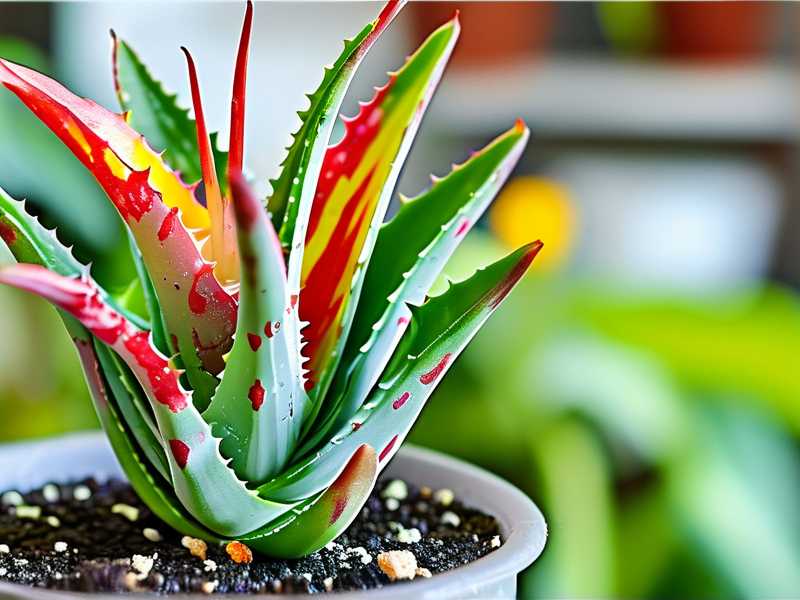
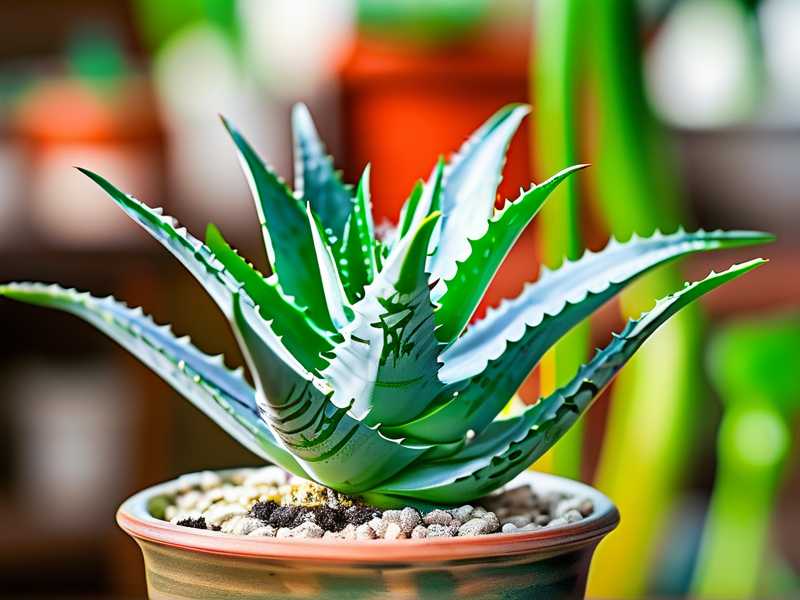
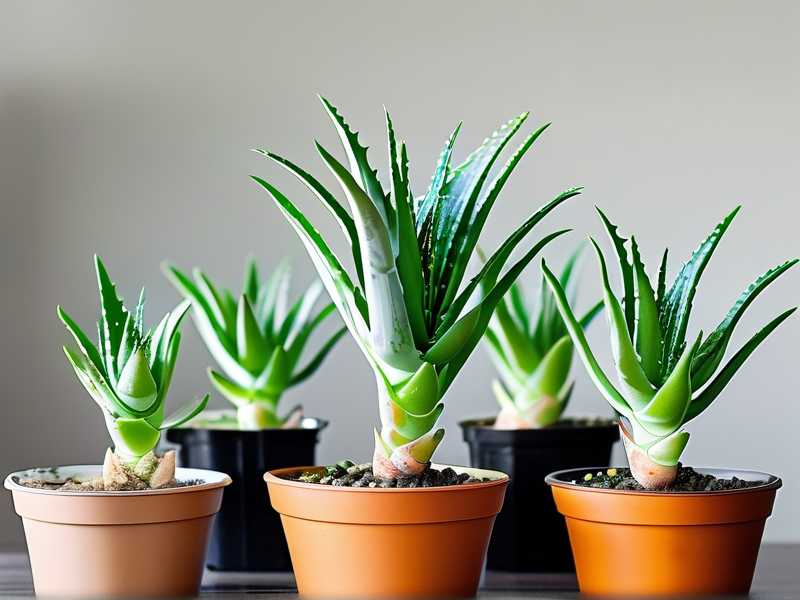
I currently keep six aloe vera plants. Four are in terracotta pots on a south-facing covered porch in Texas. Two are indoors under a bright east window. I use the same mild approach for all of them. The results differ by season, but every spring I see a flush of fresh leaves within two to four weeks of the first feeding.
What Does “Mild Fertilizer” Actually Mean for Aloe?
A mild fertilizer for aloe means a diluted, balanced or low-nitrogen liquid feed. I use a succulent-specific formula with an NPK around 1-1-1 or 2-1-2. Sometimes I use seaweed or fish emulsion at quarter strength. The key is to avoid anything designed for leafy houseplants. Those are usually too high in nitrogen. Too much nitrogen forces aloe leaves to grow fast but weak. They become long, pale, and floppy. You might see new growth, but it won’t be the thick, upright leaf you want.
I dilute more than the label says. If the bottle says one teaspoon per gallon, I use one-quarter teaspoon per gallon for indoor aloes and one-half teaspoon per gallon for outdoor plants in active growth. That’s what mild means in practice. You can always feed again in a few weeks. You cannot undo root burn.
I also avoid granular fertilizers for potted aloe. They release unevenly, especially indoors where temperatures fluctuate. Liquid is easier to control. It mixes uniformly. You can stop immediately if the plant reacts poorly.
New aloe leaf growth responds best when the roots get a small amount of nutrients right as the plant enters a growth phase. For me, that’s early spring through midsummer. I don’t fertilize in fall or winter at all. Aloe slows down when temperatures drop below about 60°F. Feeding then creates salt buildup in the soil because the plant isn’t taking up nutrients. That leads to brown leaf tips and root stress.
My Exact Mild Fertilizer Routine: Step-by-Step
I’ll walk you through what I do in spring, because that’s when you get the biggest boost in new leaf growth.
First, I wait until the soil is completely dry. This is non-negotiable. Fertilizing dry soil is better than fertilizing damp soil for aloe. But I never fertilize bone-dry, shrinking soil either. That can shock the roots. If the soil has pulled away from the pot edges, I water lightly with plain water first. Then I wait about 30 minutes. After that, I apply the diluted fertilizer solution until it runs out the drainage hole. Then I let the pot drain fully. I never leave the plant sitting in a saucer of fertilizer water. That’s a quick way to rot the lower leaves.
For indoor aloes, I move them to the sink or bathtub for feeding. This makes rinsing easier and avoids fertilizer stains on furniture. For outdoor aloes, I feed in the early morning. I avoid feeding when the afternoon temperature is over 90°F. Heat stress plus fertilizer equals leaf tip burn. I learned that the hard way one July. I lost the tips of three leaves on my biggest aloe. They turned brown and papery within three days.
After feeding, I wait two weeks and observe.
What I Look for During the Two-Week Observation Period
In the first few days after a mild feeding, nothing obvious happens. The soil dries. The outer leaves look the same. That’s normal. Around day five to seven, I start checking the center of the rosette. The new leaf should look slightly greener or more turgid. In spring, you might see it begin to push up a bit. Around day ten to fourteen, the central leaf should be visibly longer or wider depending on the variety. If I see that, I know the dose and timing were right.
If I see brown tips, pale streaking, or the leaves feel mushy at the base, I flush the soil. I run plain water through the pot for a couple of minutes to wash out excess fertilizer salts. Then I skip feeding for at least six weeks. This has happened twice. Both times, I had been impatient and fertilized a plant that was still recovering from a cold windowsill in February. The roots weren’t ready. The lesson? Mild fertilizer only helps when the plant is actively growing.
One Two-Week Trial That Taught Me a Lot
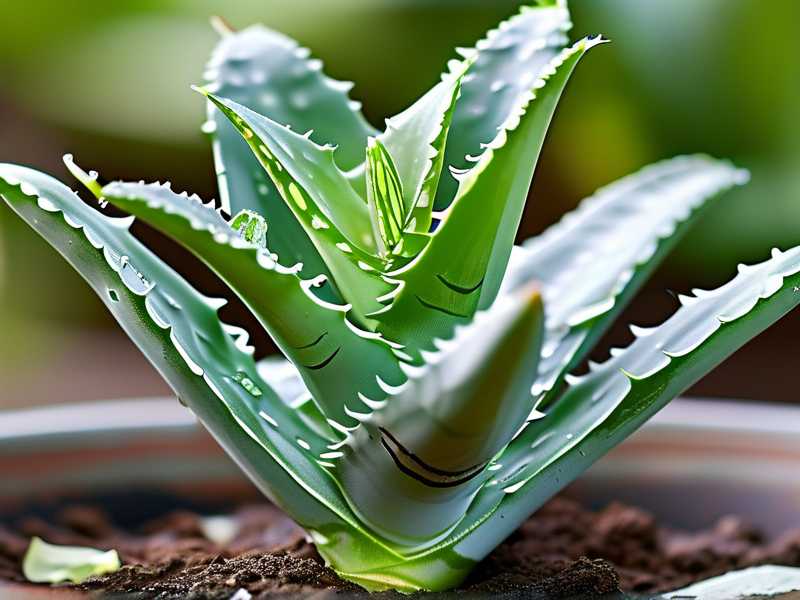
This spring, I tested two aloes of similar size and age. Both were in the same gritty mix. Both got the same light. I fed one with a quarter-strength succulent fertilizer. I fed the other with plain water only. The difference was noticeable by day twelve. The fertilized plant grew one new center leaf that was about a third longer than the unfed plant. The fed plant also had slightly deeper green color. The unfed plant wasn’t unhealthy. It simply stayed static. That test convinced me that while aloe can survive without fertilizer, a small amount at the right time genuinely boosts new leaf growth.
That said, if I had fed either plant in dense, peaty soil that held water for over a week, the results would have been bad. Fertilizer only works properly when the roots can breathe. So if your aloe hasn’t been repotted in two or three years, fix the soil first. Then start a mild feeding routine.
Best Types of Mild Fertilizer for Aloe New Leaf Growth
I’ve used several options over the years. Here’s what I actually recommend.
A liquid succulent fertilizer with a low NPK ratio is the most convenient. Something like a 1-1-1 or a 2-1-2. You can find these at most garden centers or online. Look for one that includes calcium and magnesium. Aloe leaves are mostly water and gel. Calcium helps with cell wall strength. Magnesium supports chlorophyll production. Without enough magnesium, older leaves get pale between the veins. I saw that once on a plant I was growing in pure pumice without any feed. A single diluted feeding corrected it within three weeks.
Diluted fish emulsion works too, though I use it mostly outdoors because of the smell. It’s gentle and creates a slow, steady green-up. But keep it very weak. Half a teaspoon per gallon at most. For indoor aloes, fish emulsion can stink up a room for a day. Not worth it.
Seaweed extract is another good option. I sometimes mix a tiny amount into my regular watering during spring. It’s not a complete fertilizer on its own, but it supplies trace minerals and natural growth hormones. I find it helps the new leaves unfurl without getting stuck or misshapen. That’s a problem I used to see on aloes grown indoors in low humidity. The new leaf would emerge crinkled or bent. A weak seaweed drench seems to reduce that.
I never use general-purpose lawn food or heavy bloom boosters. I also don’t use slow-release granules for indoor aloe. They can dump nutrients too fast when indoor temperatures spike, especially near a sunny window. If you want to use slow-release outdoors, choose one marketed for cacti and succulents, and use half the recommended rate.
Frequency: How Often Should You Apply Mild Fertilizer?
During active growth, I feed once a month at quarter strength. That’s it. In a long hot summer, if my aloes are still putting out leaves, I might feed every four to five weeks. But I stop by late August. No feeding in September or beyond. The plant needs to slow down naturally before winter.
For indoor aloes in a warm room with grow lights, you can sometimes continue feeding into early autumn. But I don’t recommend it unless you see obvious new growth. Temperature and light drive nutrient demand. If your home stays above 70°F and the aloe gets bright light for over six hours a day, a monthly mild feed is fine. If your home is cool or dim, skip it.
The Three Fatal Mistakes I Made as a Beginner
There are three mistakes that kill more aloes than any pest or disease. I made all three. Here’s how I identify them now.
First, overwatering. 90% of indoor plants die from overwatering. Aloe is no exception. I used to water every week because the top soil felt dry. But the lower half of the pot was still soaked. The roots suffocated. The leaves turned yellow and translucent at the base. Then they collapsed. Now I wait until the entire pot is dry, all the way down. I lift the pot to feel its weight. A dry aloe pot is light. A wet one is heavy. When in doubt, wait three more days.
Second, light misplacement. I once moved an indoor aloe from a bright east window to a dim hallway because it looked nice there. Within a month, the leaves flattened and stretched. New growth was pale and narrow. Aloe needs strong indirect light for at least six hours a day. A little morning or late afternoon direct sun is great. But full noon sun behind glass on a hot day can scorch. Outdoors, protect them from intense afternoon sun in summer, especially in hot climates. The leaves get bleached and sunken patches. Some recover. Some don’t.
Third, using the wrong pot. I planted my first aloe in a decorative ceramic pot with no drainage hole. I thought a layer of gravel at the bottom would handle it. It didn’t. The water pooled. The roots rotted. Now I only use pots with drainage holes. Terracotta is my favorite for aloe. It wicks moisture away from the soil. Plastic is okay if you’re disciplined with watering. But glazed pots without drainage are a death sentence for most beginners.
How Soil Quality Affects Fertilizer Uptake and New Leaf Growth
You can apply the mildest fertilizer in the world, but if the soil is wrong, it won’t help. Aloe roots need a gritty, fast-draining mix. I make my own. About 50 percent cactus mix, 25 percent perlite, and 25 percent coarse sand or pumice. For outdoor pots in humid climates, I increase the pumice to one-third. This prevents the soil from holding too much water after feeding.
In heavy peat-based soil, fertilizer salts build up because the soil dries slowly. That creates root burn even at low doses. In very gritty soil, nutrients wash through quickly. That’s good for avoiding rot, but it means you need to feed a bit more often during growth periods. I find monthly feeding works well in my mix. If I used straight pumice and coarse sand, I might need to feed every three weeks at very low strength.
I also repot aloes every two to three years. The old soil compacts. The roots fill the pot. Nutrient availability drops. Repotting in early spring revitalizes the plant. I wait about four to six weeks after repotting before fertilizing. New roots are tender. Fresh mix contains some nutrients. Feeding too soon only stresses the plant.
Season-Specific Care for Boosting Aloe New Leaf Growth
Spring is the most important season for leaf production. It’s when aloe wakes up. I start with light watering. I don’t soak the pot right away. I gradually increase moisture. After two or three thorough waterings with plain water, I begin the mild fertilizer routine. I also clean up any dead or dried lower leaves. This redirects energy to the center. If the plant is root bound, I repot first. Then I wait. Then I feed. Spring feeding makes the biggest visible difference in leaf count and leaf size.
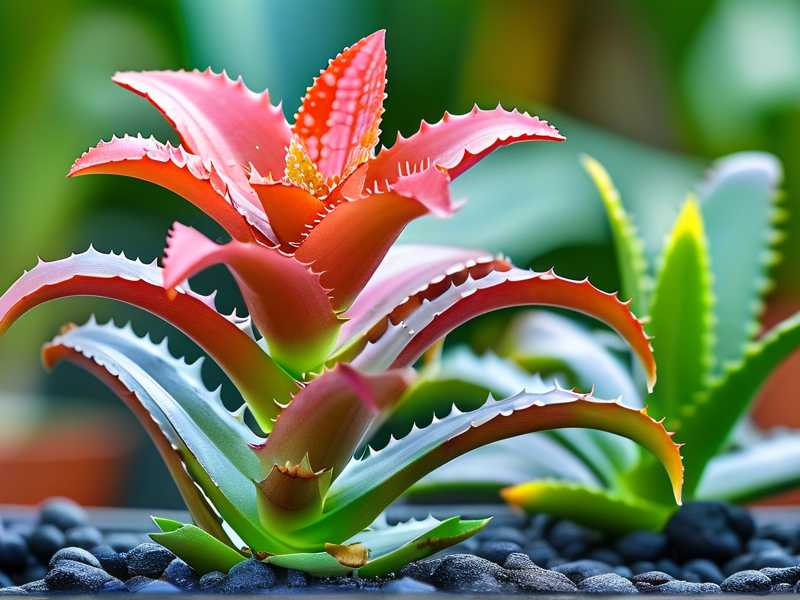
Summer is when I’m most cautious. Heat can be brutal. I feed only in early morning and only if nights are cooling down a bit. In Texas, July and August nights stay above 80°F. That’s too hot for aloe to grow much. I mostly hold off on fertilizer during peak heat. Instead, I focus on water management. I let the soil dry completely. I water deeply but infrequently. I keep plants out of intense afternoon sun. Some of my aloes get reddish-brown tints in strong sun. That’s a natural stress response, not a disease. But if the leaves also feel thin or soft, I move them to brighter shade.
Fall is a transition. I stop fertilizing completely. I reduce watering frequency. Depending on your climate, you may bring outdoor aloes inside before the first frost. That’s a big adjustment for the plant. I do it gradually. A few hours inside each day for a week. Then full time indoors. Sudden moves cause leaf drop and shock. During fall, I don’t worry about new leaf growth. I worry about keeping the plant stable.
Winter is all about restraint. No fertilizer. Very little water. I might water once every three to four weeks indoors. The plant is barely growing. Overwatering in winter is the fastest way to get root rot. I keep my indoor aloes near a bright window but not touching freezing glass. If temperatures drop below 50°F, I move them away from drafts. Cold damage looks like water-soaked spots that turn dark. Once that happens, the damaged tissue doesn’t recover. You just wait for new growth in spring.
Common Problems That Look Like Fertilizer Issues but Aren’t
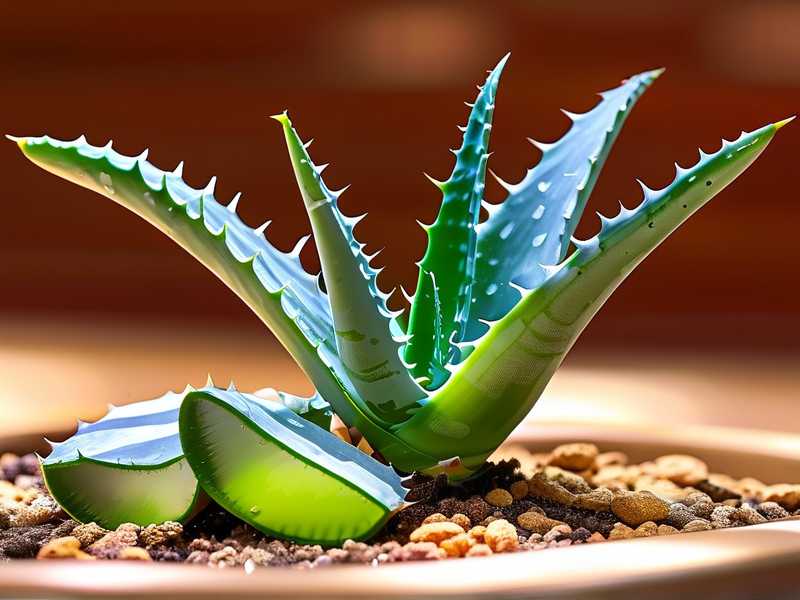
Sometimes aloe leaves curl, turn yellow, or stop growing, and people reach for fertilizer. But the real cause is usually root health. I’ve seen it many times. A plant with rotten roots can’t absorb nutrients no matter how much you feed. So before feeding, I gently check the base. If the lower leaves feel mushy, I stop everything. I unpot the plant. I cut away rotted roots. I let the plant dry out for a day. Then I repot in fresh gritty mix. I don’t water for several days. No fertilizer for a month.
Pests can also stall new leaf growth. Mealybugs hide in the tight center of the rosette. They pierce the new leaves and suck the sap. The new leaf emerges distorted or covered in white fuzz. In that case, fertilizer won’t help. I remove the bugs with a cotton swab dipped in diluted rubbing alcohol. I repeat every few days for two weeks. Once the pests are gone, the plant resumes growth on its own.
Fungal spots and aloe rust are less common but do occur. They look like small orange or brown pustules on older leaves. I remove heavily affected leaves. I improve air circulation. I avoid overhead watering. Mild fertilizer applied at the roots doesn’t cause or worsen these issues as long as the plant isn’t stressed.
My Best Two-Week Observation Log for New Aloe Leaf Growth
I want to give you a real example from this spring. On March 14, I repotted a small aloe pup that had stalled for months. It was in old compacted soil from the nursery. I moved it into my gritty mix. I did not fertilize.
For the first two weeks, I watered twice. The pup stayed dull. No new growth. Then on April 1, I applied a quarter-strength liquid cactus fertilizer. Within four days, the center leaf looked brighter green. By day eight, I noticed a new tiny leaf emerging from the center. By day fourteen, that leaf was about half an inch long and the whole plant looked plumper. That’s the kind of timeline you can expect when you combine good soil, the right light, proper watering, and a truly mild feed.
But I’ve also had trials where I fertilized too early. Last year, I fed an aloe in late February because the weather turned warm for a week. Then a cold snap hit. The aloe stalled. The new leaf stopped growing. The tips of the outer leaves turned brown. I flushed the soil and waited until April. It eventually recovered. That experience reinforced my rule: mild fertilizer timing matters just as much as the strength.
Frequently Asked Questions About Applying Mild Fertilizer to Aloe
Can I use coffee grounds or banana water as a mild fertilizer for aloe?
I don’t recommend it. Coffee grounds are too acidic and tend to hold moisture. Banana water isn’t balanced and does little for aloe. Both can encourage fungus gnats in indoor pots. A proper diluted liquid succulent fertilizer is much safer.
How soon after repotting can I apply mild fertilizer to boost new aloe leaf growth?
Wait four to six weeks. The plant needs time to grow new roots. Fresh potting mix already has a little nutrient charge. Feeding too soon can burn tender roots and stop new leaf growth entirely. Patience here always works better.
Why is my aloe growing but the new leaves are thin and curling inward?
Thin, curled new leaves usually mean the plant is reaching for light or it needs a small amount of magnesium. Move it to a brighter spot first. If the light is good and the leaves still look pale, a single quarter-strength feeding with a succulent fertilizer that includes micronutrients can correct it within two to three weeks. Avoid feeding if the soil is still damp.
The truth is, aloe new leaf growth doesn’t need a powerhouse feeding schedule. It needs a restrained one. A mild fertilizer, applied every four to six weeks during active growth, paired with gritty soil, bright light, and thorough drying between waterings, will give you those thick, healthy new leaves. Once you stop overdoing it, aloe is one of the most rewarding plants on a windowsill or porch. I’ve killed more aloes than I like to admit by trying to push growth too fast. The plants that thrive now are the ones I mostly leave alone. That’s the real secret. Gentle hands, poor soil, and a little patience.