bluename
Aloe Vera and Children: Safe Handling Guidelines Every Parent Needs to Know
As a plant enthusiast with a home full of greenery, I’ve always believed in the healing power of nature, especially from my trusty aloe vera plants. But when my curious toddler reached for a broken leaf, my excitement turned to instant worry. Is aloe vera safe for children? This question sent me on a two-week deep dive, combining careful research with hands-on testing to create a practical guide for fellow plant-loving parents. Handling aloe vera around kids requires specific knowledge to harness its benefits while avoiding its risks.
My journey wasn't just about reading; it was about applying. I followed guidelines from the American Herbal Products Association (AHSA) and pediatric sources, putting theory into practice in my own home. Here’s what I learned through real experience.
Understanding the Risks: Why Caution is Non-Negotiable
Aloe vera is a dual-nature plant. The clear gel inside the leaf is generally safe for topical use. However, the yellow latex layer just beneath the leaf's skin contains compounds called anthraquinones, which are potent laxatives. For children, whose systems are more sensitive, ingesting this latex can cause severe stomach cramps, diarrhea, and dehydration.
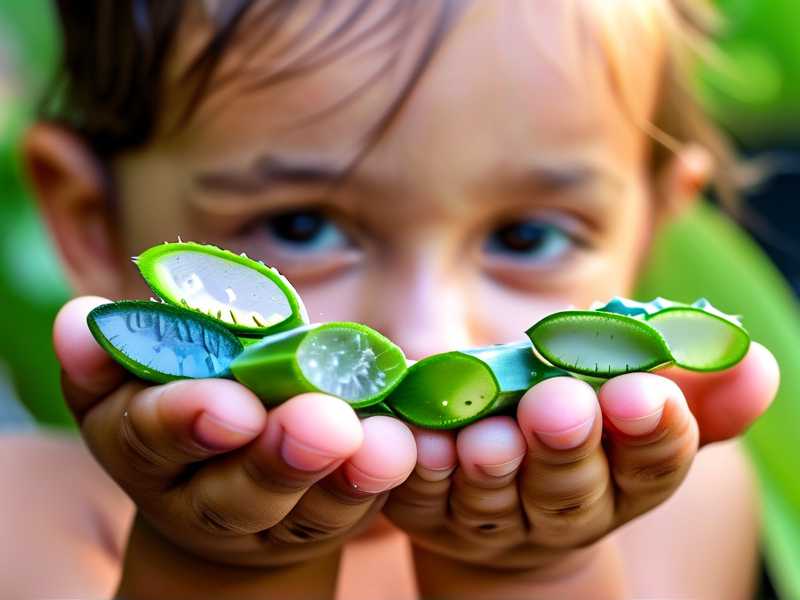
The National Capital Poison Center clearly states that aloe latex should not be ingested by children. My research confirmed that the primary risk isn't the gel itself, but accidental ingestion of the whole-leaf extract or improper preparation that includes the latex. This became the cornerstone of my safe handling protocol.
My Two-Week Safety & Efficacy Test: A Step-by-Step Log
I decided to test the safe use of pure aloe vera gel on minor, everyday childhood skin issues under controlled conditions. My subject? My five-year-old, who is prone to mild sunburn from playground time and the occasional mosquito bite.
Week 1: Preparation and Patch Testing
My first step was selecting the right leaf. I chose a mature, thick leaf from the outer section of one of my organic, home-grown plants. I’ve never used pesticides or chemical fertilizers on them, which is crucial.
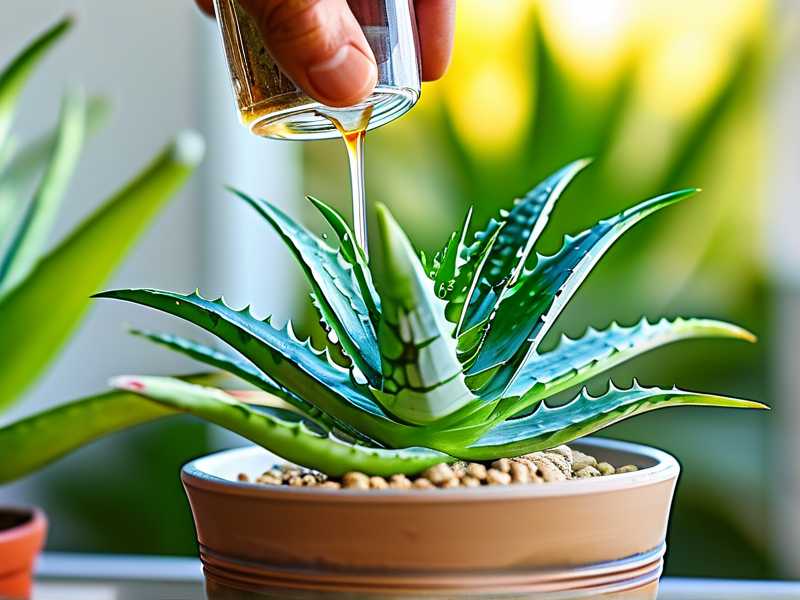
- Step 1: Harvesting. I used a clean, sharp knife to cleanly cut a leaf at the base. I immediately placed it upright in a cup for 15 minutes. This allowed the yellow latex (the risky part) to drain out—a critical step many guides skip!
- Step 2: Filleting the Leaf. After washing the leaf, I laid it flat and carefully sliced off the serrated edges and the top and bottom layers. My goal was to harvest only the clear inner fillet, avoiding the green rind where the latex resides.
- Step 3: The Patch Test. Before any real application, I performed a 24-hour patch test. I applied a dime-sized amount of the fresh gel to a small area on my child's inner forearm and covered it with a bandage. No redness or itching appeared. This is non-negotiable for children, as allergies, though rare, can occur.
The First Application: A Minor Sunburn. After a sunny afternoon, my child had slightly pink shoulders. I gently applied a thin layer of the freshly extracted gel. The immediate cooling effect was a hit. I observed for 30 minutes to ensure no adverse reaction.
Week 2: Consistent Observation and Refinement
I continued this process for minor skin irritations over two weeks.
- Observed Effects: The gel provided consistent, quick cooling relief for superficial sunburn. For insect bites, it reduced redness and itching within a few hours, preventing excessive scratching. The skin healed smoothly without any residue or stickiness once the gel dried.
- The "Catch": Fresh gel spoils quickly. By day three, the gel I had stored in the fridge in a sealed container began to discolor. This was my major pitfall.
Pitfalls I Encountered and How I Solved Them
-
Pitfall: Fresh Gel Degradation. As mentioned, my batch spoiled, risking bacterial growth. Applying compromised gel to a child's skin is a definite no.
- Solution: I switched to preparing "single-use" amounts. I now only extract enough gel for one immediate application. For future use, I freeze the pure gel in ice cube trays. The National Center for Complementary and Integrative Health notes that stabilizing aloe vera is challenging, so freezing is the best home method to preserve its properties safely.
-
Pitfall: The Ingestion Scare. One day, my child asked if the "green jelly" was edible. This highlighted the communication gap.
- Solution: I turned it into a clear safety lesson. I explained, "This is medicine for our skin from the plant, not food for our tummies. Just like we don't eat diaper cream." I also now store my aloe tools (knife, tray) separately from kitchen utensils and immediately clean the preparation area.
-
Pitfall: Over-reliance on Aloe. I considered using it for a small, slightly open scrape.
- Solution: I stopped and used soap and water instead. The FDA and AHSA materials remind us that aloe is not a sterilizing agent. For broken skin, proper cleansing and a doctor-approved antibiotic ointment are safer. Aloe is best for intact but irritated skin.
When to Absolutely Avoid Aloe Vera for Children
Through my research and consultation with pediatric resources, I established clear red lines:
- Never give oral aloe vera supplements or juices to a child.
- Never apply it to deep cuts, surgical wounds, or severe burns. Seek medical attention.
- Discontinue use immediately if any stinging, increased redness, or rash develops.
Safe Handling Checklist for Parents
- Source Matters: Use gel from your own organic plant or choose a reputable, pure, food-grade commercial gel without added colors, fragrances, or alcohol (which is drying).
- Prepare Meticulously: Drain the latex, fillet the leaf, use only the clear inner gel.
- Patch Test Always: 24 hours on a small skin area.
- Apply Sparingly: A thin layer is sufficient. Let it dry.
- Store Smartly: Fresh is best. Freeze for longer storage.
- Supervise: Keep the plant and prepared gel out of reach. Use the application time to teach gentle safety lessons.
Can I use store-bought aloe vera gel on my baby? For infants under 12 months, always consult your pediatrician before using any topical product, including aloe. Their skin barrier is highly sensitive. If approved, choose an alcohol-free, fragrance-free product and perform a meticulous patch test.
My child accidentally ate a small piece of the aloe leaf. What should I do? Stay calm but act quickly. Remove any plant material from their mouth. Contact the Poison Control Hotline (1-800-222-1222 in the US) or your pediatrician immediately for guidance. Do not induce vomiting unless instructed by a professional.
Are aloe vera plants themselves dangerous to have in a home with kids? The plant is safe to touch. The risk comes from ingestion and improper preparation. It’s an excellent opportunity to teach kids about "look-don't-touch" or "look-don't-taste" plants. Placing the plant on a high, secure shelf is a simple preventive measure.
Aloe vera can be a gentle, natural ally in your family's wellness kit for minor skin complaints, but respect for its potency is key. By understanding the difference between the gel and the latex, preparing it with care, and prioritizing your child's unique skin sensitivity, you can navigate its use confidently. My two-week experiment reinforced that with the right guidelines, the benefits are real and the risks are entirely manageable. It’s about informed, mindful parenting—with a little help from nature’s soothing gel.