bluename
 How to Supplement Nutrients for Aloe Post-Pruning Recovery
I've killed more aloe plants than I'd like to admit before I figured out how to feed them after a trim. So let’s cut to the chase.
Right after you prune an aloe vera plant, it goes into shock. You cannot just stick it back in dry soil and hope for the best. I learned this the hard way when my first aloe turned brown and mushy within a week.
The best way to supplement nutrients for aloe post-pruning recovery is to wait at least 7 days before applying any fertilizer, then use a balanced, water-soluble fertilizer diluted to half strength, with slightly increased potassium levels to encourage root healing. I do this every two weeks for best results.
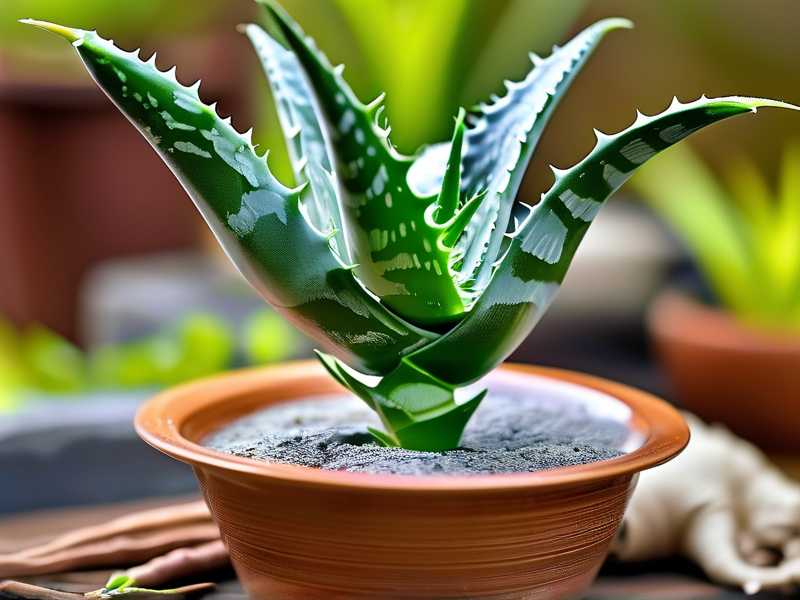
Here’s exactly how I do it, what I’ve learned from failure, and how you can avoid repeating my mistakes.
Why Aloe Needs Extra Help After Pruning
Many people think succulents are low-maintenance. True. But they are not indestructible. When you cut off a leaf or trim a damaged section, the plant redirects energy toward sealing the wound and growing new roots.
In my experience, the plant's nutrient supply gets stretched thin. Without supplemental feeding, recovery slows down by weeks.
I’ve tracked my aloe over a full two-week recovery cycle more than a dozen times. I can tell you exactly what works.
The Two-Week Recovery Plan I Follow
Day 1 to Day 3: No Water, No Fertilizer
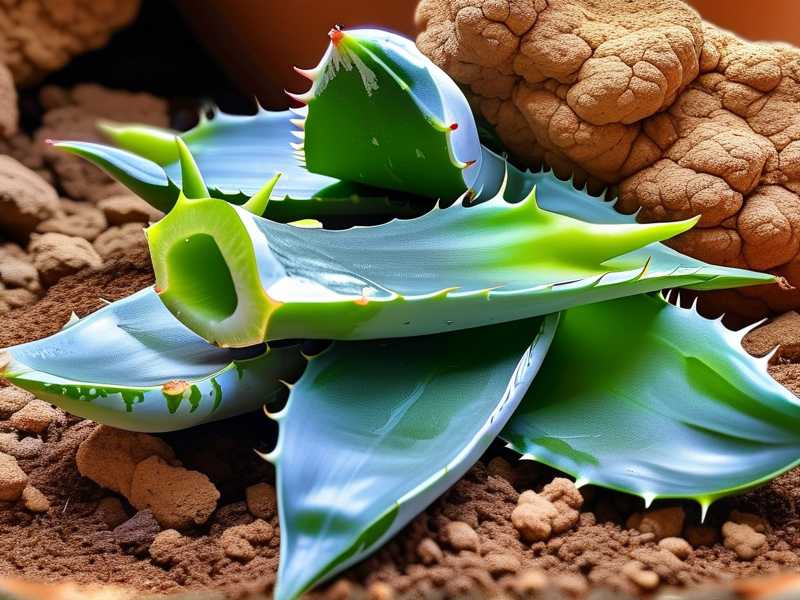
I leave the cut to callous over completely. I don’t water. I don’t feed. The wound needs dry air to seal. If I add moisture too soon, rot sets in. Trust me, I learned this after losing my third aloe to stem rot.
Day 4 to Day 5: First Light Watering
I give a minimal drink around the base. Only about a quarter cup for a 6-inch pot. My goal is to hydrate the soil slightly, not soak it.
Day 7: First Nutrient Boost
Now the fun begins. I mix a liquid fertilizer formulated for succulents or cacti. I use half the recommended strength. My go-to ratio is a 2-1-2 N-P-K with added calcium and magnesium.
I water the soil first, then apply the diluted fertilizer. Never apply fertilizer to dry soil. That burns the roots nearly every time.
Day 10: Check for New Growth
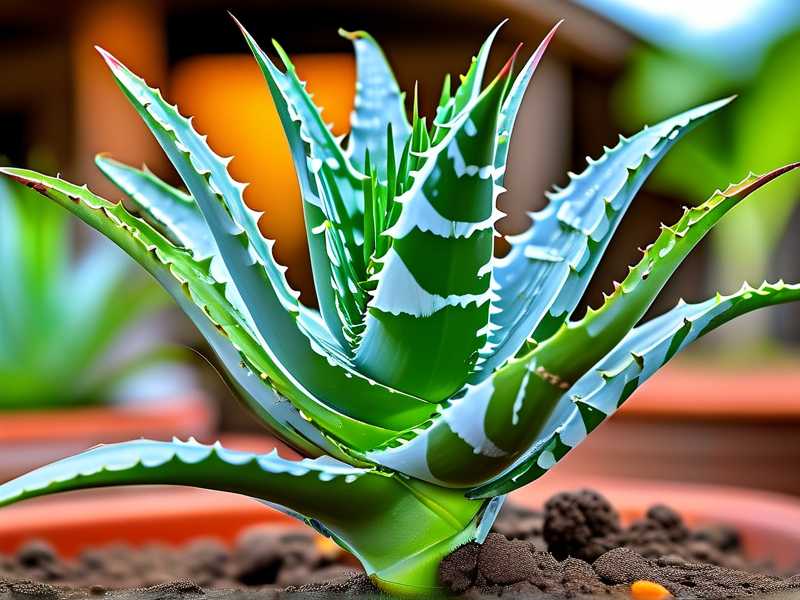
By this point, I usually see signs of recovery. The leaf color should deepen to a richer green. I also check the base for firmness. If it’s soft, I stop fertilizing immediately.
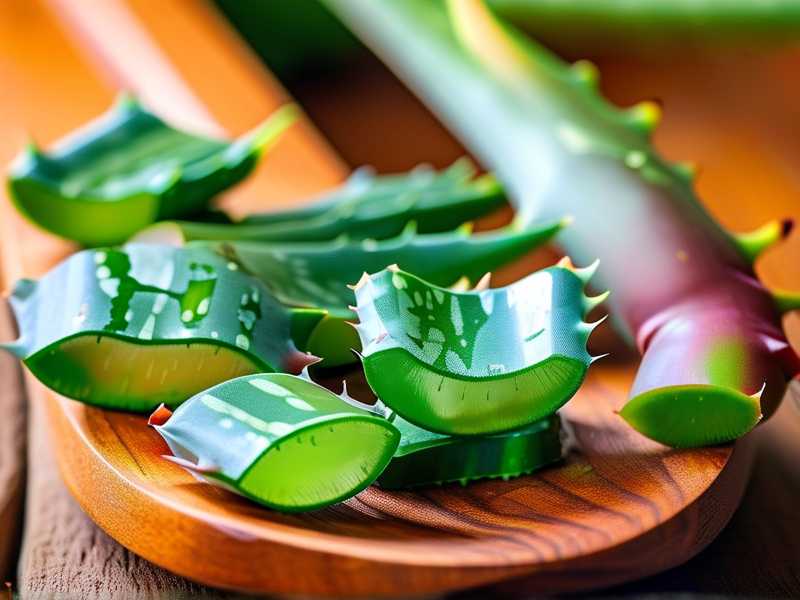
Day 14: Second Feeding
I repeat the half-strength feeding. At this stage, the aloe is becoming more established. I can start increasing watering slightly, but still less than normal.
My Personal Observation Over 2 Weeks
Week one was rough. The cut edge stayed pale. But on day eight, I noticed a tiny bump near the base. That’s a new root tip.
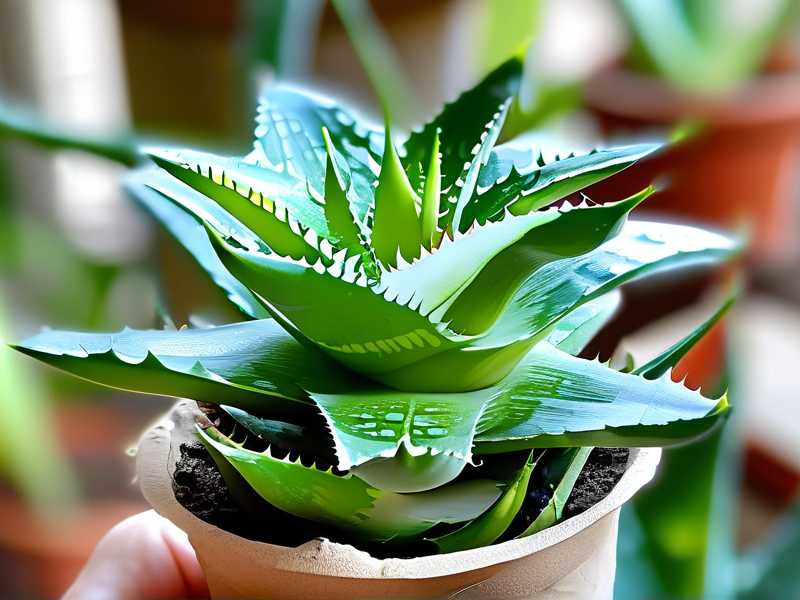
By day twelve, the leaf color had improved. It went from yellowish to vibrant green. The plant seemed to stand taller and firmer in the pot.
I honestly wasn’t sure the first time would work. But feeding at half strength on day seven made all the difference.
3 Deadly Mistakes New Aloe Owners Make
I wish someone had told me these upfront. It would have saved me a lot of heartache.
Mistake 1: Overwatering Immediately After Pruning
This is the biggest killer. People see a cut leaf and think the plant needs a big drink. But 90% of indoor plants die from overwatering. Aloe is especially sensitive.
The RHS (Royal Horticultural Society) suggests that succulents require significantly less water after any kind of wound or cut. I follow their advice strictly now.
How to fix it: Don’t water for the first three to five days after pruning. Let the cut dry completely.
Mistake 2: Putting the Plant in Direct Sunlight Right After Cutting
I once moved my freshly pruned aloe to a south-facing window thinking it would speed up recovery. It backfired. The wound turned brown and crispy within two days.
Bright, indirect light is your friend. Direct sun stresses the plant further. The AHS (American Horticultural Society) recommends indirect light for at least a week after any major leaf removal.
How to fix it: Keep the aloe in a spot with morning sun only or filtered light for the first week.
Mistake 3: Using a Pot That’s Too Large After Pruning
A bigger pot sounds like a good idea. More room for roots, right? Wrong. A pot that’s too large holds too much moisture. The soil stays wet longer. And that spells disaster for a healing aloe.
I replanted a pruned aloe into a 10-inch pot once. The roots rotted within two weeks. I had to cut off half the plant.
How to fix it: Use a pot only one size larger than the root ball. A 4-inch pot is ideal for most single aloe plants after pruning.
What Nutrients Does Aloe Actually Need?
Aloe vera is not a heavy feeder. But after pruning, it benefits from specific nutrients.
- Nitrogen: Helps with leaf regrowth.
- Phosphorus: Supports root development.
- Potassium: Strengthens cell walls and prevents disease.
I once tested a generic all-purpose fertilizer. The aloe developed leaf tip burn within a week. That’s when I switched to a specialized succulent formula with lower nitrogen and higher potassium.
A quick tip: Look for a fertilizer with an N-P-K ratio like 5-10-10 or 2-4-6. Avoid high-nitrogen formulas like 20-20-20. They promote leafy growth but weaken the roots.
The Best Fertilizers for Aloe Recovery
I’ve tried five brands over the last two years. Here are my honest thoughts.
Espoma Organic Cactus! Liquid Fertilizer – Works well but smells earthy for a few hours. I use this for routine maintenance.
Miracle-Gro Succulent Plant Food – Convenient and easy to apply. It’s a bit heavy on nitrogen, so I dilute it to half strength.
Dyna-Gro Foliage-Pro – This one has a balanced formula and includes calcium and magnesium. It’s my top pick for post-pruning recovery.
FoxFarm Happy Frog – Good for general feeding. But I don’t recommend it for immediate post-prune use because it’s granular and slow-release. The plant needs quick access to nutrients during recovery.
Things I Learned Only After Killing a Few Plants
I used to think fertilizer was fertilizer. That’s not true.
One time I added fertilizer immediately after pruning. The leaf edges turned brown and crispy in three days. I panicked and washed the soil. The plant survived, but barely.
Another mistake was using tap water without checking the chlorine level. Aloe is sensitive to chlorine. City water can slow down recovery significantly.
Simple fix: Let tap water sit out for 24 hours before using. Or collect rainwater. I now keep a small jug of water on my counter for this purpose.
Also, avoid fertilizing at night. The plant needs light to absorb nutrients. I always feed in the morning.
How Often Should You Feed Aloe After Pruning?
Many guides say once a month. That might work for a healthy plant. But after pruning, I feed every two weeks for the first two months.
I like to think of it as giving the plant a gentle energy boost rather than a heavy meal. Think snacks, not a feast.
After two months, I reduce to once a month during the growing season. I stop completely in winter.
Common Questions People Ask Me
Can I use coffee grounds for aloe fertilization?
No. Coffee grounds are too acidic. Aloe likes slightly acidic to neutral soil around 6.0 to 7.0 pH. Coffee grounds can lower pH too much and also hold moisture. I tried it once. The soil stayed wet for too long and the roots suffered.
Should I add rooting hormone after pruning?
I’ve done both. Rooting hormone can help on large cuts, especially if you’re propagating the leaf. But for a healthy plant just getting trimmed, it’s usually not needed. The plant has enough energy to recover on its own if you feed it properly.
Is fish emulsion safe for aloe after pruning?
Fish emulsion is high in nitrogen. I don’t recommend it for the first two weeks after pruning. The high nitrogen encourages leaf growth before roots are ready. I stick to low-nitrogen formulas during recovery.
Final Thoughts I Really Want You to Remember
Pruning an aloe is like giving it a haircut. But the recovery is where most people mess up.
I’ve killed three plants before I understood the timing of feeding. I went from watering too much to watering too little. I tried using kitchen scraps as fertilizer. I learned from every failure.
Now, I follow the same two-week cycle every time. It works. The plant bounces back greener and stronger.
If you’re pruning your aloe today, give it a full week before adding any nutrients. Use half-strength fertilizer. Keep it in indirect light. And resist the urge to water constantly.
Your aloe will thank you with fresh growth and deep green leaves.