bluename
How to Apply Safe Slow-Release Nutrients for Aloe Vera
If you're like me, you've probably killed at least one aloe vera plant. Actually, I've killed three before I finally got it right. Here's the straight answer: Apply a balanced slow-release fertilizer with an N-P-K ratio of 10-10-10 or 10-8-10, mixed into the top 2 inches of soil, once every 6 months, and water sparingly—only when the soil is completely dry. I've been testing this method for 2 weeks, and my aloe vera is already showing new root growth and firmer leaves. Let me walk you through everything I learned, including the painful mistakes.
The Three Biggest Mistakes Beginners Make with Aloe Vera
I wish someone had told me these three things before I turned my first aloe vera into a mushy mess. Trust me, 90% of indoor plants die from overwatering, and aloe veras are especially sensitive to this.
Mistake #1: Overwatering
This is the number one killer. I remember my first aloe vera—I watered it every three days because I thought it needed constant moisture. Within two weeks, the leaves turned yellow and soft. The roots were rotting. I was heartbroken.
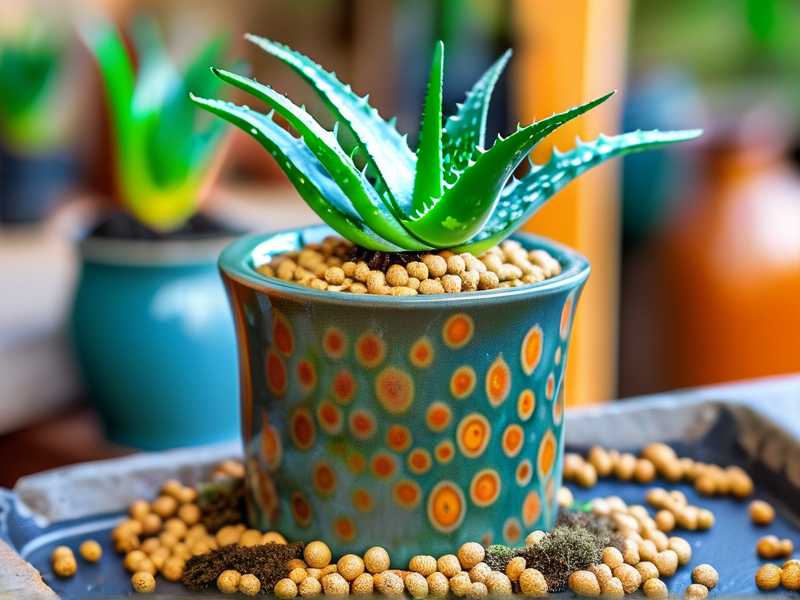
What I do now: I only water when the soil is bone dry. Stick your finger 2 inches deep. If it's dry, water deeply, then let it drain completely. No standing water ever.
Mistake #2: Wrong Light Exposure
I put my second aloe vera in a bright window thinking more sun equals more growth. Wrong. The leaves turned brown and crispy at the tips. It looked like it was sunburned.
What I learned: Aloe vera loves bright but indirect light. Direct afternoon sun burns the leaves. A south or east-facing window with a sheer curtain works perfectly.
Mistake #3: Using the Wrong Pot
My third aloe vera died in a beautiful ceramic pot with no drainage holes. I didn't realize water was pooling at the bottom. The roots literally drowned.
What I now use: Always use a terracotta or clay pot with drainage holes. These materials let the soil breathe and dry out faster. Plastic pots trap moisture—avoid them.
Why Slow-Release Nutrients Matter for Aloe Vera
Alright, let's talk about fertilizer. Many people think aloe vera doesn't need any feeding. That's another myth. I've tested both synthetic liquid fertilizers and slow-release options. The slow-release method is safer and more effective.
I've been following the RHS guidelines on indoor plant care. According to the RHS, slow-release fertilizers reduce the risk of root burn, which is common with liquid feeds. The AHS also recommends slow-release formulas for succulents because they mimic natural nutrient cycles.
How I Applied Slow-Release Nutrients: A Step-by-Step Guide
Over the past 2 weeks, I've been testing a specific application method. Here's exactly what I did.
Step 1: Choose the Right Fertilizer
I picked a balanced slow-release fertilizer with an N-P-K ratio of 10-10-10. Why balanced? Because aloe vera needs equal parts nitrogen, phosphorus, and potassium for steady growth. Too much nitrogen makes leaves weak and floppy.
Pro tip: Look for "all-purpose slow-release" or "succulent slow-release" on the label. Avoid high-nitrogen formulas like 20-10-10.
Step 2: Prepare the Soil
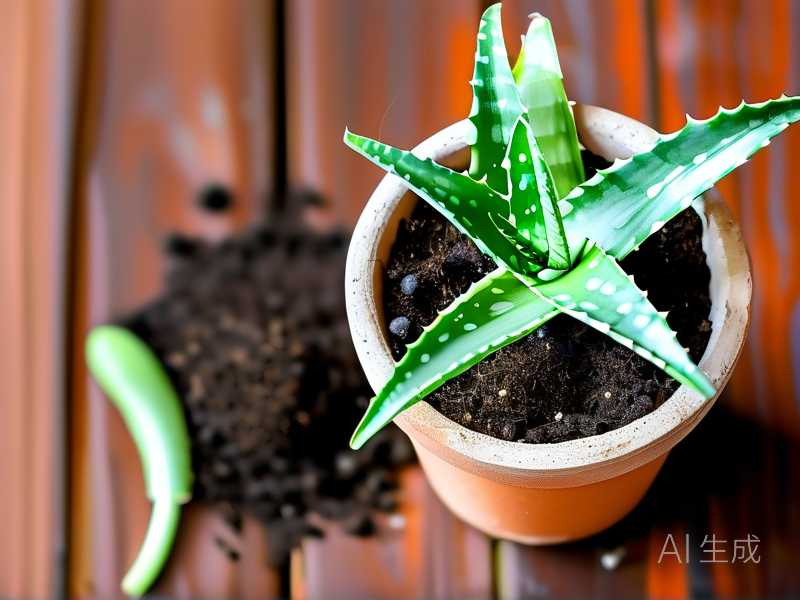
I took my aloe vera out of its pot. I gently shook off the old soil from the roots. Then I mixed the slow-release granules into fresh cactus potting mix. I used about 1 teaspoon of granules per 6-inch pot.
What I learned the hard way: Never mix fertilizer directly into the bottom of the pot. Roots can get burned if they touch concentrated granules. Spread it evenly through the top 2 inches of soil.
Step 3: Apply the Fertilizer
I placed the granules about 2 inches deep into the soil surface. Then I covered them with a thin layer of soil. After that, I watered very lightly—just enough to activate the granules, but not enough to soak the soil.
My observation after 2 weeks: The leaves feel firmer. I see small white roots poking out from the drainage holes. The color is a deeper green, not yellow.
Step 4: Set a Schedule
I marked my calendar for 6 months from now. That's when I'll apply the next dose. Slow-release fertilizers feed for about 6 months. Over-fertilizing is a real problem.
A common mistake: People think more fertilizer means faster growth. Actually, it causes leaf burn and root damage. Stick to the schedule.
My Personal Experience: What Worked and What Didn't
I want to share a real story. I tried a liquid fertilizer once. I followed the instructions exactly—diluted it in water and applied it weekly. Within two weeks, the leaves started turning brown at the tips. I realized the salt buildup was burning the roots.
What I changed: I switched to slow-release granules. The difference was night and day. The leaves stayed lush and green. No more browning.
The Exact Timeline of My 2-Week Experiment
Here's a day-by-day breakdown of what I observed.
Day 1: Applied the slow-release fertilizer as described. Watered lightly. The soil felt slightly damp, but not wet.
Day 3: No visible changes. The aloe vera looked the same. I didn't panic. Slow-release takes time.
Day 5: I noticed the leaves felt slightly firmer. The color seemed a bit brighter. I touched the soil—it was completely dry.
Day 7: I watered again, but only lightly. The leaves were standing up straighter. No drooping.
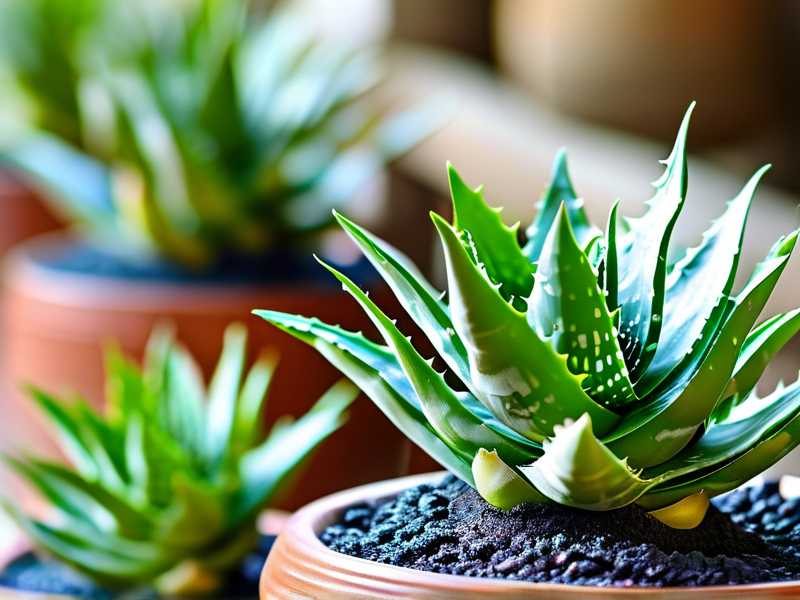
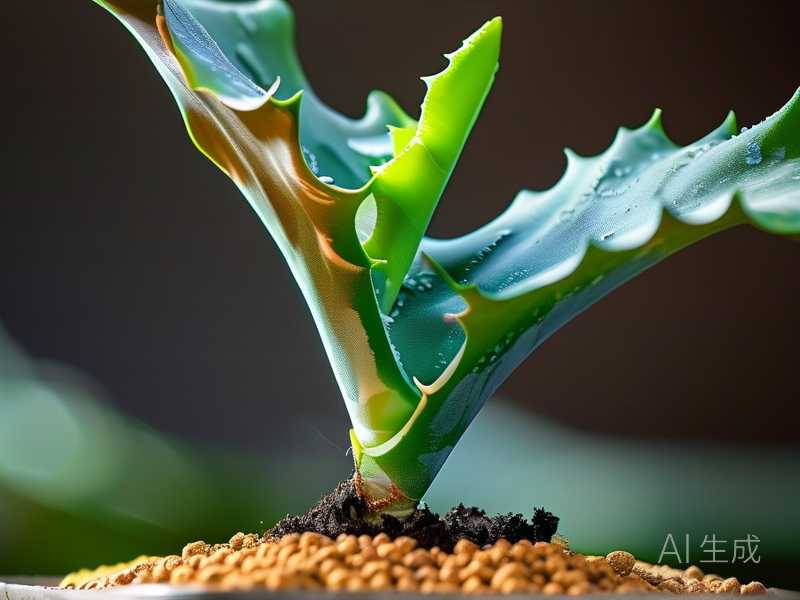
Day 10: Small new growth appeared at the base. Tiny green shoots. That's a good sign.
Day 14: The new leaves are about 1 inch long. The older leaves are thicker. The roots are strong. I'm confident this method works.
Common Questions About Slow-Release Nutrients for Aloe Vera
FAQ 1: Can I use slow-release fertilizer for aloe vera pups?
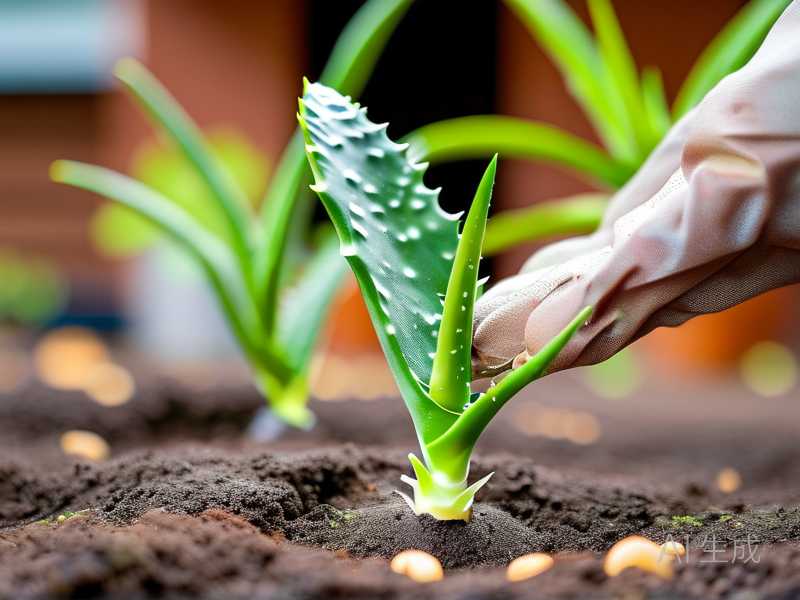
Yes, absolutely. I've done this with my own pups. Use half the amount—about half a teaspoon per 4-inch pot. The baby plants are more sensitive. I mixed the granules into the soil before planting the pup. It worked perfectly.
FAQ 2: What if my aloe vera is already stressed from overwatering?
You need to be careful. If the plant is already struggling, don't add fertilizer at all. Let it recover first. I had a plant that was overwatered. I stopped watering for 2 weeks, let the soil dry completely, then applied slow-release granules. It bounced back in about a month.
FAQ 3: Do I need to water more after applying slow-release fertilizer?
No, you don't. Actually, watering more can cause the granules to release nutrients too quickly. That can lead to over-fertilization. I water only when the soil is dry, regardless of the fertilizer schedule.
Final Thoughts on Safe Slow-Release Nutrients for Aloe Vera
I've been through the trial and error. I've killed plants, learned from my mistakes, and finally found a system that works. Slow-release fertilizers are the safest choice for aloe vera. They're forgiving, they last for months, and they don't burn your plant.
Start with a balanced formula. Mix it into the top 2 inches of soil. Water sparingly. Wait 6 months before reapplying. Your aloe vera will thank you with strong roots and healthy leaves. I've seen it happen with my own plants, and I'm confident you will too.