bluename
 Aloe Vera for Dark Circles: My 2-Week Journey to Brighter Eyes
I’ve always been a plant enthusiast, with my home resembling a small indoor jungle. But my fascination took a very personal turn when I started battling persistent, shadowy dark circles. No amount of sleep seemed to fade them. Tired of expensive creams with long ingredient lists, I turned to a staple in my plant collection: the aloe vera plant. I was determined to find out if pure, fresh aloe vera gel could genuinely help with dark circles. For two weeks, I became my own test subject, applying it nightly and meticulously tracking the results. Here is my complete, honest account—the steps I followed, the observable effects, the mistakes I made, and how I fixed them.
Why I Believed Aloe Vera Could Work for Dark Circles
Before I even snipped a leaf, I did my homework. Dark circles aren't just about fatigue; they can be caused by thinning skin, poor circulation, inflammation, or hyperpigmentation. According to research cited by the American Skin Association (ASA), aloe vera contains a powerhouse of compounds like polysaccharides, antioxidants, and enzymes. These components are known for their anti-inflammatory, soothing, and skin-hydrating properties. A report from the National Institutes of Health (NIH) highlights aloe's potential in wound healing and collagen synthesis. For me, the logic was clear: if aloe can reduce inflammation (minimizing that bluish tint) and improve skin hydration and elasticity (plumping thin under-eye skin), it could theoretically lessen the appearance of dark circles. This wasn't just an old wives' tale; there was scientific rationale behind it.
My Step-by-Step Application Process
I committed to a nightly routine for 14 consecutive days. Consistency, I knew, was key.
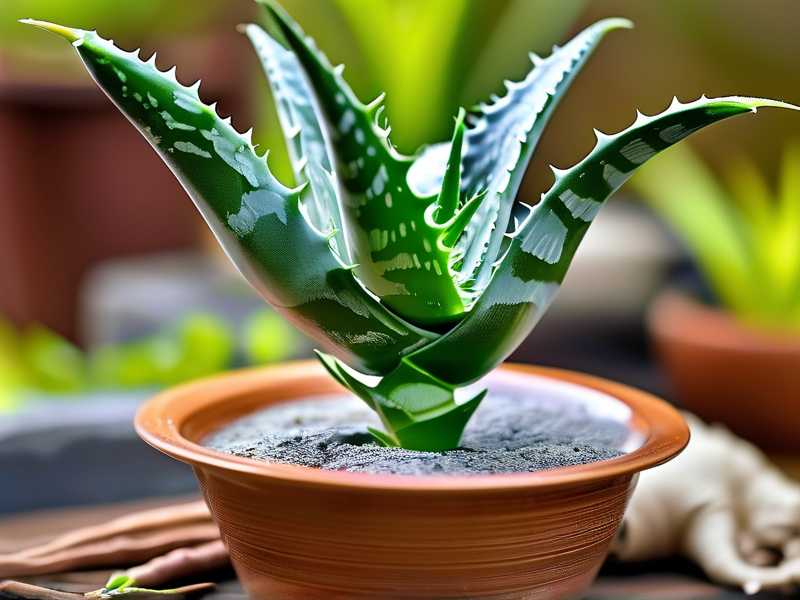
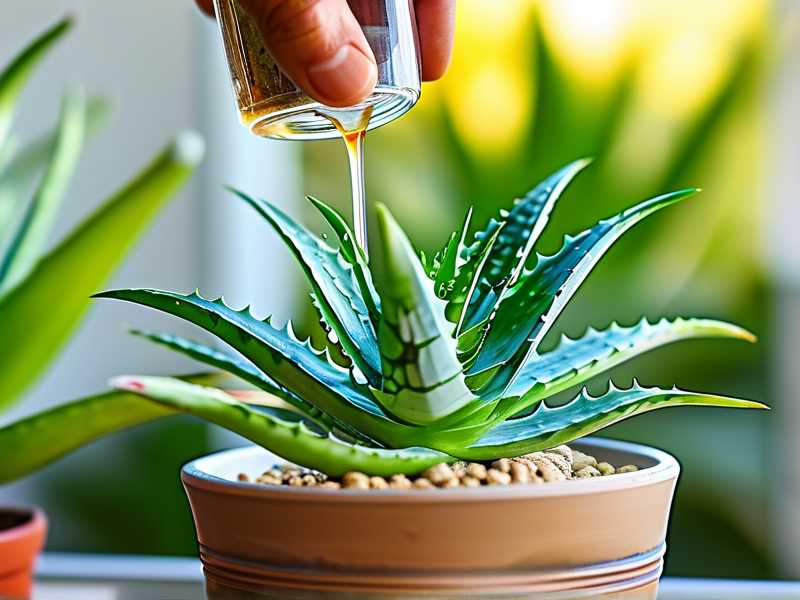
- Harvesting the Gel: Each evening, I would select a mature, outer leaf from my aloe plant. Using a clean knife, I cut a 3-inch section close to the base. I placed the cut piece upright in a cup for 10 minutes to let the yellow latex (which contains aloin, a potential irritant) drain out. This is a crucial step many skip!
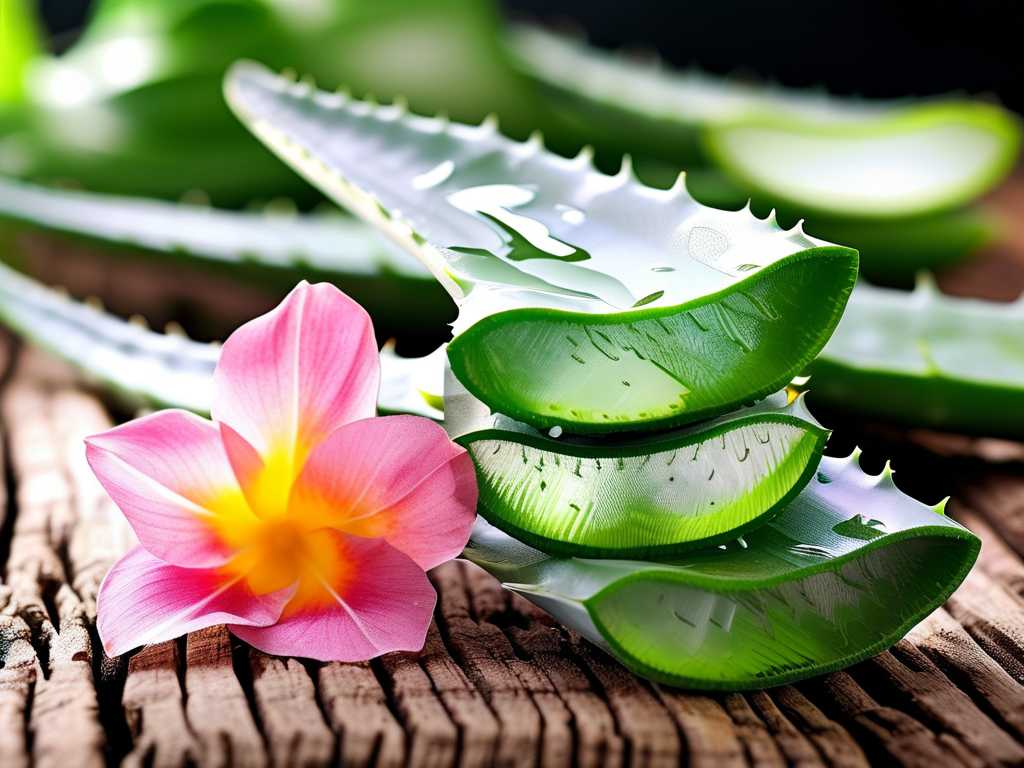
- Extraction and Preparation: I then rinsed the leaf piece and carefully filleted it, slicing off the spiky edges and the top layer of skin. I used a spoon to scoop the clear, mucilaginous gel into a small, sterilized glass jar. For each application, I took about a teaspoon of this fresh gel.
- Patch Test (A Non-Negotiable First Step): Before applying it near my eyes, I did a patch test on my inner forearm. I waited 24 hours to check for any redness or itching. Thankfully, I had no reaction, so I proceeded.
- The Application Technique: After cleansing my face, I would gently pat my under-eye area dry. Using my ring finger (which applies the least pressure), I dabbed a tiny amount of the pure aloe vera gel. I started from the inner corner of my eye and tapped very lightly outward, following the orbital bone. I did not rub or stretch the skin. I let it absorb fully for about 15-20 minutes before going to bed. I did not rinse it off.
The 2-Week Observation: What Actually Happened
I took daily close-up photos in the same morning light to track progress. Here’s the breakdown:
- Days 1-3: Immediate cooling and soothing sensation. My under-eye area felt refreshed and less puffy in the mornings. No visible change in darkness yet.
- Days 4-7: I started noticing improved hydration. The fine lines looked slightly plumped and less pronounced. The skin felt smoother. The darkness appeared a bit less "ashy," but the core pigmentation was still there.
- Days 8-10: This was the period of most noticeable change. The inflammation-related bluish-purple tint under my eyes had visibly diminished. The area looked brighter and more even-toned. The skin's texture continued to improve.
- Days 11-14: The results seemed to stabilize. My dark circles were noticeably lighter—not gone completely, but significantly reduced. They looked more like a soft shadow than a pronounced dark ring. The skin was consistently hydrated and felt resilient.
The Pitfalls I Encountered and How I Solved Them
My journey wasn't perfectly smooth. I hit a few snags that taught me valuable lessons.
- The Itchy Redness Problem (Day 5): Around the fifth day, I experienced mild redness and itching. I panicked, thinking I was allergic. After researching, I realized my mistake: I hadn't been thorough enough in draining the aloin latex. Solution: I became more meticulous in the draining process, letting the leaf piece stand for a full 15 minutes. I also started rinsing the filleted gel lightly under cold water before application. The irritation subsided within two days and never returned.
- The Sticky Dilemma: Pure aloe vera gel is notoriously sticky and can sometimes pill if applied over or under another product. Solution: I made my aloe application the final step of my nighttime routine. I ensured it was completely absorbed (aided by a few minutes of gentle fanning) before my head hit the pillow. This prevented it from transferring onto my pillowcase.
- Expectation Management: By day 10, I saw great improvement and secretly hoped the circles would vanish entirely. When they didn't, I felt a twinge of disappointment. Solution: I revisited the science. Aloe vera is fantastic for addressing causes like inflammation and dehydration, but it may not completely erase genetic hyperpigmentation or deep-set structural shadows. Reframing my success—from "severe dark circles" to "significantly brighter, healthier under-eye skin"—made me appreciate the real, tangible results.
Maximizing the Benefits: Tips from My Experience
Based on my trial, here’s what I recommend for anyone trying this:
- Quality is Everything: Use fresh gel from your own plant or a trusted, pure (99-100%) organic store-bought gel. Avoid products filled with alcohol, colors, or fragrances.
- Chill It: Keeping the gel in the refrigerator enhances its cooling, depuffing effect—a fantastic morning pick-me-up.
- Pair with a Healthy Lifestyle: Aloe works best as part of a holistic approach. I made sure to stay hydrated, manage my sleep, and protect my eyes with sunglasses. Aloe is a powerful ally, not a magic standalone cure.
Addressing Common Curiosities
Can I apply aloe vera gel under my eyes every day? Yes, for most people, once or twice daily is safe and beneficial, provided you use pure gel and have no allergic reaction. The key is consistency over time to see cumulative soothing and hydrating effects.
How long before I see results using aloe vera for dark circles? From my experience, you may feel immediate soothing and reduced puffiness. Visible lightening of dark circles, however, requires patience. I began to see tangible changes after about one week, with more significant results appearing in the second week.
Is fresh aloe vera gel better than store-bought for dark circles? Fresh gel is often superior because it’s in its most potent, unprocessed state, free from preservatives or thickening agents. However, a high-quality, pure store-bought gel is a convenient and effective alternative. The critical factor is the purity of the product, not necessarily its source.
My two-week experiment with aloe vera for dark circles was a revealing success. While it didn't perform a miracle erasure, it delivered substantial, visible improvement by tackling the underlying issues of inflammation and dehydration. The process taught me the importance of patience, precise application, and managing expectations. My under-eye area is now brighter, smoother, and healthier-looking. For anyone seeking a natural, gentle, and effective approach to combatting dark circles, fresh aloe vera gel, applied with care and consistency, is a remedy worth trying from my own hands-on experience.