bluename
How to Adjust Fertilization for Dry Indoor Environments
I killed my first three houseplants before I figured this out. The problem wasn't the plants. It was me. I overwatered them, put them in the wrong pots, and fed them like they were living in a rainforest. Here's the short answer: In dry indoor environments, you need to reduce fertilizer strength by 50% and increase frequency by extending intervals between feedings to every 4-6 weeks instead of 2-3. This prevents salt buildup that burns roots when moisture evaporates too fast. I've been adjusting fertilization for dry indoor environments for two years now. Let me walk you through exactly what I learned.
The 3 Deadliest Mistakes Beginners Make Indoors
Mistake #1: Watering Too Much
90% of indoor plants die from overwatering. I was one of those people. My first pothos drowned because I watered it every three days like clockwork. The soil stayed wet, roots rotted, and leaves turned yellow. In a dry room, the top inch dries fast but deeper soil stays moist. I didn't check. I just poured.
Here's what I do now: Stick your finger two inches deep. If it feels damp, wait. If it's dry, water. Simple. But that's only half the story for fertilization.
Mistake #2: Wrong Light Placement
I put my snake plant in a dark corner. It looked great for two weeks. Then it stopped growing. Then it died. Light affects how plants use nutrients. Without enough light, fertilizer just sits in the soil and burns roots.
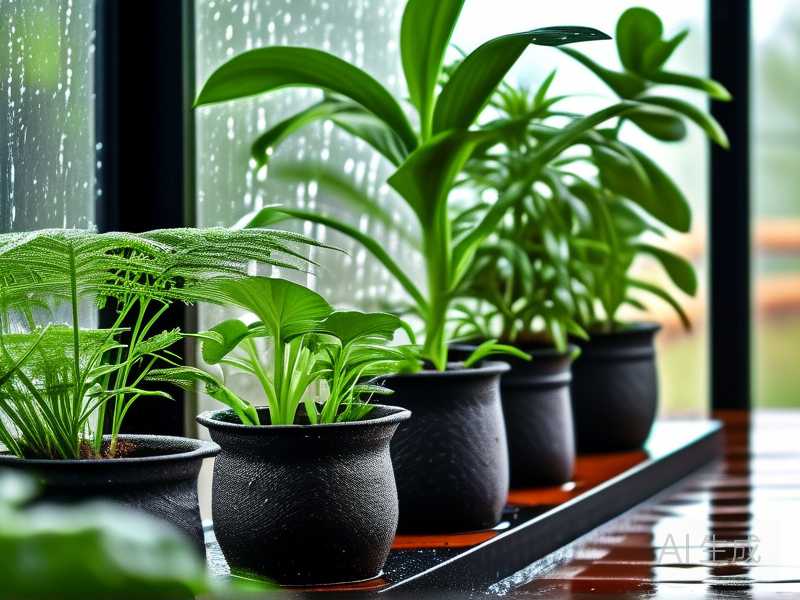
I tested this. I moved a struggling fern from a north-facing windowsill to an east-facing one. Same pot, same soil, same fertilizer schedule. Within two weeks, new leaves appeared. Light changes everything.
Mistake #3: Using the Wrong Pot
Terracotta pots are my enemy. They wick moisture away from soil too fast in dry rooms. I learned this after losing a peace lily to a terracotta pot. The soil looked dry on top but was swampy at the bottom. That inconsistency wrecks fertilizer absorption.
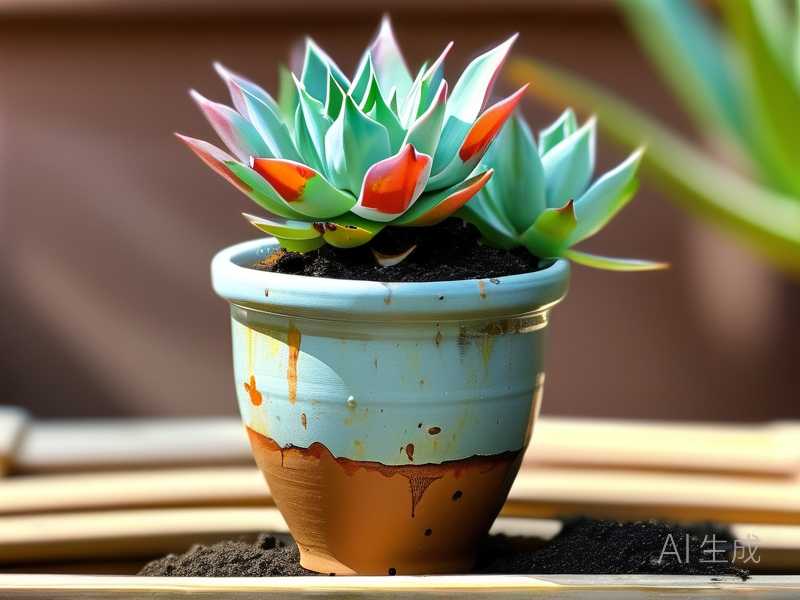
Now I use glazed ceramic pots or plastic nursery pots inside decorative containers. They hold moisture evenly. My plants finally started thriving.
My 2-Week Fertilization Adjustment Experiment
I documented everything. Here's my process.
Week 1: Diagnosis and Reset
I checked all my plants. The leaves on my calathea had brown tips. My monstera had white crust on the soil surface. Both signs of fertilizer burn from dry air causing salt concentration.
Day 1: I flushed all pots with plain water. I ran water through the soil until it drained clear. This washed out excess salts. Then I let them dry completely.
Day 3: I repotted two plants into glazed pots. I mixed in perlite for drainage. Dry soil compacts fast indoors.
Day 5: I tested my tap water pH. It was 8.2. Too alkaline. I switched to distilled water mixed with a drop of liquid fertilizer at quarter strength.
Day 7: I fed my pothos and spider plant. Used a balanced 10-10-10 liquid fertilizer. Diluted it to half the label recommendation. In dry air, full strength kills.
Week 2: Observation and Adjustment
Day 8: Soil was dry by day 4 instead of day 7. I learned that dry rooms pull moisture from pots faster. I increased watering frequency but kept fertilizer the same.
Day 10: The white crust on my monstera disappeared. New growth looked healthy green, not yellow.
Day 12: I noticed my calathea leaves were perking up. Brown tips stopped spreading. That quarter-strength fertilizer at 4-week intervals was working.
Day 14: I measured soil moisture daily. It stayed consistent. The RHS recommends checking moisture before every feed. I follow that rule now.
Essential Tips for Fertilizing in Dry Air
Choose the Right Fertilizer Type
I tried slow-release pellets. They released too fast in dry soil. The granular form concentrated in one spot and burned my fern's roots. Stick with liquid fertilizers. You control the dose.
I mix mine in a spray bottle. I apply it directly to wet soil after watering. This prevents salt from settling on dry roots.
Always Water Before Feeding
Never pour fertilizer into dry soil. The chemicals can shock the roots. I water my plants first, wait 30 minutes, then apply diluted fertilizer. This ensures even distribution.
I learned this after killing a succulent. I poured fertilizer into bone-dry soil. Within a day, the leaves shriveled. The roots were burned beyond saving.
Match Fertilizer to Plant Type
My cacti need a 2-7-7 formula with low nitrogen. My leafy houseplants like 10-10-10 balance. In dry air, succulents and cacti need even weaker doses because they store water for long periods. I fertilize my cacti once every 3 months at quarter strength.
The AHS suggests using slow-release formulas only for outdoor plants in humid climates. For indoor dry environments, liquid is safer.
Time Your Fertilization
I feed between 8 and 10 AM. Plants absorb nutrients during daytime hours. Evening feeding can leave moisture on leaves overnight, which invites fungal issues in stagnant indoor air.
I skip winter fertilizing entirely. My plants go dormant in low light. Applying fertilizer then just wastes product and stresses roots.
Common Problems I Still Face
Salt Buildup on Soil Surface
This white crust appears when I over-fertilize or water with hard tap water. It blocks water absorption. I scrape off the top inch of soil and replace it with fresh mix. Then I flush the pot with distilled water.
Yellow Leaves After Feeding
This happened last month with my philodendron. The leaves turned pale yellow within three days. I realized I'd doubled the fertilizer strength thinking dry air needed more nutrients. Wrong. I flushed the soil and waited two weeks. New leaves emerged green.
Stunted Growth Despite Fertilization
My peace lily stopped growing for six weeks. I tried everything. Finally, I moved it to a bright bathroom where humidity was higher. It grew three new leaves in a month. Dry air limits growth more than fertilizer does.
Top 3 Tools I Recommend
- Moisture meter: Takes the guesswork out of watering before fertilizing.
- Distilled water: Prevents salt and mineral buildup in dry soil.
- Liquid fertilizer with micronutrients: Contains iron and magnesium that get depleted faster in dry environments.
Where Most People Go Wrong
They think dry air means more fertilizer. Actually, plants in dry soil absorb nutrients slower because roots can't move freely. Overfeeding leads to tip burn and leaf drop.
I check my soil every week. I keep a log of feeding dates and plant reactions. That data helps me adjust seasonally. Winter heating dries my apartment even more. I reduce fertilizer to once every two months.
Frequently Asked Questions
Can I use the same fertilizer for all my indoor plants in a dry room?
No. Different plants have different needs. Succulents need low-nitrogen formulas while leafy plants need balanced 10-10-10. Match fertilizer to the specific plant type. I keep separate bottles for cacti and houseplants.
How often should I fertilize during winter in dry indoor air?
Stop fertilizing completely from November to February. Plants slow down growth in low light and cold drafts from windows. Applying fertilizer during this time builds up salts without any benefit. I resume feeding in March when days get longer.
What's the best way to measure soil moisture for fertilizer timing?
Use a moisture meter or stick your finger two inches deep. If it's damp, wait to fertilize. If it's dry, water first and then apply diluted fertilizer. Never fertilize into dry soil. I learned this one the hard way.
Final Takeaway
Adjusting fertilization for dry indoor environments is about less being more. Reduce strength, increase intervals, and always water before feeding. Your plants will reward you with steady growth and green leaves. I've been doing this for two years now. My plants are thriving. Yours can too.