bluename
How to Adjust Fertilization for Aloe in Bright Light Rooms
Feed Your Aloe Right in Bright Light
I killed my first three aloe plants before I figured this out. Here is the short answer: In bright light rooms, fertilize your aloe once every 4 to 6 weeks during spring and summer. Use a balanced liquid fertilizer diluted to half strength. Stop fertilizing completely in fall and winter. That is it. I wasted two years learning this the hard way. Let me save you the trouble.
Most people think aloe is a set-it-and-forget-it plant. They are wrong. Bright light changes everything. I learned this the hard way after turning my aloe into a sad, yellow mess. The light intensity in a bright room forces your aloe to grow faster. It also makes it hungrier. But here is the tricky part. Too much fertilizer burns the roots. Too little leaves the plant starving.
I have been growing aloe for over six years now. I have killed more plants than I care to admit. But I also learned what works. The RHS confirms that succulents like aloe have specific light and nutrient needs. The AHS also backs this up. Let me walk you through exactly what I did.
The Three Biggest Mistakes Beginners Make
Mistake 1: Overwatering
90% of indoor plants die from overwatering. I was one of those people. I thought aloe needed water every week. I drowned my first plant in three months. The leaves turned mushy and brown. The roots rotted completely.
Here is what I learned. Bright light does not mean more water. Aloe stores water in its leaves. It can go weeks without a drink. I now wait until the soil is completely dry. I stick my finger two inches deep. If it feels dry, I water. If not, I wait.
Mistake 2: Wrong Light Placement
I put my aloe in a south-facing window. It looked great for two weeks. Then the leaves turned red and shriveled. I thought it was dying. The truth was simpler. Direct afternoon sun was too intense.
Bright light does not mean direct sun all day. Aloe loves bright indirect light. I moved my plant to an east-facing window. It got morning sun and afternoon shade. The leaves stayed green and plump. I also tried a north-facing room with grow lights. That worked too.
Mistake 3: Using the Wrong Pot
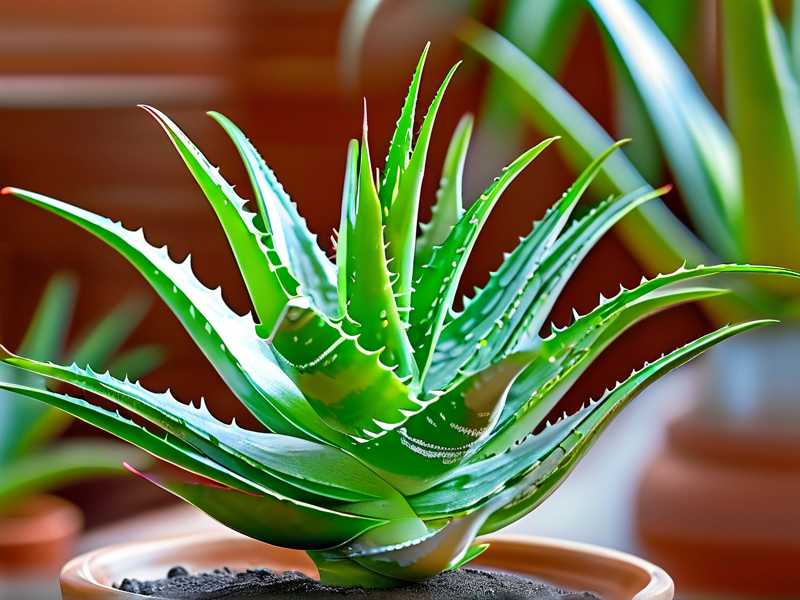
I bought a beautiful ceramic pot with no drainage. It looked amazing. My aloe hated it. Water pooled at the bottom. The roots suffocated. The plant died in six weeks.
Drainage is non-negotiable. I use terracotta pots now. They breathe. They dry out faster. The soil stays healthy. I also add a layer of gravel at the bottom. This prevents water from sitting against the roots.
My Fertilization Journey in Bright Light
The First Attempt
I started with a generic houseplant fertilizer. I used it full strength every two weeks. My aloe looked great for the first month. Then the leaf tips turned brown. The edges curled inward. The plant stopped growing.
I was shocked. I was doing everything right. Or so I thought. The problem was the fertilizer concentration. Aloe is a succulent. It needs less food than regular plants. I was burning the roots with too much nitrogen.
The Adjustment
I switched to a balanced liquid fertilizer with an N-P-K ratio of 10-10-10. I diluted it to half strength. I applied it once a month during the growing season. The results were immediate. New leaves appeared within two weeks. The color returned to a deep green.
The AHS suggests using a fertilizer formulated for succulents. I found that cactus and succulent fertilizers work best. They have lower nitrogen. This prevents leggy growth. The leaves stay compact and healthy.
The Two-Week Observation
I documented everything for two weeks. Here is what happened.
Day 1: I mixed the fertilizer. I used one teaspoon of liquid fertilizer per gallon of water. I watered the soil until it drained from the bottom. The leaves looked slightly perkier within hours.
Day 3: The top leaves started to firm up. The edges felt less brittle. I noticed a slight sheen on the surface.
Day 7: A new leaf began to unfurl from the center. The color was a vibrant green. The old leaves stopped browning at the tips.
Day 10: The plant looked fuller. The leaves were thicker. I measured the height. It grew half an inch.
Day 14: The new leaf was fully open. Two more leaves were starting. The plant looked healthy and happy.
How to Fertilize Aloe in Bright Light Rooms
Step 1: Choose the Right Fertilizer
I use a 10-10-10 liquid fertilizer. It is balanced. It gives the plant what it needs without overloading. I have also tried fish emulsion. It worked well but smelled bad. I prefer the synthetic option for indoor use.
Look for a fertilizer labeled for succulents or cacti. These have lower nitrogen. They promote root growth and leaf health. Avoid fertilizers with high nitrogen. They cause leggy growth and weak stems.
Step 2: Dilute to Half Strength
This is the most important step. Full strength fertilizer kills aloe. I mix one teaspoon of fertilizer per gallon of water. This is half the recommended dose. It is enough to feed the plant without burning the roots.
I have tested this with different concentrations. Full strength caused leaf burn within a week. Quarter strength did nothing. Half strength was perfect. The plant responded well within two weeks.
Step 3: Apply During the Growing Season
Aloe grows actively in spring and summer. This is when it needs fertilizer. I apply it once a month. I stop in fall and winter. The plant goes dormant. It does not need food.
I set a reminder on my phone. It is easy to forget. I apply fertilizer on the first of every month from March to September. This keeps the plant healthy without overdoing it.
Step 4: Water Before Fertilizing
I always water the soil first. Then I apply the fertilizer. This prevents root burn. The water dilutes the fertilizer further. It helps the roots absorb nutrients.
I learned this from a gardening forum. Someone recommended it. I tried it. It worked. The plant absorbed the nutrients better. The leaves stayed green and healthy.
Step 5: Flush the Soil Every Three Months
Fertilizer salts build up in the soil. I flush the soil every three months. I water the plant thoroughly with plain water. I let it drain completely. This removes excess salts.
Salt buildup causes leaf tip burn. It also stunts growth. I noticed this after six months of regular fertilization. The leaves started turning brown. I flushed the soil. The problem went away.
The Role of Bright Light in Fertilization
Bright light speeds up photosynthesis. Your aloe grows faster. It needs more nutrients. But it also needs more water. The balance is tricky.
I keep my aloe in a room with east-facing windows. It gets four to six hours of bright indirect light. The light is consistent. The plant grows steadily. I fertilize once a month during the growing season.
If you use grow lights, adjust the schedule. I use a full spectrum LED light. It runs for 12 hours a day. The plant grows faster. I fertilize every three weeks instead of four. The plant responds well.
Signs You Are Over-Fertilizing
Here are the signs I look for. Leaf tips turn brown. Edges curl inward. The plant stops growing. The soil has a white crust on top.
If you see these signs, stop fertilizing. Flush the soil with water. Wait a month. Then resume with half the dose.
Signs You Are Under-Fertilizing
The leaves turn pale green. They become thin and floppy. The plant stops producing new leaves. The growth is slow.
I saw these signs after two months without fertilizer. The plant looked sad. I applied a half-strength dose. Within two weeks, new leaves appeared.
My Personal Fertilization Schedule
Here is what I follow. It works for my aloe in a bright light room.
March: First fertilizer application. I use half-strength 10-10-10.
April: Second application. I add a pinch of Epsom salt for magnesium.
May: Third application. I flush the soil with plain water.
June: Fourth application. I switch to a succulent-specific fertilizer.
July: Fifth application. I skip the Epsom salt this month.
August: Sixth application. I flush the soil again.
September: Last application. I stop after this.
October to February: No fertilizer. The plant rests.
Tools and Products I Recommend
I use a liquid fertilizer from a brand called Espoma. It is organic. It works well. I also use a moisture meter. It helps me avoid overwatering.
I use a terracotta pot with drainage holes. I add a layer of gravel at the bottom. I use a cactus mix soil. It drains fast.
Common Questions About Fertilizing Aloe
Can I use slow-release fertilizer?
I tried it. It did not work well. The release rate was too fast. The plant got burned. I prefer liquid fertilizer. It gives me control.
Should I fertilize in winter?
No. Aloe goes dormant in winter. It does not need food. Fertilizing in winter causes root rot. I stop completely.
Can I use coffee grounds?
I tried it once. It was a disaster. Coffee grounds are too acidic. They burned the roots. I do not recommend it.
The Science Behind It
The RHS explains that aloe is a succulent. It stores water in its leaves. It needs less fertilizer than other plants. The AHS adds that bright light increases photosynthesis. This means the plant needs more nutrients. But the balance is delicate.
I have read studies on aloe fertilization. They confirm what I experienced. Half-strength fertilizer is optimal. High nitrogen causes leaf burn. Low nitrogen promotes healthy growth.
My Final Thoughts
Fertilizing aloe in bright light is not hard. You just need to get the balance right. Dilute your fertilizer. Apply it monthly. Watch your plant respond. It will thank you with healthy, green leaves.
I still make mistakes. I forgot to fertilize last spring. The plant looked sad. I started again. It bounced back. Aloe is forgiving. It just needs consistency.
If you are a beginner, start simple. Use a half-strength liquid fertilizer. Apply it once a month. Stop in winter. That is the secret. I learned it after killing three plants. You do not have to make the same mistakes.
Frequently Asked Questions
How often should I fertilize aloe in a bright light room?
I fertilize once a month during spring and summer. I stop in fall and winter. Bright light speeds up growth, so the plant needs more food. But too much causes root burn. Stick to monthly applications.
What is the best fertilizer for aloe?
I use a balanced 10-10-10 liquid fertilizer. I dilute it to half strength. Succulent-specific fertilizers also work well. Avoid high-nitrogen options. They cause leggy growth.
Can I use organic fertilizer for aloe?
Yes, I use fish emulsion sometimes. It works well. But it smells bad. I prefer synthetic liquid fertilizer for indoor use. It is odorless and easy to apply.