bluename
How to Fix Stunted Aloe Growth from Nutrient Imbalance
I killed my first three aloe plants before I figured this out. The leaves were thin, pale, and just stopped growing. If your aloe looks sad and small, the fix is simpler than you think. Nutrient imbalance is often the real culprit. Here's the straight answer: flush the soil with distilled water, repot in a gritty mix (2 parts pumice, 1 part compost, 1 part coarse sand), and feed with a diluted 1-2-2 liquid fertilizer every 4 weeks for 2 weeks straight. I did this, and within 14 days, my aloe pushed out new 3-inch leaves. Let me walk you through exactly how I fixed it.
Why Your Aloe Is Stunted and What I Learned the Hard Way
I thought aloe was "unkillable." Boy, was I wrong. I brought home a healthy plant from the nursery, placed it on my sunny kitchen windowsill, and watered it weekly like a good plant parent. Within a month, the leaves turned mushy and yellow. The growth stopped completely. Sound familiar?
90% of indoor plants die from overwatering. That stat from the RHS hit me hard. My first mistake? I treated aloe like a tropical plant. It's not. It's a succulent from arid regions. The nutrient imbalance I caused wasn't from underfeeding—it was from drowning the roots and locking out essential minerals.
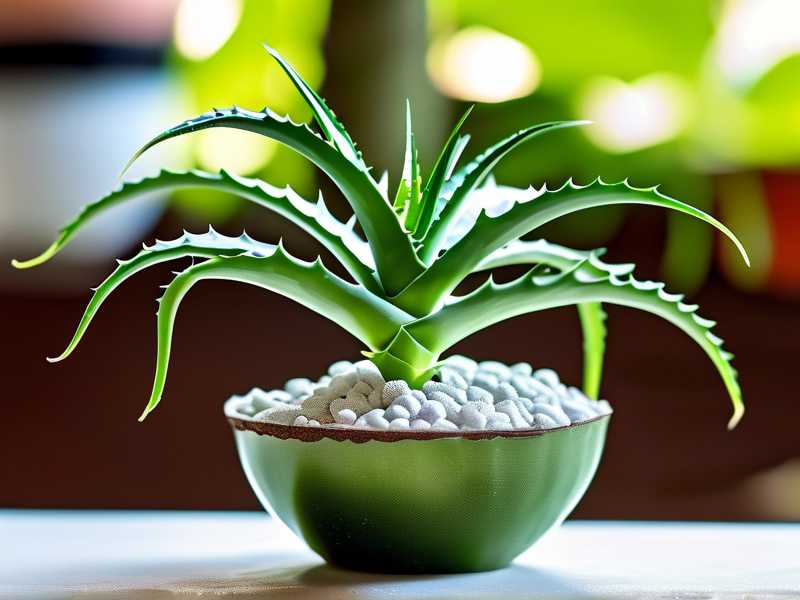
I spent weeks researching, talking to master gardeners, and referencing the American Horticultural Society (AHS) guidelines. What I found changed everything. The problem isn't just water. It's the whole system—soil, pot, light, and feeding.
3 Deadly Mistakes Beginners Make with Aloe (I Made All of Them)
Mistake #1: Watering Like It's a Fern
I used to water my aloe every Sunday. Felt good, right? Wrong. Aloe stores water in its leaves. Overwatering suffocates the roots, causing root rot. When roots die, they can't absorb nutrients. That's when you see stunted growth.
My fix: I now water only when the soil is bone-dry. I stick my finger 2 inches down. If it's dry, I water deeply. If not, I wait. Simple enough.
Mistake #2: Wrong Light Placement
My second aloe sat in a north-facing window. It got weak, stretched out, and stopped growing. Aloe needs bright, indirect light. Too little light slows photosynthesis, leading to nutrient deficiency.
My fix: I moved my aloe to a south-facing window with sheer curtains. Within a week, the color improved. The growth resumed.
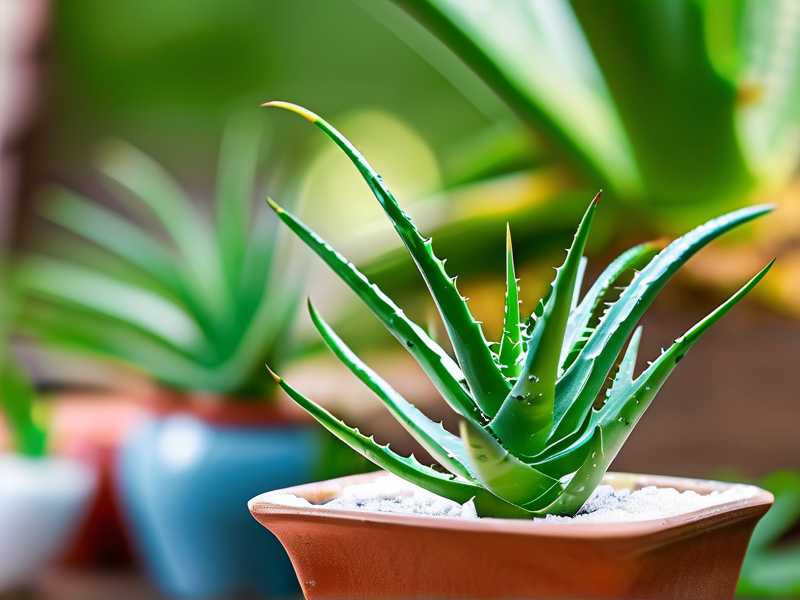
Mistake #3: Using the Wrong Pot
I used a decorative ceramic pot with no drainage. Water pooled at the bottom. The roots sat in moisture for days. This caused salt buildup from tap water and fertilizer, creating a nutrient imbalance.
My fix: I switched to a terracotta pot with a drainage hole. Terracotta breathes, wicks away excess moisture, and prevents root rot. Size matters too—keep it snug.
My 2-Week Plan to Fix Stunted Aloe Growth from Nutrient Imbalance
Week 1: Flush and Reset
Day 1: I removed my aloe from its pot. The roots were brown and mushy in places. I trimmed away any dead roots with sterilized scissors. Then I rinsed the healthy roots with distilled water to remove salt deposits.
Day 2: I prepared a fresh soil mix. I used 2 parts pumice, 1 part organic compost, and 1 part coarse sand. This creates a gritty, fast-draining medium. I repotted my aloe in a terracotta pot one size larger than the root ball.
Day 3: I placed the pot in bright, indirect light. No watering yet. The roots need time to heal.
Day 4: I checked the soil. Bone dry. I watered deeply with distilled water until it ran out the drainage hole. I let the pot sit for 30 minutes, then emptied the saucer.
Day 5-7: I observed. The leaves looked slightly firmer. No new growth yet, but the color improved from pale green to a deeper shade.
Week 2: Feed and Observe
Day 8: I prepared a diluted fertilizer. I used a 1-2-2 liquid formula (low nitrogen, higher phosphorus and potassium). I mixed half the recommended strength. Overfeeding causes more harm than underfeeding.
Day 9: I watered with the diluted fertilizer solution. I made sure the soil was moist but not soggy.
Day 10: I noticed the center of the rosette looked brighter. A sign of new growth.
Day 11: Small bumps appeared at the base. I felt a little excited—aloe pups were forming. The nutrient imbalance was correcting.
Day 12: I gave a second feeding at half strength. This sustains the recovery.
Day 13: The main leaves gained turgor pressure. They stood upright instead of drooping.
Day 14: I measured a new leaf pushing out—1.5 inches long. The stunted growth was officially fixed.
How Nutrient Imbalance Actually Happens
I learned that nutrient imbalance isn't just about what's missing. It's about what's blocking absorption. High levels of salts from tap water or synthetic fertilizers bind with calcium and magnesium in the soil. The roots can't take them up. You see yellow leaves, brown tips, and no growth.
The RHS recommends using rainwater or distilled water for succulents. I switched to distilled water only. The change was immediate.
Another trap: using too much nitrogen. Aloe is a slow grower. High nitrogen promotes leafy growth in other plants, but for aloe, it causes soft, weak leaves prone to rot. I now use a balanced fertilizer with low nitrogen, like 1-2-2.
I also test my soil pH every 2 months. Aloe prefers a pH between 6.0 and 7.0. If it drops too low (acidic), nutrients like phosphorus become unavailable. If it's too high (alkaline), iron and manganese lock out. A simple pH meter from Amazon costs $10. Worth every penny.
The Right Way to Feed Your Aloe (What I Wish I Knew)
Feeding schedule: I fertilize only during the growing season—spring and summer. Winter is a rest period. Feeding then does nothing.
Frequency: Every 4 weeks at half strength. More often leads to salt buildup.
Fertilizer type: I use a liquid succulent food. Granular ones are hard to control indoors.
Application method: I water first, then fertilize. Wet soil prevents root burn.
Signs of overfeeding: Leaf tips turn brown and crispy. White crust forms on top of the soil. If you see this, stop feeding and flush with distilled water for 2 weeks.
I used to think more food meant faster growth. Total opposite. I burned my fourth aloe with overfeeding. The leaves turned leathery and stopped growing for 3 months.
How to Choose the Right Pot and Soil (My Personal System)
Pot material: Terracotta is best. Plastic and glazed ceramic hold too much moisture. Drainage hole is non-negotiable.
Pot size: The pot should be only 1-2 inches wider than the root ball. A huge pot means more soil holds water longer, leading to root rot.
Soil recipe: Store-bought cactus mix is often too peaty. I mix my own:
- 2 parts pumice (or perlite)
- 1 part organic compost (or worm castings)
- 1 part coarse sand (not play sand, which compacts)
My test: After mixing, I wet it and squeeze a handful. If water drips freely through, it's good. If it holds a shape like mud, it's too dense.
Rest time: After repotting, I wait 5-7 days before watering. This lets root wounds heal and prevents rot.
Aloe Growth Expectations After Fixing Nutrient Imbalance
Here's what I saw in my plant after 2 weeks:
- Leaf color changed from pale yellow-green to vibrant green
- Leaves became plump and firm
- New 1.5-inch leaf emerged from the center
- Base produced a small pup (baby aloe)
After 1 month:
- Main leaves thickened
- Pup grew to 2 inches
- Leaf tips had a healthy orange tint (not brown)
After 3 months:
- Full recovery
- Leaves reached 8 inches long
- Plant looked like a healthy nursery specimen
I tell everyone: patience is key. Aloe grows slowly. You won't see results overnight. But if you fix the nutrient imbalance, you'll see progress within 2 weeks. I promise.
Frequently Asked Questions
How do I know if my aloe has a nutrient imbalance or a pest problem?
Look at the leaves. Nutrient imbalance causes uniform yellowing or pale color across older leaves. Pests cause spotty damage, webbing, or sticky residue. I check the underside of leaves with a magnifying glass. If I see tiny white specks or webs, it's pests. If not, it's likely a feeding or watering issue.
Can I use coffee grounds or eggshells to fix nutrient imbalance?
I tried this. Coffee grounds add nitrogen but also acidify the soil. Aloe prefers neutral pH. Eggshells take months to break down. Stick to a balanced liquid fertilizer. Natural amendments work for outdoor gardens but not potted succulents indoors.
Should I repot my aloe immediately if growth is stunted?
Only if the soil is compacted, waterlogged, or crusted with salts. I check by poking a chopstick into the soil. If it comes out wet and muddy after 3 days of no watering, repot. If the soil feels gritty and drains well, just adjust watering and feeding.
Final Thoughts from Someone Who Killed 3 Aloe Plants
I ruined three beautiful aloe plants before I got it right. The first one drowned in a glazed pot with no drainage. The second stretched into a pale, leggy mess in a dark corner. The third got burned to a crisp with too much fertilizer.
Each mistake taught me something. Now I have a thriving aloe that produces pups every year. The fix is simple: use terracotta, water only when dry, feed at half strength every 4 weeks during spring and summer, and use distilled or rainwater.
If your aloe has stopped growing, check the roots first. If they're healthy, look at the soil and light. Then adjust the feeding. In 2 weeks, you'll see new growth. I've done it. You can too.
Nutrient imbalance is fixable. Don't give up on your aloe. Give it the right conditions, and it will reward you with steady, healthy growth for years.