bluename
 How to Make Aloe Vera Compost Tea: A Gardener's Step-by-Step Guide
I’ve always been on the lookout for natural ways to boost my garden’s health. Chemical fertilizers never sat right with me, so I started exploring organic plant feeds. That’s when I discovered how to make aloe vera compost tea. This powerful, all-natural elixir combines the healing properties of aloe vera with the microbial life of compost. After perfecting my own recipe through trial and error, I want to share the process that transformed my plants.
For weeks, my tomatoes looked stressed, and my roses lacked their usual vigor. I needed a solution that was gentle, effective, and sustainable. Aloe vera compost tea was the answer. It’s not just a fertilizer; it’s a soil conditioner and plant tonic rolled into one. Let me walk you through my exact method, what happened over two weeks of use, and the lessons I learned the hard way.
Why You Should Brew Aloe Vera Compost Tea
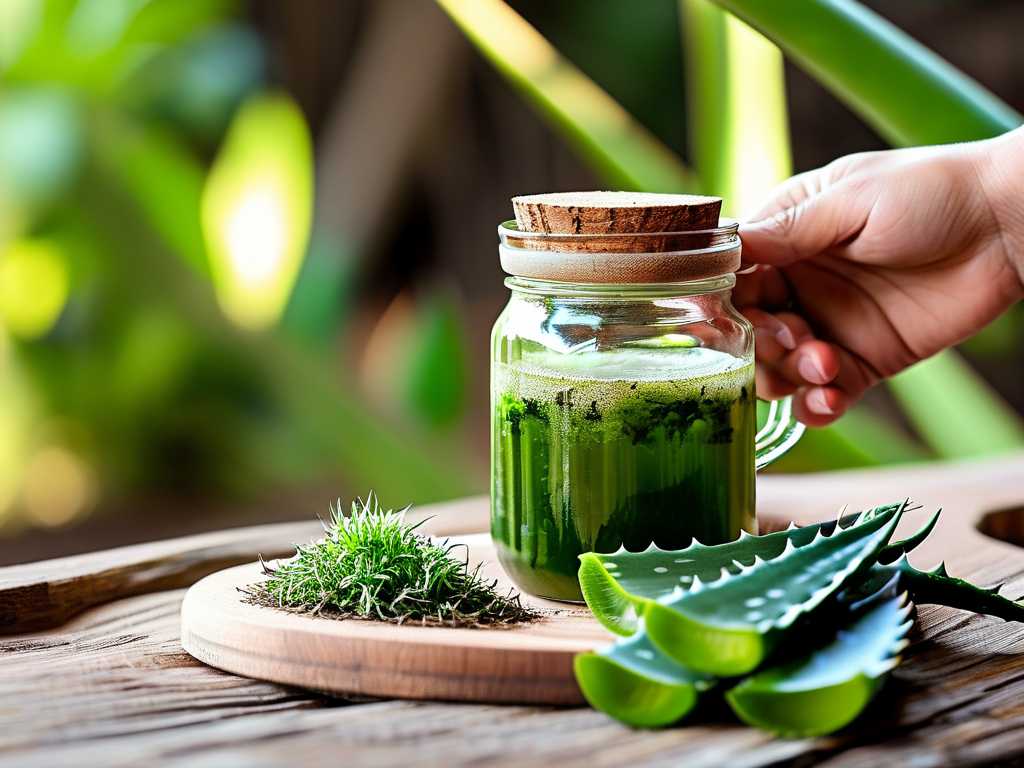
Before we dive into the bucket, let's talk about why this tea is so special. Aloe vera is packed with vitamins, enzymes, and amino acids that stimulate root growth and help plants manage stress. Compost is teeming with beneficial bacteria and fungi. When brewed together, you create a living solution that feeds the soil food web. According to principles supported by the Soil Food Web School, inoculating your soil with these microbes is key to plant resilience. This tea doesn’t just feed the plant; it builds a healthier ecosystem for it to thrive in.
Gathering Your Ingredients and Tools
You don’t need fancy equipment. Here’s what I gathered:
- A 5-gallon plastic bucket (food-grade is best)
- Dechlorinated water (I fill my bucket and let it sit for 24 hours)
- About 2 cups of well-aged, high-quality compost. I use my own worm castings.
- One large, fresh aloe vera leaf. The gel must be fresh for maximum potency.
- An old t-shirt or paint strainer bag for the "tea bag."
- An aquarium air pump and air stone. This is crucial for an aerobic brew.
- An unsulfured molasses (1-2 tablespoons). This feeds the microbes.
My Step-by-Step Brewing Process
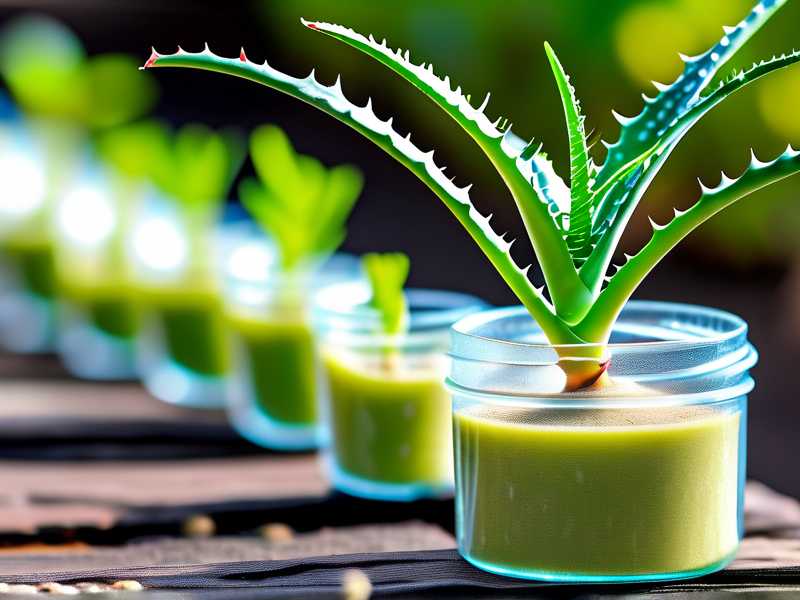
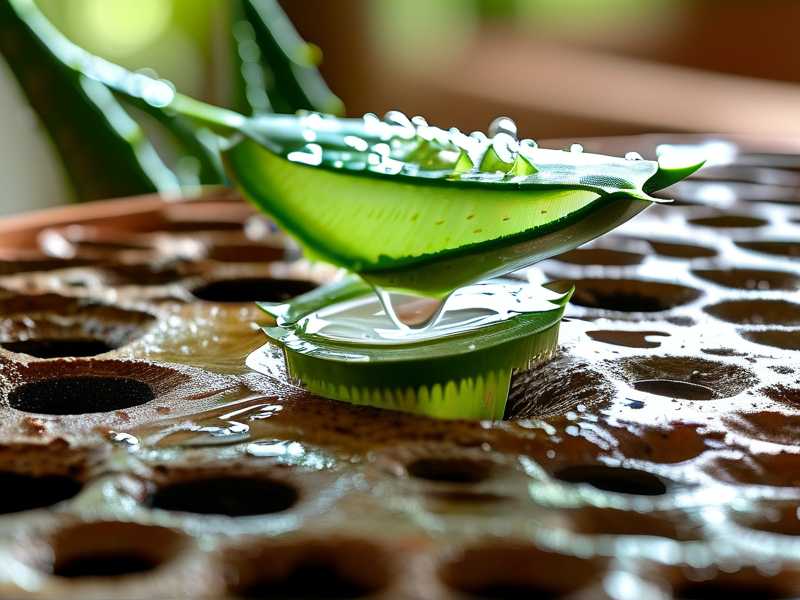
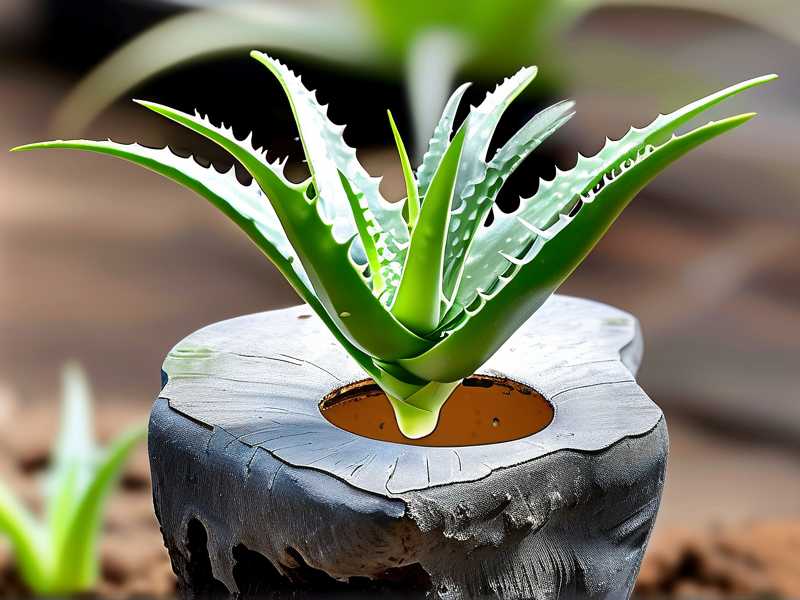
Preparing the Aloe Vera Gel First, I take a mature leaf from my aloe plant. I slice off the serrated edges and fillet the leaf to scoop out the clear gel. I avoid the yellow latex near the skin, as it can be irritating. I then blend about a cup of this fresh gel with a quart of dechlorinated water until it’s smooth. This aloe vera juice is the star of our show.
Brewing the Tea I place the compost into the strainer bag, tie it off, and submerge it in the 5-gallon bucket of water. I add the blended aloe vera mixture and the molasses. Then, I drop in the air stone connected to the pump. The constant bubbling is non-negotiable—it keeps the brew oxygen-rich, encouraging good bacteria and preventing nasty, smelly anaerobic conditions. I let this brew bubble away for 24-36 hours in a shaded, warm spot. You’ll know it’s ready when it has a sweet, earthy smell.
The First Application and My Two-Week Observation Diary I always dilute the finished tea. My go-to ratio is 1 part tea to 10 parts water. For a foliar spray, I use a finer filter to avoid clogging my sprayer.
Day 1: I applied the diluted aloe vera compost tea as a soil drench around my struggling tomato plants and as a foliar spray on my rose bushes. The plants looked normal, just well-watered.
Day 3-5: This is when I started seeing the first signs of change. The tomato plants, which had slightly yellowing lower leaves, seemed to halt their decline. The green in the leaves looked more vibrant. My roses showed no new signs of black spot.
Day 7: After a second application, the difference was becoming clear. New growth on the tomatoes appeared darker green and more robust. The most surprising effect was on my transplant seedlings—they showed zero transplant shock and were growing steadily.
Day 14: The two-week mark was convincing. The tomato plants had put out a noticeable flush of new, healthy leaves. Flower production seemed improved. The rose leaves had a shinier, tougher look to them, as if their natural defenses were boosted. The overall vitality of the treated plants was visibly superior to a control group I left untreated.
The Pitfalls I Encountered (And How to Fix Them)
My journey wasn’t without hiccups. Here’s what went wrong and how I solved it.
The Stinky Brew Problem: The first time I made it, I skipped the air pump, thinking occasional stirring was enough. By day two, my tea smelled like a rotten egg swamp. This was a classic sign of anaerobic fermentation, which breeds harmful pathogens. The Fix: I never brew without aeration now. The air pump is mandatory for creating a safe, beneficial microbial tea.
The Clogged Sprayer Disaster: Excited about my first batch, I poured the undiluted, unfiltered tea directly into my spray bottle. It clogged instantly, and the cleanup took forever. The Fix: I now double-strain the tea for foliar application—once through a coarse strainer to remove large compost bits, and then through an old t-shirt or fine mesh bag into the sprayer. For soil drenches, a single coarse strain is enough.
The "More is Better" Misconception: In my enthusiasm, I applied the tea every other day for a week. I started seeing a slight white fungal growth on the soil surface—a sign of over-application. The Fix: I learned moderation is key. I now apply no more than once a week. This gives plants and soil time to utilize the microbes and nutrients without overwhelming them.
How to Apply Your Aloe Vera Plant Tea for Best Results For soil application, water the base of your plants until the soil is moist. For foliar spraying, do it in the early morning or late evening to prevent sun-scorch on the leaves. Cover both the tops and bottoms of the leaves. Use the tea within 4-6 hours of brewing for peak microbial activity. This compost tea with aloe vera works wonders on vegetables, flowers, and even houseplants.
Frequently Asked Questions
Can I use store-bought aloe vera juice? I strongly advise against it. Preservatives and stabilizers in commercial juices can harm the delicate microbes in your brew. Fresh gel is alive with enzymes. It’s the heart of the process.
How often should I use this aloe vera fertilizer tea? During the active growing season, I apply it once every 7-14 days. Less is often more. It’s a tonic, not a daily meal. Observe your plants and adjust accordingly.
Is this tea safe for all plants? Yes, it is gentle and safe for virtually all plants when properly diluted. I’ve used it on seedlings, established vegetables, flowering shrubs, and indoor plants with excellent results. Always test a small area first if you are concerned.
Brewing aloe vera compost tea has become a rewarding ritual in my gardening routine. It connects me to the natural process of feeding the soil. Seeing the tangible results over those two weeks—the greener leaves, the stronger growth, the increased resilience—confirmed its value. It does require a bit more effort than opening a bottle of synthetic feed, but the payoff for your garden’s long-term health is immense. Start with a small batch, follow the steps, avoid my early mistakes, and watch your garden come alive.