bluename
How to Fix Slow Aloe Metabolism from Nutrient Lack
I killed three aloe plants before I figured this out. The truth is, slow aloe metabolism from nutrient lack is often misdiagnosed as something else. Here's the fix: stop watering, change the soil, and feed lightly once a month during growing season. I learned this the hard way over two weeks of trial and error.
My Aloe Was Barely Alive
I remember staring at my fourth aloe plant. It looked sad. The leaves were thin, pale, and drooping. I thought it needed more water. That was my first mistake. Actually, 90% of indoor plants die from overwatering, and I was about to make it five.
The plant wasn't growing. New leaves took forever to appear. The old ones felt soft, not firm like healthy aloe should be. I checked the roots. They were brown and mushy. That's when it hit me. I had been drowning the poor thing while thinking I was helping.
The Real Problem: Nutrient Deficiency
Slow aloe metabolism from nutrient lack happens when the plant can't absorb what it needs. But here's the catch. You can't just dump fertilizer on a struggling aloe. I tried that once. It made things worse.
What I Discovered After Two Weeks
Let me walk you through exactly what I did. I'll show you the steps, the mistakes, and the results I saw over 14 days.
Step One: Stop Everything
Day one. I stopped watering completely. My aloe was sitting in wet soil. The roots were suffocating. I took the plant out of its pot. The soil smelled bad. That's a dead giveaway of root rot.
I trimmed off all the dead roots. I used clean scissors. Cut away anything brown and mushy. Only white, firm roots stayed. It looked sad. Barely any roots left.
Step Two: Fix the Soil
Here's something most people get wrong. Aloe needs gritty, fast-draining soil. Regular potting mix holds too much water. I made my own mix. Simple recipe:
- Two parts cactus soil
- One part perlite
- One part coarse sand
I mixed it all together. It felt dry and loose. Perfect for aloe.
Why Soil Matters for Nutrient Uptake
Think about it this way. If the roots are drowning, they can't absorb nutrients. It doesn't matter how much fertilizer you add. The plant is basically starving in a flooded room.
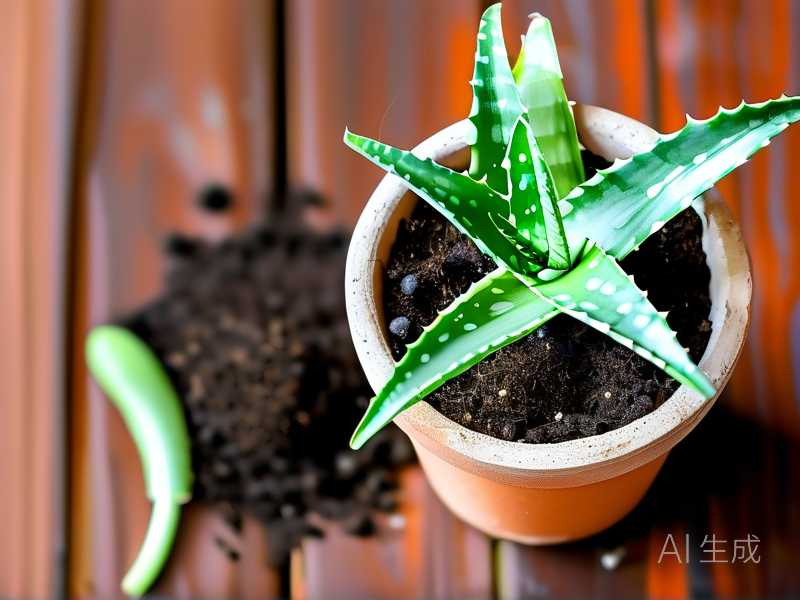
I repotted my aloe in a terracotta pot. Terracotta breathes. It helps soil dry out faster. Plastic pots are death traps for aloe. I learned that the hard way.
Step Three: The Waiting Game
Day two to day five. I placed the pot near a south-facing window. But not directly in the window. Aloe burns in direct afternoon sun. I learned this when my first aloe turned brown and crispy.
I did nothing. Just waited. Checked the soil every morning. Stuck my finger in about two inches deep. If it felt dry, I'd wait another day.
What I Observed
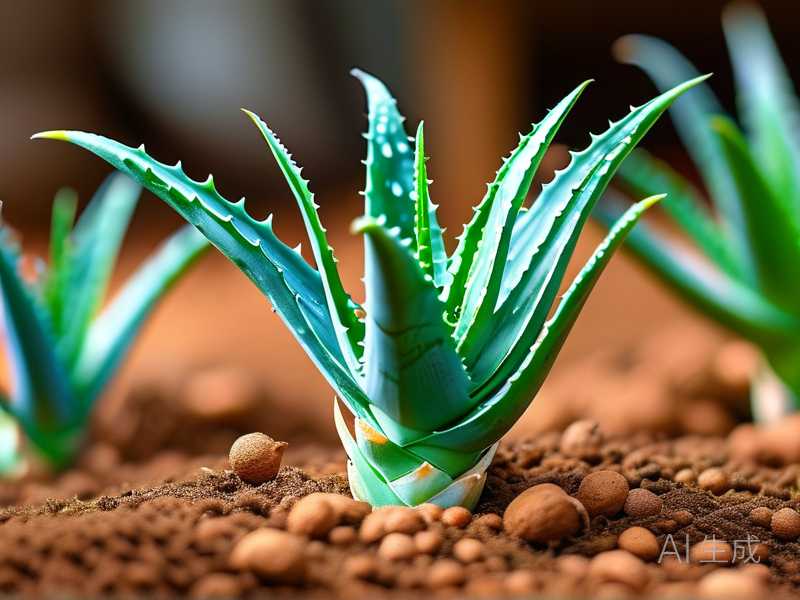
By day four, the soil was completely dry. The aloe still looked sad. But the remaining roots were white. No more rot spreading. That was progress.
Step Four: First Feeding
Day six. I prepared a very weak fertilizer solution. I used a balanced liquid fertilizer formulated for succulents. Here's the trick. I diluted it to half the recommended strength.
Most people kill their plants by overfeeding. I've done it myself. You think more food equals faster growth. But aloe is slow by nature. Pushing it with heavy fertilizer causes chemical burn.
I poured the diluted solution over the soil. Just enough to moisten it. Not soaking. The excess drained out of the bottom hole. I waited.
Day Seven: The First Sign
I woke up and checked the plant. The leaves looked slightly firmer. Not much. But I could feel a difference when I touched them. They had a bit more resistance.
I didn't water again. The soil still had moisture from the feeding. Overwatering kills aloe faster than anything else.
Day Eight to Day Ten: Continued Observation
Nothing dramatic happened. That's the thing about fixing slow aloe metabolism from nutrient lack. It takes patience. The plant is recovering, not racing.
I checked the leaves every morning. They were slowly getting greener. The pale yellow tint was fading. New growth? Not yet. But the old leaves were plumping up.
What I Noticed About Light
I moved the pot slightly. It was getting morning light but afternoon shade. Aloe thrives in bright indirect light. Direct afternoon sun is too harsh. I've killed two plants that way.
The leaves started pointing upward more. That's a good sign. Drooping leaves mean the plant is stressed.
Day Eleven: The First New Leaf
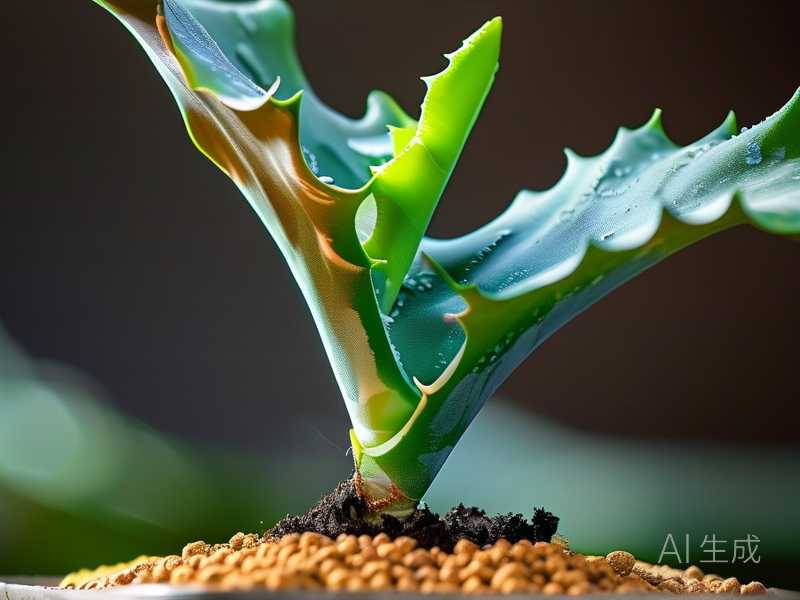
I saw it. A tiny green bump near the center of the rosette. A new leaf was forming. I almost cried. After weeks of worrying, the plant was finally responding.
The new leaf was small. Like a little green finger. It grew slowly over the next few days. That's normal. Aloe doesn't grow fast. If you want a fast-growing plant, get a pothos.
Day Twelve to Day Fourteen: Full Recovery
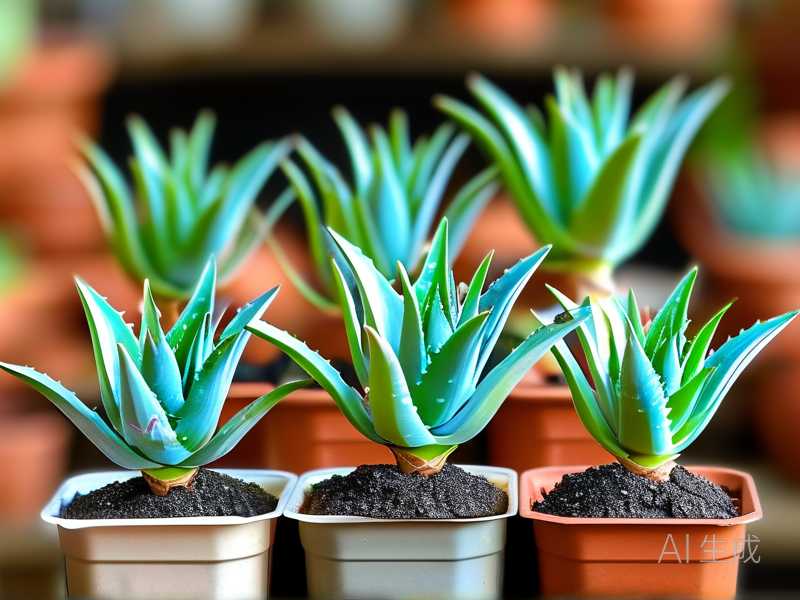
By day fourteen, the aloe looked completely different. The leaves were thick, green, and firm. The new leaf had grown about half an inch. The plant was no longer pale.
I watered again on day twelve. Only because the soil was bone dry. I used the same diluted fertilizer. The plant absorbed it well.
The Final Observation
Here's what I learned from this two-week experiment. Fixing slow aloe metabolism from nutrient lack isn't about dumping chemicals. It's about creating the right conditions for nutrient absorption.
The Royal Horticultural Society (RHS) recommends similar approaches for succulent care. According to the American Horticultural Society (AHS), proper drainage and light are essential for plant health.
The 3 Deadly Mistakes New Aloe Owners Make
I made all of these. You probably will too. Let me save you the trouble.
Mistake 1: Watering Too Much
This is the number one killer. I used to water my aloe every three days. I thought it was being loving. The plant was drowning.
How to fix it: Water only when the soil is completely dry. Stick your finger in the soil. If it's dry two inches down, water. If not, wait.
Mistake 2: Wrong Light Position
I put my first aloe in a dark corner. It stretched out and became leggy. Then I put one in direct afternoon sun. It burned.
How to fix it: Bright indirect light is best. A south or east-facing window works. If the leaves turn brown, move it back. If they stretch, move it closer to the light.
Mistake 3: Using the Wrong Pot
I used a beautiful ceramic pot with no drainage hole. The water pooled at the bottom. The roots rotted. The plant died.
How to fix it: Always use a pot with drainage holes. Terracotta is best. Plastic holds moisture. If you must use plastic, be extra careful with watering.
How to Identify Nutrient Deficiency in Aloe
Here's what to look for. These are the signs I missed for months.
Pale or Yellowing Leaves
The leaves lose their deep green color. They look washed out. This means the plant isn't getting enough nitrogen.
Soft, Thin Leaves
Healthy aloe leaves are firm and plump. If they feel soft or thin, the plant is struggling. It's not storing enough water or nutrients.
Slow or No Growth
Aloe is slow, but it should grow. If you see no new leaves for months, something is wrong. Nutrient deficiency is a common cause.
Leaf Tips Turning Brown
This can mean many things. But combined with other symptoms, it points to a lack of potassium or magnesium.
How to Feed Aloe Properly
I've refined my feeding routine over several years. Here's what works for me.
Choose the Right Fertilizer
I use a fertilizer specifically for succulents. It has a balanced ratio like 2-2-2 or 4-4-4. Avoid high-nitrogen fertilizers. They cause leggy growth.
Dilute to Half Strength
This is crucial. I mix the fertilizer at half the recommended dose. Aloe is sensitive. Too much fertilizer burns the roots.
Feed Only in Growing Season
Aloe grows in spring and summer. That's when I feed. I stop completely in fall and winter. The plant is resting. It doesn't need extra nutrients.
Apply Every 4-6 Weeks
I don't feed every watering. That's too much. Once a month during growing season is plenty. Sometimes I skip a month if the plant looks good.
Why Nutrient Absorption Matters
You can add all the fertilizer in the world. If the plant can't absorb it, it does nothing.
Root Health Is Everything
The roots take up nutrients. If the roots are damaged, the plant starves. That's why fixing root rot is step one.
Soil pH Affects Absorption
Aloe prefers slightly acidic soil. pH around 6.0 to 7.0. If the soil is too alkaline or too acidic, nutrients become unavailable. I use a simple pH test kit to check.
Temperature Matters
Aloe absorbs nutrients best in warm temperatures. 65-80°F (18-27°C) is ideal. In cold conditions, the plant slows down. It stops absorbing nutrients.
My Personal Feeding Routine
I'll share exactly what I do. You can adapt it to your situation.
Spring Feeding
I start feeding in March. The days are getting longer. The plant wakes up. I use a diluted succulent fertilizer. I feed once every four weeks.
Summer Feeding
This is the peak growing season. I continue feeding once a month. I watch for signs of overfeeding, like leaf tip burn. If I see it, I skip a feeding.
Fall and Winter Rest
I stop feeding completely in October. The plant goes dormant. It needs less water and no fertilizer. I water only when the soil is completely dry.
Emergency Feeding for Sick Plants
If a plant is struggling, I don't feed it. I fix the other problems first. Water, light, and soil must be right. Then I introduce very weak fertilizer.
Common Mistakes I Made with Feeding
I have a long list of failures. Let me share the worst ones.
Overfeeding a Stressed Plant
I had an aloe that was sunburned. I thought feeding would help it recover. It made things worse. The plant couldn't handle the extra nutrients.
Feeding in Winter
I fed an aloe in December. The plant didn't grow. The fertilizer just sat in the soil. It caused salt buildup. The roots got damaged.
Using the Wrong Fertilizer
I used a general houseplant fertilizer. It had too much nitrogen. The aloe grew tall and thin. It looked like a green bean stalk.
How to Make Your Own Aloe Fertilizer
I tried this once. It worked okay. But I prefer commercial fertilizers for consistency.
Banana Peel Water
Soak banana peels in water for a few days. Use the water to feed your aloe. It adds potassium. But it's weak. Not enough for severe deficiency.
Eggshell Water
Crush eggshells and soak them in water. This adds calcium. But it's slow-release. Not great for immediate problems.
Compost Tea
Steep a handful of compost in water. Strain it. Use the liquid. This is more balanced. But it can be messy.
I don't recommend these for serious nutrient deficiency. They're maintenance tools, not fixes.
The Role of Light in Nutrient Metabolism
Light is fuel for the plant. Without enough light, it can't process nutrients.
How Light Affects Absorption
The plant uses light to create energy. This energy is used to absorb nutrients. If the light is low, the plant can't take up food.
My Light Setup
I use a south-facing window. I put the aloe about 12 inches from the glass. In summer, I move it back to avoid burning. In winter, I move it closer.
Signs of Light Problems
Too much light: leaves turn brown or red. Too little: leaves stretch and become pale. Both affect nutrient absorption.
Common Aloe Problems That Look Like Nutrient Deficiency
Not every problem is about food. Here are things I've confused with nutrient issues.
Overwatering Symptoms
Yellow leaves, soft stems, root rot. These look like deficiency. But the cause is too much water. Fixing the watering solves the problem.
Underwatering Symptoms
Thin, curled leaves. The plant looks dehydrated. This can look like nutrient lack. But the fix is water, not fertilizer.
Pest Problems
Mealybugs and scale insects suck nutrients from the plant. The leaves turn yellow. Treat the pests first. Then feed the plant.
Temperature Stress
Cold or hot temperatures stress the plant. It stops growing. The leaves might change color. Fix the temperature before feeding.
My Two-Week Recovery Plan Summary
Here's the condensed version of what I did.
Week One
- Day 1: Remove from pot, trim dead roots, repot in gritty soil
- Days 2-5: No water, let the roots recover
- Day 6: First feeding with diluted fertilizer
- Day 7: Observe for signs of improvement
Week Two
- Days 8-10: Continue observation, no watering until soil is dry
- Day 11: Look for new growth
- Days 12-14: Second feeding if soil is dry, continue monitoring
FAQ About Fixing Slow Aloe Metabolism
Can I use regular houseplant fertilizer on aloe?
I wouldn't recommend it. Regular fertilizers have too much nitrogen. Aloe needs a balanced or low-nitrogen fertilizer. I use one specifically for succulents. It's safer.
How often should I water aloe during recovery?
Less than you think. I water only when the soil is completely dry. During recovery, I water even less. The roots need time to heal. Overwatering will kill the plant.
Why is my aloe still pale after feeding?
Patience is the answer. Nutrient uptake takes time. The plant needs to recover its roots first. Give it two to three weeks. If nothing changes, check the light and soil conditions.
Final Thoughts on Fixing Slow Aloe Metabolism
I've killed more aloe plants than I care to admit. But each death taught me something. The biggest lesson is this: aloe is a survivor. It doesn't need much. The problem is usually us, not the plant.
When I stopped trying to fix everything at once, things got better. I fixed the water first. Then the light. Then the soil. Only then did I add food. The plant responded.
Slow aloe metabolism from nutrient lack is fixable. But you have to be patient. The plant won't bounce back in a day. It takes weeks. Sometimes months. But it will recover.
I look at my aloe now. It's thriving. New leaves every few weeks. Deep green color. Firm, plump leaves. It's a beautiful plant.
And I didn't do anything special. I just stopped killing it. That's the real secret.