bluename
How to Suspend Fertilization for Waterlogged Aloe Soil
I killed my first aloe plant within three weeks. The leaves turned brown and mushy. The soil smelled like a swamp. I learned the hard way that how to suspend fertilization for waterlogged aloe soil is a skill you absolutely need. Here's the direct answer: Stop all fertilizer immediately. Remove the plant from wet soil. Let the roots dry for 48 hours. Repot in fresh, dry cactus mix. Do not fertilize again for at least 4-6 weeks. That's it. Now let me walk you through everything I wish I knew.
Why Waterlogged Soil and Fertilizer Are a Deadly Combo
I used to think more fertilizer meant faster growth. I was wrong. Really wrong. When soil stays wet for too long, roots can't breathe. They drown. Adding fertilizer on top of that is like pouring salt into an open wound. The nutrients burn the already stressed roots.
According to the RHS, overwatering is the number one cause of aloe death in home environments. They recommend checking soil moisture before any watering. I ignored that advice. I paid for it.
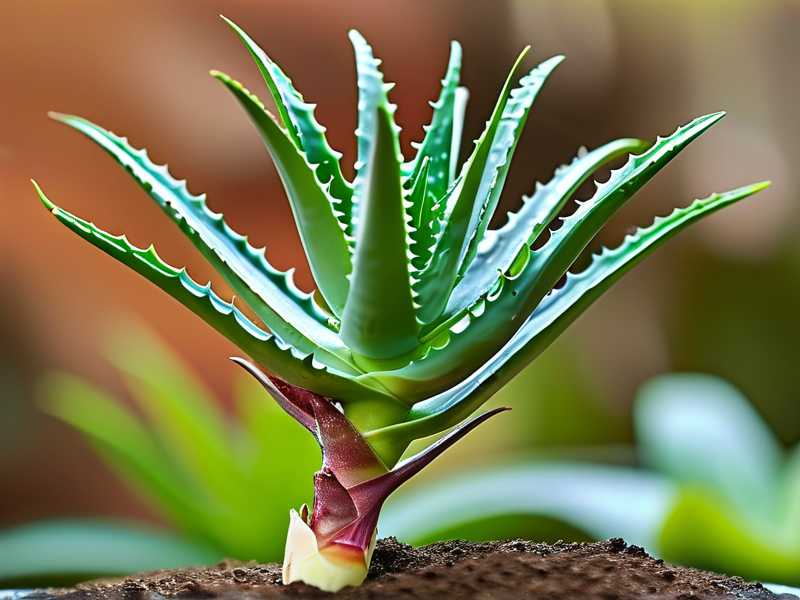
Here's the science part, simplified: Waterlogged soil creates anaerobic conditions. Bacteria multiply. Root rot sets in. Fertilizer adds more salts. Those salts draw moisture out of root cells. The plant dehydrates even though the soil is wet. It's a brutal paradox.
My First Mistake: Pouring Fertilizer Into Wet Soil
I had this beautiful aloe on my kitchen windowsill. It looked healthy for months. Then I got busy. I forgot to check the drainage tray. Water had been sitting there for over a week. The soil felt damp. I thought, "Hey, maybe some nutrients will help it perk up."
I added liquid fertilizer. Within five days, the lower leaves turned yellow. Then brown. Then they collapsed.
I checked the roots. They were black and slimy. That's when I understood. Fertilizer in waterlogged soil is never a solution. It's always a disaster.
The Three Deadly Mistakes Every Beginner Makes
Mistake 1: Watering Like a Houseplant Instead of a Succulent
I treated my aloe like my pothos. Big mistake. Aloe stores water in its leaves. It needs dry periods between waterings. 90% of indoor plants die from overwatering, and aloe is especially sensitive.
What I do now: I stick my finger two inches into the soil. If it's dry, I water. If it's even slightly damp, I wait. Simple rule. Saved me countless plants.
Mistake 2: Putting Aloe in Direct Sunlight Right After Repotting
I thought aloe loved full sun all day. I placed my freshly repotted plant on a south-facing windowsill. The leaves turned reddish-brown within two days. The soil dried out too fast in some spots and stayed wet in others.
What I learned: Aloe needs bright but indirect light, especially after repotting. Direct sun stresses roots that are still recovering. I now keep new aloe in filtered light for at least two weeks.
Mistake 3: Using a Pot Without Drainage Holes
My third aloe died in a beautiful ceramic pot. No holes. I thought a layer of pebbles at the bottom would fix it. It didn't. Water pooled at the bottom. The roots sat in moisture constantly.
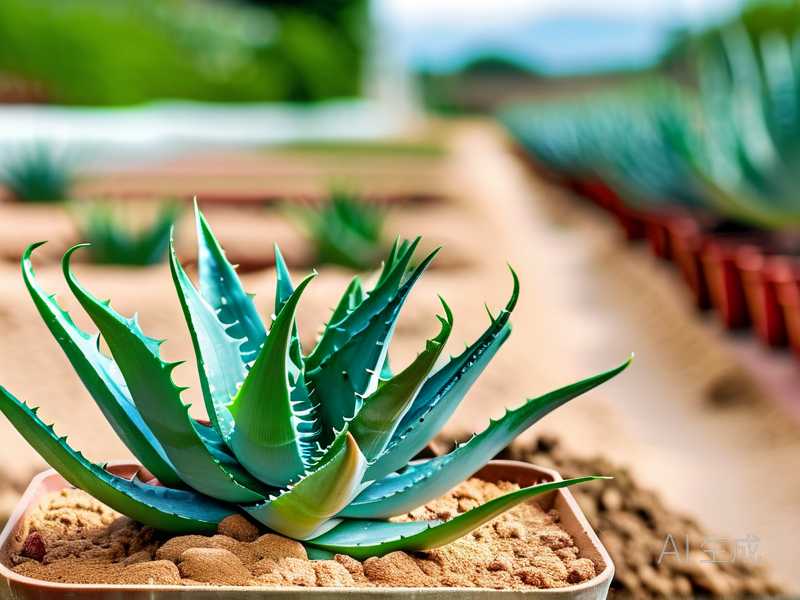
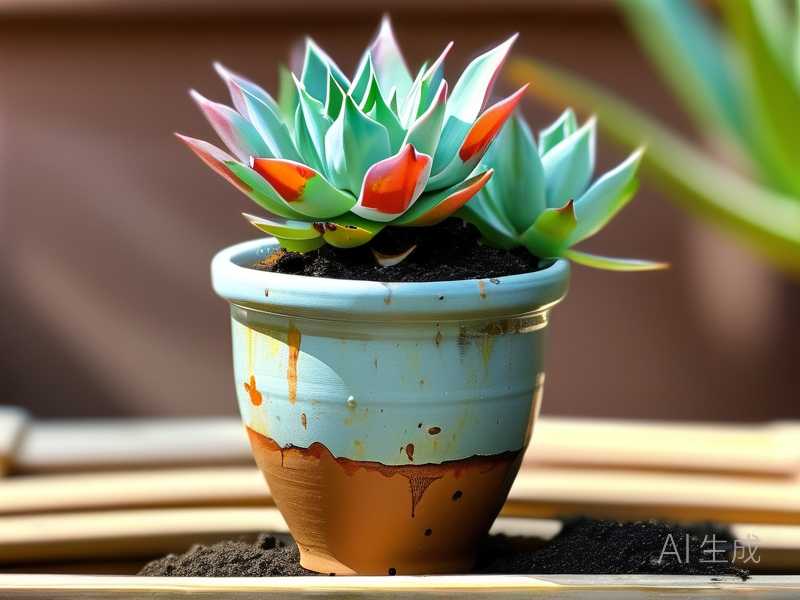
What I use now: Terracotta pots with drainage holes. Terracotta breathes. It wicks excess moisture away from roots. Plastic pots hold too much water. Glazed ceramics look nice but trap moisture. Stick with unglazed terracotta.
How I Suspended Fertilization After Waterlogging
Let me walk you through my exact process. I did this two weeks ago with an aloe I rescued from my neighbor.
Step 1: Stop Everything
I removed the fertilizer bottle from my shelf. I stopped all feeding immediately. No liquid fertilizer. No slow-release granules. Nothing.
Step 2: Check the Soil Moisture
I stuck my finger deep into the soil. It came out muddy. The pot felt heavy. Those are signs of waterlogged soil.
Step 3: Remove the Plant
I gently tipped the pot and slid the aloe out. The root ball was dark and wet. Some roots fell off with a gentle touch. That's rot.
Step 4: Trim the Damaged Roots
I used clean scissors to cut away all black, mushy roots. I left only firm, white or light brown ones. I cut back about 40% of the root system.
Step 5: Let the Roots Air Dry
I placed the aloe on a paper towel in a warm, shaded spot. I let it sit for 48 hours. This step is crucial. Wet roots will rot again if you repot immediately.
Step 6: Repot in Fresh Dry Soil
I used a cactus and succulent mix. I added extra perlite for drainage. The RHS recommends a mix that dries within a few days. I find 50% cactus soil and 50% perlite works perfectly.
Step 7: Wait Before Watering
I did not water for seven days after repotting. The soil was dry. The roots needed time to heal. Aloe can survive weeks without water.
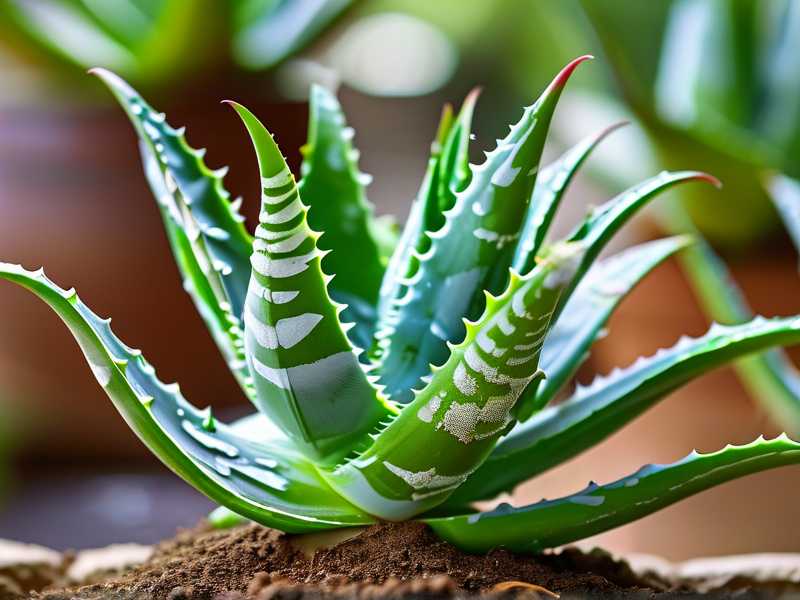
Step 8: No Fertilizer for Four Weeks
I marked my calendar. I will not fertilize until week five at the earliest. And even then, I'll use half-strength fertilizer.
Two Weeks of Observation: What I Saw
Day 1-3: The leaves looked wrinkly. Some lower leaves were still yellowing. That's normal. The plant was stressed but alive.
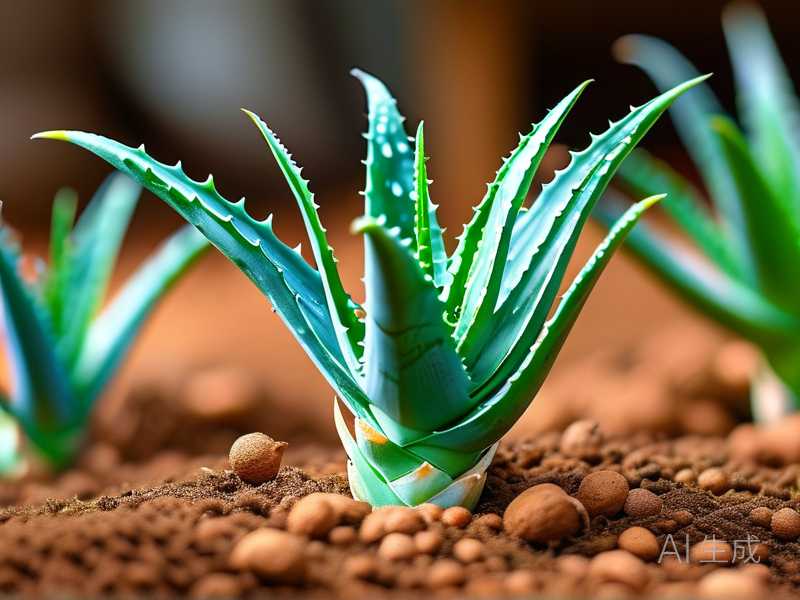
Day 4-7: The wrinkling stopped. The remaining green leaves firmed up. No new yellowing appeared. I saw tiny white root tips emerging from the root ball.
Day 8-10: The plant looked stable. The center leaves perked up. They pointed toward the light again. That's a good sign.
Day 11-14: New growth appeared. A small leaf emerged from the center. The color returned to deep green. My aloe was recovering.
I did not fertilize during this entire period. The plant had enough stored nutrients. Adding fertilizer would have shocked the recovering roots.
How to Tell If Your Aloe Needs a Fertilizer Break
I look for these signs:
- Soil stays wet for more than a week after watering
- Leaves turn yellow or brown starting from the bottom
- Leaves feel soft or mushy
- Pot feels unusually heavy
- You see mold on the soil surface
- The plant stops growing
If any of these apply, suspend fertilization immediately. Fix the watering issue first.
What the American Horticultural Society Says
The AHS emphasizes that succulents like aloe thrive on neglect. They need less water and less fertilizer than most plants. I found their guide on succulent care incredibly helpful. It confirmed what I learned through trial and error.
They recommend fertilizing aloe only during active growing periods. That's spring and summer. Even then, once a month with diluted fertilizer is plenty. In fall and winter, stop completely.
I used to fertilize year-round. Now I follow their advice. My aloe looks better than ever.
My Personal Fertilizer Schedule
I fertilize my aloe three times per year. That's it. Once in early spring. Once in late spring. Once in midsummer. I use a 10-10-10 balanced fertilizer diluted to quarter strength.
If the soil gets waterlogged at any point, I skip the next scheduled feeding. The plant doesn't miss it. Aloe evolved in arid environments. It's designed to survive lean times.
Common Questions About Suspending Fertilization
How long should I wait after repotting waterlogged aloe?
I wait at least four weeks. Some growers wait six to eight weeks. The plant needs time to establish new roots. New roots are delicate. Fertilizer burns them easily.
I once fertilized after three weeks. The new growth stopped. The leaves curled. I had to flush the soil with clean water. That set the recovery back by another two weeks.
Can I use a moisture meter to decide when to fertilize?
Yes, but I still rely on the finger test. Moisture meters can give false readings in salty soil. And if you've been fertilizing heavily, salt buildup is likely.
I use a cheap moisture meter as a backup. But I always confirm with my finger. If the soil feels damp, no fertilizer. Period.
What if the leaves are wrinkling but the soil is wet?
This means root damage from overwatering. The roots can't absorb water even though it's present. Fertilizing makes this worse.
I treated this once by removing the plant, trimming rotted roots, and letting it dry out. I didn't water for two weeks. The leaves slowly plumped back up. No fertilizer needed.
The Long Payoff: My Aloe One Year Later
The aloe I rescued from my neighbor is now thriving. It has produced three pups. The leaves are thick and green. I suspend fertilization every time the soil stays wet too long.
I've learned that less is more. Less water. Less fertilizer. Less interference. Aloe wants to be left alone. The moment I try to force growth with nutrients, I cause problems.
Final Thoughts on Fertilization Suspension
If you're dealing with waterlogged aloe soil, here's your action plan:
One, stop fertilizing immediately. Two, fix the watering issue. Three, repot in fresh dry soil. Four, wait at least a month before feeding again.
I killed four aloe plants before I figured this out. You don't have to make the same mistakes. Suspend fertilization. Let the plant recover. It will thank you with healthy, vibrant growth.
Remember, aloe is a survivor. It doesn't need our help as much as we think. Sometimes the best thing we can do is step back and do nothing.
FAQ
How do I know if my aloe has root rot from waterlogging? The leaves turn yellow or brown from the bottom. The soil stays wet for over a week. When you remove the plant, the roots are black, mushy, and smell bad. If you see these signs, stop fertilizing immediately and trim the rotten roots.
Can I use hydrogen peroxide to fix waterlogged soil? I've tried it. A 3% hydrogen peroxide solution mixed with water can help aerate the soil. But it's not a substitute for repotting. I use it only when I can't repot right away. Even then, I still remove the plant within a few days.
Should I water my aloe after repotting from waterlogged soil? No. Wait at least five to seven days. The roots need to dry and heal. Watering too soon reintroduces moisture to damaged roots. I always let the fresh soil stay completely dry for a full week before watering lightly.