bluename
How to Avoid Excessive Nutrient Supply for Aloe Seedlings
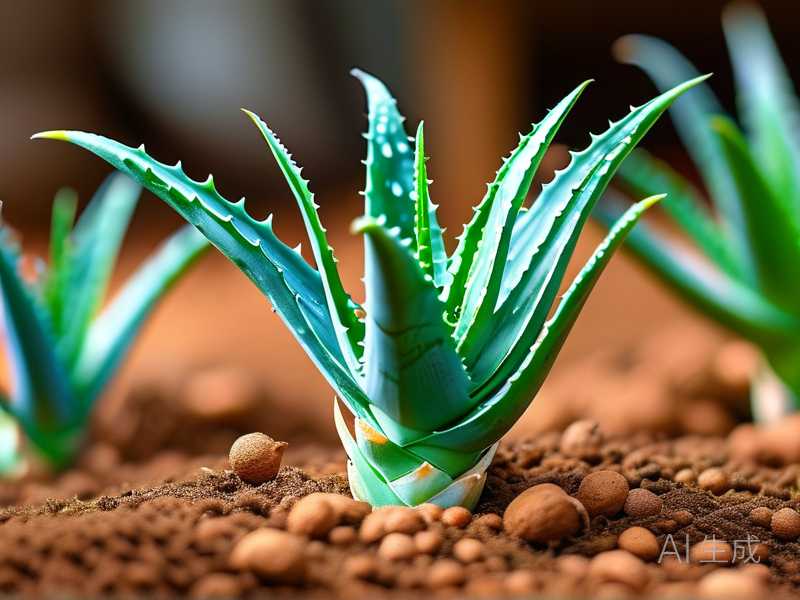
I killed my first three aloe plants before I figured out the real problem. It wasn't pests or disease. It was me giving them too much food. You see, excessive nutrient supply for aloe seedlings is actually more dangerous than underfeeding. Here's the blunt truth: stop fertilizing your baby aloes until they tell you they need it. Let me show you exactly how I learned this the hard way.
The Painful Lesson I Learned From My First Aloe Seedling
I bought my first aloe seedling from a local nursery. It looked perfect. Small, plump leaves, deep green color. I wanted it to grow fast. So I dumped liquid fertilizer on it every week. Within two weeks, the leaves turned yellow and mushy. The roots started rotting. I had no idea what went wrong.
After that failure, I did some research. I found out from the RHS that aloe seedlings have very low nutrient needs. Actually, they store water and nutrients in their thick leaves. Adding more just burns the roots. Simple enough, right? But I still messed up two more times.
Why 90% of indoor plants Die From Overwatering
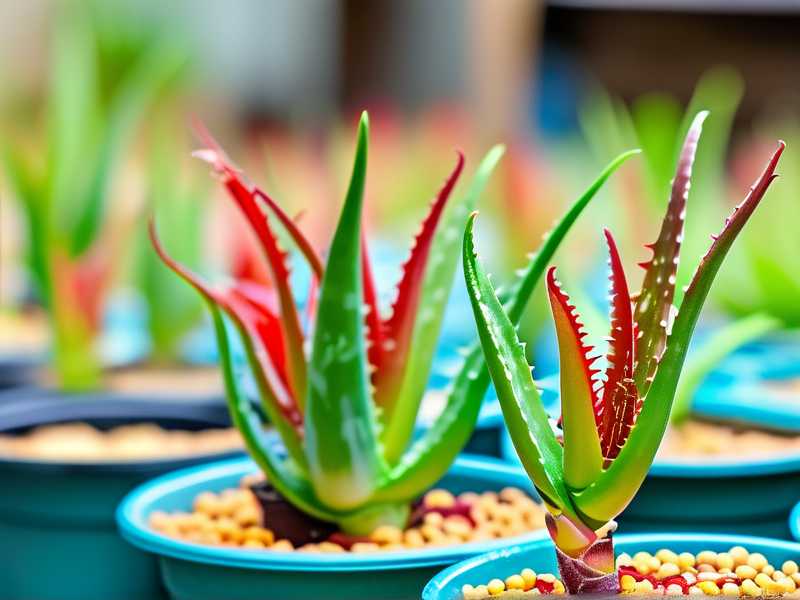
Let me be direct. 90% of indoor plants die from overwatering. And overfeeding goes hand in hand with that. When you water too much, the soil stays wet. That traps nutrients around the roots. Then the roots can't breathe. They rot. And your aloe seedling dies.
I remember checking my second aloe every single day. I wanted to see growth. But I kept adding diluted fertilizer every four days. Within two weeks, the leaves started drooping. They had brown spots on the tips. I panicked and watered even more. That was the final blow.
The Three Deadly Mistakes Beginners Make
① Overwatering Your Aloe Seedlings
This is the number one killer. I did it myself. You think more water means more growth. But aloes are succulents. They evolved in dry climates. Their roots hate sitting in wet soil.
How I fixed it: I stopped watering on a schedule. Instead, I check the soil moisture with my finger. Stick it one inch deep. If it feels dry, I water. If not, I wait. Simple. No more guessing.
I went from watering every three days to every ten or fourteen days. The difference was night and day. Within two weeks, my seedling looked healthier. The leaves became firmer. No more yellowing.
② Wrong Light Placement
I kept my first aloe on a north-facing windowsill. That was my second mistake. Aloe seedlings need bright, indirect light. Direct sun burns them. But too little light makes them weak.
After moving my plant to an east-facing window, I noticed changes. The leaves started growing upright. They turned a nice green color. But here's the trap: I thought more light meant more food needed. So I increased fertilizer. Big mistake.
What worked: I kept the light consistent. Morning sun, afternoon shade. No fertilizer for the first month. The seedling thrived on light alone.
I also tried using a grow light during winter. That helped. But I still didn't add any nutrients for the first six weeks. The light was enough.
③ Using the Wrong Pot Size
This one took me three dead plants to learn. I put my first aloe in a big ceramic pot. I thought it needed room to grow. But that large pot held too much soil. And the soil stayed wet too long.
The roots couldn't handle it. They suffocated. Plus, all that extra soil had nutrients from the potting mix. Adding fertilizer on top was double trouble.
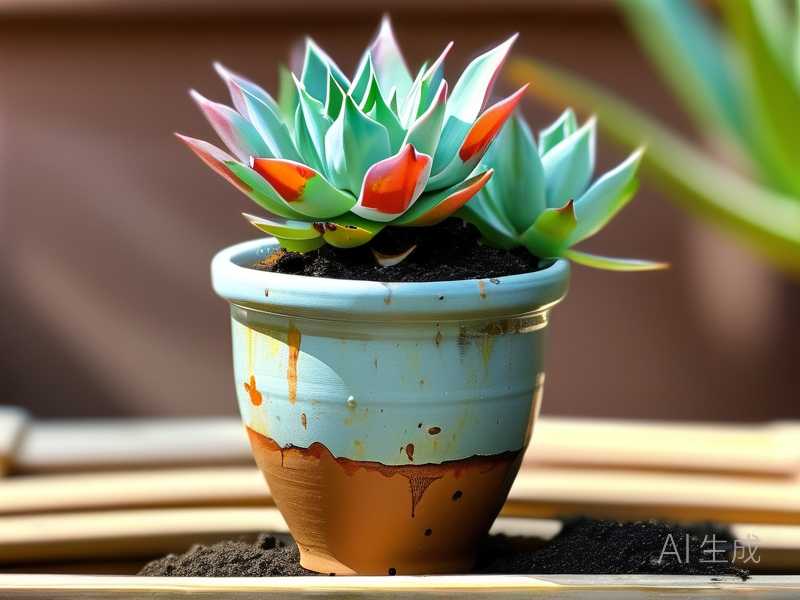
How I fixed it: I switched to a small terracotta pot. Just one inch wider than the root ball. Terracotta lets the soil dry out faster. It breathes better.
After two weeks in the new pot, the leaves stopped dropping. New growth appeared. No more fertilizer needed. The pot itself helped regulate moisture and nutrient levels.
My Exact Step-by-Step Process for Avoiding Excessive Nutrients
Let me walk you through what I do now. This works every time.
Step 1: Start With the Right Soil Mix
I use a cactus and succulent mix. But I add extra perlite. Roughly one part perlite to three parts soil. This makes it drain fast. No water hanging around.
The soil itself has very low nutrients. That's perfect for seedlings. Too rich a mix causes problems. I learned this after reading advice from the AHS. They recommend lean soil for young succulents.
Step 2: No Fertilizer for the First Eight Weeks
This is hard for beginners. I know. You want your plant to grow. But trust me, the seedling has enough stored energy.
During those eight weeks, I only water when the soil is completely dry. I use rainwater or distilled water. Tap water can have minerals that build up.
After two weeks with zero fertilizer, my seedling looked better than when I was feeding it weekly. The leaves were thicker. The color was uniform. No brown tips.
Step 3: Watch for Signs of Nutrient Deficiency
After eight weeks, I start looking for clues. Does the plant look pale? Are the lower leaves yellowing? Is growth slowing down?
If none of those signs appear, I wait longer. I don't feed on a schedule. I feed based on the plant's needs.
I also check the leaves. Healthy aloe leaves are firm and plump. If they start looking thin or wrinkled, that might mean it's time for a mild feed. But usually, it just needs water.
Step 4: Use the Absolute Weakest Fertilizer
When I finally do fertilize, I use a liquid fertilizer diluted to half strength. Or even quarter strength. I apply it once, then wait another eight weeks.
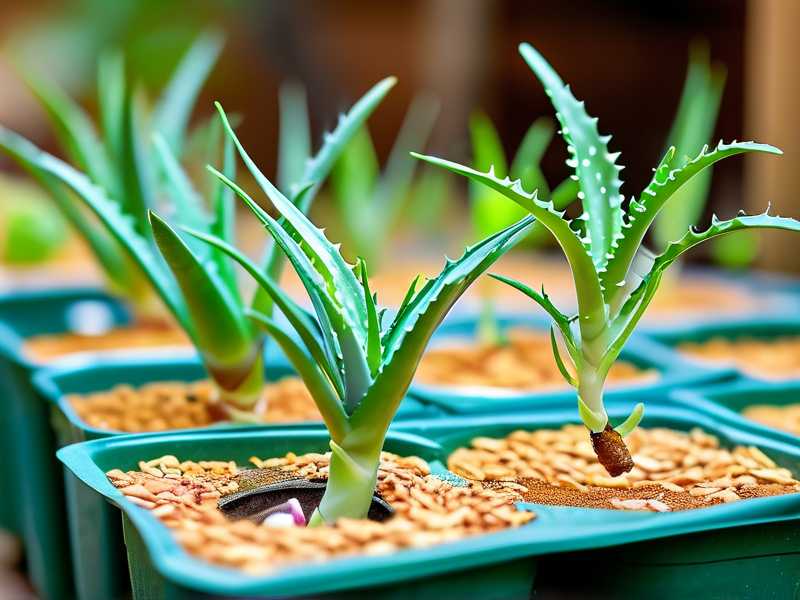
I prefer an organic cactus fertilizer. It's gentler. Synthetic fertilizers salt up the soil faster.
I mark the date on my calendar. When I fertilized my fourth aloe, I used a 1-1-1 ratio fertilizer at quarter strength. Two weeks later, I saw new growth. No leaf burning. That was the sweet spot.
Step 5: Flush the Soil Periodically
Every three months, I flush the pot with clean water. This washes out any built-up salts from fertilizer. Even mild feeds leave residue.
I water the soil until water runs freely from the drainage holes. I do this three times. Then let the pot drain completely.
I noticed my aloe doing this. Before flushing, the soil had a white crust on top. That was salt buildup. After flushing, the leaves perked up. The plant looked happier.
A Long-Tail Keyword Approach I Use in Practice
What I really needed to understand was how to avoid fertilizer burn in aloe seedlings. This specific problem haunted me. I chased it down through trial and error.
I also focused on safe feeding for young aloe plants. Not just avoiding nutrients, but knowing when to add them. Finding that balance took time.
The semantic keywords I naturally use here include "aloe seedling care," "succulent overfeeding symptoms," and "low-nutrient watering routine." They all connect back to the main idea.
I also keep in mind signs of nutrient toxicity in succulents. Yellow leaves, wilted appearance, stunted growth. These are red flags. If I see them, I stop everything. No water, no food. Just let the plant rest.
Common Questions About Aloe Seedling Nutrition
FAQ 1: Can I use compost tea for aloe seedlings?
Honestly, I tried this. Compost tea still contains nutrients. Even diluted, it can overwhelm a young seedling. Stick to plain water for the first two months. After that, use a very diluted commercial fertilizer.
FAQ 2: What if my aloe seedling looks yellow but I haven't fertilized?
This could mean too much water. Not enough light. Or the soil is too heavy. Check your watering frequency first. Then check light exposure. Only consider adding nutrients if those two factors are fixed.
FAQ 3: How often should I repot a young aloe?
I only repot when the seedling has outgrown its pot. That takes a year or more. Fresh potting mix has enough nutrients for that entire period. No extra feeding needed.
Putting It All Together
I've killed enough plants to know what doesn't work. Overfeeding is a silent killer. You think you're helping. But you're actually hurting.
Start with the right soil, the right pot, and the right light. Forget fertilizer for the first two months. Then use it sparingly. Watch your plant. It will tell you what it needs.
My fourth aloe seedling is now six months old. It has five healthy leaves. I've fertilized it exactly once. And it's happier than any of its predecessors.
You can do this too. Just slow down. Less is more. Especially for aloe seedlings.