bluename
 How to Prevent Aloe Vera from Being Damaged by Hail: A Gardener's Battle-Tested Guide
I’ve spent years cultivating a lush collection of succulents, and my aloe vera plants hold a special place in my heart and on my sunny patio. Their plump, soothing leaves are a source of pride. But that pride turned to panic last spring when a surprise hailstorm transformed my serene garden into a scene of devastation. Seeing those fleshy, perfect leaves pockmarked and shredded was heartbreaking. It was a stark lesson: knowing how to prevent aloe vera from being damaged by hail isn't just a gardening tip; it's an essential survival skill for any plant lover in unpredictable climates. This guide is born from that painful experience, two weeks of intensive plant triage, and the successful strategies I’ve since implemented to shield my green companions.
Understanding Why Hail is a Nightmare for Aloe Vera
To protect them, you must first understand the threat. Aloe vera leaves are about 95% water, stored in specialized parenchyma cells. This juicy interior is what makes them so beneficial, but also incredibly vulnerable. Hailstones are not just frozen rain; they are solid ice projectiles.
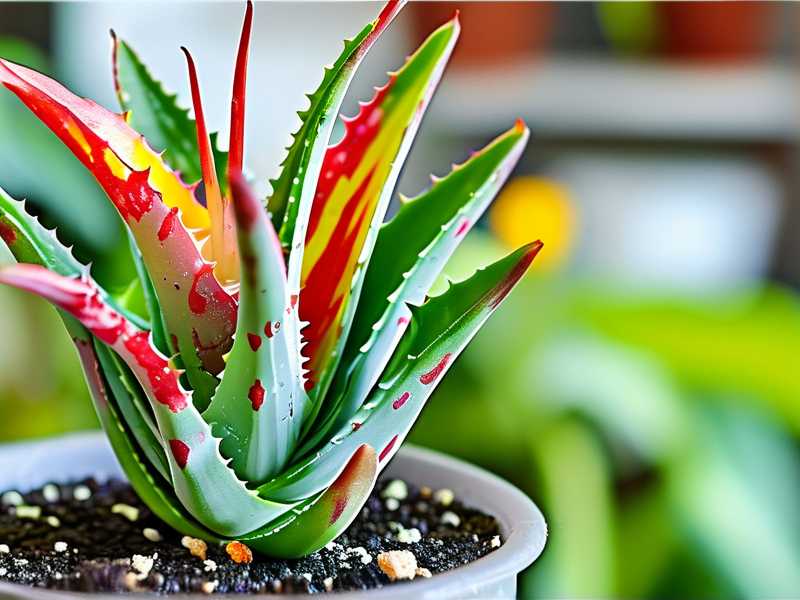
When they strike, they cause two primary types of damage. First, the physical impact bruises and ruptures those water-filled cells, creating soft, dark, sunken spots. Second, sharp or large hailstones can literally tear the leaf’s epidermis, creating open wounds. These wounds are not just cosmetic. They become gateways for bacterial and fungal infections, like Erwinia soft rot, which can turn a damaged leaf into a mushy, foul-smelling disaster that spreads to the entire plant. The Royal Horticultural Society (RHS) notes that physical damage to succulents significantly increases their susceptibility to opportunistic pathogens, especially in warm, wet conditions following a storm.
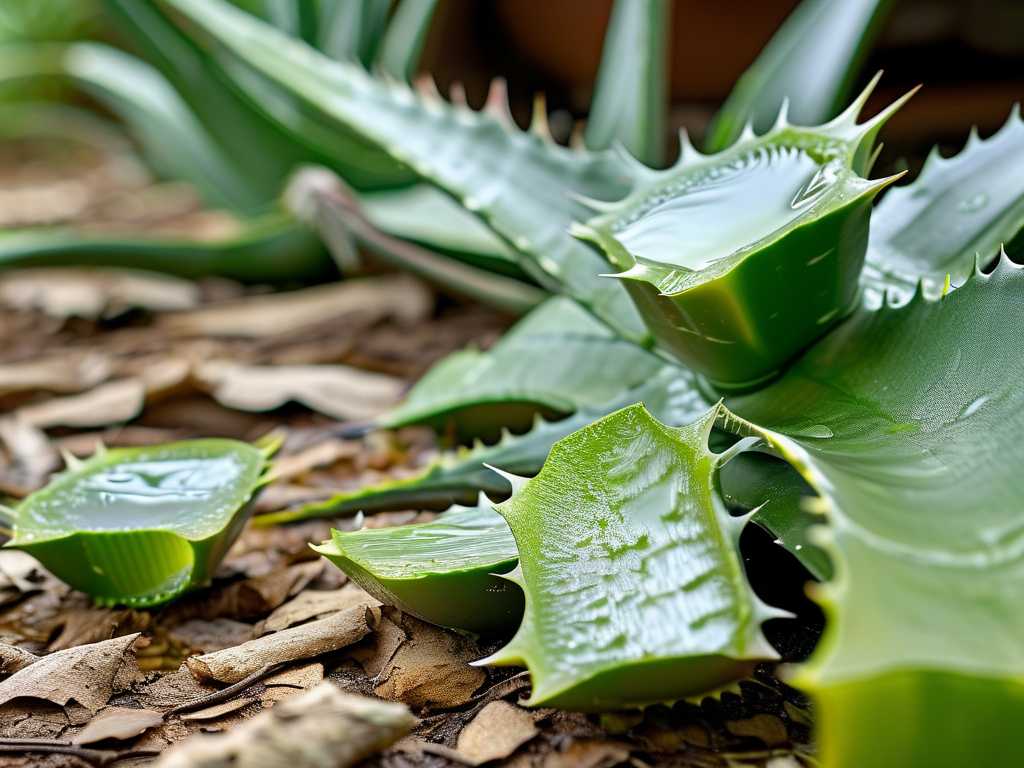
My core mission became clear: create a two-part defense system. Part one is proactive hail protection for succulent plants. Part two is reactive post-hail aloe vera care to maximize recovery if my defenses are breached.
My Proactive Shield: Strategies to Guard Your Aloe Before the Storm
Forewarned is forearmed. I now treat weather forecasts with the seriousness of a general planning a campaign.
Step 1: The Mobile Fortress Strategy (For Potted Aloe Vera)
This is my most reliable method. My aloes live in pots with excellent drainage, which makes them portable.
- My Action: I identified a "storm shelter" ahead of time—my covered porch, a garden shed, and even the space under a sturdy patio table. When hail is forecast, I move all potted aloes to these sheltered locations. It’s simple but 100% effective.
- The Pitfall I Faced: Initially, I crowded them into a dark corner of the shed. After 48 hours, I noticed some etiolation (stretching) starting. My Solution: I now use a clear plastic storage bin (without the lid) as a mobile shelter. I can place it over the plants under the table, providing physical protection while still allowing diffused light to reach them for short periods.
Step 2: Creating a Permanent Protective Cover
For my larger, in-ground aloe bed, moving isn’t an option. Here, I built a simple protective structure.
- My Action: I constructed a low tunnel using flexible PVC pipes arched over the bed and secured them with rebar stakes. I keep a roll of clear, heavy-duty horticultural fleece on hand.
- My Process: When hail threatens, I drape the fleece over the arches and clamp it down securely with binder clips. This material cushions the impact, diffuses the hail’s force, and still lets in light and rain.
- Expert Backing: The American Horticultural Society (AHS) recommends using floating row covers as a barrier against light frost and physical weather damage, a principle I adapted for hail.
Step 3: The Quick Deploy Emergency Blanket
For sudden, unpredicted storms, speed is key.
- My Action: I keep an old blanket, a piece of burlap, and a few large cardboard boxes flattened and stored in my garage. At the first sound of hail, I can dash out and drape these over vulnerable plants. The goal isn’t elegance; it’s to absorb the initial brunt of the impact.
- The Pitfall: A heavy, wet blanket can crush smaller plants. My Solution: I use tomato cages or even upturned laundry baskets over the aloe first to create a supportive framework, then drape the blanket over that. This creates a protective tent.
The Recovery Process: My 2-Week Aloe Vera Rescue Protocol
Despite my best efforts, a recent storm blew hail sideways, battering a few of my patio plants. Here’s exactly what I did, observing closely over the next 14 days.
Day 1-3: Immediate Assessment and First Aid
The sight was discouraging. Several leaves had deep gashes and bruising.
- I moved all damaged plants to a sheltered, bright but indirect light location. Direct sun would stress wounded tissues further.
- I did NOT water them. This is crucial. Adding water to compromised roots and stems invites rot. The soil was left to dry completely.
- I assessed each leaf: Leaves that were completely severed or torn more than halfway through were removed. For clean cuts, I used a sterile, sharp knife to cut the leaf cleanly at an angle near the base. For bruised but intact leaves, I left them alone. The plant can often reabsorb nutrients from these.
Day 4-7: Monitoring and the Fight Against Rot
This is the critical window for infection.
- My Observation: By Day 5, one bruised leaf on a smaller plant began to turn yellowish and soft—a sign of the dreaded rot.
- My Action: I immediately excised that entire leaf, cutting well back into healthy, firm green tissue. I dusted the fresh cut with cinnamon (a natural antifungal) and left the wound to callus in the dry air.
- I continued to withhold water, allowing the plant to focus energy on sealing its wounds.
Day 8-14: The Road to Recovery and Regrowth
- By Day 10, the callused cuts had hardened. No further signs of rot appeared on other plants. The undamaged leaves still looked firm and healthy—a sign the plant’s core was functioning.
- On Day 14, I gave the plants a very light, deep watering, ensuring any excess drained away immediately. I observed the first signs of new growth at the center of two plants—tiny, green nubs pushing upward. This was the ultimate sign of success: the plant had stabilized and was directing energy toward the future.
Common Mistakes I Made (So You Don't Have To)
- The Overwatering Instinct: My biggest mistake after the first hailstorm was to "comfort" my plants with water. I learned the hard way that this is the fastest way to kill a damaged succulent. Solution: Practice neglectful watering. When in doubt, wait it out.
- Premature Pruning: I initially tried to trim every single blemish. Solution: Only remove tissue that is actively rotting or severely torn. A cosmetic bruise can heal and be reabsorbed by the plant.
- Using Non-Sterile Tools: I once used dirty shears, which likely introduced bacteria. Solution: Wipe blades with isopropyl alcohol between every cut, especially when removing diseased tissue.
Frequently Asked Questions from Fellow Gardeners
Can a badly hail-damaged aloe vera plant be saved? Absolutely, if the central growing point (the rosette's center) is intact. Even if all leaves are lost, a healthy root system can sometimes push out new pups. Focus on keeping the base and roots dry and rot-free. Patience is your greatest tool.
What should I put on the cut leaves after pruning? The best treatment is fresh air. Allow the wound to dry and form a natural callus. You can sprinkle cinnamon or sulfur powder as a mild antifungal, but avoid sealing wounds with wax or sealants, as they can trap moisture.
How can I make my aloe vera leaves stronger to resist damage? While you can't armor-plate them, consistent care builds resilience. Ensure they get plenty of bright light to keep growth compact and firm. Avoid over-fertilizing with high-nitrogen formulas, which can cause weak, watery growth. A balanced, succulent-specific fertilizer used sparingly during the growing season promotes sturdy health.
Watching my aloe vera plants bounce back from hail damage was a profound lesson in resilience—both theirs and my own as a gardener. Protection is a blend of vigilance, having a plan, and knowing when to act swiftly before the clouds gather. Recovery is about disciplined care, resisting the urge to over-mother, and trusting in the plant’s incredible will to live. By integrating these proactive shields and reactive care steps, you can transform hail season from a time of dread into a manageable, routine part of your gardening year. Your aloe vera collection will thank you with years of robust, healthy growth.