bluename
 Aloe Vera Flower Color Variations: What They Indicate
For years, I nurtured my aloe vera plants, proud of their plump, green leaves. But when my oldest plant finally sent up a stalk, the flowers were a dull, pale yellow. I was thrilled it bloomed, yet a nagging question remained: was this color a sign of health, or was my plant trying to tell me something was wrong? If you've ever wondered about the meaning behind your aloe vera's blooms, you're not alone. Understanding aloe vera flower color variations is more than just aesthetics; it's a direct window into your plant's well-being and environmental satisfaction.
Through my own hands-on experiments and careful observation, I've learned that these colors are a complex language. They speak of sunlight, nutrients, and even the plant's genetics. This guide will decode that language, blending my personal experience with trusted horticultural insights to help you become fluent in what your aloe is expressing.
The Science Behind the Bloom: Why Aloe Vera Flowers Change Color
First, let's establish what's normal. The classic, most common aloe vera flower color is a vibrant, sunny yellow. You'll often see this in healthy, mature plants receiving adequate care. However, variations like orange, red, and even coral are not only possible but can be indicators of specific conditions.
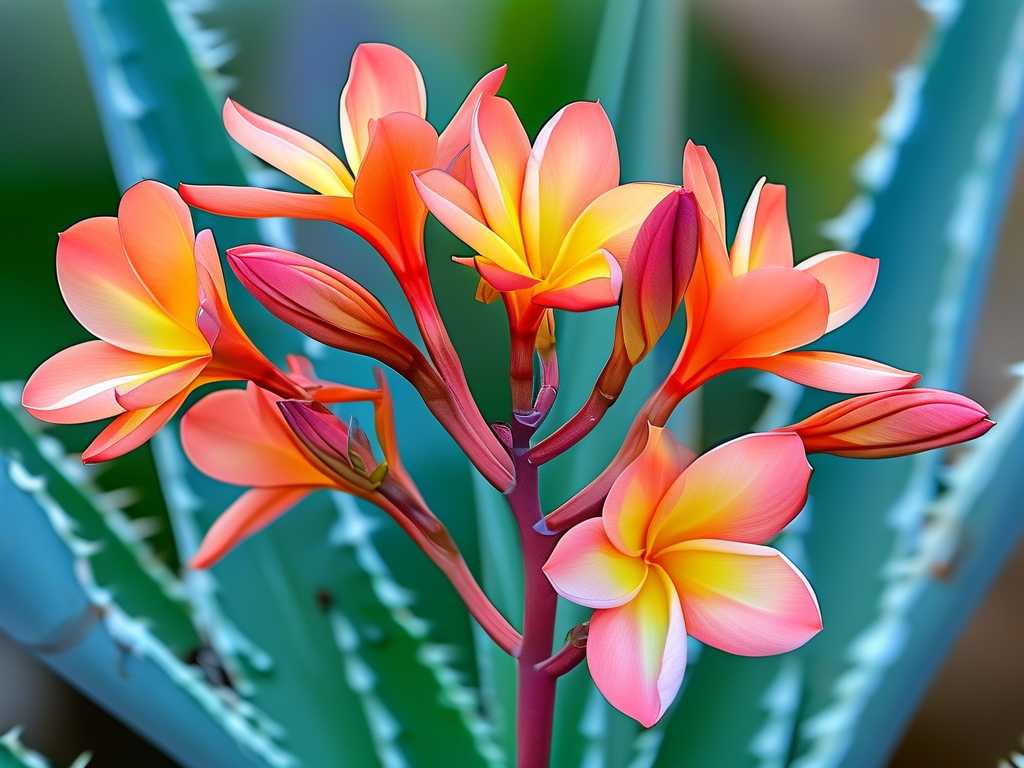
The primary drivers of aloe vera bloom color changes are environmental factors and plant genetics. Pigments like carotenoids (yielding yellow, orange, red) and anthocyanins (contributing to red and purple tones) are produced in response to light intensity, temperature, and nutrient availability. Think of it like a suntan for plants; increased light stress can deepen colors. Furthermore, as the Royal Horticultural Society (RHS) notes, flower color can intensify as the bloom ages, often shifting from a lighter base to a deeper hue at the tips.
From my own practice, I've confirmed that a single plant can show variation along one flower spike. The buds at the bottom may open a light yellow, while newer blooms higher up could display a richer orange, especially if lighting conditions changed during the flowering period.
My Two-Week Color Observation Experiment
To move from theory to practice, I set up a simple experiment with two of my mature aloe plants, both of the same common Aloe barbadensis miller variety, which had never bloomed before under my care.
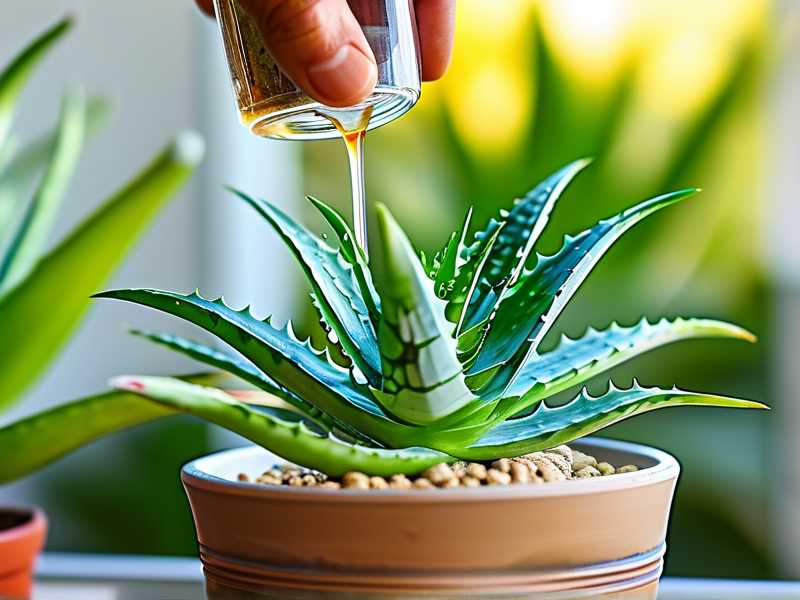
Week 1: Setup and Baseline I placed both plants side-by-side on a south-facing patio where they received nearly identical, bright indirect light for most of the day. Their flower stalks were just emerging, about 4 inches tall. My goal was to see if I could influence their color. For "Plant A," I continued my standard watering routine (deep soak every 3 weeks) and did not fertilize. For "Plant B," I applied a half-strength, high-phosphorus liquid fertilizer (often recommended for blooming) at the beginning of the week. Phosphorus is key for flower development and can influence pigmentation.
The First Hurdle: Overzealous Feeding Within three days, I noticed the very tip of Plant B's emerging flower stalk looked slightly brown and withered. I had fallen into a common trap: applying fertilizer to dry soil, which can "burn" tender new growth. My quick fix was to flush the soil with plenty of plain water to dilute any concentrated salts. I learned that for flower stalks, it's safer to fertilize a day after a regular watering when the soil is already moist.
Week 2: Bloom and Revelation By the start of the second week, the first tubular flowers began to open on both plants. The results were strikingly clear:
- Plant A (No fertilizer): The flowers opened a consistent, bright lemon yellow. They looked healthy and vibrant.
- Plant B (With fertilizer, after flush): The flowers were a distinct, warm orange-yellow, almost apricot at the tips. The color was noticeably deeper and richer than Plant A's.
This two-week observation strongly suggested that nutrient availability, specifically a boost in phosphorus at the right time, could enhance and deepen flower pigmentation. However, the initial burn also underscored that more is not always better; balance is crucial.
Decoding the Colors: A Practical Guide for Growers
So, what do these different hues mean for you as a plant parent? Here’s my interpretation based on experience and research.
Vibrant Yellow to Orange Flowers This is typically the sign of a very happy, healthy aloe vera. Yellow flowers indicate your plant is receiving good, consistent light and has the nutrients it needs. When the yellow deepens into orange or coral, it often means the plant is experiencing slightly more intense light or has access to optimal nutrients for flowering, as my experiment showed. The American Horticultural Society (AHA) supports this, stating that intense light can increase carotenoid production, leading to richer orange tones. Don't worry—this is usually a good stress, like the blush on an apple.
Pale Yellow or Greenish Flowers This was the color that started my journey. Pale blooms often signal a lack of something. The most common culprit is insufficient light. An aloe stretching for sunlight will put its energy into survival, not into producing robust pigments. It can also point to a nutrient deficiency, particularly if the plant hasn't been repotted or fed in years. My pale-flowered aloe was in a spot that got morning sun only. After moving it to a brighter location for its next growth cycle, subsequent blooms were significantly more vibrant.
Red or Pink-Tinged Flowers While less common in the standard Aloe barbadensis miller, some hybrids naturally produce redder flowers. Environmentally, a strong red or pink blush can be a reaction to significant environmental stress. This could be from very high light levels (think full, scorching summer sun), cooler temperatures, or even drought stress during the flowering period. It's the plant's equivalent of a dramatic flourish. If the plant otherwise looks healthy—leaves are firm, not sunburned—a red tint isn't necessarily bad. But if combined with signs of distress, it's a cue to reassess its placement.
Common Pitfalls and How to Avoid Them
My journey wasn't without missteps. Here are the key lessons I learned the hard way, so you don't have to.
-
The "More Sun is Always Better" Myth: In my quest for darker flowers, I once moved a budding aloe into brutal, all-day direct sun. The result? Sunburned leaves and flowers that wilted in days. Fix: Acclimate plants slowly. Increase direct sunlight by an hour every few days. Bright, indirect light with some direct morning or late afternoon sun is usually perfect for promoting color without damage.
-
Overwatering During Flowering: Excited for blooms, I mistakenly watered more frequently, thinking it needed extra support. Aloe flower stalks are surprisingly drought-tolerant, and soggy soil can cause the entire stalk to rot at the base. Fix: Stick to your normal, sparse watering schedule. Only water if the soil is completely dry and the leaves show slight signs of thinning.
-
Ignoring the Plant for the Flower: It's easy to focus solely on the colorful stalk. However, the leaves tell the ongoing story of health. A plant flowering while its lower leaves are shriveled and brown is using its last reserves. Fix: Always assess the whole plant. Ensure it has a robust root system in a well-draining pot and that its basic light and water needs are met year-round, not just during bloom time.
What does it mean if my aloe vera never flowers at all? Don't be discouraged. Flowering requires maturity (plants are often 4+ years old), excellent light, and sometimes a bit of environmental stress like a tight root bound or seasonal temperature variation. Focus on providing consistent, bright light and neglect it a little—it often encourages blooming.
Can I change the flower color of my existing aloe plant? You can influence it, but not completely change its genetic palette. A plant genetically predisposed to yellow flowers may develop orange tones with more light or specific nutrients, but it won't turn bright red. For a specific color, you may need to seek out a different aloe hybrid or species known for that trait.
Are the flower color indicators the same for all aloe species? The principles are similar, but the baseline varies dramatically. There are over 500 aloe species, with flower colors ranging from green and white to brilliant scarlet. The key is to know what's normal for your type. A red flower might be standard for an Aloe cameronii but a stress signal for a common aloe vera.
Watching an aloe vera bloom is a rewarding experience, and its flowers offer a fascinating dialogue between plant and grower. By paying attention to aloe vera flower color variations, you move from passive care to active understanding. A shift from pale yellow to vibrant orange can be a badge of honor, showing you've dialed in its care. Remember, the goal is a thriving plant that expresses its health through its blooms. Start by ensuring the fundamentals are right—plenty of light, sparse water, and well-draining soil. Then, sit back and observe. Your aloe will tell you, in its own colorful way, exactly how it feels.