bluename
 Can Aloe Vera Grow in Alkaline Soil? My 2-Week Experiment Reveals the Truth
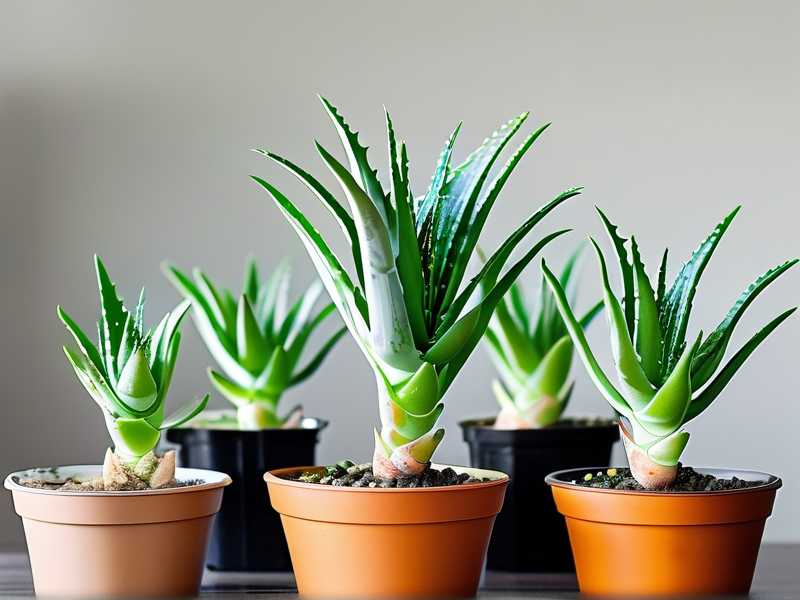
As a passionate plant enthusiast with a windowsill full of succulents, I’ve always heard one golden rule: aloe vera thrives in slightly acidic, well-draining soil. So, when I moved to a new area known for its alkaline tap water and naturally chalky soil, my first worry was for my beloved aloe collection. Can aloe vera grow in alkaline soil? This wasn't just a theoretical question for me—it was a pressing problem threatening my plants' health. I decided to move beyond speculation and run a real-world, hands-on experiment. For two weeks, I monitored aloe plants in alkaline conditions, documenting every step, setback, and solution. Here’s exactly what happened.
Understanding the Alkaline Challenge for Aloe Vera
Before I began, I needed to understand what I was up against. Aloe vera, like many succulents, prefers a soil pH between 6.0 and 7.0. Alkaline soil, with a pH above 7.0, can lock up essential nutrients like iron, manganese, and phosphorus, making them unavailable to the plant. The Royal Horticultural Society (RHS) notes that in alkaline conditions, plants often show signs of chlorosis—yellowing leaves while veins stay green—due to iron deficiency.
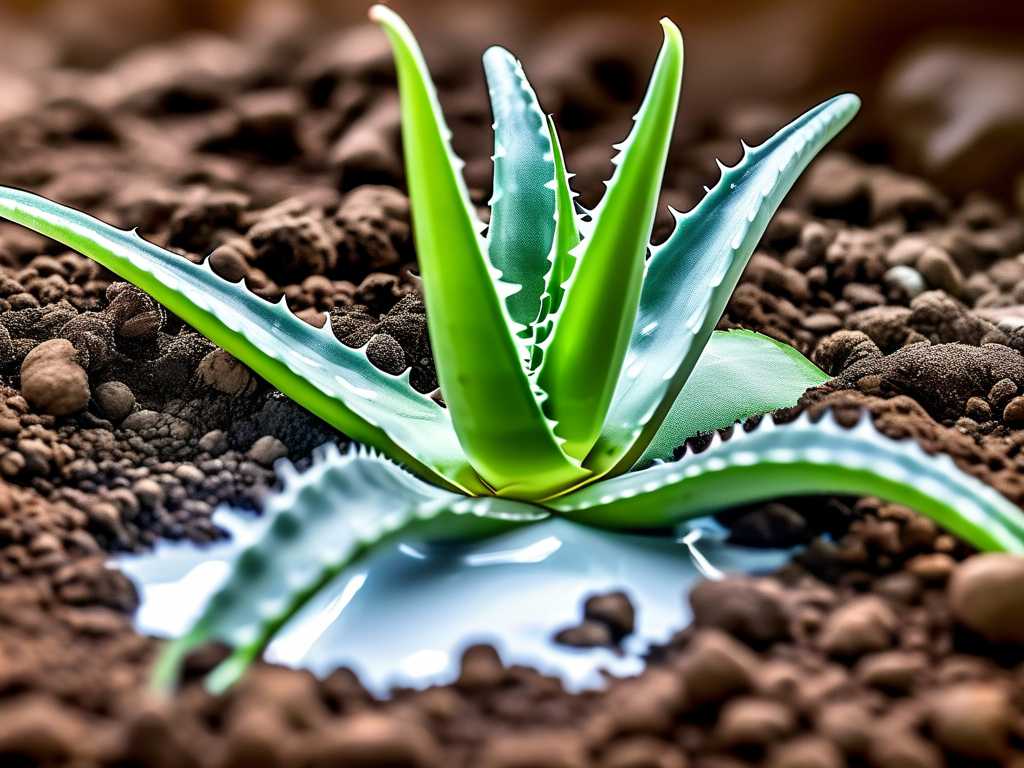
My local soil test kit confirmed my fears. The soil in my garden and the runoff from my potting mix watered with tap water both registered a pH of 8.0. This was the baseline for my challenge: growing aloe vera in high pH soil.
My Experimental Setup: Two Plants, Two Approaches
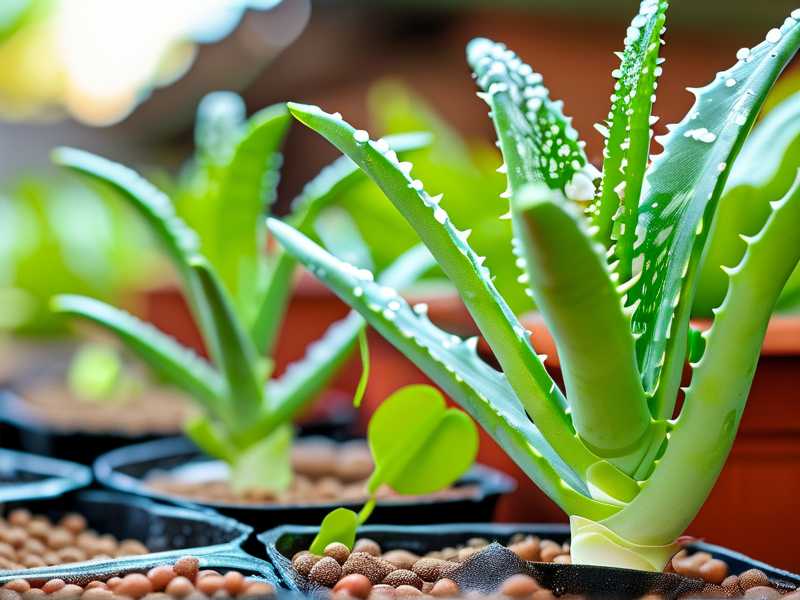
I selected two mature, healthy aloe vera pups of similar size. My goal was to test both adaptation and amendment strategies.
Plant A (The Adaptation Test): This plant was my control for harsh reality. I repotted it into a standard succulent mix but used only my alkaline tap water (pH ~8.0) for the entire two weeks. I wanted to see the raw effects of alkaline soil on aloe vera growth.
Plant B (The Amendment Test): For this plant, I took an active approach to modify the environment. My process was:
- Soil Preparation: I mixed my standard potting soil with 25% peat moss (which is acidic) and a handful of elemental sulfur. The American Horticultural Society (AHA) suggests sulfur as a safe, long-term soil acidifier, as soil microbes convert it to sulfuric acid.
- Watering Strategy: Instead of tap water, I used rainwater I collected. When I needed to use tap water, I let it sit for 24 hours and added a few drops of white vinegar (a common, mild acidifier) to slightly lower its pH, testing with a strip beforehand.
- Pot Choice: I used a terracotta pot for both plants, as its porosity promotes evaporation and prevents soggy soil, a critical factor since alkaline soil can sometimes compact.
Both plants were placed on the same sunny south-facing windowsill to ensure identical light conditions.
The 2-Week Observation Diary: A Tale of Two Aloes
Days 1-4: Both plants looked stable after repotting. No visible changes.
Days 5-8:
- Plant A (Alkaline Water): The first signs appeared. The outermost, older leaf began developing a pale, yellowish hue, particularly at the base. The vibrant green was fading. This was the classic chlorosis I had read about.
- Plant B (Amended Soil): The plant remained a deep, healthy green. New growth from the center felt firm and showed no discoloration.
Days 9-14:
- Plant A: The chlorosis spread to two more leaves. They weren't just yellowing; they became softer and slightly limp at the tips, indicating the plant was struggling to uptake both nutrients and water efficiently. Growth appeared completely stalled.
- Plant B: The plant not only maintained its color but showed visible signs of new growth. A small, fresh leaf unfurled further from the center. The soil surface felt dry appropriately between waterings, and the plant structure remained plump and firm.
The Pitfalls I Encountered and How I Fixed Them
My experiment wasn't without its hiccups. Here’s where I stumbled and what I learned:
- The Over-Correction Pitfall: Early on, in my zeal to help Plant B, I added too much vinegar to a watering can. The pH strip read 5.0, which is too acidic! I realized swinging the pH too far, too fast, can shock the plant. Solution: I discarded that batch and remixed water, aiming for a gentle pH of around 6.5. Slow and steady correction is key. For future, I invested in a liquid pH test kit for more accuracy than strips.
- The "Quick Fix" Trap: Seeing Plant A struggle, I was tempted to drench it with a liquid iron supplement. This is a common quick fix for chlorosis. However, in highly alkaline soil, the iron quickly becomes "locked" again. Solution: I understood that a foliar spray (applying a diluted liquid iron directly to the leaves) could provide temporary relief by allowing the plant to absorb iron through its foliage, while I worked on long-term soil correction. This helped slow the yellowing.
- Ignoring the Water Source: My biggest "aha!" moment was realizing that even if I perfected the soil pH for Plant B, every watering with alkaline tap water would slowly push it back up. Solution: Making collected rainwater or filtered water my standard was the game-changer. It became the most sustainable part of the routine.
So, Can Aloe Vera Tolerate Alkaline Soil?
Based on my two-week deep dive, the answer is nuanced. Can aloe vera survive in alkaline conditions? Briefly, yes—but it will not thrive. As my Plant A demonstrated, it enters a state of nutrient-deficient stress, leading to chlorosis and halted growth. Its long-term health would be severely compromised.
The successful path is about active management. How to grow aloe vera in high pH soil is not about finding a magic aloe that loves alkalinity; it's about responsibly modifying the soil and water environment to mimic its preferred acidic-to-neutral range. Plant B's health and growth proved that with the right amendments, it's entirely possible.
Your Aloe Vera Alkaline Soil Questions, Answered
Can I just use any fertilizer to fix the yellow leaves? Not effectively. Standard fertilizers won't solve the pH lock-up. In alkaline soil, use a fertilizer formulated for "acid-loving plants" or one that contains chelated iron, which is more readily available to the plant under a wider pH range. The RHS recommends addressing the soil pH first for a permanent solution.
Is it better to repot or try to amend the existing soil? For a potted aloe showing severe symptoms, repotting is faster and less stressful for the plant in the long run. Gently remove it, rinse the roots to discard the old alkaline soil, and repot into a fresh, pre-amended acidic mix. For garden soil or mild cases, gradual amendment with sulfur is the way.
How often should I test my soil pH? If you're correcting a problem, test every 3-4 weeks. For maintenance, testing at the start and middle of the growing season (spring and summer) is sufficient. Consistency in your watering source is crucial—if you switch back to tap water, you'll likely see the pH creep up again.
My journey confirmed that while aloe vera is resilient, it communicates its needs clearly. Alkaline soil creates a significant barrier to its vitality. Success lies not in hoping the plant will adapt, but in our willingness to adjust our care routine. By understanding the science, patiently amending the environment, and avoiding quick-fix traps, you can create a happy home for your aloe vera, no matter what your starting soil looks like. The green, plump leaves of a healthy aloe are well worth the extra attention.